





Understanding Cairo’s Living Museums
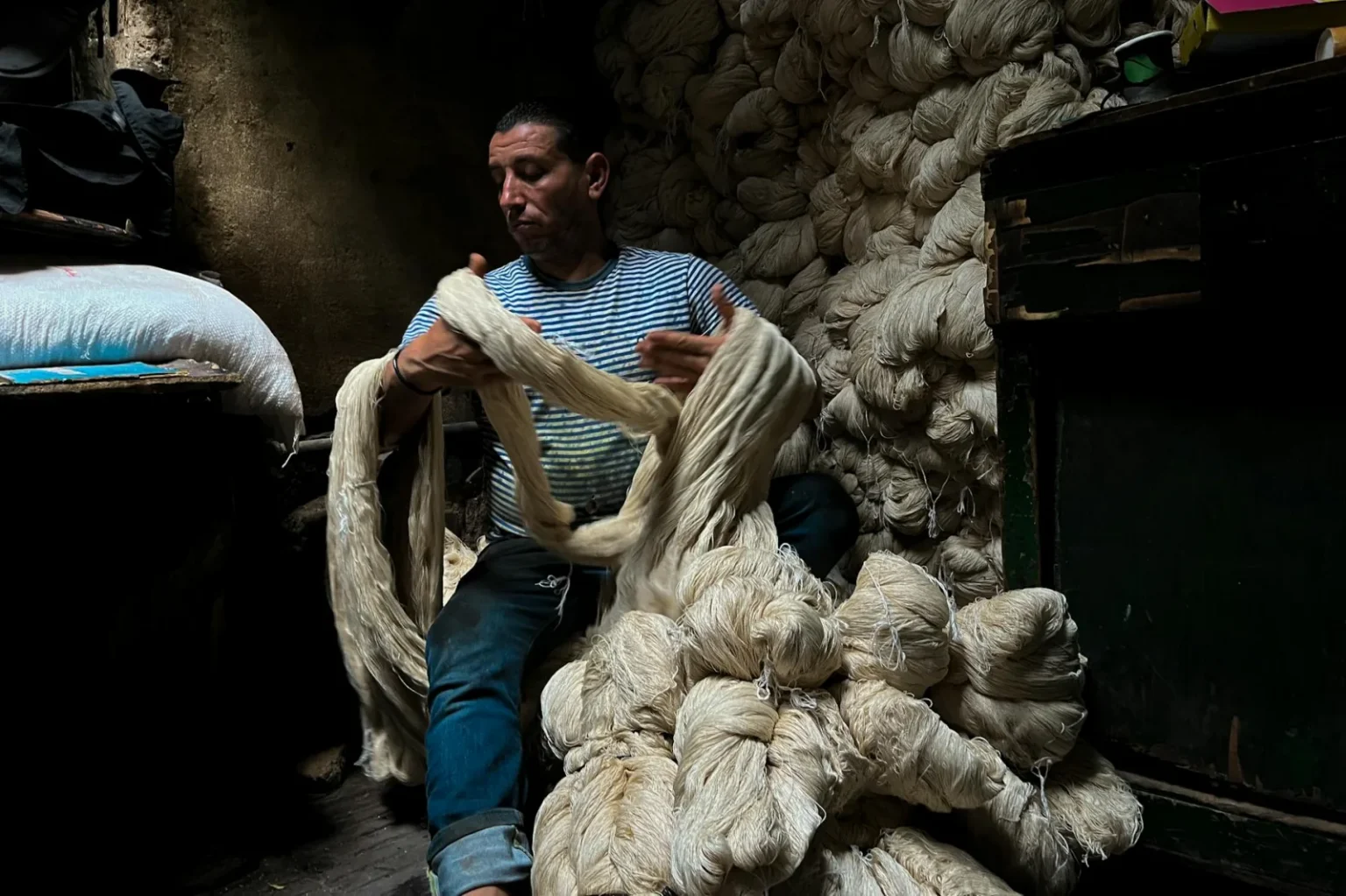
Cairo is often celebrated for its historical landmarks, but an equally rich tapestry exists through the local artisans who breathe life into its cultural heritage. Living museums in Cairo offer a unique opportunity to interact with these artisans, learning not just about their crafts but also about the stories and traditions that shape them. These spaces are more than mere galleries; they are active workshops where the past is preserved through the hands of skilled individuals.
The Importance of Local Crafts
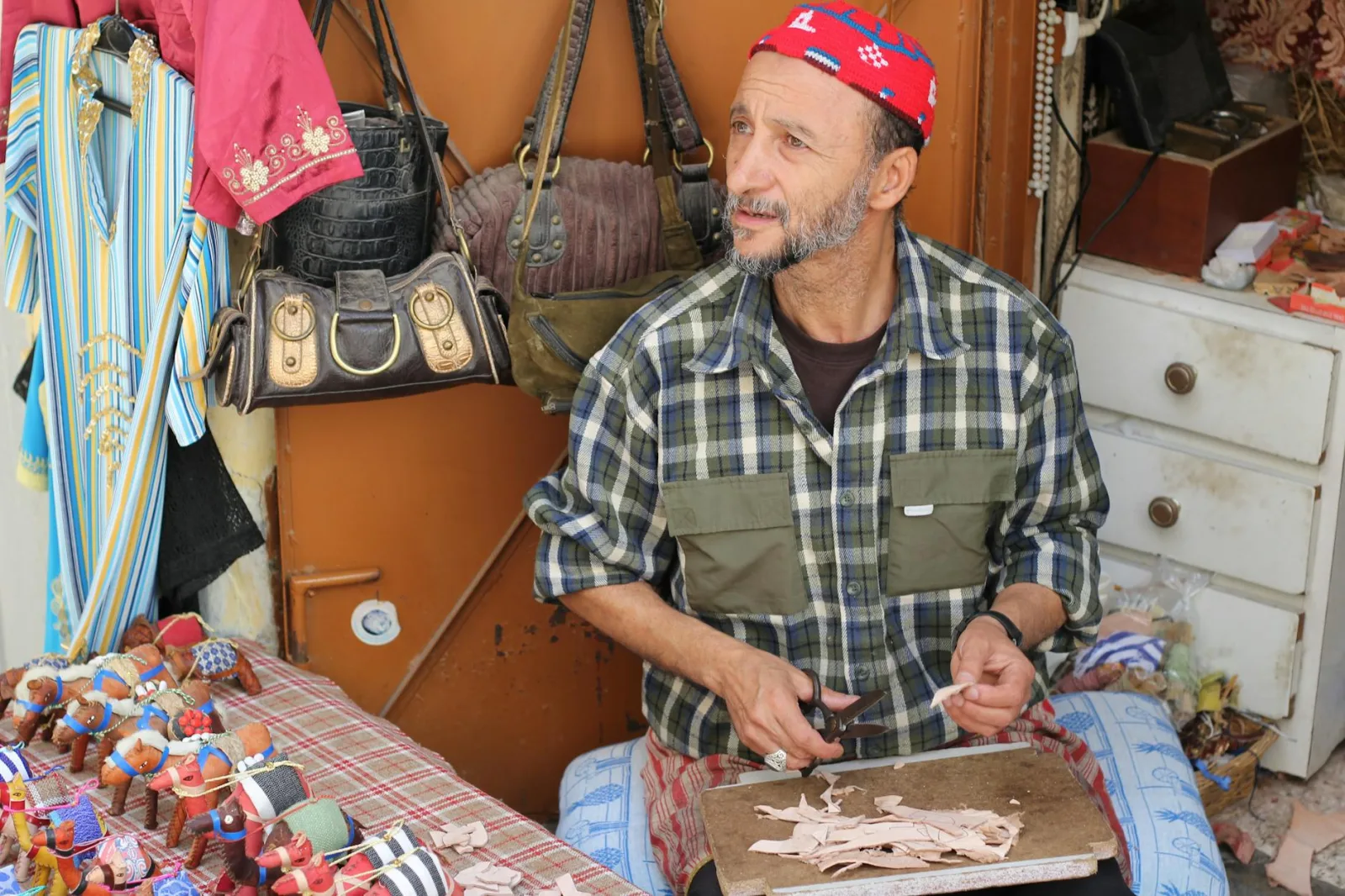
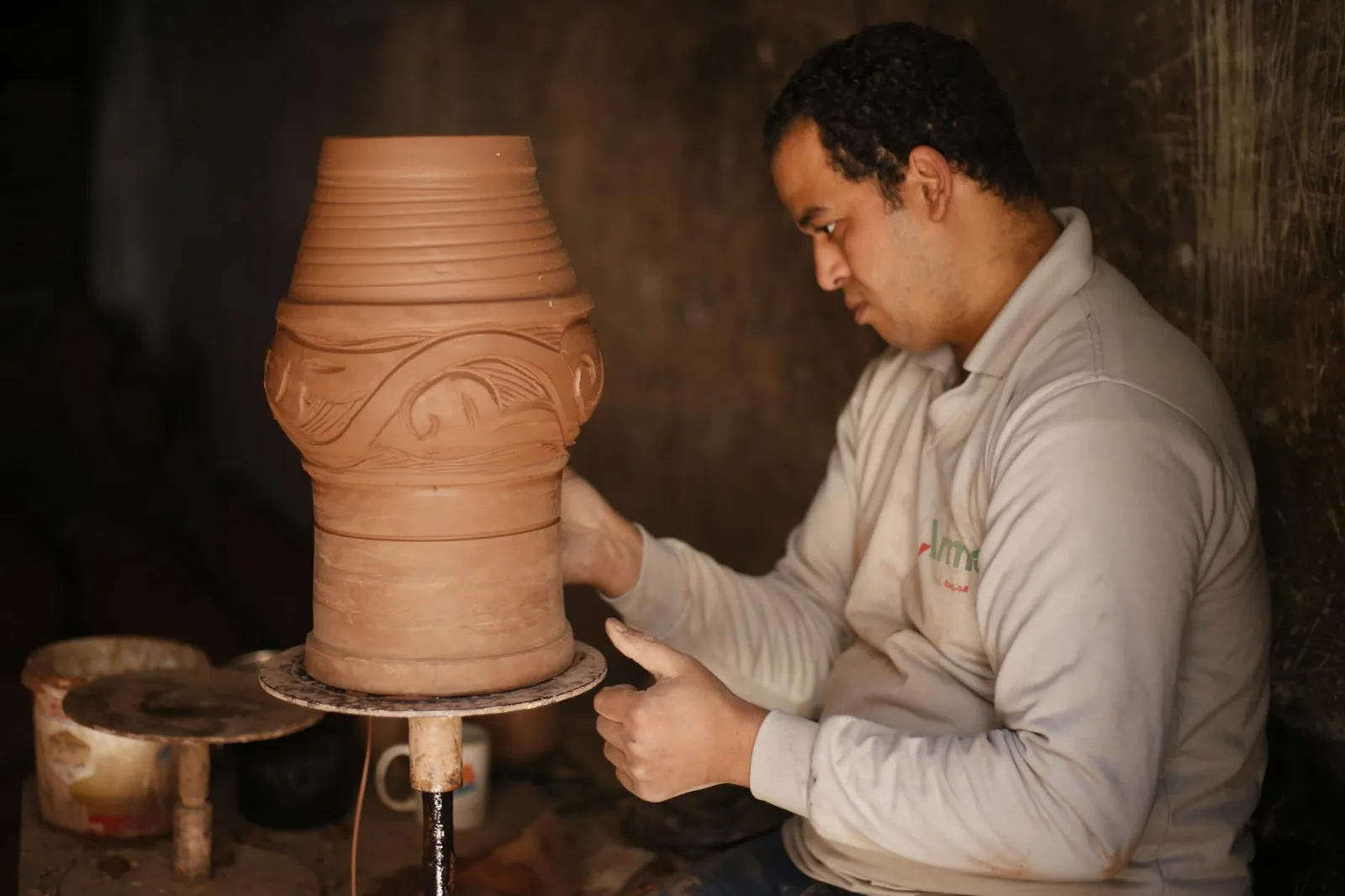
Local crafts in Cairo range from traditional pottery and weaving to intricate metalwork and leather goods. These crafts are not merely products; they embody the history and identity of the community. For example, a local potter may use techniques passed down through generations, each piece telling a story of its maker’s heritage.
Understanding the significance of these crafts involves recognizing their role in preserving cultural narratives. By engaging with artisans, you gain insights into their methods, the materials they use, and the cultural significance behind their work. This engagement fosters a deeper appreciation for the art and the artisans themselves.
Exploring Artisan Workshops
One of the best ways to experience Cairo’s living museums is by visiting artisan workshops. Here, you can see the creative process firsthand. For instance, consider visiting a traditional textile workshop in the historic district of Islamic Cairo. You might witness artisans hand-weaving colorful fabrics on looms, each thread representing a part of their cultural story.
Steps to Engage with Local Artisans
- Research Workshops: Before your visit, research which workshops are open to the public. Many artisans welcome visitors, offering demonstrations and explanations of their craft.
- Ask Questions: When you arrive, don’t hesitate to ask the artisans about their techniques, the history behind their work, and their personal stories. This interaction enriches your experience and provides valuable context.
- Participate: Some workshops may offer hands-on experiences where you can try your hand at a craft, such as pottery or weaving. This is not only fun but also gives you a deeper understanding of the skill involved.
Artisans as Storytellers
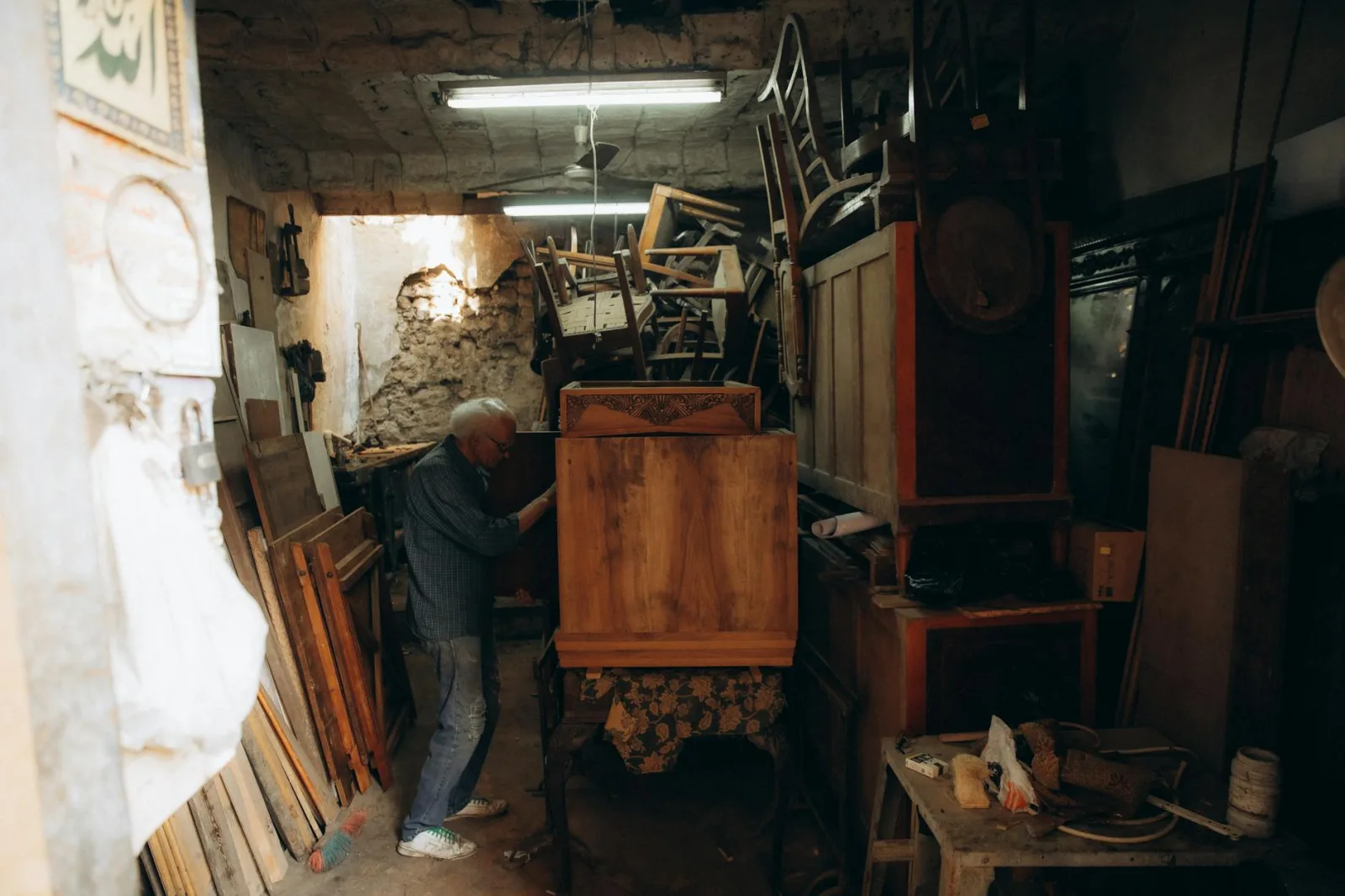
Artisans in Cairo often act as storytellers, sharing tales that connect their craft to the wider historical and cultural narratives of Egypt. For example, a woodworker might explain how the patterns carved into furniture reflect ancient Egyptian motifs, linking the present to a rich past. This storytelling aspect enhances your understanding of the craft and its significance within Egyptian culture.
The Role of Living Museums in Cultural Preservation
Living museums play a crucial role in cultural preservation by providing a platform for artisans to showcase their work. These spaces not only attract tourists but also educate locals about their heritage. They foster a sense of pride and ownership over cultural practices that may otherwise be forgotten.
Moreover, living museums often host workshops and events that encourage community involvement. By participating, you contribute to the preservation of these crafts while gaining firsthand experience of the cultural practices that define Cairo.
Visiting Notable Living Museums
Several living museums in Cairo are worth visiting to engage with local artisans:
- The Museum of Islamic Art: While primarily a museum, it often features workshops and demonstrations by local artisans, allowing you to see traditional crafts in action.
- Dar Al-Ma’mun: This cultural center focuses on the preservation of traditional crafts, offering a space for artisans to work and teach others. Here, you can engage with artists and participate in workshops.
- El-Hossainy Craft Village: Located in the heart of Cairo, this village is home to various artisans specializing in different crafts. You can explore shops and studios, interact with the artisans, and purchase unique handmade items.
Challenges Faced by Local Artisans
While engaging with local artisans can be rewarding, it’s important to recognize the challenges they face. Many artisans struggle with the impact of mass production and globalization, which threatens traditional crafts. As you learn about their work, consider supporting them by purchasing authentic handmade items rather than mass-produced alternatives.
Additionally, some artisans may have limited access to resources or markets to sell their crafts. Pro tip: when visiting, ask how you can support them beyond purchasing, whether through promoting their work or participating in community events.
Conclusion: Uncovering the Rich Tapestry of Cairo’s Artisans
Cairo’s living museums offer a unique lens through which to understand the city’s culture and history. By engaging with local artisans, you not only gain insight into their crafts but also contribute to the preservation of traditions that have shaped Egyptian identity for centuries. Remember, each interaction is an opportunity to learn, appreciate, and support the vibrant tapestry of Cairo’s artisan community.
As you plan your visit, keep in mind the importance of approaching these experiences with respect and curiosity. By doing so, you’ll deepen your understanding of Cairo and its rich cultural heritage.