





Understanding Cairo’s Local Legends
Cairo is a city steeped in history, where the past and present intertwine to create a vibrant cultural landscape. The local legends you encounter often reflect the values, fears, and aspirations of its people. These stories are not just tales; they serve as cultural touchstones that connect generations. To appreciate the depth of Cairo’s local legends, you’ll want to explore some of its most iconic neighborhoods, each with its own set of myths.
1. The Mystique of Al-Muizz Street
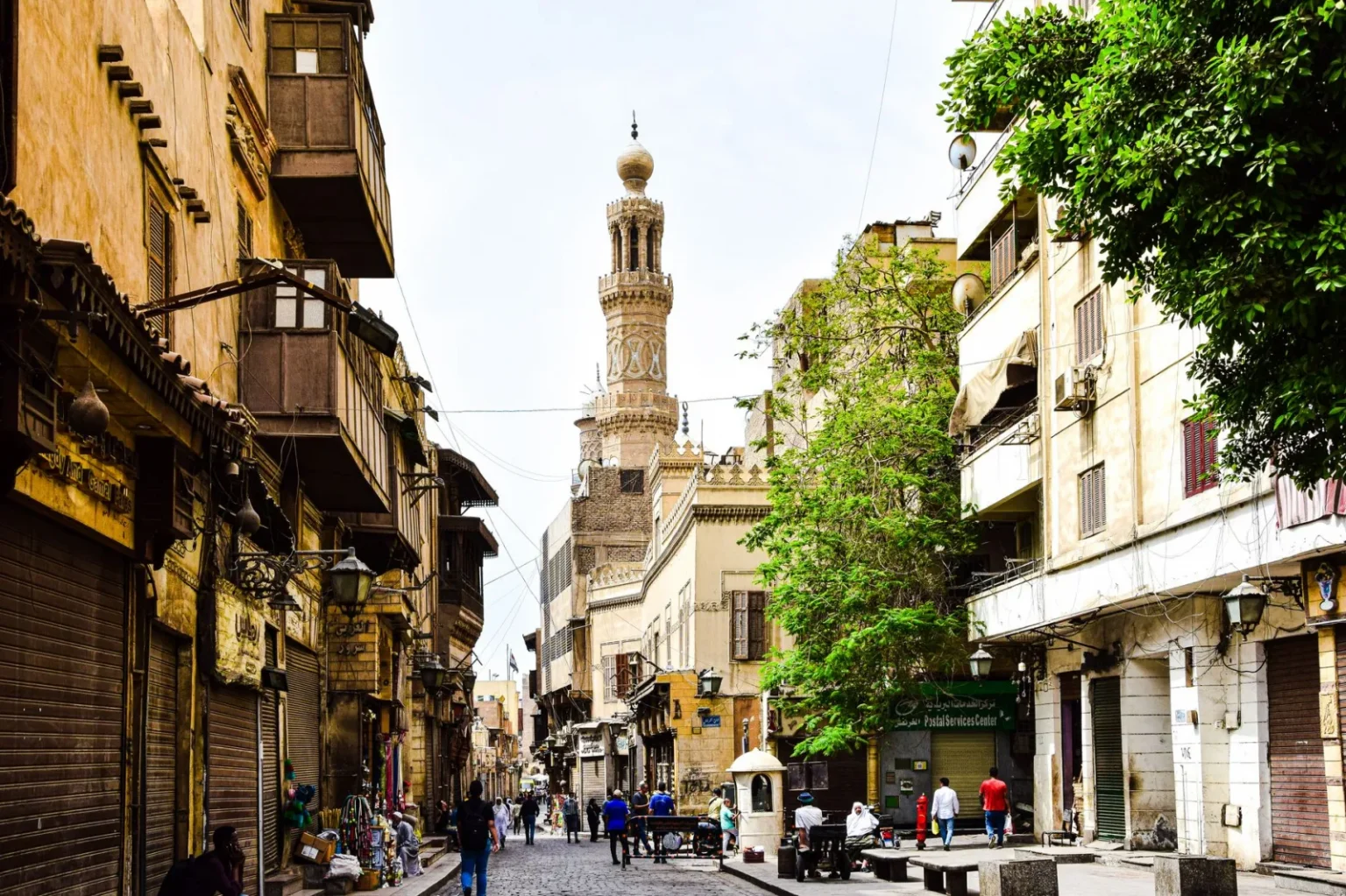
Al-Muizz Street, a UNESCO World Heritage Site, is one of the oldest streets in Cairo and is often regarded as the heart of Islamic Cairo. Walking down this historic street, you may hear whispers of the legendary figure known as the “Sultan of Shadows.” According to local myths, he was a benevolent spirit who watched over the inhabitants, ensuring their safety during the turbulent times of the Fatimid Caliphate. Many believe that if you leave a small offering at the foot of one of the ancient mosques, you might catch a glimpse of his spirit.

2. The Ghosts of the Citadel
Moving on to the Citadel of Saladin, you’ll encounter tales of ghostly figures roaming its expansive grounds. Locals say that the spirits of ancient warriors still guard the fortifications. A common practice involves visiting the Citadel at dusk, when the sun casts long shadows, and listening for whispers carried by the wind. Engaging with this haunting atmosphere not only enriches your understanding of the site but also connects you to the collective memory of Cairo’s past.
3. The Enigmatic Neighborhood of Zamalek
Zamalek, an upscale neighborhood on Gezira Island, is known for its lush gardens and colonial architecture. However, it also harbors a local myth about a hidden underground river said to run beneath the area. This river is believed to be a source of wisdom and is said to grant enlightenment to those who can find its entrance. Some locals even claim that the river flows under the iconic Cairo Opera House. While the existence of such a river is largely disputed, it reflects the community’s yearning for a deeper connection to their environment.
4. The Whispers of Old Cairo
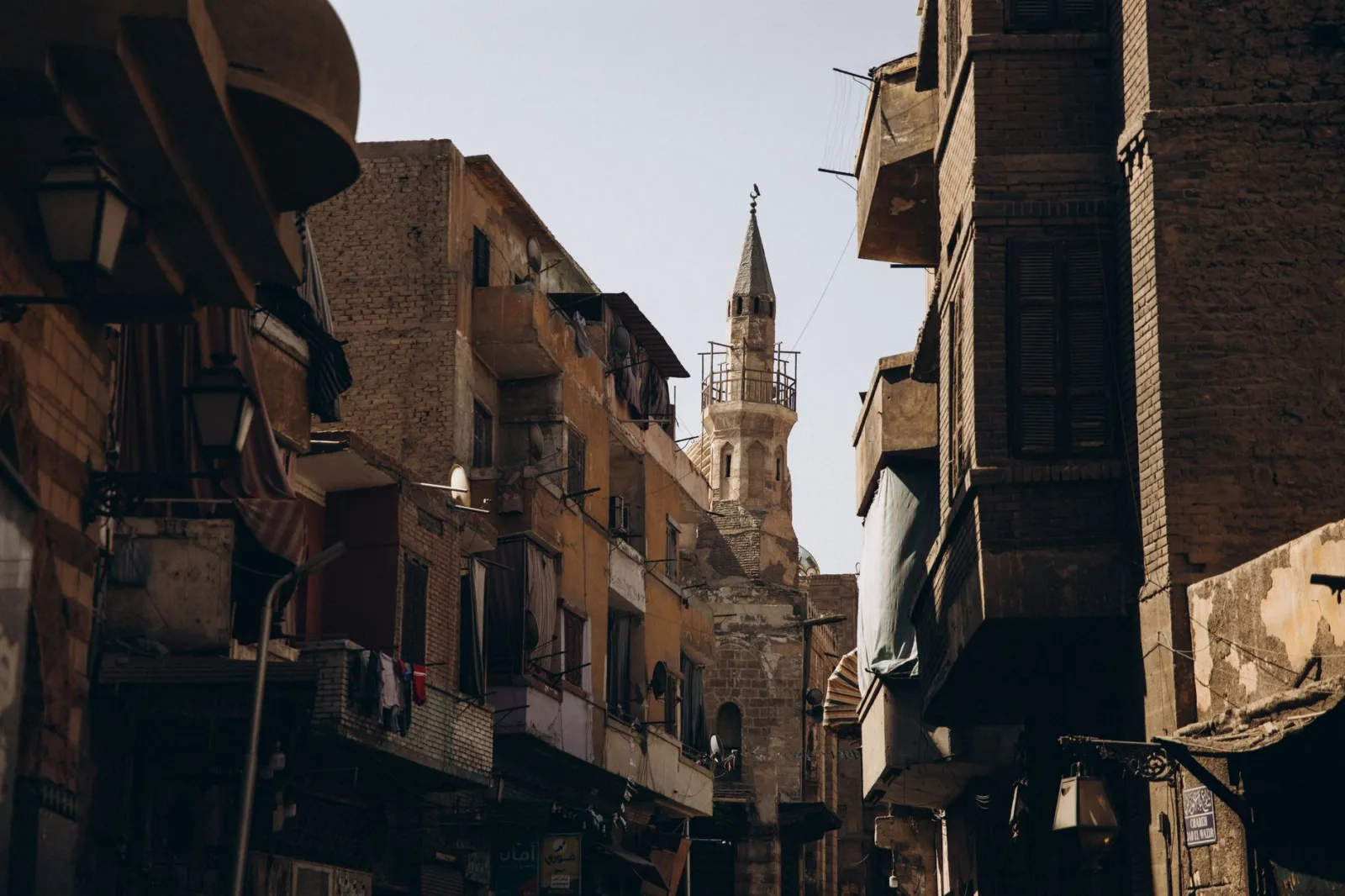
Old Cairo is a treasure trove of history, home to the Coptic Museum and several ancient churches. Among the vibrant stories that circulate in this area is that of the “Coptic Ghost.” This legend tells of a spirit that guides lost souls to safety within the labyrinthine streets of Old Cairo. Locals often recount experiences of feeling an unseen presence guiding them when they wandered too far from familiar paths. This myth encourages both residents and visitors to explore the area with a sense of curiosity and respect for its cultural heritage.
5. The Artisans of Khan El Khalili
Khan El Khalili is not only a bustling market but also a canvas of local myths surrounding its artisans. One story tells of a master craftsman whose spirit resides in the intricate designs of the jewelry sold in the market. Visitors are often advised to engage with the artisans, as many claim that the act of purchasing a handmade item can bring good fortune. Understanding this myth enriches your shopping experience, transforming it into a cultural exchange rather than a mere transaction.
6. The Curses of Cairo’s Towers
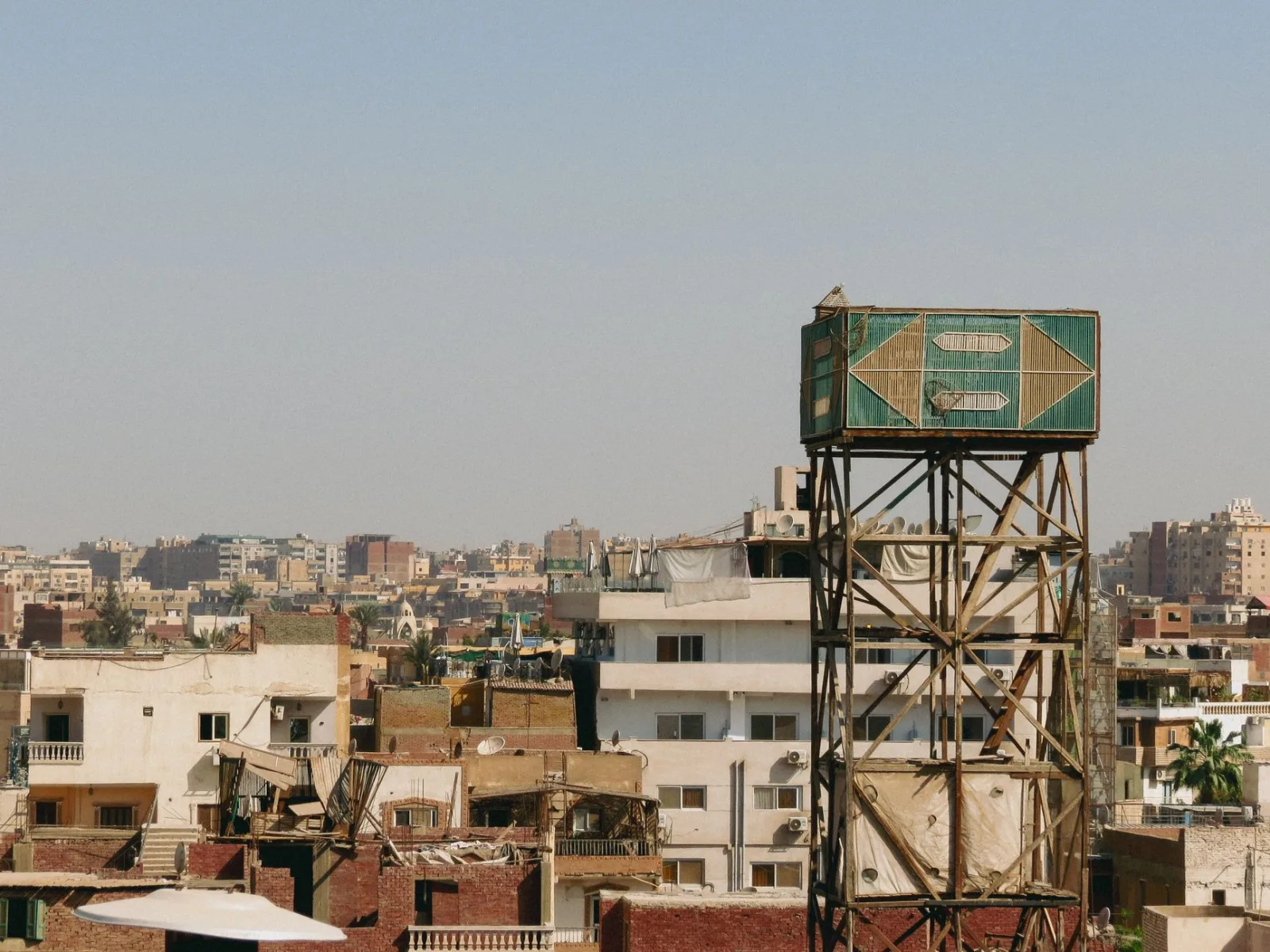
In Cairo, tales of curses often circulate around the city’s towers, particularly the famous Cairo Tower. Legend has it that a powerful sorcerer once cursed the tower, claiming that anyone who attempted to climb it with ill intentions would be doomed to wander the earth forever. Many locals still avoid discussing the tower’s lore openly, fearing the curse might affect them. This caution underlines the importance of intentions in Egyptian culture, where respect for the past is paramount.
7. Engaging with Local Myths
As you explore Cairo’s neighborhoods, engaging with local myths can enhance your experience. Here are a few practical steps to immerse yourself:
- Ask Locals: Don’t hesitate to approach residents and ask about the stories of their neighborhoods. Most will be eager to share.
- Participate in Local Festivals: Events often feature traditional tales and folklore. For instance, check out Cairo’s Forgotten Festivals to discover how local culture is celebrated.
- Visit Museums: Engage with artifacts and exhibits that illuminate the myths behind your surroundings.
- Document Your Journey: Keep a journal of the legends you encounter. This practice not only enriches your understanding but also allows you to reflect on the cultural narratives that shape Cairo.
Conclusion: Embracing Cairo’s Legends
Cairo’s local legends and myths are not merely fanciful stories; they embody the cultural identity and collective memory of its people. By exploring neighborhoods like Al-Muizz Street and Zamalek, you can gain a deeper appreciation for the city’s rich heritage. Remember, engaging with these tales allows you to experience Cairo beyond its tourist attractions, connecting you to the essence of local life. The next time you find yourself wandering the streets of Cairo, keep an ear open for the whispers of history and a heart open to the legends that await you.