





Understanding Cairo’s Traditional Music
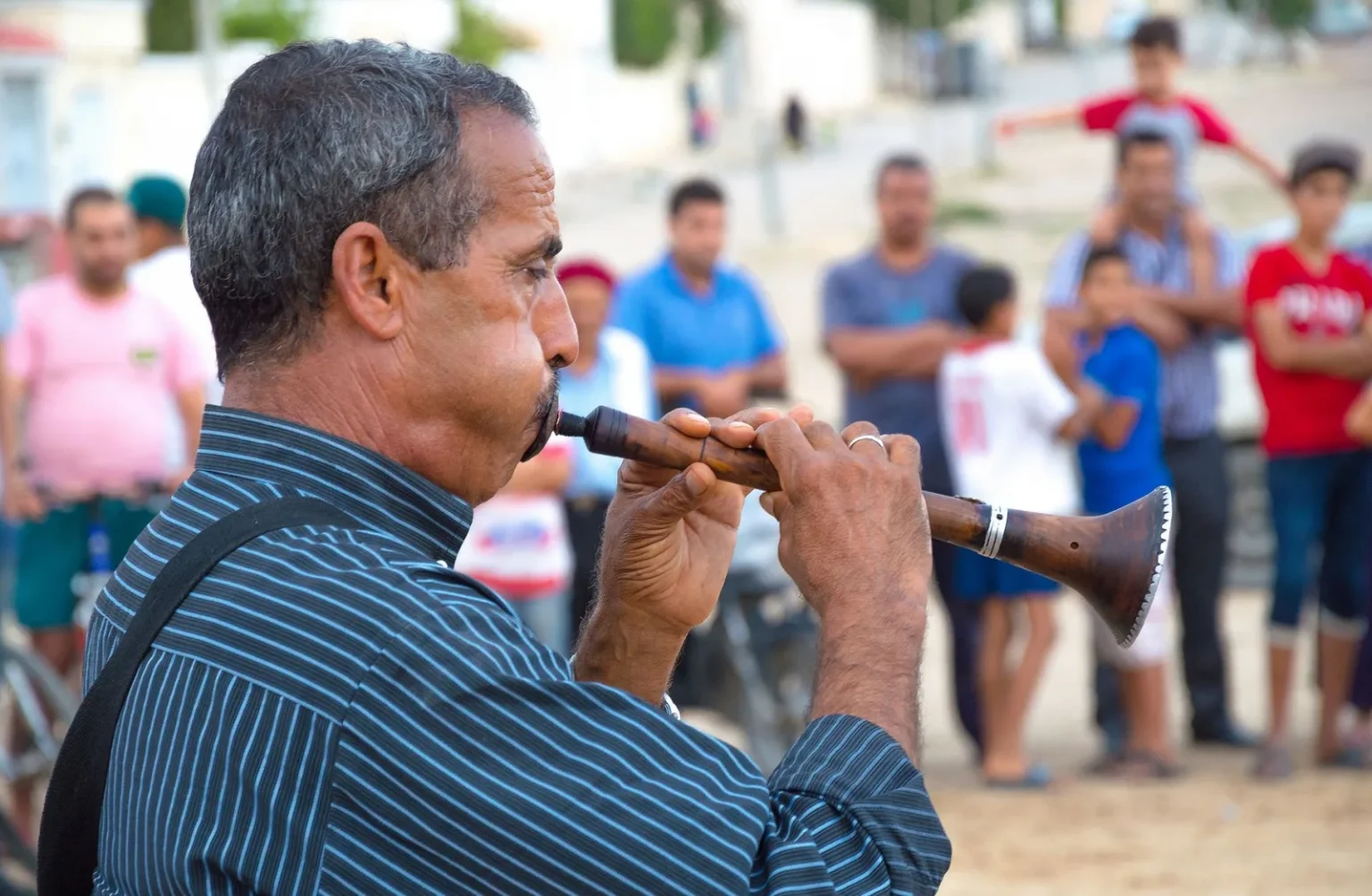
Cairo’s traditional music is a rich tapestry woven from various cultural influences. To appreciate this vibrant scene, you need to explore its historical roots and contemporary expressions. Traditional music in Cairo often draws from various genres, including folk, classical, and contemporary, each reflecting the city’s diverse heritage.
Key Genres in Cairo’s Traditional Music
Firstly, let’s explore some of the key genres that define Cairo’s music scene:
- Shaabi: This genre is often considered the voice of the people. It reflects everyday life and social issues, making it relatable to many. You might hear Shaabi music at weddings and street events, characterized by its upbeat rhythms and catchy lyrics.
- Maqqam: This is a modal system used in Arabic music, which is essential for performances. It establishes the mood of the music and allows for improvisation. Musicians often use Maqqam to showcase their skills.
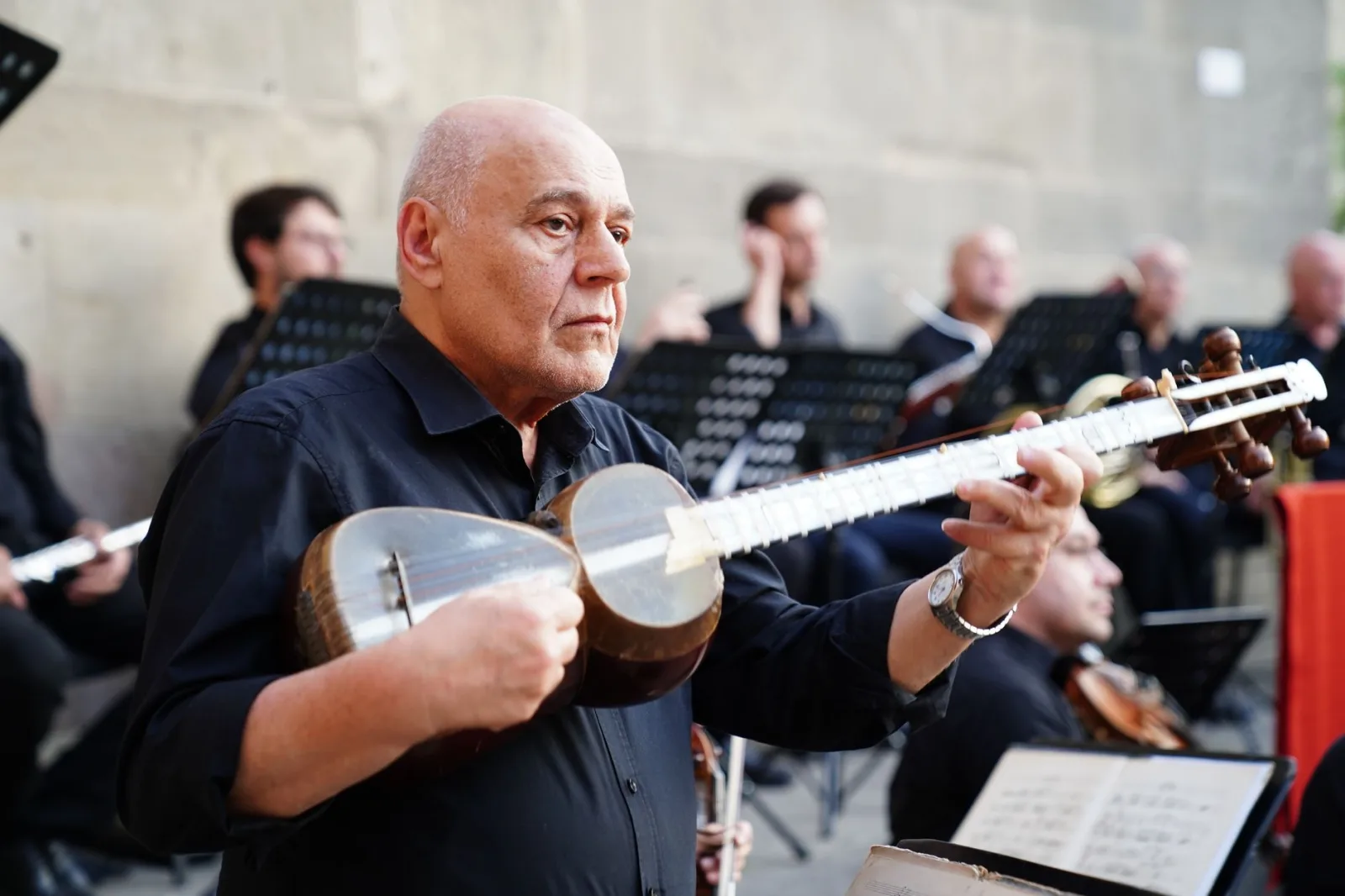
- Takht: A traditional ensemble that usually includes instruments like the oud, qanun, and violin. The Takht often performs at cultural events and offers a more classical experience.
The Instruments of Cairo’s Traditional Music
Understanding the instruments used in Cairo’s traditional music can enhance your appreciation of the sounds. Here are some key instruments:
- Oud: A string instrument similar to a lute, the oud is central to Arabic music. Its deep, resonant tones are crucial for both solo performances and accompaniment.
- Qanun: A type of zither, the qanun adds a unique texture to the music. Its ability to produce complex melodies makes it a favorite in both traditional and contemporary settings.
- Riq: A type of tambourine, the riq provides rhythmic support and is often used in folk music ensembles.
Where to Experience Cairo’s Traditional Music
To truly experience Cairo’s traditional music, visit local venues where these sounds come alive. Here are some recommendations:
- Al-Azhar Park: This park often hosts live music events featuring traditional artists. The ambiance is perfect for enjoying local sounds.
- Cairo Opera House: For a more formal experience, attend a performance at the Opera House, which showcases both traditional and contemporary works.
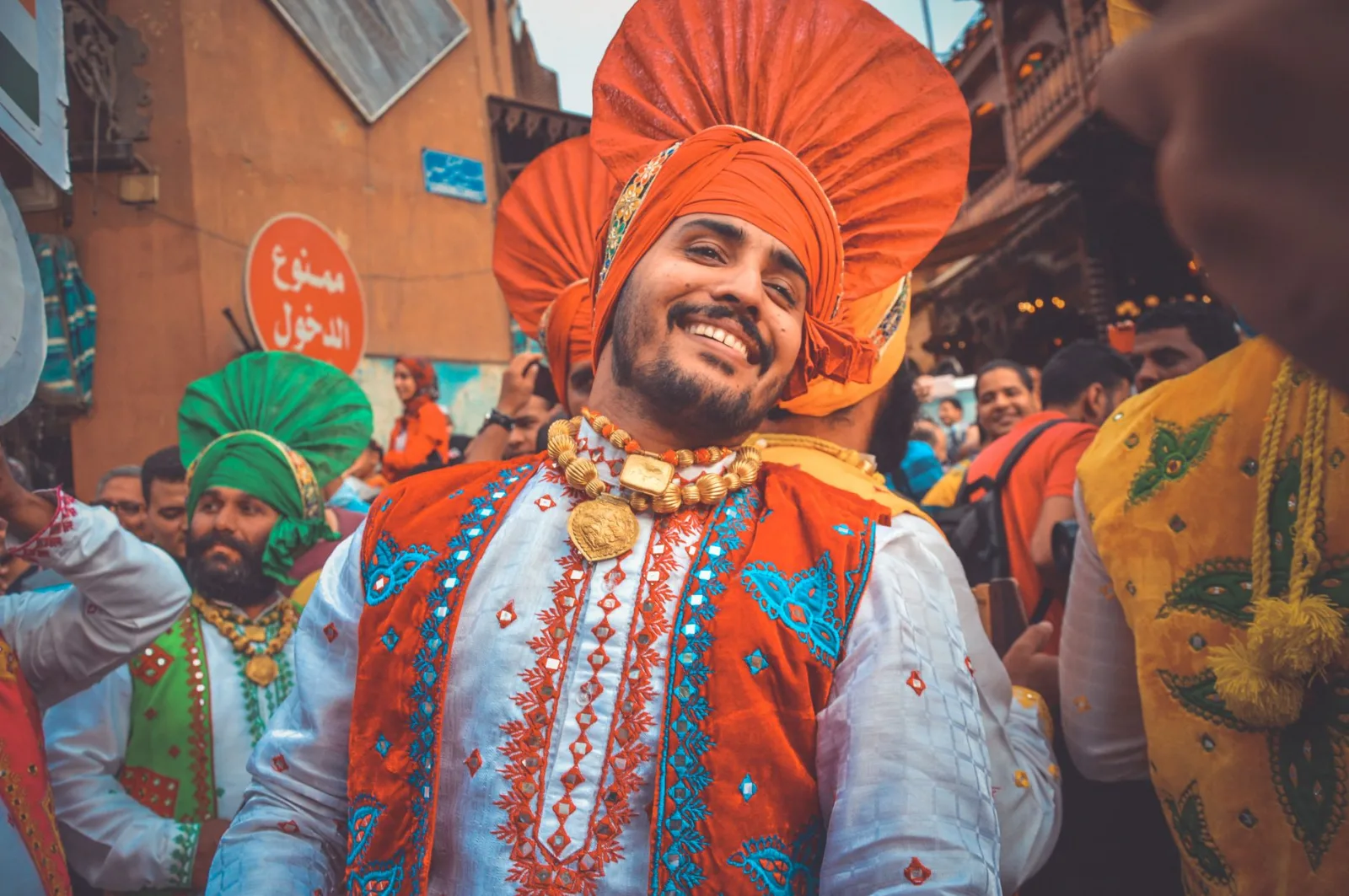
- Street Performances: Don’t miss out on the spontaneous performances in neighborhoods like Khan El Khalili. Here, local musicians often play for passersby, offering a genuine taste of the city’s soundscape.
The Cultural Significance of Traditional Music
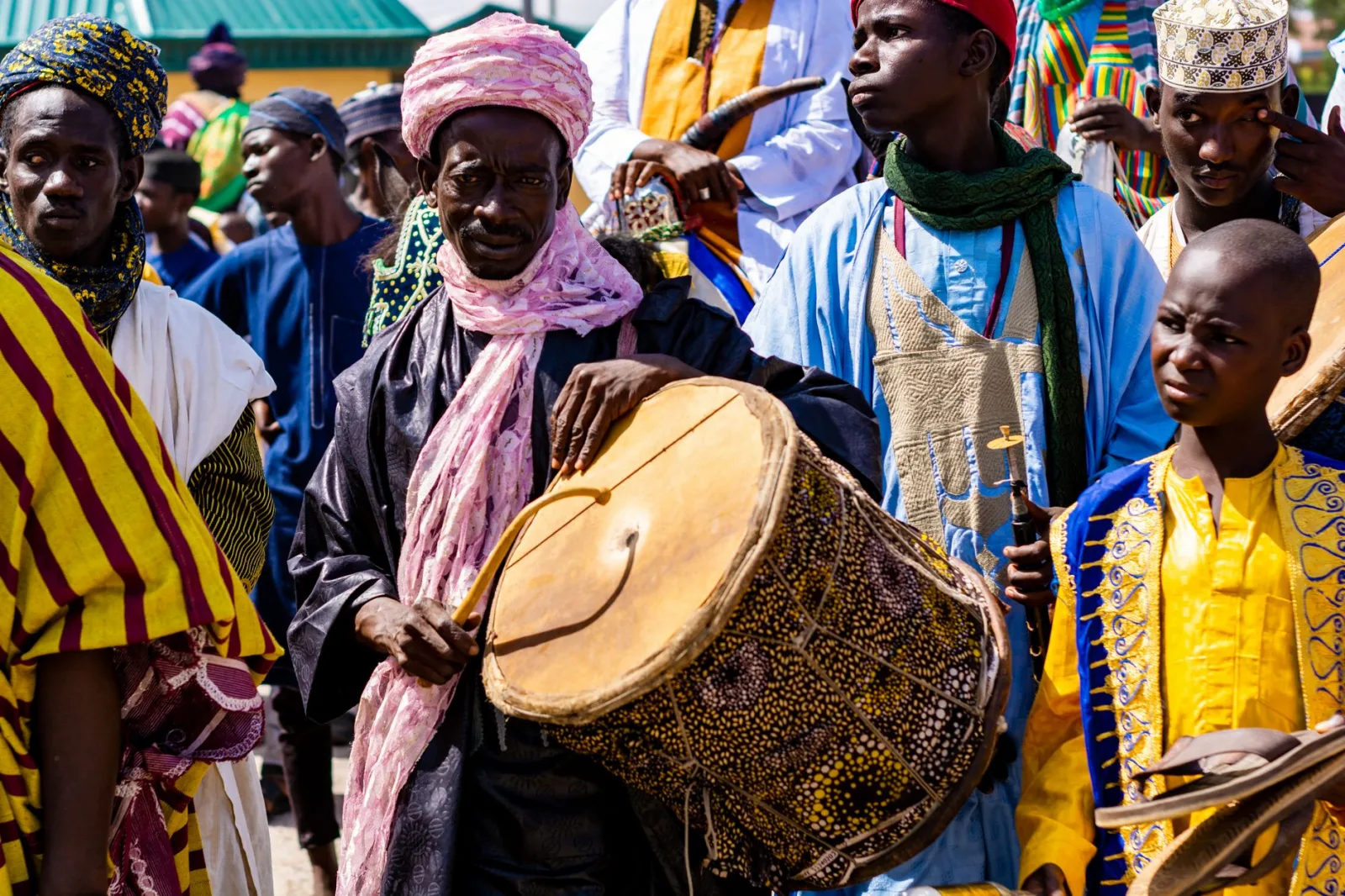
Cairo’s traditional music goes beyond mere entertainment; it embodies the city’s cultural identity. It serves as a medium for storytelling, social commentary, and communal bonding. Understanding this significance can deepen your connection to the music:
- Storytelling: Many songs recount historical events or local legends, preserving the city’s collective memory.
- Social Commentary: Traditional music often addresses current social issues, making it a powerful tool for expression.
- Community Identity: Participating in music events fosters a sense of belonging and cultural pride among locals.
Learning Traditional Music in Cairo
If you’re interested in diving deeper into Cairo’s traditional music, consider taking lessons. Here’s how you can get started:
- Find a Local Instructor: Many musicians offer private lessons. Look for recommendations online or ask locals for guidance.
- Join a Community Group: Engage with cultural groups that focus on traditional music. This is a great way to meet like-minded individuals and learn together.
- Attend Workshops: Many cultural centers host workshops that provide hands-on experience with traditional instruments.
Key Takeaways
Exploring Cairo’s traditional music scene unveils a world rich in cultural significance and local sounds. From the lively Shaabi to the intricate Maqqam, each genre offers insights into the city’s diverse heritage. By engaging with local musicians, attending performances, and even learning an instrument, you connect with Cairo’s vibrant identity. As you immerse yourself in this experience, remember that traditional music is not just about the sound; it’s a reflection of the people and their stories.