




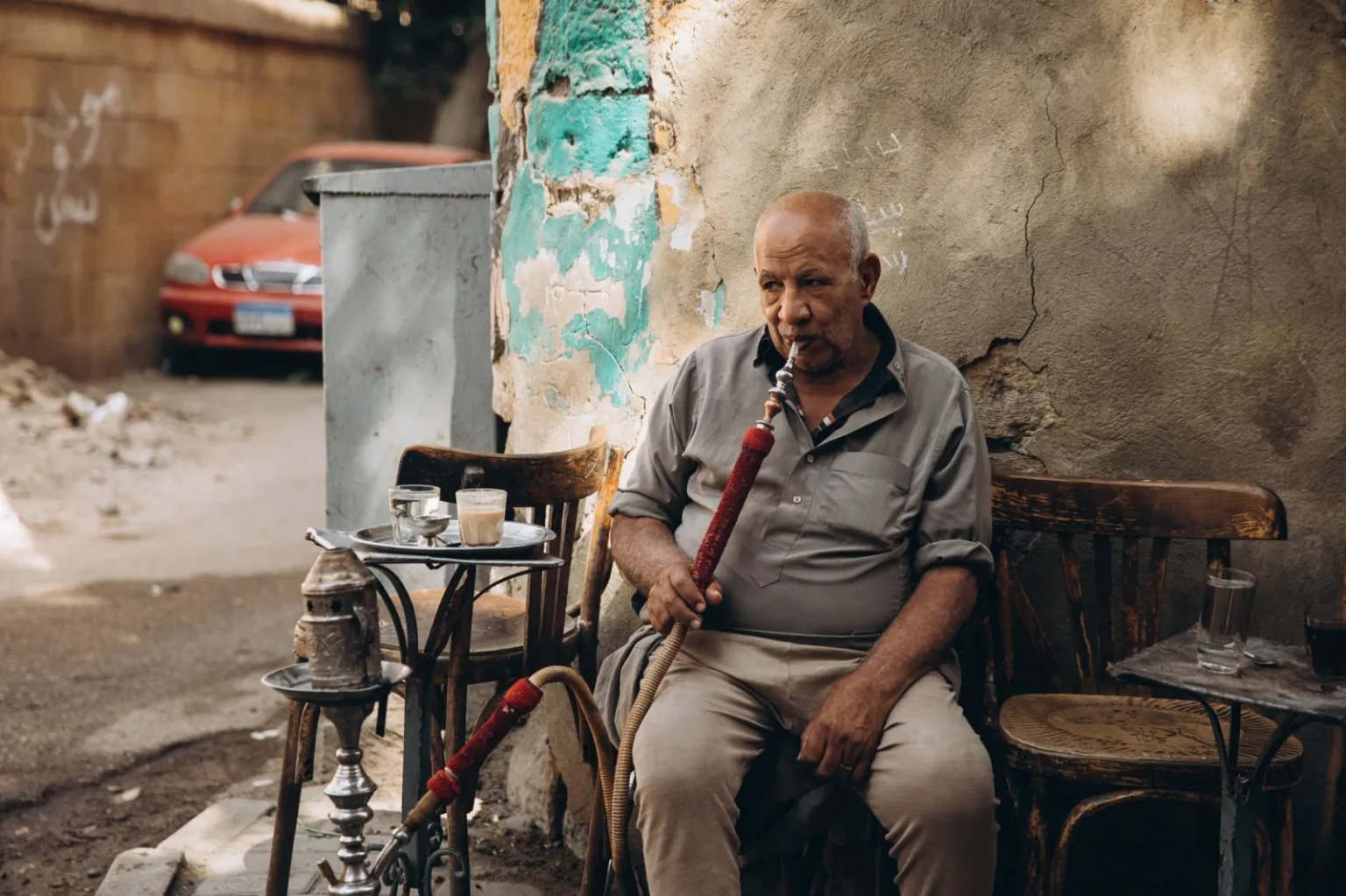

The Heart of Cairo: Coffee Houses as Social Spaces
Cairo’s coffee houses, or “cafes,” are more than just places to enjoy a cup of coffee; they are vibrant social hubs that foster community interaction and cultural exchange. These establishments are deeply woven into the fabric of Egyptian society, serving as gathering spots for friends, families, and even strangers. Here, you can engage in conversations, play games, or simply enjoy the ambiance while sipping on traditional beverages.
- The Heart of Cairo: Coffee Houses as Social Spaces
- Historical Context: How Coffee Houses Evolved in Cairo
- The Role of Coffee Houses in Everyday Life
- Cultural Traditions and Coffee House Etiquette
- Artisan Coffee: A Craft to Appreciate
- Community and Connection: The Social Fabric of Coffee Houses
- Challenges and Changes: The Future of Coffee Houses in Cairo
- Conclusion: The Cultural Significance of Coffee Houses in Cairo
Historical Context: How Coffee Houses Evolved in Cairo
To understand the cultural significance of Cairo’s coffee houses, it’s important to look at their historical context. The first coffee houses appeared in the Middle East in the 15th century, but it wasn’t until they reached Cairo in the 16th century that they began to flourish. Initially, these venues served as spaces where people could gather to drink coffee and listen to music, poetry, or storytelling.
Over the centuries, they evolved into centers of social life, often becoming venues for political discussions and intellectual debates. This rich history contributes to their current status as essential social spaces where ideas can flow freely. For instance, during the 2011 Egyptian revolution, many coffee houses became informal meeting points for activists and citizens seeking change.
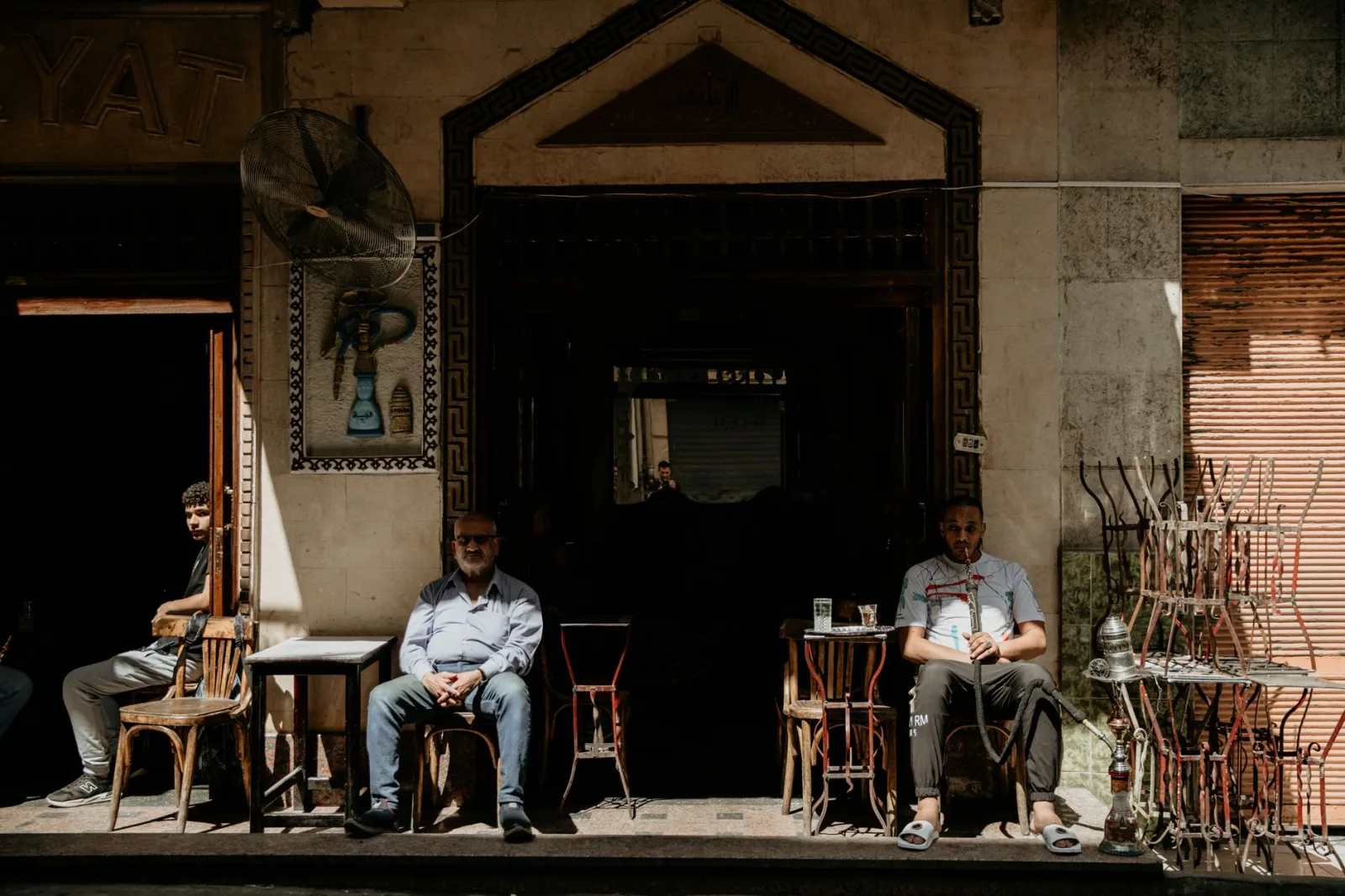
The Role of Coffee Houses in Everyday Life
In Cairo today, coffee houses play a crucial role in everyday life. They are places where people of all ages come together, transcending social and economic barriers. Whether you are a university student cramming for exams or an elderly man discussing politics, you will likely find a spot in a coffee house that suits your needs.
Pro tip: If you visit a Cairo coffee house, try striking up a conversation with the locals. They often appreciate the interest and may share insights about their daily lives, enriching your travel experience.
Cultural Traditions and Coffee House Etiquette
Visiting a coffee house in Cairo is not just about sipping coffee; it involves understanding certain cultural traditions and etiquette. For example, it is customary to order a small cup of Turkish coffee or a refreshing mint tea. Additionally, you may see patrons enjoying shisha, or water pipes, which are often shared among friends.
Important note: When in a coffee house, it is considered polite to greet those around you and engage in small talk. This fosters a sense of community and connection. Moreover, be aware that many coffee houses have a laid-back atmosphere; rushing through your visit can be viewed as impolite.
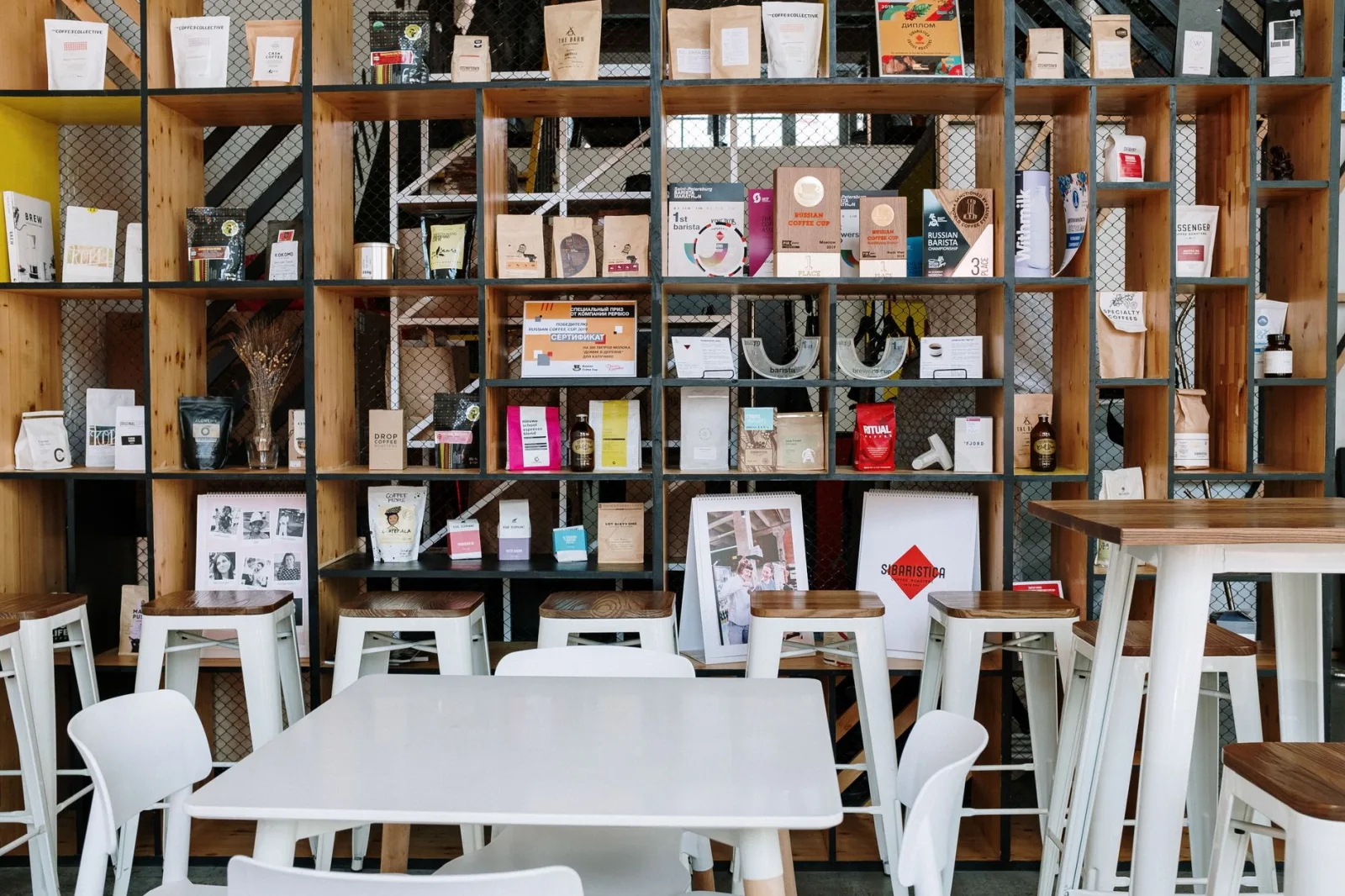
Artisan Coffee: A Craft to Appreciate
One aspect that sets Cairo’s coffee houses apart is the emphasis on artisan coffee. Many establishments take pride in sourcing high-quality beans and employing traditional brewing methods that enhance the flavor and aroma of the coffee. This approach has led to a growing culture of appreciation for coffee, akin to what you might find in specialty coffee shops around the world.
If you’re interested in learning more about the craft behind your brew, consider visiting some of Cairo’s hidden coffee artisan workshops. These workshops often provide insights into the meticulous process of coffee-making, from bean selection to brewing techniques. You may even get to participate in a tasting session!
Community and Connection: The Social Fabric of Coffee Houses
Beyond serving coffee, these establishments are vital in creating community bonds. Regular patrons often form friendships that extend beyond the coffee house walls. In this way, coffee houses contribute to a sense of belonging and identity among locals.
Common mistake: Tourists sometimes overlook these social spaces, opting instead for more commercialized cafes. However, immersing yourself in a local coffee house can provide a richer understanding of Cairo’s vibrant culture. You might find that the best stories and experiences come from engaging with the locals.

Challenges and Changes: The Future of Coffee Houses in Cairo
While coffee houses remain popular, they face challenges in adapting to modern trends. The rise of social media and technology means that many young people are drawn to cafes that offer Wi-Fi and a more contemporary atmosphere. Some traditional coffee houses struggle to maintain their clientele as preferences shift.
On the other hand, this also opens up opportunities for innovation. Some coffee houses are blending traditional practices with modern aesthetics, creating spaces that appeal to both locals and tourists. As a traveler, you can support these evolving spaces by choosing to visit coffee houses that respect their heritage while embracing change.
Conclusion: The Cultural Significance of Coffee Houses in Cairo
In summary, Cairo’s coffee houses are integral to the city’s cultural landscape, serving as social spaces that foster community, tradition, and connection. Their historical significance, coupled with their role in everyday life, makes them much more than mere establishments for coffee.
As you explore Cairo, take the time to immerse yourself in these vibrant spaces. Engage with locals, try traditional beverages, and appreciate the craftsmanship behind artisan coffee. By doing so, you will gain a deeper understanding of the social fabric that defines this captivating city.
Key takeaways:
- Cairo’s coffee houses are rich in history and cultural significance.
- They play a vital role in fostering community and social interaction.
- Understanding local etiquette enhances the experience.
- Artisan coffee culture is thriving, offering unique tasting opportunities.
- Support traditional coffee houses while embracing modern changes.