




Understanding the Importance of a Travel Safety Plan
Before you embark on your journey, it’s essential to recognize that a travel safety plan is more than just a precaution; it is your roadmap to ensuring a secure and enjoyable experience. Think of it as a safety net that catches you before you fall into unforeseen circumstances. By taking the time to plan ahead, you can significantly reduce risks and make informed decisions during your travels.
- Understanding the Importance of a Travel Safety Plan
- Step 1: Research Your Destination
- Step 2: Create a Personal Security Profile
- Step 3: Develop a Communication Plan
- Step 4: Plan for Health and Safety
- Step 5: Secure Your Belongings
- Step 6: Stay Informed During Your Trip
- Step 7: Evaluate Your Safety Plan Regularly
- Conclusion: Key Takeaways for Your Travel Safety Plan
Step 1: Research Your Destination
Firstly, gather information about your destination. This includes understanding the local laws, cultural norms, and any travel advisories issued by your government. Websites like the U.S. State Department or the equivalent in your country provide updated safety information. Additionally, consider factors such as the political climate, health risks, and natural disasters that might affect your trip.
For example, if you’re planning to visit a country with a history of civil unrest, it may not be the best time to go. Similarly, some regions may have specific health risks, such as dengue fever or Zika virus, which could influence your travel plans. By being aware of these factors, you can tailor your travel safety plan accordingly.
Step 2: Create a Personal Security Profile
Your personal security profile should include your risk tolerance and preferences. Consider questions like: How comfortable are you navigating unfamiliar environments? Do you prefer to stay in tourist areas or explore off the beaten path? Understanding your comfort level will help you make informed decisions about your accommodations, transportation, and daily activities.
For instance, if you are apprehensive about public transportation in a new city, you might choose to book private transfers instead. Conversely, if you enjoy meeting locals, using public transport may be an ideal choice, but ensure you are familiar with the routes and schedules.
Step 3: Develop a Communication Plan
Next, establish how you will communicate while traveling. Important note: not all destinations have reliable mobile service or Wi-Fi. Therefore, consider purchasing a local SIM card or an international data plan. Make sure your family or friends know your itinerary and how to reach you in case of an emergency.
Also, download essential apps that can aid communication, such as messaging services that work offline or translation apps if you’re traveling to a non-English speaking country. For example, if you are heading to Italy, learning a few essential Italian phrases can enhance your experience and help you navigate challenges more effectively. Check out our guide on essential Italian phrases for travelers.
Step 4: Plan for Health and Safety
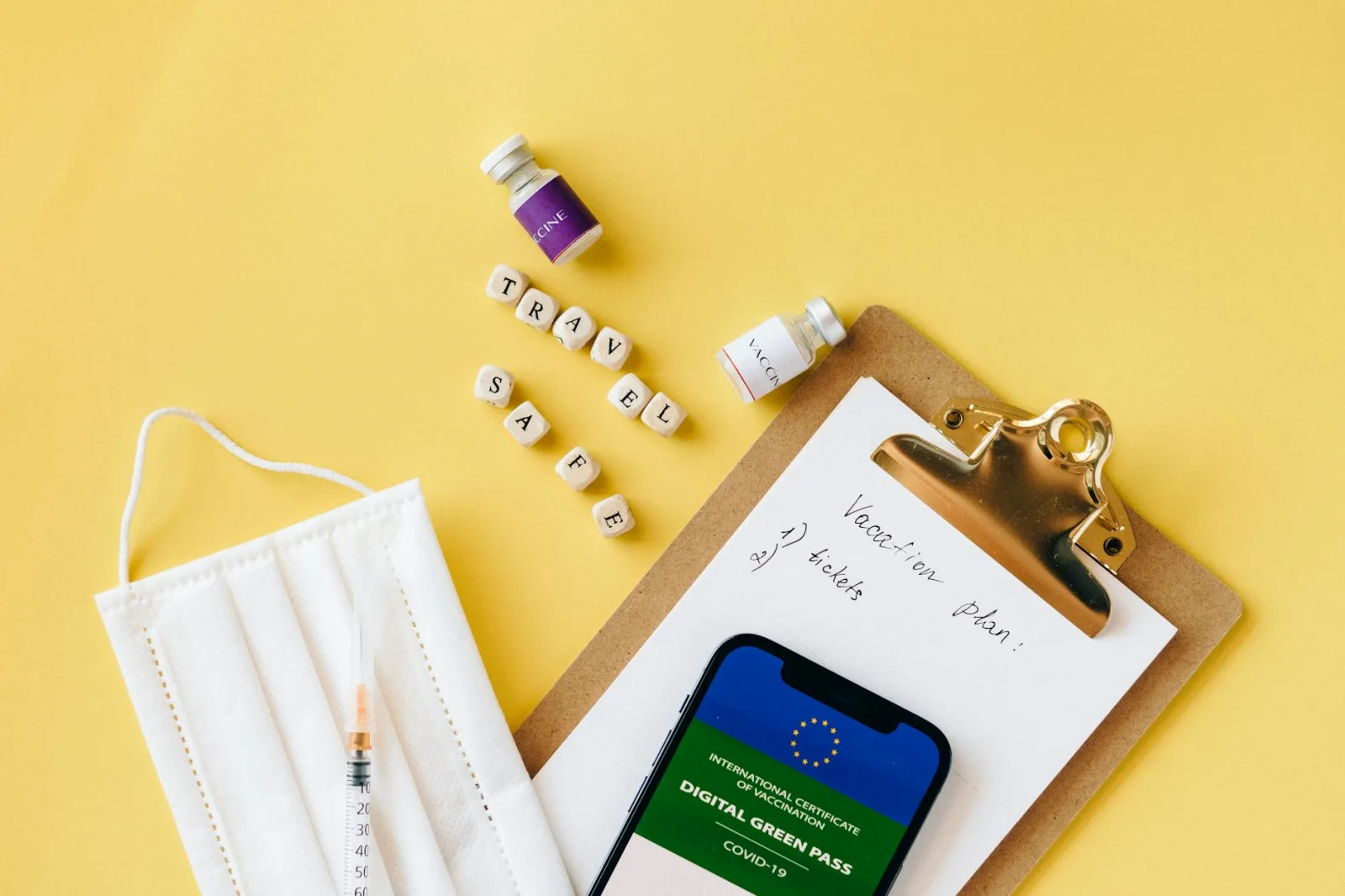
Your health should be a top priority while traveling. Research any required vaccinations or medications you may need before your trip. This is particularly crucial for destinations with specific health risks. For instance, if you are traveling to certain parts of Africa or South America, you might need vaccinations against yellow fever or malaria prophylaxis.
Additionally, pack a travel health kit that includes basic medications, first-aid supplies, and any prescription medications you may need. It’s advisable to carry a copy of your prescriptions, especially if you’re taking controlled substances. Pro tip: Always check the legality of bringing your medications into your destination country.
Step 5: Secure Your Belongings
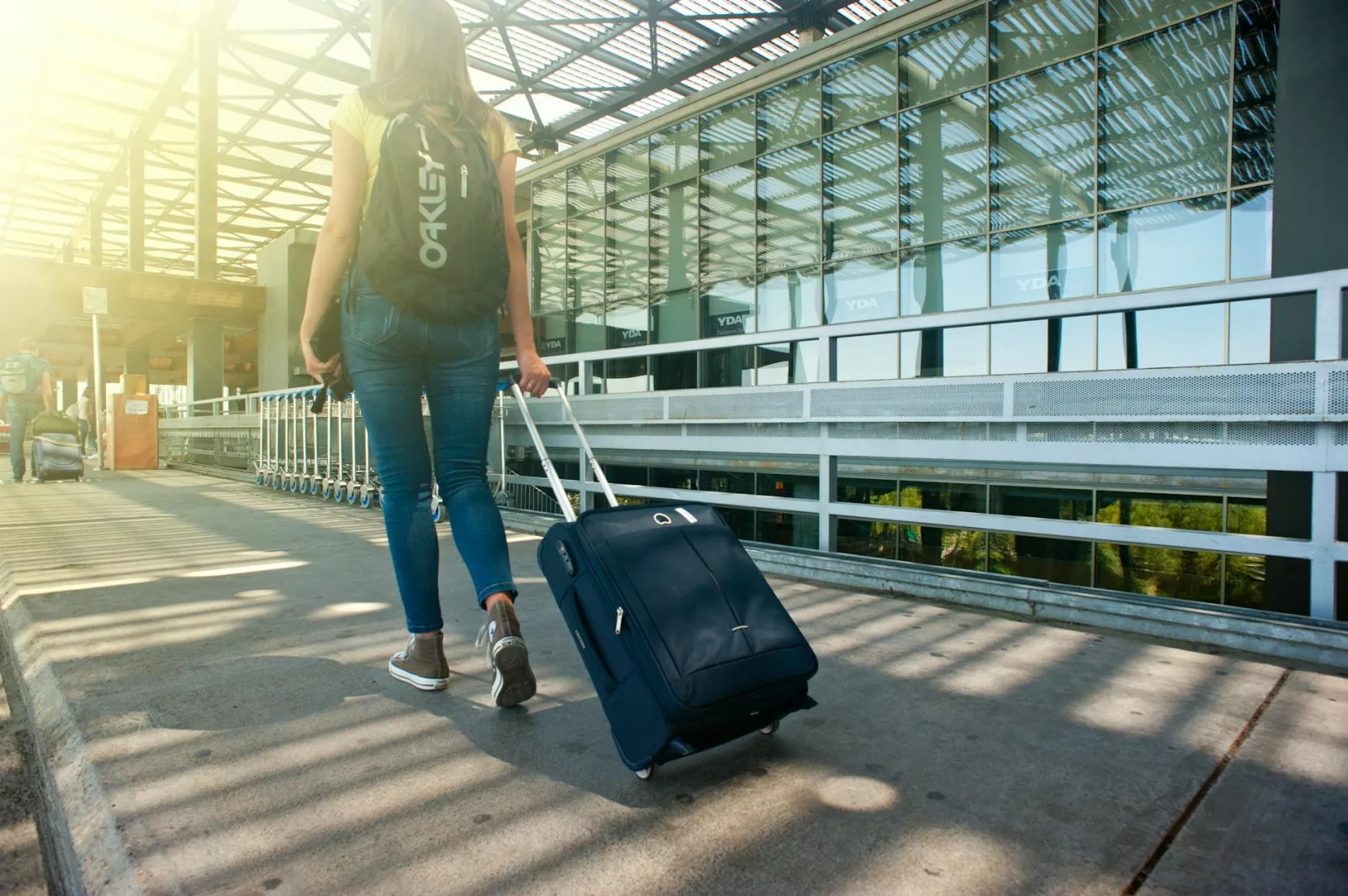
When traveling, protecting your belongings is essential. Start by using anti-theft bags that deter pickpockets. When in crowded areas—like markets or public transportation—ensure your bag is secure and keep your valuables out of sight. Consider using a money belt or hidden pouch for important items like your passport and cash.
Moreover, it’s wise to make digital copies of important documents. Store them in a secure cloud service or email them to yourself. This way, if something gets lost or stolen, you can access your information easily. Warning: Avoid keeping all your cash in one place; spread it out between different bags or pockets to mitigate losses.
Step 6: Stay Informed During Your Trip
Once you arrive at your destination, stay informed about your surroundings. Follow local news and updates that may impact your safety. This could include weather warnings, civil disturbances, or health advisories. It’s also beneficial to connect with other travelers or locals to gain insights about safe places to visit and areas to avoid.
For example, if you’re in a city known for its nightlife, ask locals for recommendations on safe venues and transportation options. Additionally, consider using travel forums or social media groups dedicated to your destination to stay updated on real-time experiences shared by others.
Step 7: Evaluate Your Safety Plan Regularly
Your travel safety plan should be a living document that evolves with your experiences. After each trip, take the time to review what worked well and what didn’t. Did you feel secure in your accommodations? Were there any situations that made you feel uncomfortable? Collecting this feedback will help you refine your approach for future travels.
For instance, if you found that your communication plan wasn’t effective, consider adjusting your strategy or incorporating new tools for your next trip. Continuous improvement will enhance your travel security and comfort.
Conclusion: Key Takeaways for Your Travel Safety Plan
Creating a customized travel safety plan is a proactive way to ensure your trip runs smoothly. By researching your destination, developing a personal security profile, establishing a communication plan, focusing on health and safety, securing your belongings, staying informed, and regularly evaluating your plan, you can enhance your travel experience. Remember, the goal is not to instill fear but to empower you with knowledge and preparedness. Safe travels!