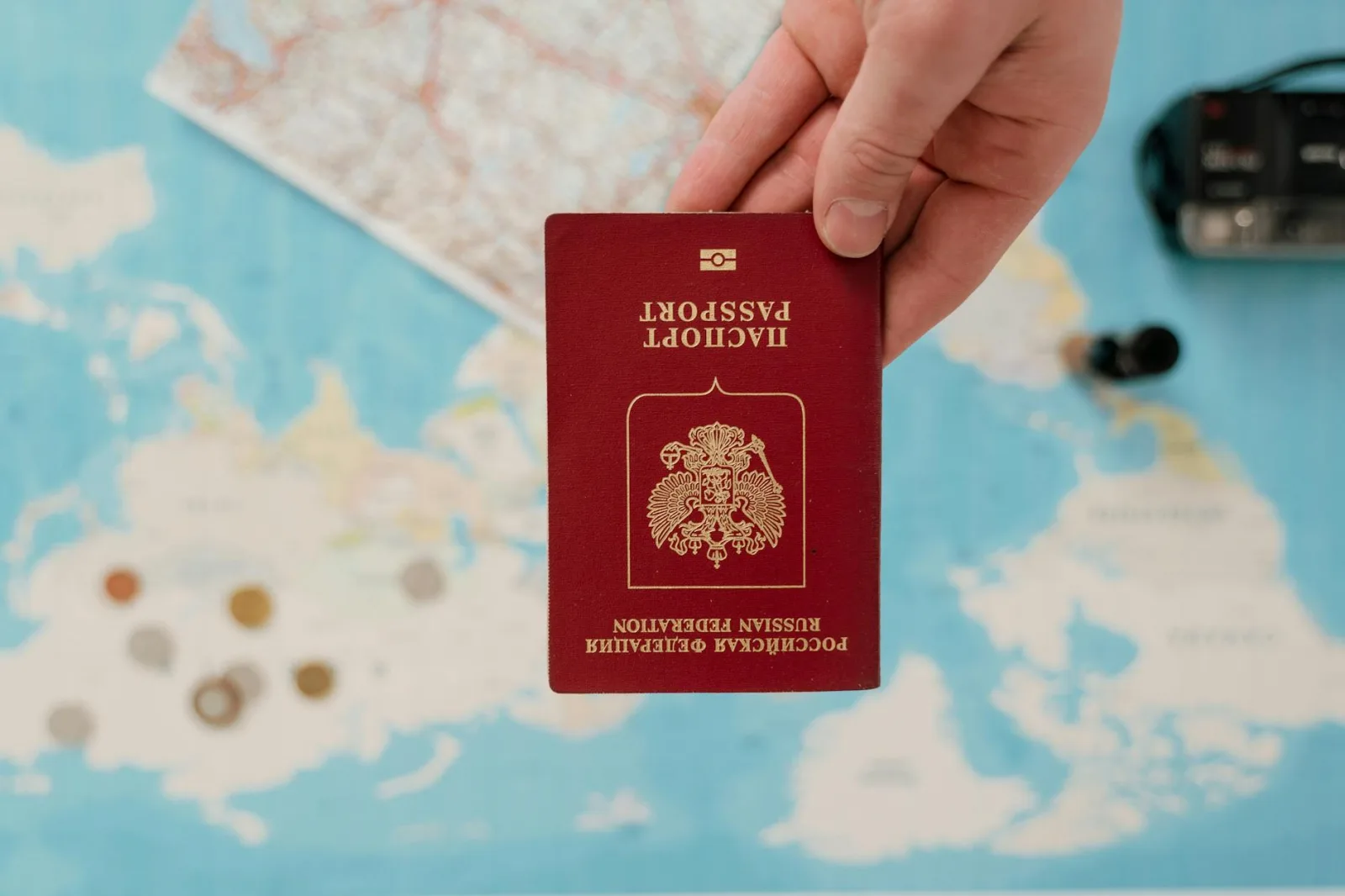
A flexible travel itinerary allows you to explore new places while maintaining a loose structure. This approach is essential for adapting to unforeseen circumstances or spontaneous opportunities that may arise during your trip. Think of it as having a roadmap where you can take detours without losing your way.
Before crafting your itinerary, consider what you want to achieve during your travels. Are you looking to relax, explore local culture, or engage in adventure activities? Recognizing your goals helps you determine where to allocate your time. For example, if your primary goal is cultural immersion, you may want to spend more time in local markets and less on tourist attractions.
📷 Daniel Dan – Pexels
Step 2: Choose a Destination with Room for Flexibility
Some destinations naturally lend themselves to a flexible itinerary more than others. For instance, cities like Rome or Barcelona offer numerous attractions and experiences within a short distance, making it easier to adapt your plans as you go. Consider destinations that have a rich local culture, varied activities, and accessible transportation options.
Step 3: Outline Your Must-See Attractions
While flexibility is key, it’s wise to outline a few must-see attractions or experiences that align with your travel goals. This provides a framework for your trip without rigidly binding you to a schedule. For example, if you’re visiting Paris, you might prioritize the Louvre and a Seine River cruise while leaving other days open for spontaneous exploration.
Step 4: Build in Free Time
Free time is essential for spontaneous travel planning. Ensure your itinerary includes blocks of unplanned time where you can wander or rest. This might mean setting aside entire afternoons or even whole days without a specific agenda. An effective way to approach this is by scheduling one or two activities in the morning and leaving the rest of your day open.
📷 Gustavo Fring – Pexels
Step 5: Use Technology Wisely
In today’s digital age, technology can help you maintain flexibility in your travel plans. Use apps that provide real-time information about local events, dining options, and transportation. For instance, if you discover a local festival or a concert happening nearby, you can easily adjust your plans to include it. Also, consider downloading offline maps to help you navigate without relying on internet access.
Step 6: Stay Open to New Experiences
Flexibility in your itinerary also means being open to new experiences that may not have been on your radar. This could involve chatting with locals who might recommend hidden gems or spontaneous day trips. For example, if you meet someone who tells you about a nearby ghost town, like Craco in Southern Italy, you might decide to explore it instead of sticking to your original plans. Embracing these moments can lead to some of the most memorable travel experiences.
📷 Tima Miroshnichenko – Pexels
Step 7: Reflect on Your Choices
As you travel, regularly assess how your itinerary is working for you. Are you feeling overwhelmed or bored? Adjustments can be made at any time. If you find that a certain activity isn’t fulfilling, don’t hesitate to swap it out for something more appealing. Remember, the goal is to balance structure with spontaneity, ensuring you enjoy your trip to the fullest.
Common Mistakes to Avoid
As you design your flexible travel itinerary, be mindful of common pitfalls. One common mistake is over-scheduling activities, which can lead to burnout. It’s crucial to remember that travel is about enjoyment, not merely ticking off items on a list. Important note: While it can be tempting to plan every detail, leaving some parts of your itinerary open will enhance your experience.
Final Thoughts on Crafting Your Itinerary
Designing a flexible travel itinerary is about striking a balance between spontaneity and structure. By following the steps outlined, you can create a plan that allows you to experience the thrill of discovery while ensuring you don’t miss out on your key travel goals. Remember, the journey is as important as the destination, and being open to change can lead to unforgettable memories.
Key Takeaways
Identify your travel goals to guide your planning.
Choose destinations that allow for flexibility.
Outline must-see attractions while leaving ample free time.
Use technology to stay informed and adaptable.
Stay open to new experiences and be willing to adjust your plans.