





Understanding Cairo’s Forgotten Neighborhoods
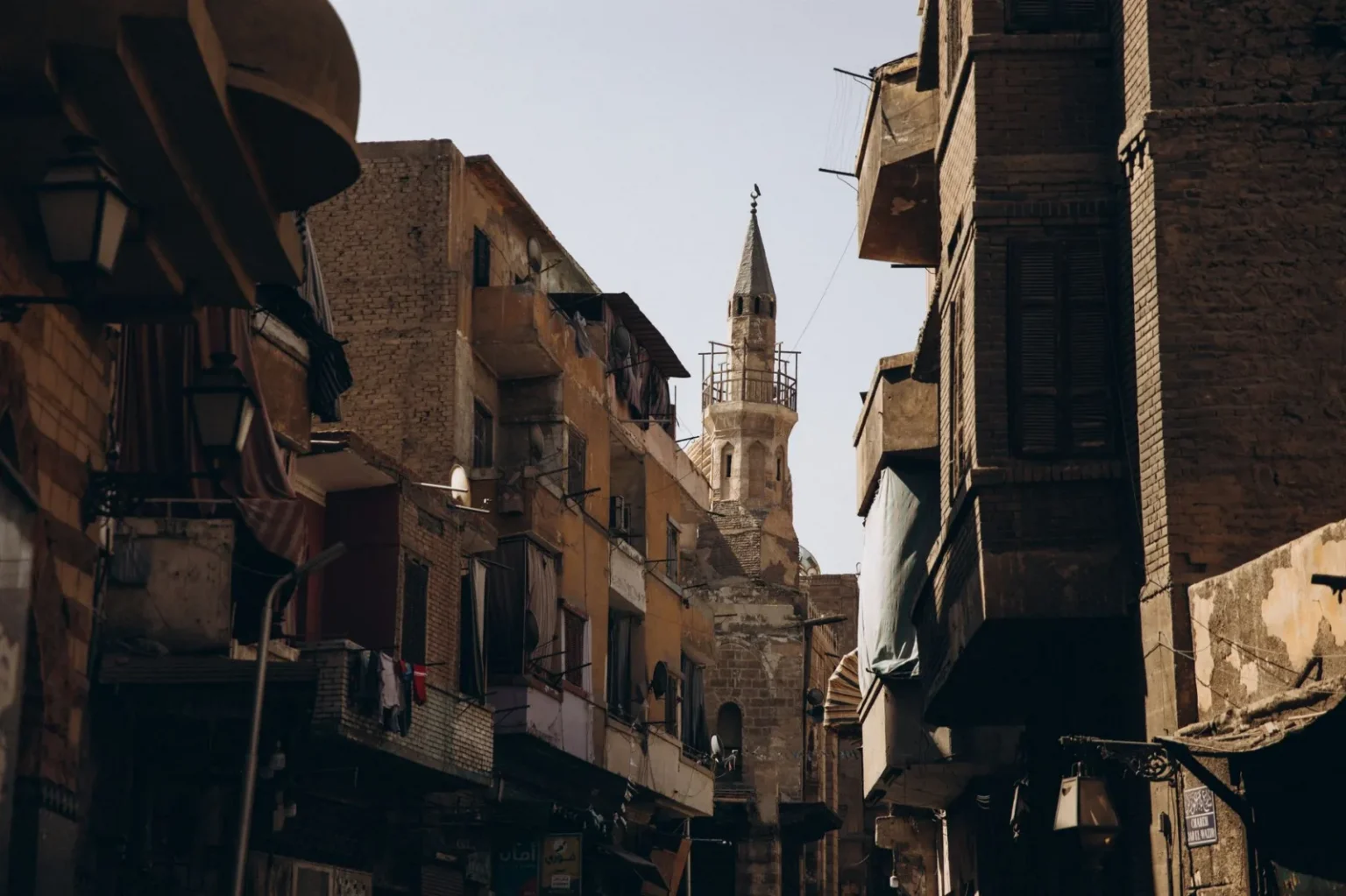
Cairo is a city of contrasts, where ancient history meets modernity. Yet, some areas remain overlooked, often referred to as forgotten neighborhoods. These places, rich in local heritage, tell the stories of the city’s past and present. By exploring these neighborhoods, you not only witness their unique charm but also engage with the community that thrives within them.
- Understanding Cairo’s Forgotten Neighborhoods
- The Importance of Local Heritage in Cairo
- Step 1: Identifying Forgotten Neighborhoods
- Step 2: Engaging with Community Stories
- Step 3: Exploring Local Gastronomy
- Step 4: Learning Through Conversation
- Step 5: Documenting Your Experience
- Important Notes and Warnings
- Conclusion: Embracing the Spirit of Cairo
The Importance of Local Heritage in Cairo
Local heritage refers to the customs, traditions, and narratives that define a community. In Cairo, local heritage manifests in various forms: architecture, crafts, and oral histories. For instance, the architecture in neighborhoods like Al-Muizz Street showcases Islamic and Coptic influences, telling a story of coexistence. Understanding local heritage in Cairo helps you appreciate the nuances of its culture, which can enrich your travel experience.
Step 1: Identifying Forgotten Neighborhoods
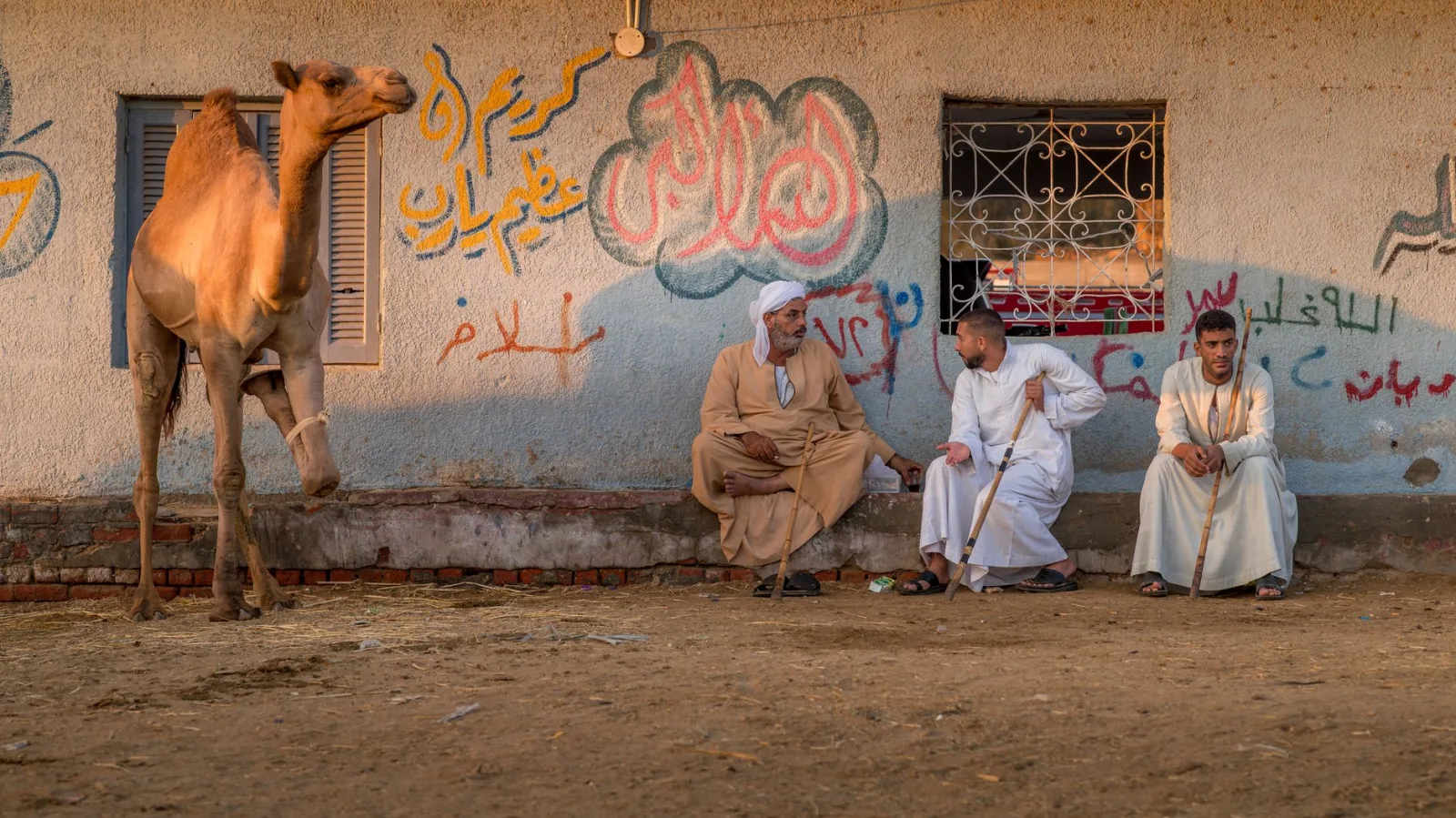
To begin your journey through Cairo’s forgotten neighborhoods, you need to know where to look. Some notable areas include:
- Darb al-Ahmar: This historic district is known for its vibrant street life and local artisans.
- Fustat: The first capital of Egypt, Fustat offers a glimpse into the country’s Islamic heritage.
- Old Cairo: Explore the narrow alleyways and ancient churches that echo the city’s rich history.
By visiting these neighborhoods, you can connect with local heritage and discover stories that are often missed by tourists.
Step 2: Engaging with Community Stories
Once you arrive in a forgotten neighborhood, engage with the community. Many locals are eager to share their stories and experiences. Here are some ways to connect:
- Attend local workshops: Participating in cultural workshops can provide insights into traditional crafts. For example, in Darb al-Ahmar, you might find workshops focused on pottery or textile weaving. The Hidden Heritage of Cairo: A Guide to Neighborhood Cultural Workshops offers more information on such opportunities.
- Visit local markets: Markets are often the heart of a community. Engage with vendors, ask about their products, and listen to their stories. The hustle and bustle of a local market can provide a vivid picture of everyday life.
- Participate in community events: Joining local celebrations or festivals allows you to see how the community comes together. Cairo’s Hidden Festivals: A Local’s Guide to Celebrating Life Through Unique Cultural Events can help you discover such events.
Step 3: Exploring Local Gastronomy
Cairo’s forgotten neighborhoods also offer unique culinary experiences. Street food is a significant part of local life. Try some traditional dishes such as:
- Koshari: A mix of rice, lentils, and pasta topped with tomato sauce.
- Ful Medames: A fava bean dish typically eaten for breakfast.
- Konafa: A sweet dessert made of thin noodle-like pastry.
Engaging with local cuisine allows you to taste the culture and history of the neighborhoods you visit.
Step 4: Learning Through Conversation
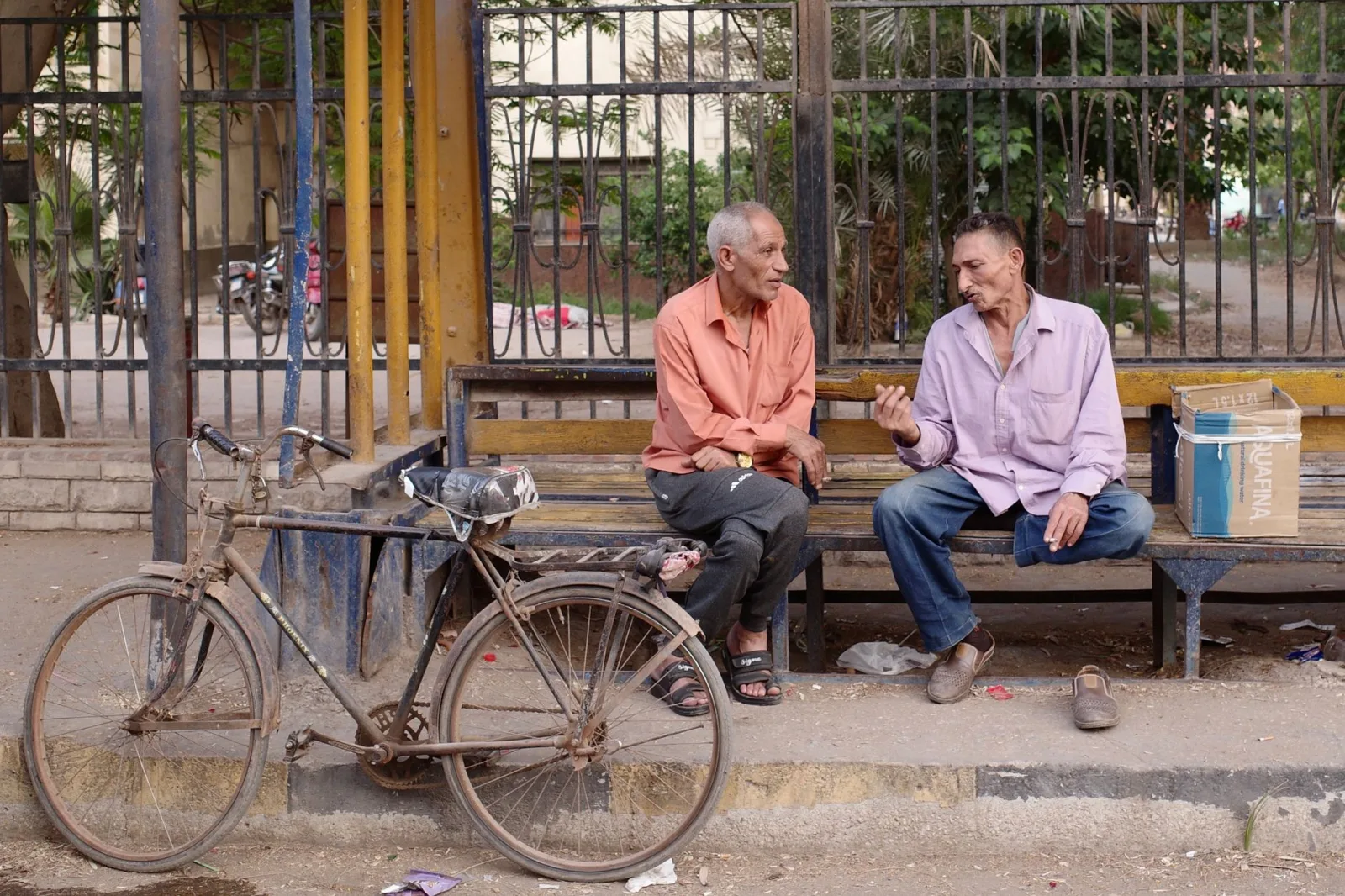
As you explore, take the time to converse with locals. Many residents possess a wealth of knowledge about their neighborhood’s history and traditions. Here are some tips for effective conversations:
- Be respectful: Approach conversations with an open mind, and show genuine interest in their stories.
- Ask open-ended questions: Instead of yes-or-no questions, ask about their experiences, traditions, and perspectives on life in Cairo.
- Listen actively: Pay attention to their stories and engage with follow-up questions to deepen the conversation.
These interactions can lead to meaningful connections and a richer understanding of local heritage in Cairo.
Step 5: Documenting Your Experience
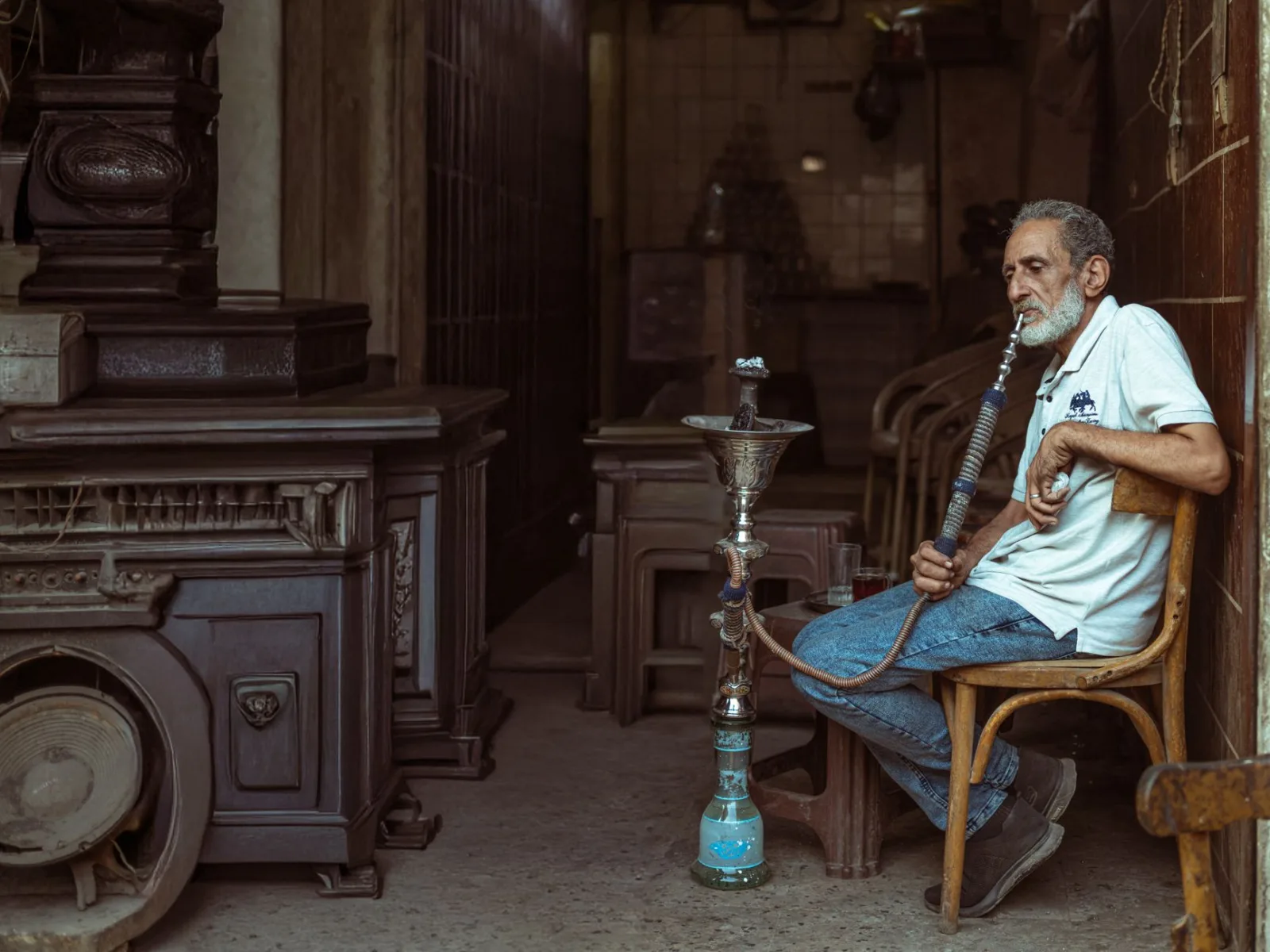
As you explore, consider documenting your experiences. This can be through writing, photography, or even video. Here are some practical tips:
- Keep a travel journal: Write about your experiences, observations, and emotions. This practice can help you reflect on your journey.
- Capture moments: Take photos of the people, architecture, and everyday life. Remember to ask for permission when photographing individuals.
- Share your stories: After your trip, consider sharing your experiences with others. This could be through social media or a blog, helping to raise awareness about Cairo’s forgotten neighborhoods.
Important Notes and Warnings
While exploring Cairo’s forgotten neighborhoods can be rewarding, it’s essential to be mindful of a few important points:
- Safety first: Some areas may be less safe than others. Stay aware of your surroundings and trust your instincts.
- Respect local customs: Be aware of cultural norms, especially regarding dress and behavior, to ensure respectful interactions with residents.
- Support local businesses: Whenever possible, purchase goods and services from local vendors to contribute positively to the community.
Conclusion: Embracing the Spirit of Cairo
Exploring Cairo’s forgotten neighborhoods is an enriching experience that allows you to connect with local heritage and community stories. By identifying these areas, engaging with locals, savoring traditional cuisine, and documenting your journey, you can gain a deeper appreciation of Cairo’s diverse culture. Remember to approach your exploration with respect and curiosity, as this will lead to meaningful interactions and unforgettable memories. Ultimately, these experiences can transform your perception of Cairo from a tourist destination to a vibrant, living city full of stories waiting to be told.