10 Essential Tips for Traveling the Egyptian Desert: Your Safety and Survival Guide
By
Share
1. Understand the Climate
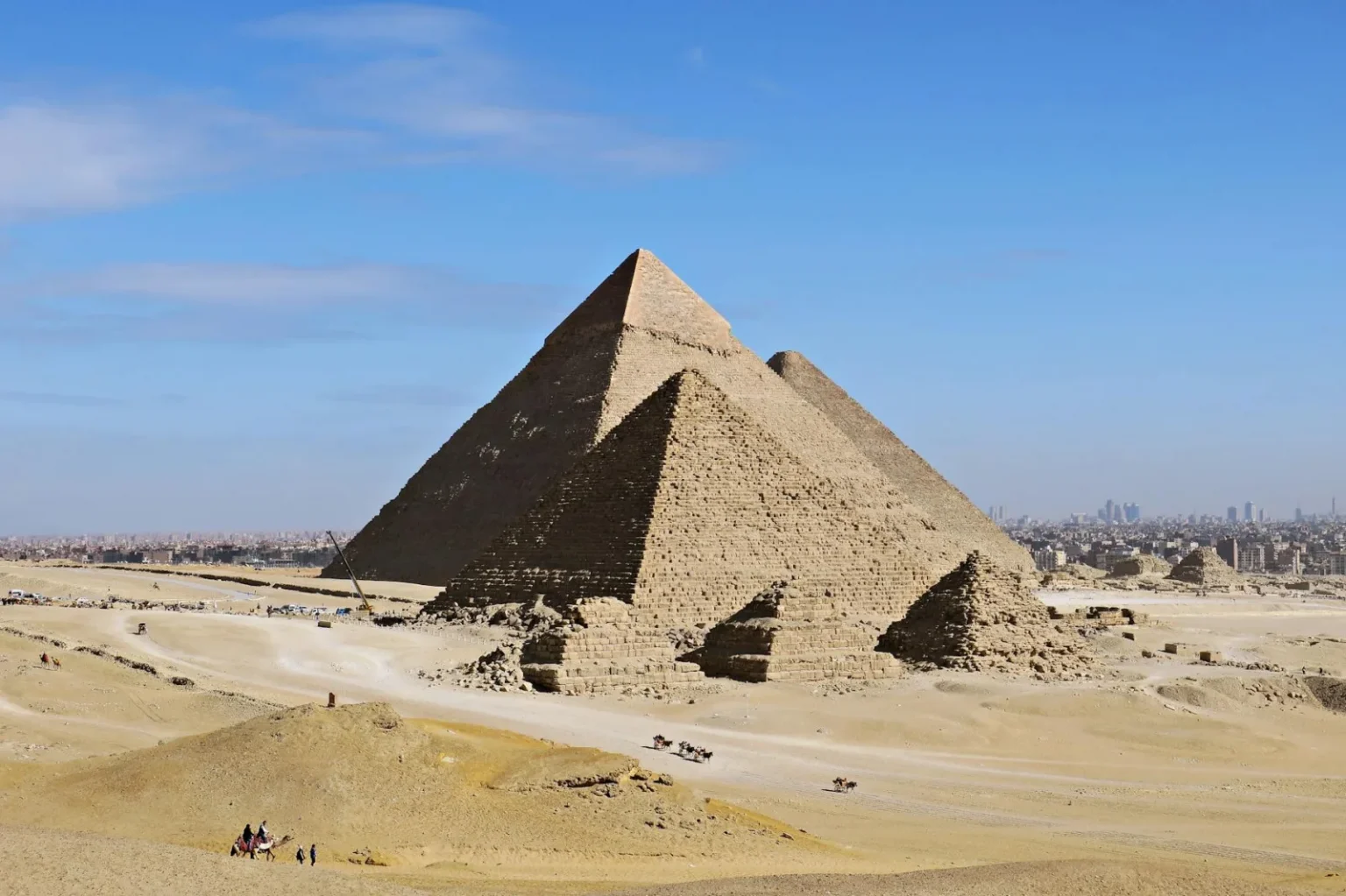
The Egyptian desert is known for its extreme temperatures. During the day, it can soar above 40°C (104°F), while nighttime temperatures can drop to around 10°C (50°F). This vast temperature range means you must be prepared for both hot and cool conditions. Pro tip: Layer your clothing. Start with breathable fabrics during the day and add layers for the evening. This way, you’ll stay comfortable throughout the day.
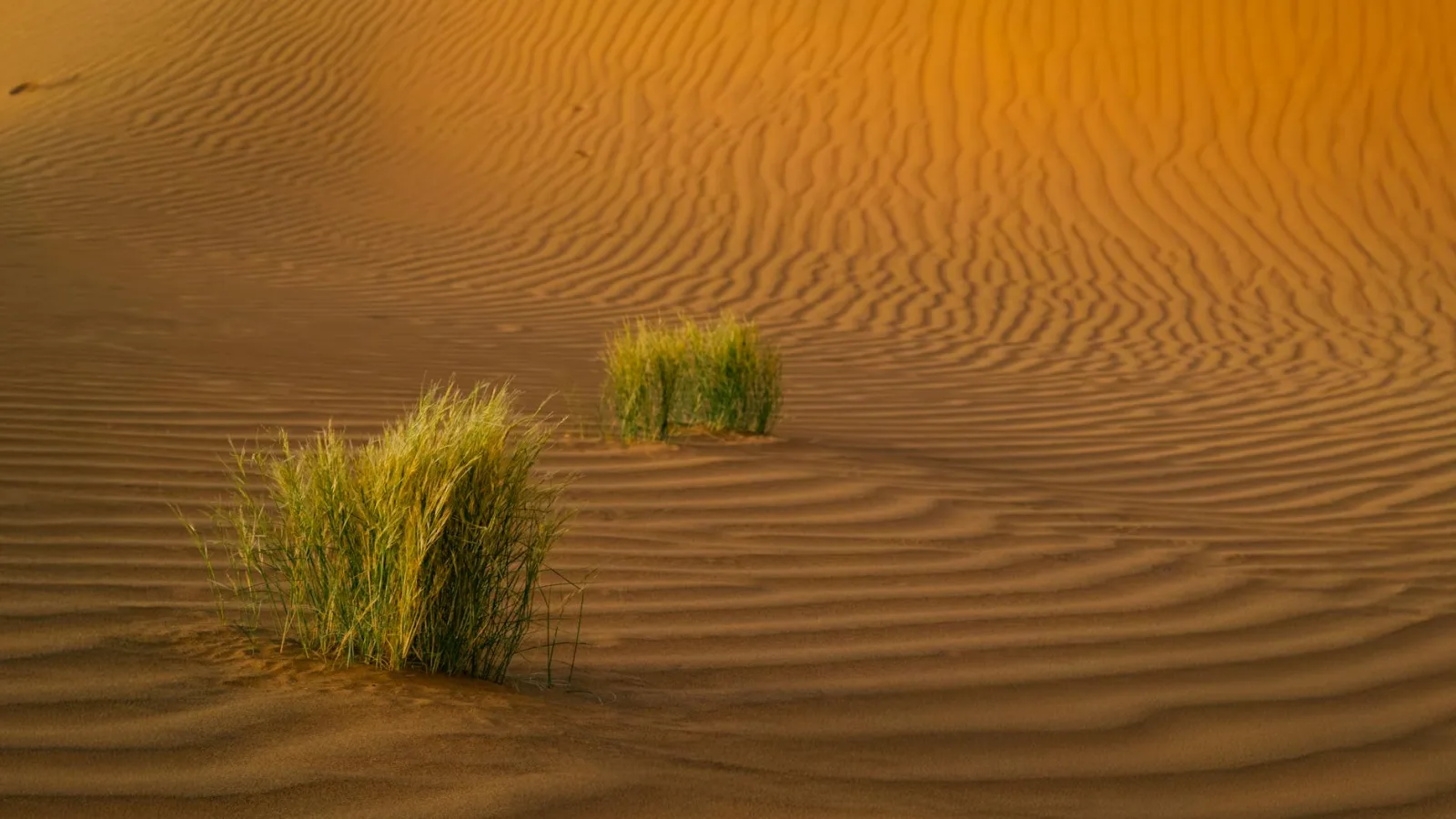
Hydration is crucial for survival in the desert. The dry air and heat can lead to dehydration quickly. You should aim to drink at least 2-3 liters of water a day, but this may increase depending on your activity level. Important note: carry extra water supplies when you venture away from populated areas. Consider using a hydration pack for easy access while you hike or explore.
📷 Sandra Mosconi – Pexels
3. Choose the Right Time to Visit
The best times to travel to the Egyptian desert are during the cooler months, typically from October to April. This period allows you to enjoy the outdoors without the oppressive heat. Avoid planning your trips in the peak summer months, as temperatures can be unbearable. Additionally, visiting during these cooler months may allow you to experience local festivals and events that happen during this time.
4. Know Your Route
Before embarking on your desert adventure, plan your route meticulously. GPS devices may not always work in remote areas, so having a physical map is advisable. Familiarize yourself with landmarks and potential hazards along your route. Common mistake: assuming you won’t get lost. Always have a backup navigation method, such as a compass, in case technology fails you.
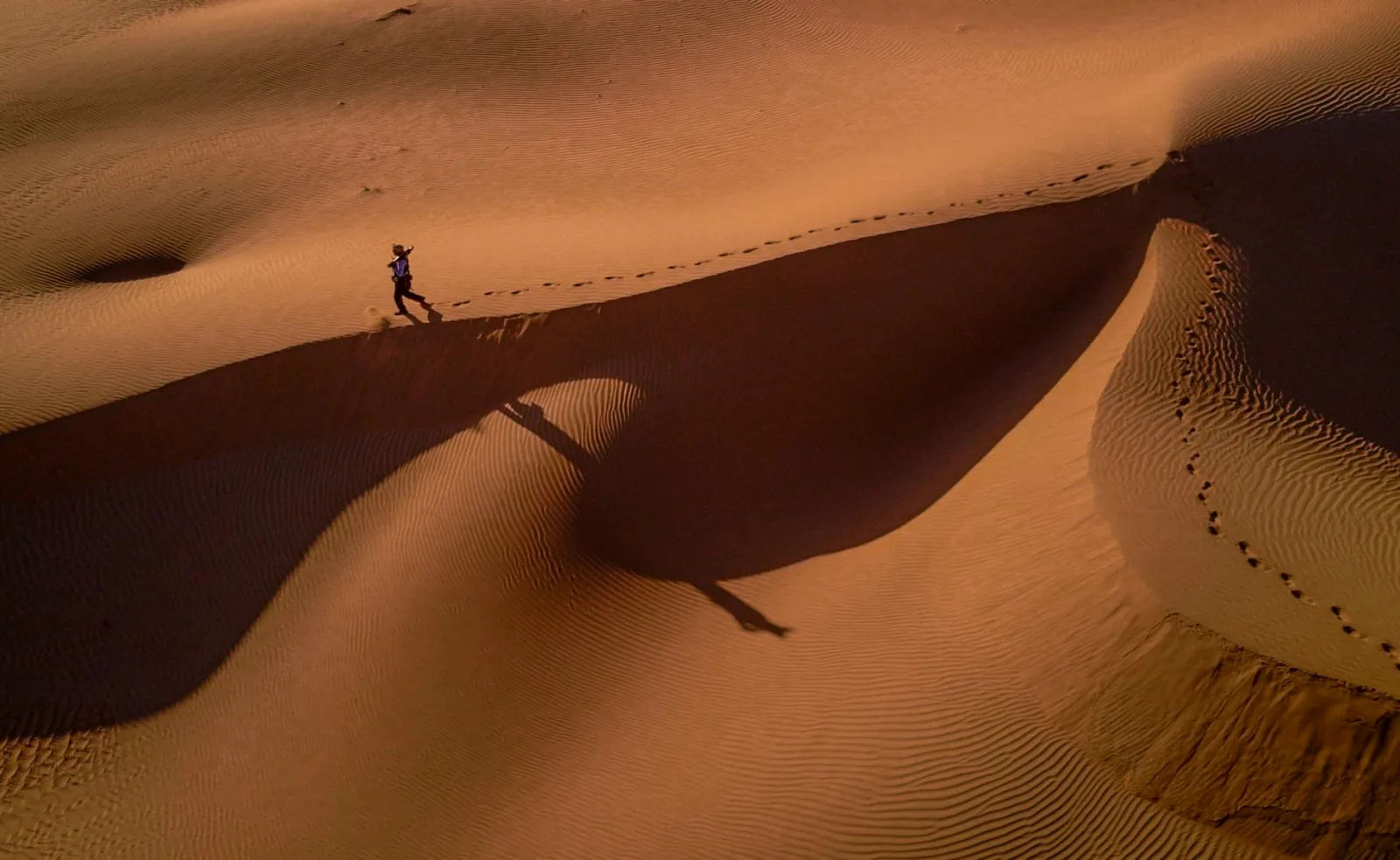
If it’s your first time traveling in the Egyptian desert, hiring a local guide can enhance your safety and experience. Guides are familiar with the terrain, weather patterns, and cultural nuances. They can help you navigate safely and avoid common pitfalls. Furthermore, they often know the best spots for photography and exploration that aren’t found in travel guides.
📷 Walid Ahmad – Pexels
6. Prepare for Wildlife Encounters
The desert is home to various wildlife, including snakes and scorpions. While encounters are rare, it’s wise to be aware of your surroundings. Wear sturdy boots and long pants to protect against bites. Warning: if you are bitten, seek medical attention immediately, as some species may be venomous. Educate yourself about the local fauna to differentiate between harmless and dangerous creatures.
7. Pack the Right Gear
Your packing list should be carefully curated. Include items like sunscreen, a first-aid kit, a multi-tool, and a flashlight. A good pair of sunglasses and a wide-brimmed hat will protect you from sun exposure. Additionally, consider packing a portable phone charger, as finding electricity in the desert can be challenging. This gear will help ensure a safe and enjoyable experience.
📷 Markus Winkler – Pexels
8. Respect Local Customs
Understanding and respecting local customs is vital when traveling in Egypt. The desert is often inhabited by Bedouin tribes, and interactions with them can enrich your experience. Always ask for permission before taking photographs of people or their property. Engaging respectfully can lead to insightful conversations and potentially lasting friendships.
9. Stay Connected
While the isolation of the desert can be appealing, staying connected is crucial for safety. Consider carrying a satellite phone or a personal locator beacon, especially if you plan to explore remote areas. This way, should an emergency arise, you can communicate for help. Additionally, inform someone of your itinerary and expected return time.
10. Know Basic Survival Skills
Lastly, familiarize yourself with basic survival skills. Understanding how to make a fire, find water, or create shelter from the elements can be life-saving. Let’s understand this with a simple example: if you find yourself lost, knowing how to signal for help or create a makeshift shelter can increase your chances of survival until help arrives. Consider taking a survival course before your trip to enhance your skills.
Conclusion
Traveling the Egyptian desert can be a breathtaking experience filled with adventure and discovery. By implementing these essential safety and survival tips, you can ensure a safer journey. Remember to plan ahead, stay hydrated, and respect the environment and local cultures. With the right preparation, you’ll not only survive but thrive amidst the stunning landscapes of the Egyptian desert. For more insights on traveling in Egypt, check out our guide on Solo Female Travel in Egypt and learn how to navigate unexpected travel mishaps in our article Navigating the Unexpected.