





Understanding Cairo’s Spice Markets
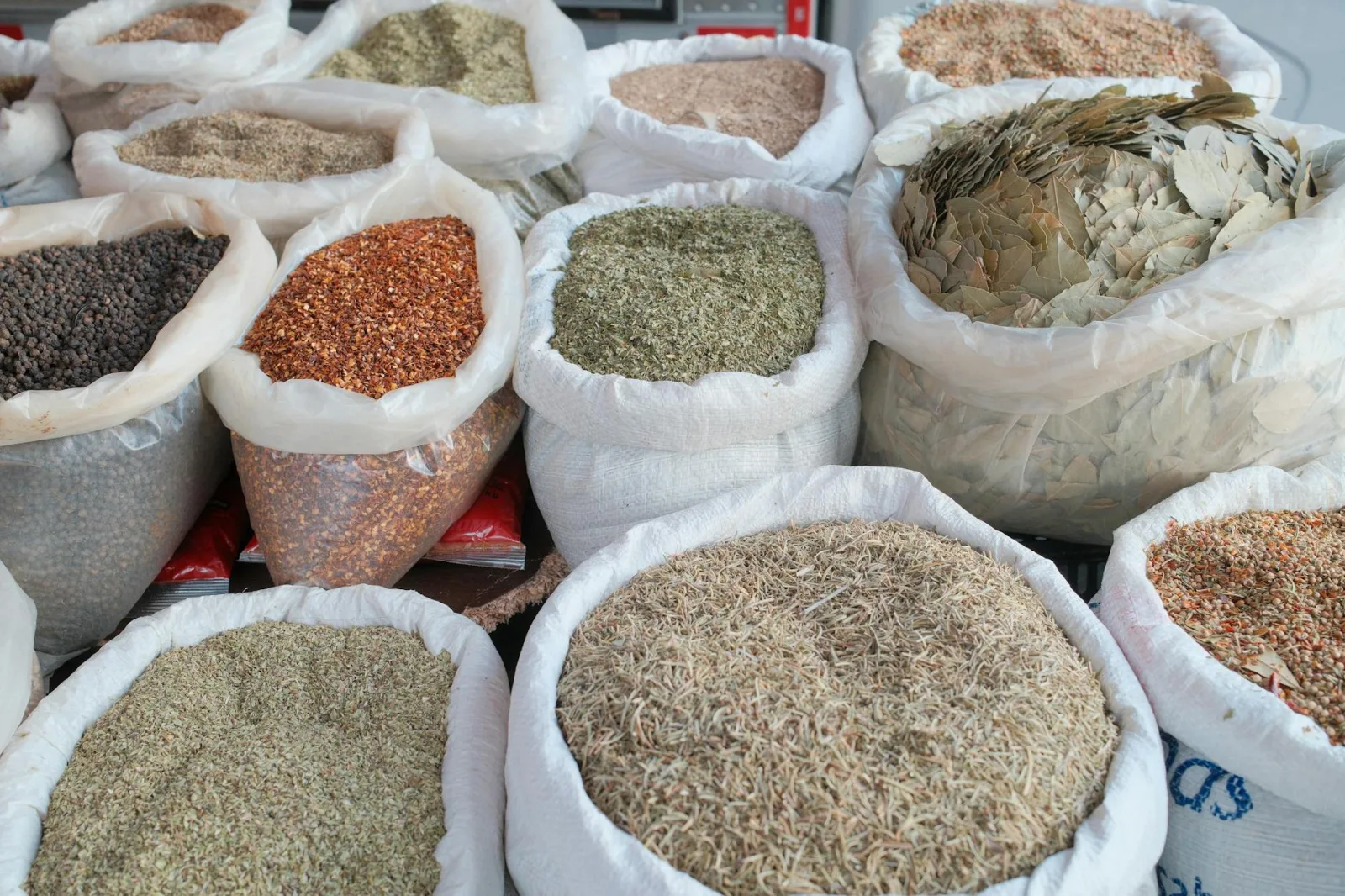
Cairo’s spice markets are not merely places for shopping; they are vibrant cultural hubs where the city’s culinary heritage unfolds. Here, the air is thick with the aromas of traditional spices, each with its own story and significance. As you wander through the narrow alleys, you’ll encounter stalls brimming with colorful spices like sumac, za’atar, and saffron, each offering a glimpse into Egypt’s rich history and diverse influences.
Why Traditional Spices Matter
Traditional spices play a crucial role in Egyptian cuisine. They enhance flavors and often hold cultural significance. For instance, cumin is a staple in many dishes, symbolizing warmth and hospitality. Understanding the importance of these spices can transform your culinary experiences in Cairo. Therefore, when you visit the spice markets, take time to ask vendors about the uses and origins of each spice. This will deepen your appreciation for the local flavors.
Exploring the Spice Market Experience
To truly enjoy your visit, follow these steps for exploring Cairo’s spice markets:
- Choose Your Market: Cairo boasts several spice markets, with the most famous being Khan El Khalili. If you prefer a quieter experience, try the local markets in neighborhoods like Zamalek or Maadi.
- Engage with Vendors: Don’t hesitate to strike up conversations. Vendors are often eager to share their knowledge about the spices, including their uses in traditional dishes.
- Sample Before You Buy: Most vendors will allow you to taste spices before purchasing. This is particularly important for spices like chili and paprika, where flavor intensity can vary significantly.
- Ask for Recommendations: Vendors often have their own unique blends for common spices. Asking for their recommendations can lead you to discover new flavors that might not be found in typical recipes.
- Take Notes: Keep a small notebook to jot down interesting facts or recipes you learn about the spices. This will help you remember them when you return home.
Key Spices to Discover
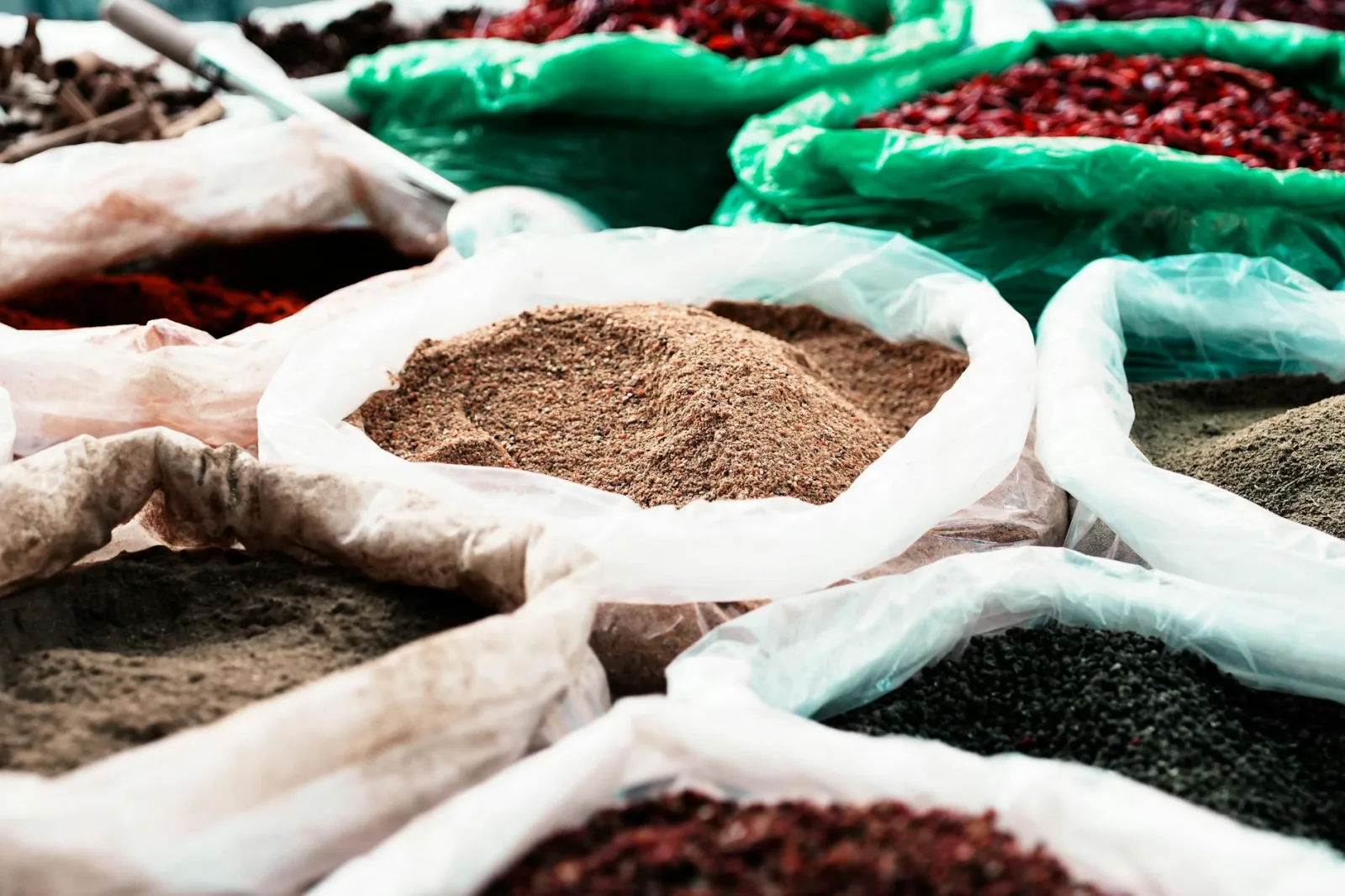
In Cairo’s spice markets, you’ll encounter a variety of traditional spices. Here are a few to look out for:
- Sumac: This tangy spice is often sprinkled over salads and grilled meats. Its vibrant red color adds an attractive touch to dishes.
- Za’atar: A blend of herbs, sesame seeds, and sumac, za’atar is commonly used in bread and dips. It encapsulates the essence of Egyptian cuisine.
- Cinnamon: While often associated with sweet dishes, in Egypt, cinnamon is also used in savory recipes, adding warmth and depth.
- Saffron: Known for its distinct flavor and golden hue, saffron is often used in rice dishes and desserts.
- Black Seed (Nigella sativa): Often called “the seed of blessing,” it has a slightly bitter taste and is used in various dishes for its health benefits.
Tips for Navigating the Markets
When visiting Cairo’s spice markets, keep these tips in mind:
- Be Mindful of Your Budget: It’s easy to get carried away with the enticing scents and vibrant colors. Set a budget beforehand to avoid overspending.
- Stay Hydrated: Walking through the markets can be exhausting, especially in the heat. Carry water with you to stay refreshed.
- Be Prepared to Bargain: Haggling is part of the shopping experience in Cairo. Approach it as a friendly exchange and be respectful.
- Watch Your Belongings: As with any busy market, be aware of your surroundings and keep your belongings secure.
Cooking with Traditional Spices
Once you’ve selected your spices, the next step is to incorporate them into your cooking. Start with simple recipes that highlight the spices you’ve purchased. For example, a traditional Egyptian dish like koshari can be enhanced with cumin and coriander. Here’s a basic way to use your spices:
- Choose a Base: Select a dish that is commonly made in Egyptian cuisine.
- Add Spices Gradually: Start with a small amount of your new spices and adjust to your taste. This helps you understand their flavor profiles.
- Experiment: Don’t be afraid to mix spices. For instance, za’atar can be a delightful addition to grilled vegetables.
Connecting with Local Culture
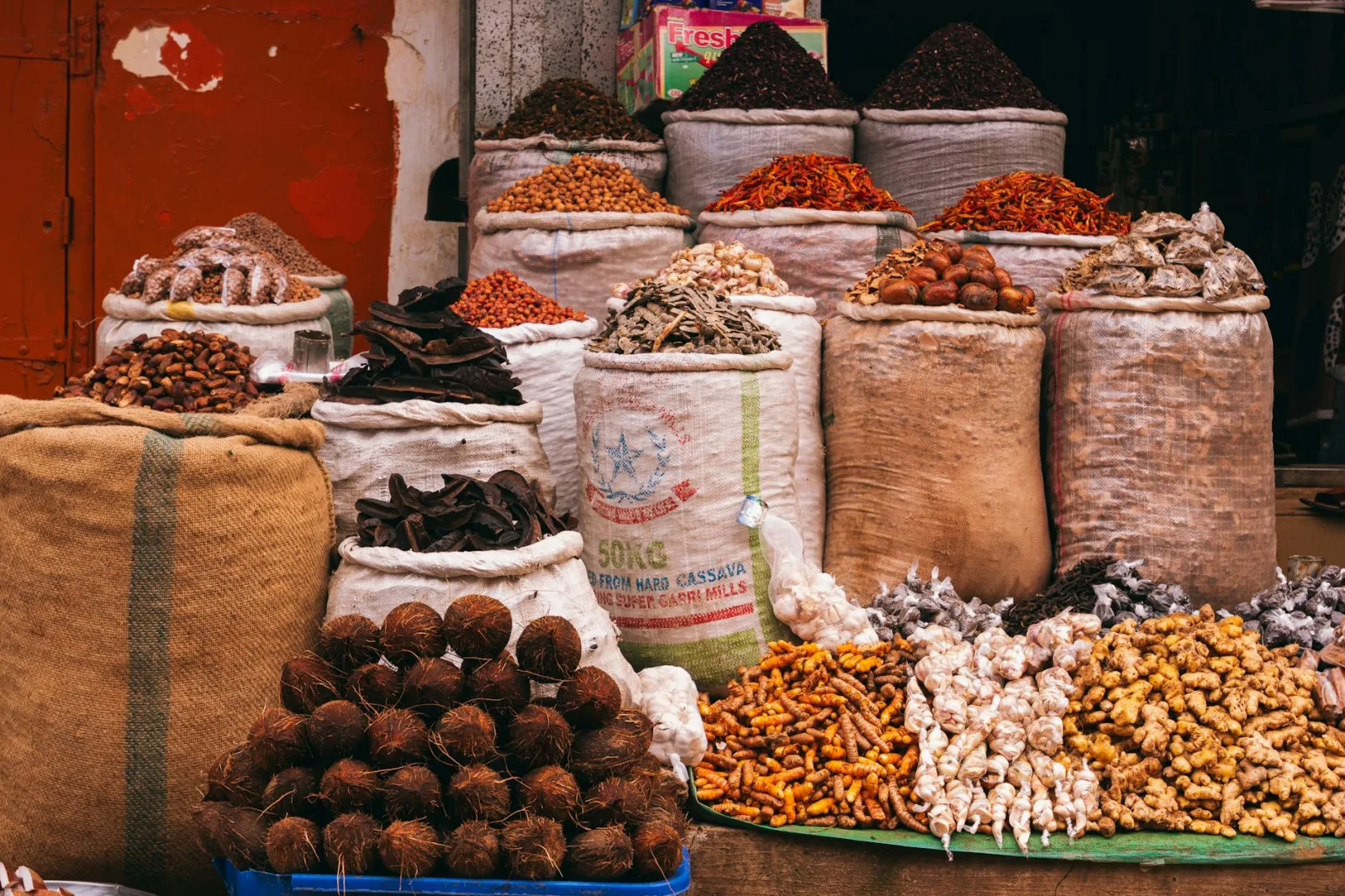
Visiting Cairo’s spice markets is more than just a shopping trip; it’s an opportunity to connect with local culture. Many vendors have stories that reflect the history of the spices and their significance in Egyptian life. By engaging with them, you gain insights into how spices shape everyday meals and celebrations.
Conclusion: Embrace the Flavors of Cairo
The spice markets of Cairo offer an immersive experience that goes beyond the ordinary. By exploring these markets, you not only discover traditional spices but also gain an understanding of their role in local flavors and culture. Remember to engage with vendors, sample products, and take notes. Each spice has a story to tell, and understanding these stories enhances your culinary journey. As you incorporate these flavors into your cooking at home, you’ll carry a piece of Cairo’s rich culinary heritage with you.