Hidden architecture refers to the lesser-known yet significant structures that often escape the attention of mainstream tourism. In the Arabian Peninsula, this encompasses a variety of historical sites, from ancient forts to unique mosques that reflect the region’s rich cultural heritage. To fully appreciate these marvels, it’s essential to grasp their historical context and architectural styles.
Historical sites in the Arabian Peninsula are not merely remnants of the past; they serve as crucial links to understanding the region’s evolution. Each structure tells a story about the people who built it, the resources available at the time, and the artistic influences that shaped its design. For example, the mudbrick architecture of Yemen’s Shibam is often referred to as the “Manhattan of the Desert” due to its towering multi-story buildings, showcasing early urban planning.
2. Key Examples of Hidden Architectural Gems
Throughout the Arabian Peninsula, several hidden architectural marvels deserve recognition. Consider these notable examples:
2.1 Al-Ula, Saudi Arabia
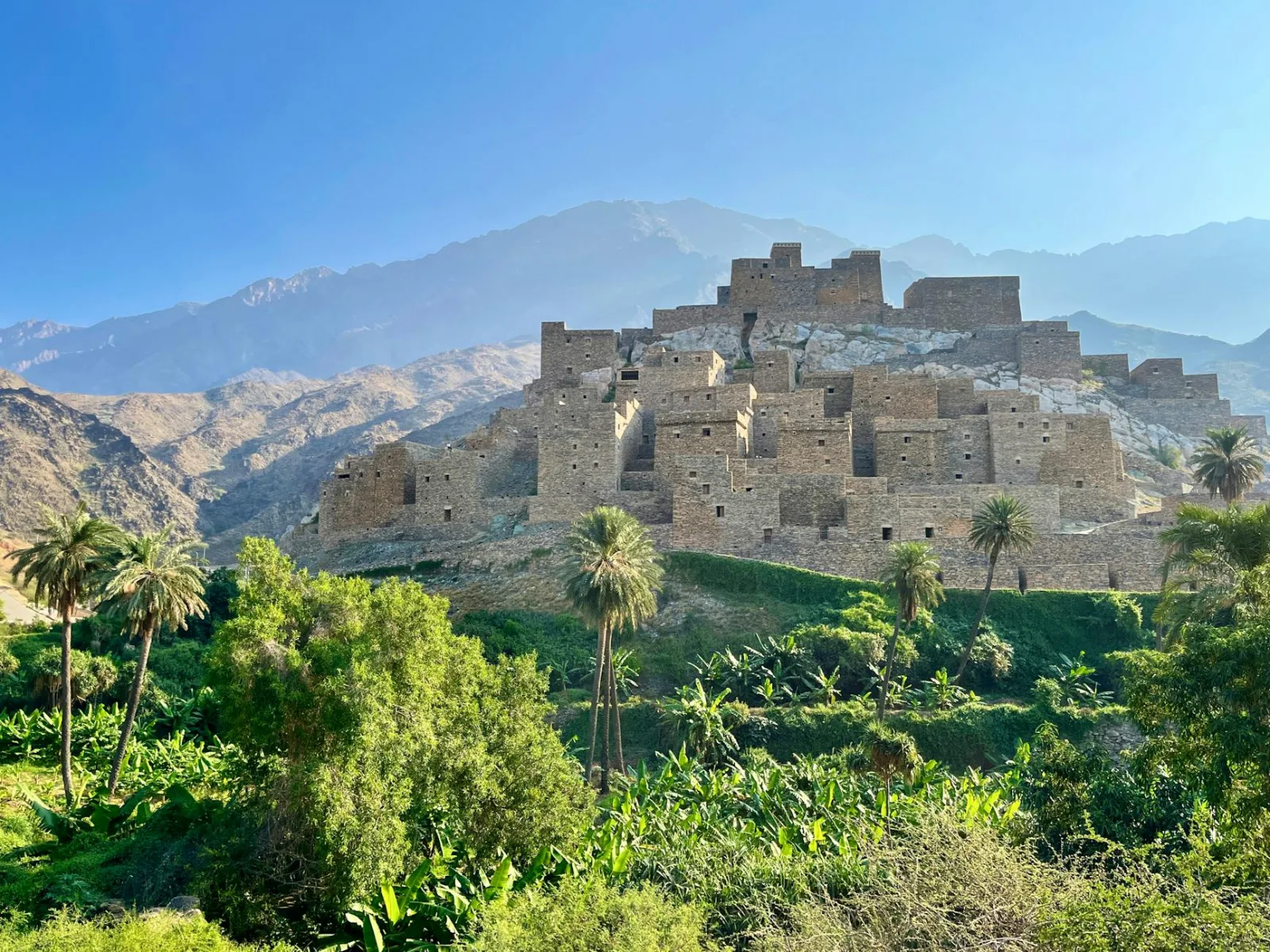
Home to stunning rock formations and ancient tombs, Al-Ula is often overshadowed by the more famous Petra. Here, you can explore the Nabatean tombs carved into sandstone cliffs, providing insight into the region’s historical trade routes. Pro tip: Visit during the cooler months for a more comfortable experience.
📷 HASHTAG SINGH – Pexels
2.2 The Forts of Oman
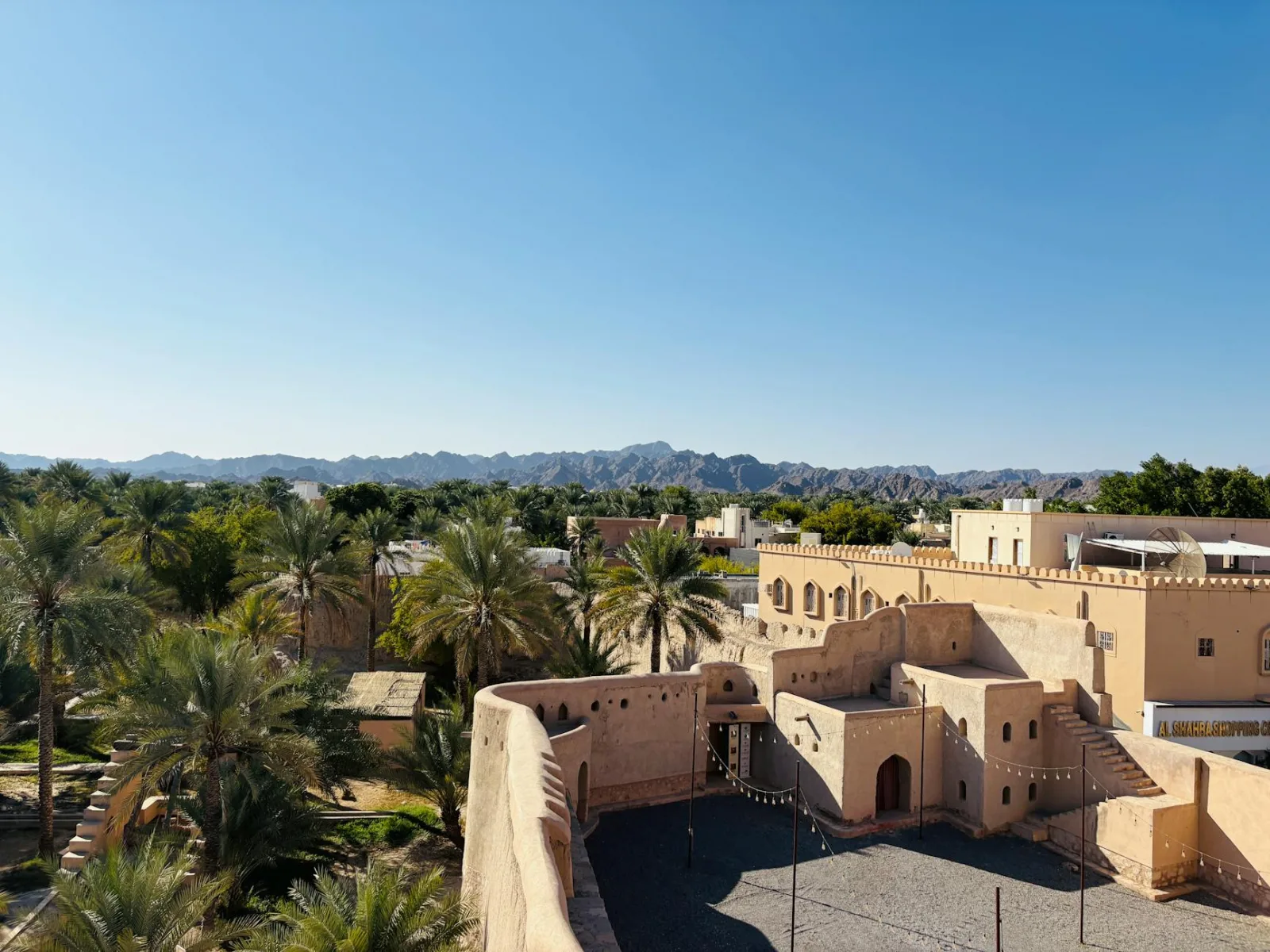
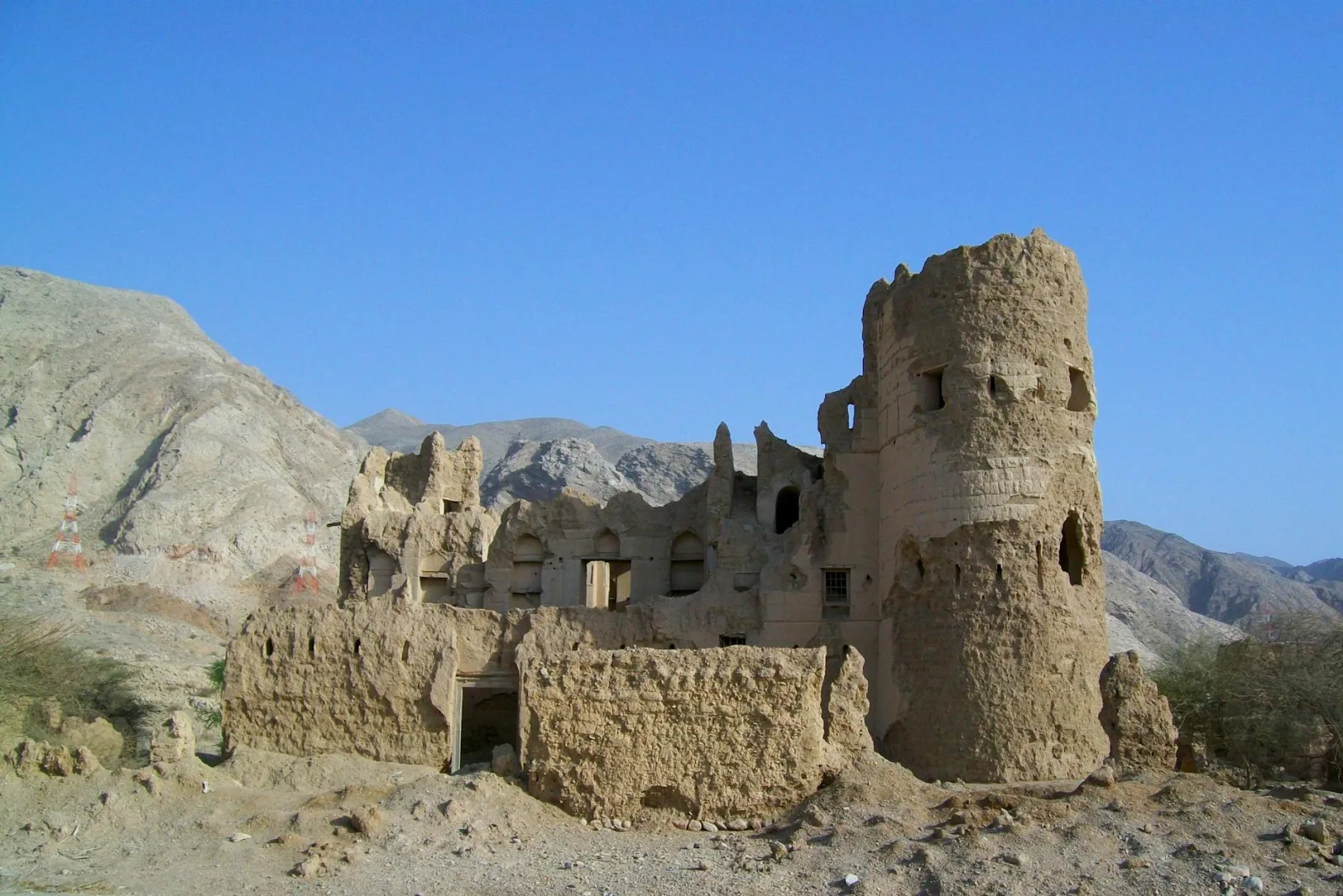
Oman is dotted with numerous forts, many of which are lesser-known yet historically significant. The Nizwa Fort, for example, features a massive circular tower that offers panoramic views of the surrounding date palms and mountains. These forts not only served as military bastions but also as administrative centers.
2.3 The Old City of Sanaa, Yemen
Designated a UNESCO World Heritage site, the Old City of Sanaa boasts unique architectural styles, including the iconic mudbrick towers. The intricate decorations and craftsmanship reflect centuries of cultural exchange and trade. Important note: While visiting, be mindful of the current political climate and follow local guidelines.
3. Exploring Architectural Styles
The architectural styles of the Arabian Peninsula are diverse, influenced by various cultures and environments. For instance, Islamic architecture prominently features domes and ornate decorations, while fortifications often exhibit robust, practical designs. Let’s break down some key styles:
3.1 Islamic Architecture
This style is characterized by intricate tile work, grand arches, and expansive courtyards. The Great Mosque of Samarra in Iraq is a prime example, showcasing a spiral minaret that has become a symbol of Islamic architectural brilliance.
3.2 Vernacular Architecture
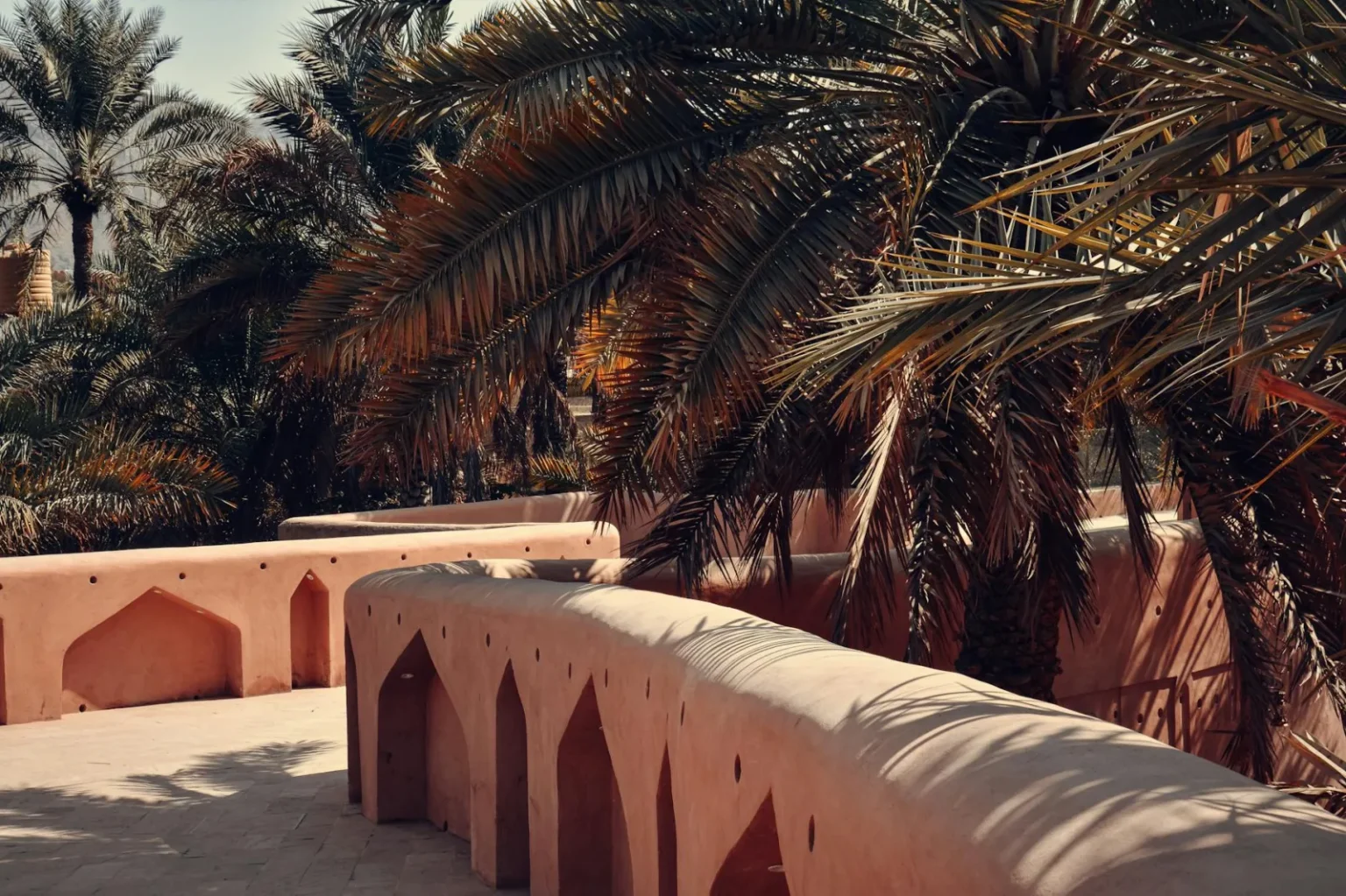
Local materials and climate often dictate vernacular architecture. In the Arabian Peninsula, the use of mud, stone, and palm fronds creates structures that harmonize with the environment. This not only reflects practicality but also deep-rooted cultural practices.
When exploring hidden architecture in the Arabian Peninsula, planning is essential. Follow these steps for a rewarding experience:
4.1 Research Your Destinations
Before you set out, research the specific sites you wish to visit. Check resources like travel blogs or local tourism websites to gather information on accessibility and local customs.
4.2 Consider Cultural Sensitivity
Many architectural sites in the region hold cultural significance. Dress appropriately and respect local customs. For instance, when visiting mosques, ensure to wear modest clothing.
4.3 Engage with Local Guides
Hiring a local guide can enhance your understanding of the historical context and significance of the sites. Often, they can share stories and insights that enrich your experience.
📷 Fabian Lozano – Pexels
5. Important Tips and Warnings
As you embark on your journey, keep these essential tips in mind:
5.1 Stay Hydrated
The Arabian Peninsula can be extremely hot, particularly in the summer. Always carry water, especially when visiting outdoor sites like forts or deserts.
5.2 Beware of Scams
While most locals are friendly and welcoming, some tourist-heavy areas may have scams targeting unsuspecting travelers. Always verify information and prices before committing.
5.3 Be Mindful of Photography Restrictions
In some historical sites, photography may be restricted. Always ask for permission before taking pictures, especially in religious sites.
6. Summary of Key Takeaways
The Arabian Peninsula is rich in hidden architectural wonders that offer a glimpse into the region’s complex history and cultural diversity. From the mudbrick towers of Yemen to the forts of Oman, these sites are worth exploring for their unique stories and architectural significance. Remember to approach your journey with an open mind and respect for local customs, ensuring a meaningful experience.