The Middle East is rich in history and culture, yet many travelers overlook its artisan villages. These hidden gems are where local craftsmanship flourishes, often telling stories of heritage and tradition. Exploring these villages allows you to connect with the culture in a way that mainstream tourist spots do not.
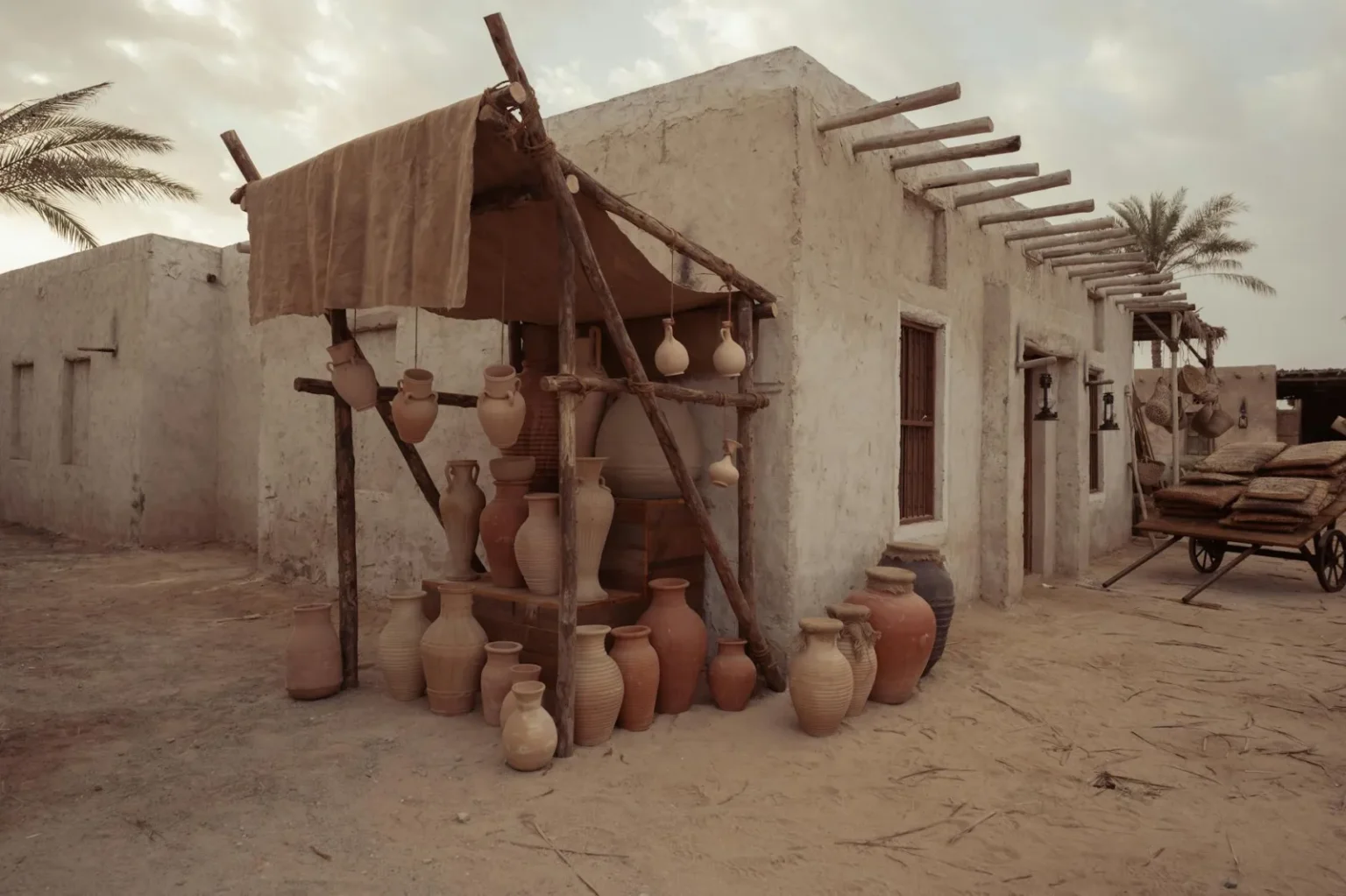
Artisan villages are small communities where traditional crafts are produced, often passed down through generations. These crafts can include pottery, weaving, metalwork, and more. The artisans in these villages usually have a deep connection to their craft, and this passion is reflected in their work. For instance, in a village known for its pottery, you might find artisans who have been shaping clay since childhood, using techniques that date back centuries.
📷 Tahir Xəlfəquliyev – Pexels
2. Why Visit Artisan Villages?
Visiting artisan villages offers several unique benefits:
Authenticity: Interacting with local artisans provides a genuine glimpse into their way of life.
Cultural Understanding: You gain insights into the history, traditions, and the socio-economic challenges these communities face.
Unique Souvenirs: Purchasing handmade goods supports local economies and ensures you take home one-of-a-kind items.
For example, in the village of Al-Ahsa, Saudi Arabia, visitors can witness the ancient art of palm weaving, producing beautiful baskets and mats while learning about the region’s agricultural practices.
3. Notable Artisan Villages to Explore
While many artisan villages exist throughout the Middle East, here are a few notable ones worth visiting:
3.1. The Village of Kfar Kila, Lebanon
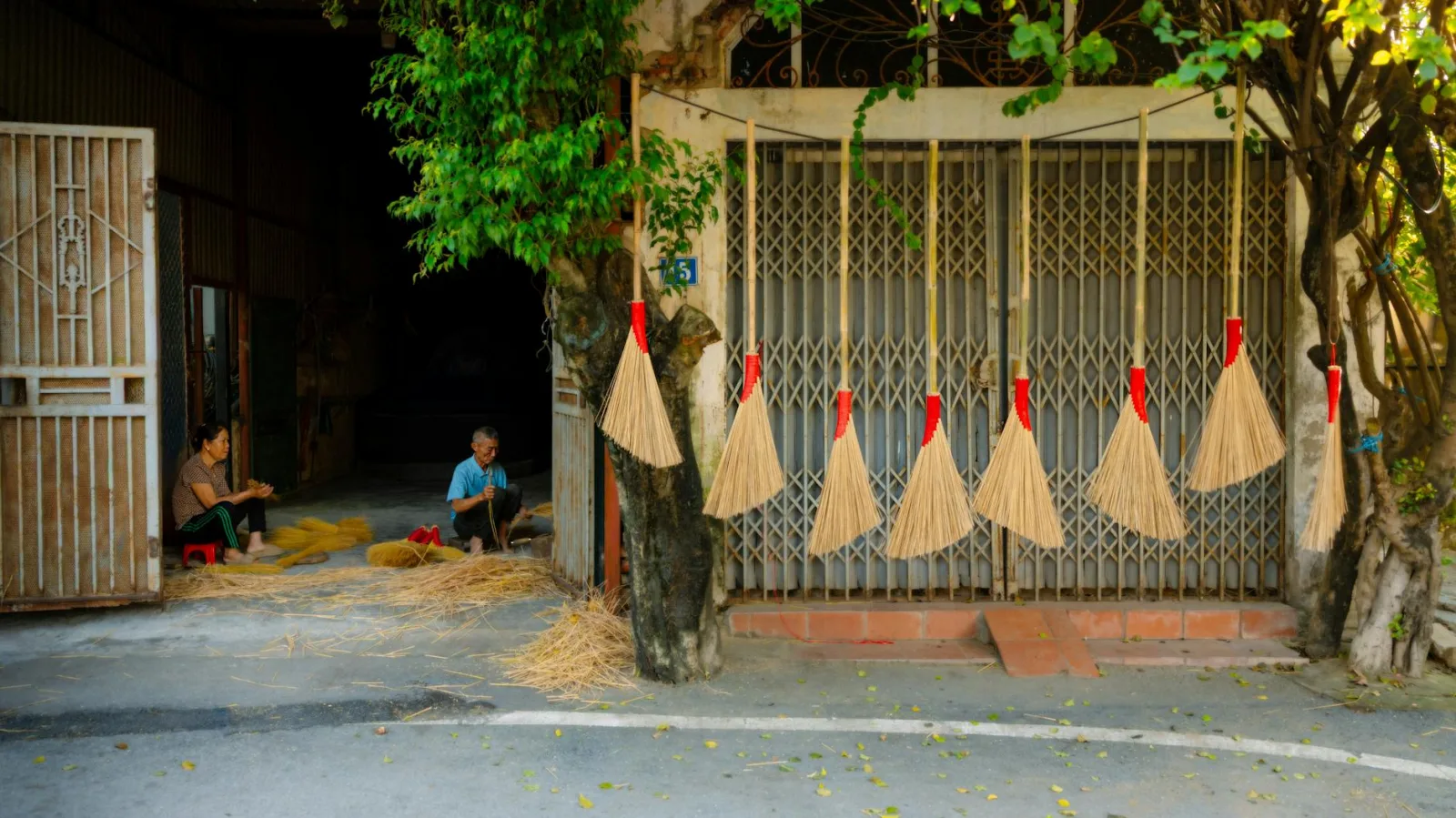
Kfar Kila is renowned for its vibrant textile industry. Here, artisans create intricate traditional garments, often using techniques that have been preserved for generations. You can participate in workshops to learn about dyeing and weaving.
📷 HONG SON – Pexels
3.2. Al Ula, Saudi Arabia
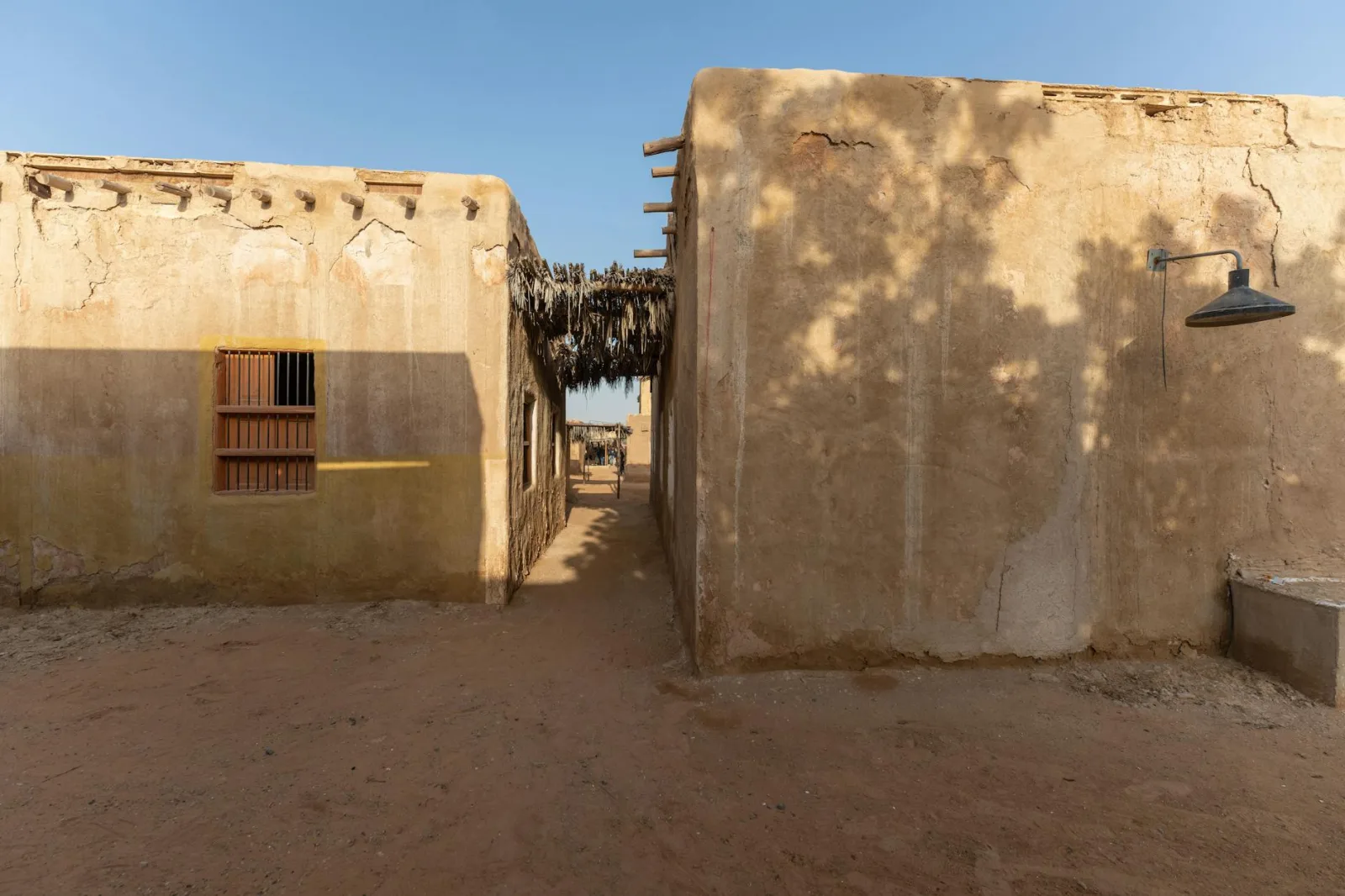
Known for its stunning rock formations, Al Ula is also home to artisans skilled in stone carving and pottery. The village has recently gained attention for its efforts to revive ancient crafts. You can experience this firsthand by visiting workshops where artisans create works inspired by the region’s history.
3.3. The Old City of Jerusalem
Within the Old City, you’ll find several artisan shops specializing in glassblowing and olive wood carving. Engaging with artisans here allows you to appreciate the cultural significance of their crafts, often linked to religious traditions.
📷 Denys Gromov – Pexels
4. Engaging with Local Craftsmanship
When visiting these villages, consider how you can engage with the local artisans:
Attend Workshops: Many villages offer hands-on workshops where you can learn directly from the artisans.
Ask Questions: Engage with artisans about their craft, techniques, and inspirations. This not only enriches your experience but also shows respect for their work.
Document Your Experience: Capture your interactions through photos or notes. This can help you remember the stories behind the crafts and share them with others.
Important note: Always ask for permission before taking photographs of artisans at work, as some may prefer not to be photographed.
5. The Role of Sustainable Tourism
Visiting artisan villages supports sustainable tourism practices. Rather than contributing to overcrowding at popular destinations, you help maintain the cultural integrity of these communities. Sustainable practices also ensure that local craftsmanship thrives.
For example, purchasing items directly from artisans ensures they receive fair compensation. This, in turn, helps preserve their craft and heritage. A common mistake is to buy mass-produced replicas in tourist shops, which does not support the artisans and can harm local economies.
6. Tips for Your Visit
Preparation is key when visiting artisan villages. Here are some practical tips:
Research Before You Go: Look up the specific artisan villages you plan to visit. Understanding their history and crafts can enhance your experience.
Respect Local Culture: Be mindful of dress codes and local customs. In some villages, modest attire is appreciated.
Travel Off-Peak: Visiting during non-peak seasons can provide a more intimate experience, allowing you to interact more closely with artisans.
Pro tip: Consider hiring a local guide who knows the area well. They can provide insights that enhance your understanding of the culture and craftsmanship.
7. Summary and Key Takeaways
Exploring the hidden artisan villages of the Middle East opens a door to understanding the region’s rich tapestry of culture and craftsmanship. By visiting these secluded spots, you not only support local economies but also gain a deeper appreciation for the skills and traditions that have shaped these communities.
Key takeaways include:
Artisan villages offer an authentic cultural experience.
Engaging with local craftsmanship supports sustainable tourism.
Preparation and respect for local customs enhance your visit.
As you plan your travels, consider adding these hidden artisan villages to your itinerary. They represent not just destinations, but also stories waiting to be uncovered.