






Understanding Hidden Artisans
Hidden artisans are skilled individuals or small groups who create unique crafts that reflect their cultural heritage and community values. These artisans often work outside mainstream commercialization, focusing instead on preserving traditional techniques and producing authentic works. In the Arabian Peninsula, this includes everything from intricate textiles and pottery to metalwork and jewelry.
The Cultural Significance of Local Crafts
Local crafts are not merely products; they are vessels of history, identity, and community. Each piece tells a story, encapsulating the traditions and values of the region. For example, the art of weaving in Oman is deeply tied to Bedouin culture, where patterns and colors often signify different tribes and familial ties. Understanding the cultural significance of these crafts helps you appreciate the deeper connections between the artisans and their communities.

Exploring Key Regions for Hidden Artisans
1. **Oman**: Known for its rich tradition in pottery and weaving, Oman is home to many artisans who create beautiful khanjars (traditional daggers). You can often find them in local souks, where they proudly display their crafts.
2. **Saudi Arabia**: In regions like Asir, you’ll find artisans skilled in making traditional wooden handicrafts. The intricate designs often draw inspiration from nature, reflecting the region’s landscapes.
3. **United Arab Emirates**: The Emirate of Fujairah is known for its vibrant textile industry, where artisans create stunning rugs and garments that blend traditional patterns with modern flair.
Connecting with Artisans: A Cultural Experience
Engaging with local artisans provides a unique cultural experience. Here’s how you can connect with them:
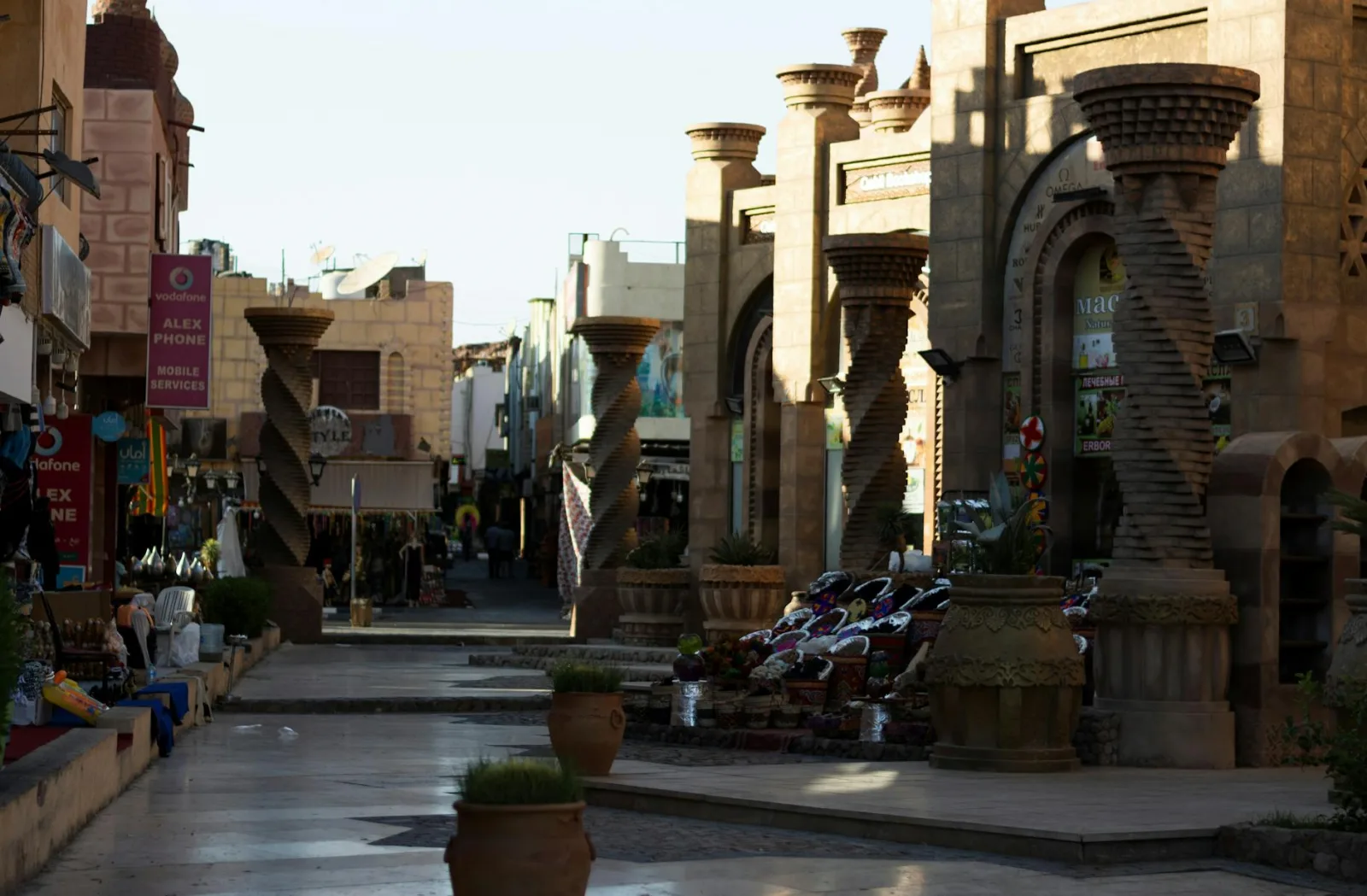
1. **Visit Local Markets**: Explore traditional souks where artisans sell their crafts. Not only will you find unique items, but you’ll also have the opportunity to meet the creators themselves.
2. **Attend Workshops**: Many artisans offer workshops where you can learn about their craft. This hands-on experience deepens your understanding and appreciation of their work.
3. **Participate in Festivals**: Local festivals often showcase traditional crafts. Attending these events allows you to witness live demonstrations and purchase authentic pieces directly from artisans.

Supporting Artisans and Sustainable Practices
Supporting hidden artisans contributes to sustainable practices. Here’s why:
1. **Economic Support**: Purchasing directly from artisans ensures that your money goes back into the local economy, helping communities thrive.
2. **Cultural Preservation**: By valuing and buying traditional crafts, you help preserve cultural heritage that might otherwise be lost to modernization.
3. **Environmental Awareness**: Many artisans use sustainable materials and methods, which minimizes environmental impact. Supporting them encourages responsible craft production.
Common Mistakes to Avoid When Engaging with Artisans
While it’s rewarding to connect with hidden artisans, there are pitfalls to avoid:
1. **Assuming All Items are Authentic**: Not all items sold in markets are handmade or authentic. Ask artisans about their work to ensure you are purchasing genuine pieces.
2. **Bargaining Excessively**: While haggling is common in many markets, be respectful of artisans’ time and effort. A fair price supports their livelihood.
3. **Neglecting to Learn About the Craft**: Engaging with artisans is not just about buying; it’s about understanding. Take the time to learn about their techniques and cultural significance.
Key Takeaways
The hidden artisans of the Arabian Peninsula offer a glimpse into the rich cultural tapestry of the region. By exploring local crafts, you not only gain unique souvenirs but also support communities and preserve traditions. Remember to connect with artisans through markets, workshops, and festivals, while being respectful and informed about your purchases. The next time you travel, consider seeking out these hidden gems of craftsmanship—they are the heart and soul of the communities you visit.