





Understanding the Concept of Hidden Artisans
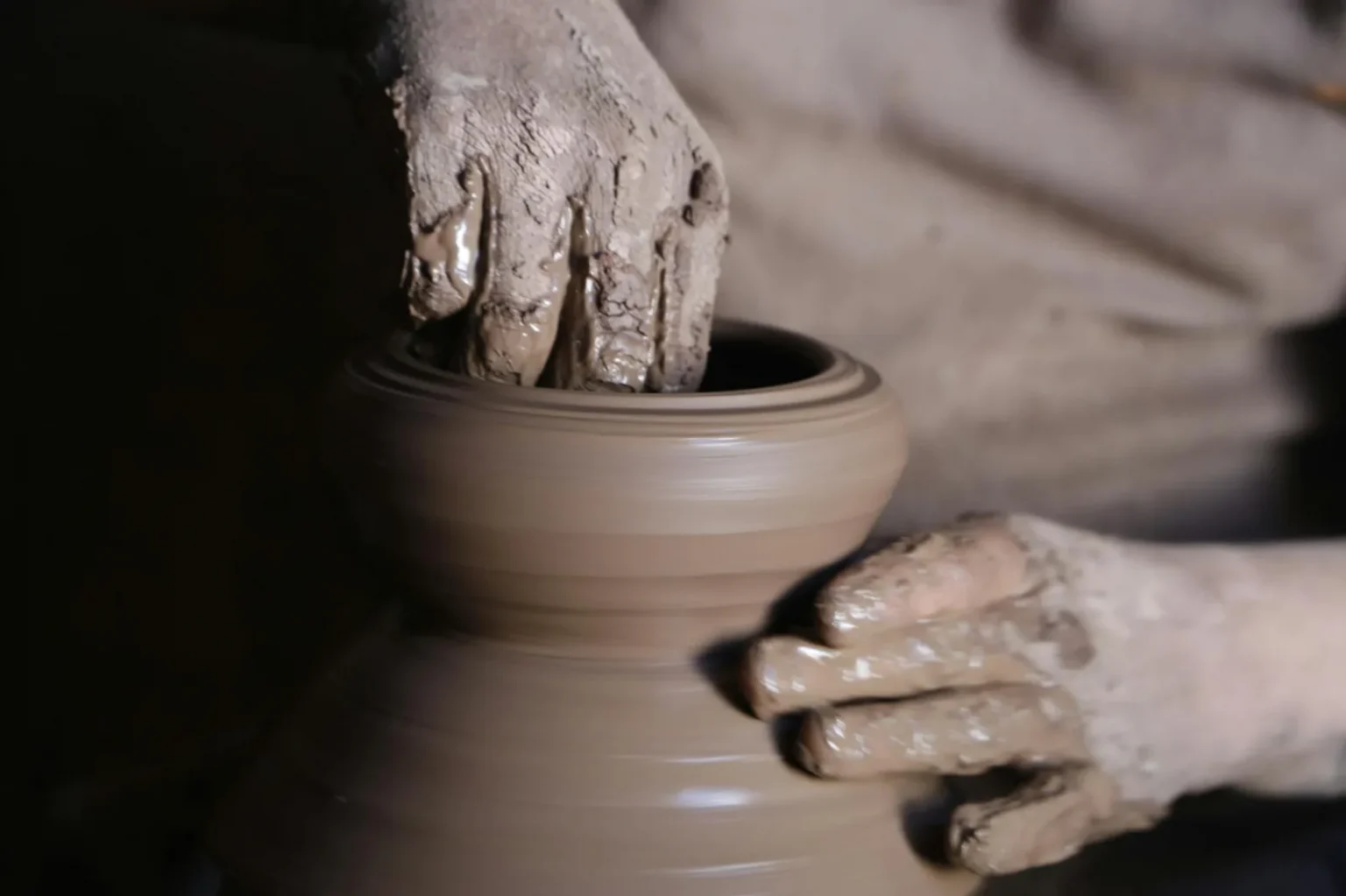
Hidden artisans are skilled craftspeople who operate outside the mainstream spotlight, maintaining traditional techniques that are often passed down through generations. In rural Egypt, these artisans embody a cultural heritage that is rich and diverse, yet frequently overlooked by tourists and travelers. Understanding their work not only helps preserve these crafts but also supports local economies.
- Understanding the Concept of Hidden Artisans
- The Importance of Local Crafts in Rural Egypt
- 1. Identifying Hidden Artisans: Where to Start
- 2. Exploring Traditional Crafts: Key Examples
- 3. The Process of Crafting: From Raw Material to Finished Product
- 4. Challenges Faced by Hidden Artisans
- 5. Supporting Hidden Artisans: How You Can Help
- 6. The Future of Hidden Artisans in Rural Egypt
- Summary and Key Takeaways
The Importance of Local Crafts in Rural Egypt
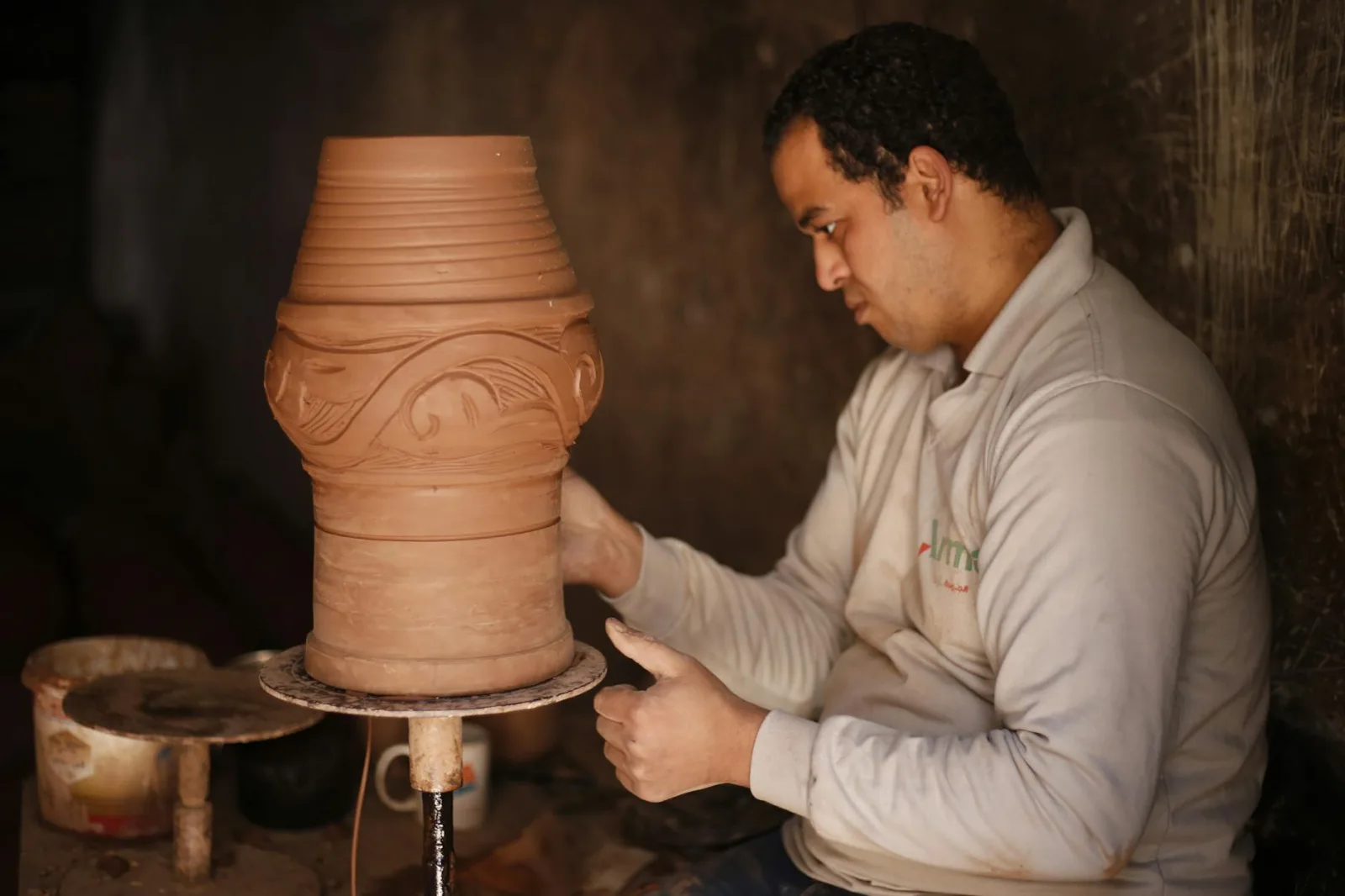
Local crafts play a vital role in the cultural identity of rural Egyptian communities. These crafts can include pottery, weaving, and metalwork, each with its own historical significance and unique techniques. For instance, the art of pottery in villages like Fustat has been practiced for centuries, showcasing designs that reflect the region’s history and environment. This connection between craft and culture is crucial; it fosters community pride and encourages younger generations to engage with their heritage.
1. Identifying Hidden Artisans: Where to Start
To discover hidden artisans, you need to venture beyond popular tourist spots. Here are steps to guide you:
- Research Local Villages: Focus on lesser-known areas, such as El Minya or Siwa, which are renowned for their crafts yet remain relatively undiscovered.
- Engage with the Community: Speak to locals. They can often direct you to artisans who may not have a social media presence.
- Attend Local Markets: Visiting markets is a great way to find artisans showcasing their crafts. Look for handmade items that tell a story.
- Participate in Workshops: If available, workshops provide hands-on experiences and insights into the craft-making process.
2. Exploring Traditional Crafts: Key Examples
Several traditional crafts are emblematic of rural Egypt. Understanding these will deepen your appreciation:
- Pottery: In areas like Fayoum, artisans create intricate pottery using techniques that date back to Pharaonic times. The clay used is locally sourced, ensuring each piece is unique.
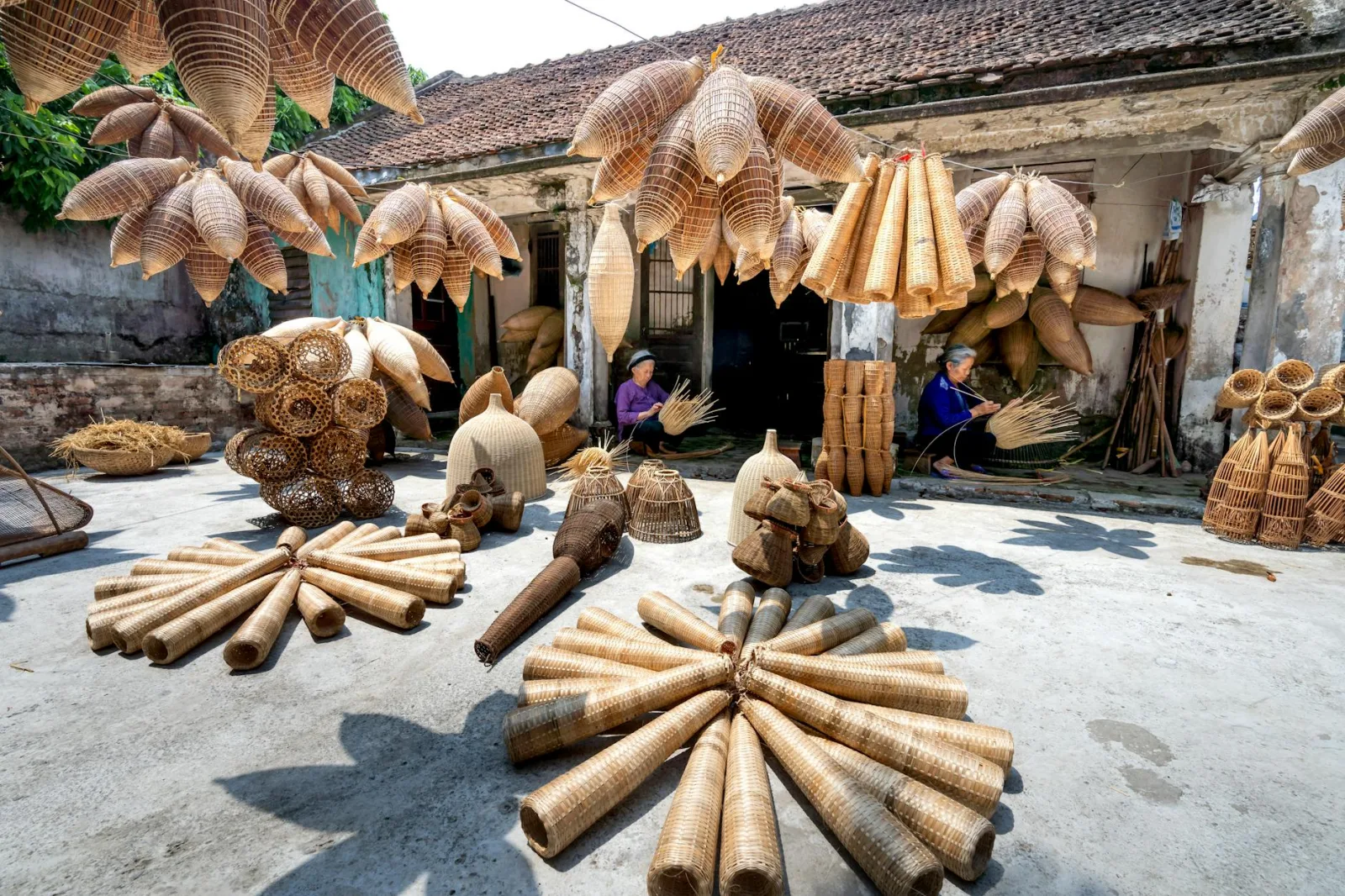
- Weaving: The craft of weaving in Nubian villages utilizes vibrant colors and patterns. The textiles produced often carry cultural significance, reflecting community stories and values.
- Metalwork: In places like Cairo’s Khan el-Khalili, metal artisans create stunning pieces, from intricate jewelry to functional objects, often using techniques handed down through generations.
3. The Process of Crafting: From Raw Material to Finished Product
The journey of a craft item begins with sourcing raw materials. For instance, pottery artisans gather clay from local riverbeds, ensuring it has the right consistency for shaping. This is followed by:
- Shaping: Artisans mold the clay into desired forms using their hands or simple tools.
- Drying: The shaped items are left to dry naturally, which can take several days, depending on the climate.
- Firing: Once dried, the pottery is fired in a kiln. This process solidifies the clay and can add unique textures.
- Decorating: Artisans often paint or glaze their pieces, using traditional patterns that are representative of their culture.
4. Challenges Faced by Hidden Artisans
While the craftsmanship is rich, hidden artisans face numerous challenges that threaten their existence:
- Modernization: As demand shifts toward mass-produced items, many artisans struggle to compete on price.
- Lack of Recognition: Without exposure, many artisans remain unknown, limiting their ability to sell their goods beyond local markets.
- Financial Constraints: Crafting requires investment in materials and tools, which may be a barrier for some artisans.
5. Supporting Hidden Artisans: How You Can Help
As a traveler or a supporter of local crafts, there are several ways you can contribute:
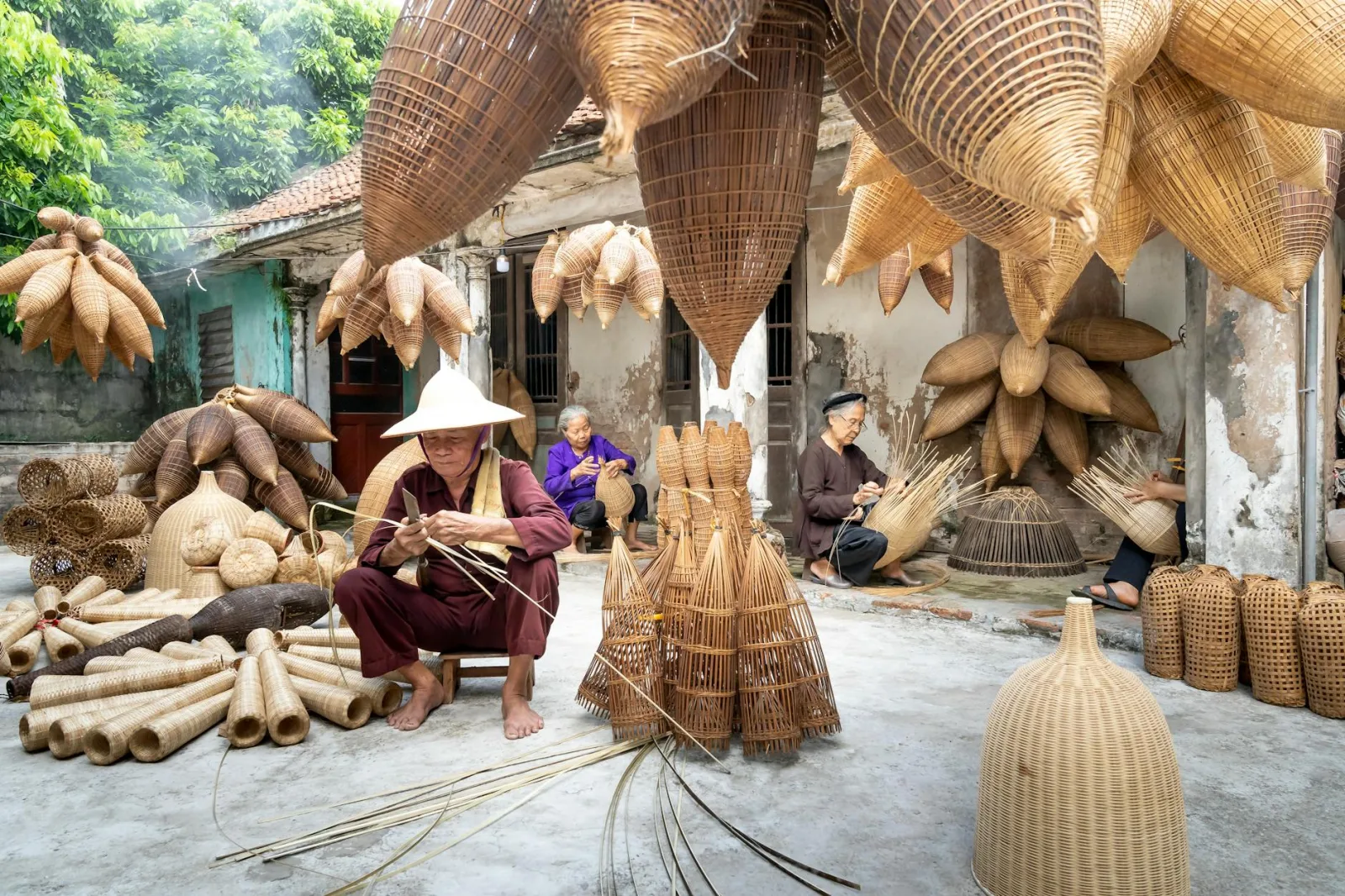
- Buy Directly: Purchasing directly from artisans ensures they receive fair compensation for their work.
- Promote Their Work: Sharing your experiences on social media can help raise awareness about their crafts and attract more visitors.
- Participate in Cultural Exchanges: Engage in programs that promote artisan skills, allowing for knowledge transfer between cultures.
6. The Future of Hidden Artisans in Rural Egypt
The future of these artisans depends on the preservation of their crafts and the communities supporting them. Sustainable tourism can play a significant role in this. By promoting responsible travel that values cultural experiences over mere consumption, we can help ensure that these hidden artisans continue their work for generations to come.
Summary and Key Takeaways
Discovering the hidden artisans of rural Egypt offers a unique glimpse into the country’s rich cultural tapestry. Through local crafts, you can connect with history, community, and identity. Here are the key takeaways:
- Hidden artisans are crucial for maintaining cultural heritage.
- Engagement with local communities can lead to discovering unique crafts.
- Understanding the crafting process enriches your appreciation of the art.
- Supporting artisans through direct purchases and promotion helps sustain their crafts.
As you explore rural Egypt, take the time to seek out these artisans. Their stories and creations will not only enhance your travel experience but also contribute to the preservation of a rich cultural heritage.