





Unveiling Hidden Culinary Trails
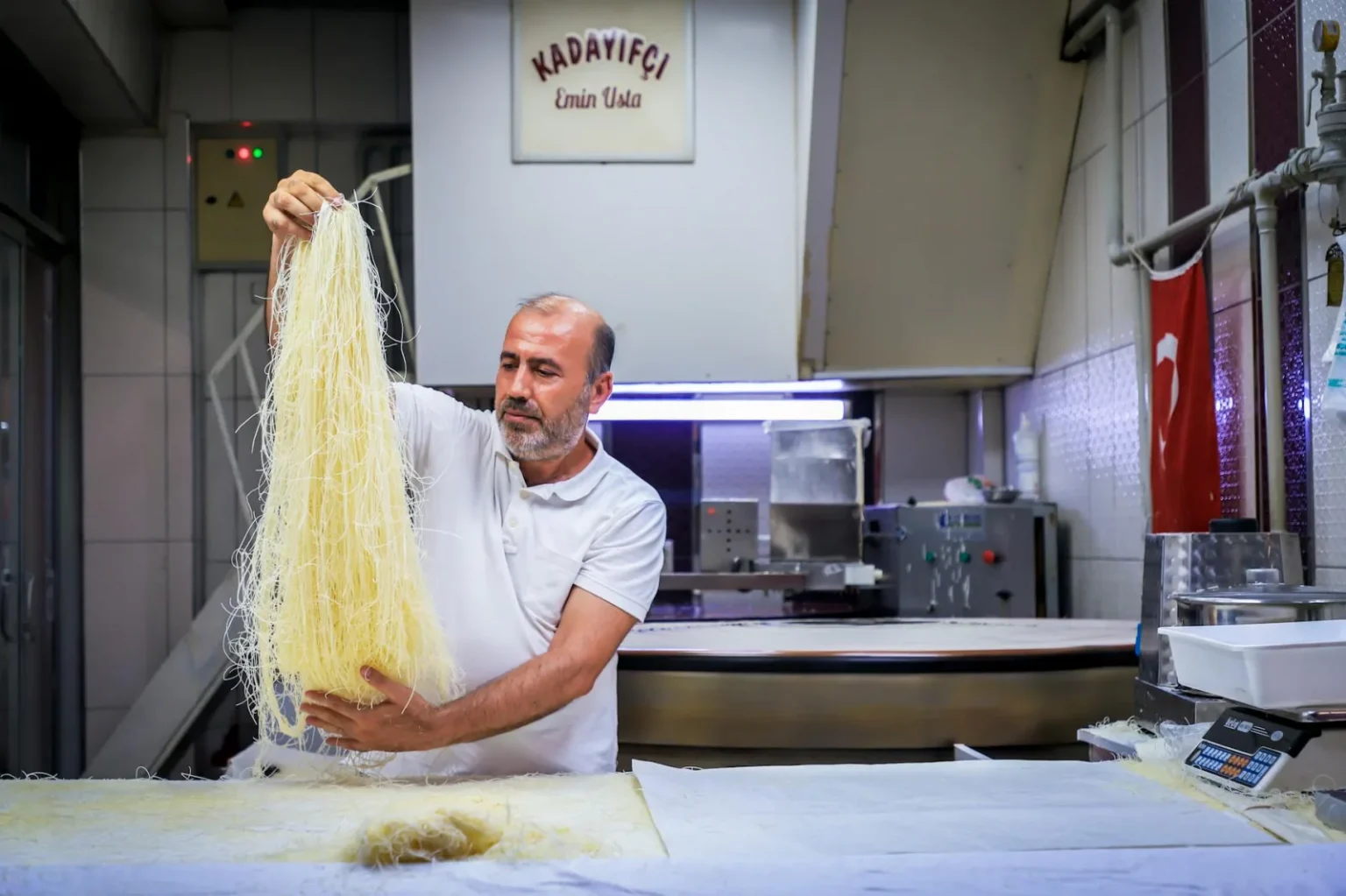
Saudi Arabia is often associated with its grand cities, but the real charm lies in its underrated towns, where authentic food experiences flourish. Hidden culinary trails can be found in these locales, providing a glimpse into the rich tapestry of local traditions and flavors. These trails lead not only to unique dishes but also to stories from the people who have been cooking them for generations.
Understanding Authentic Food Experiences
When we talk about authentic food experiences, we refer to meals that reflect the cultural heritage and local ingredients of a region. These experiences are often found in family-owned restaurants or street vendors who have perfected their recipes over decades. For instance, in towns like AlUla and Al Bahah, you can find traditional dishes that are rarely showcased in mainstream travel guides. Here, food is not just sustenance; it’s a narrative of history, community, and identity.

Why Seek Out Underrated Towns?
Exploring underrated towns allows you to step away from the tourist traps and delve into a more genuine experience. These areas often boast fewer crowds and prices that are more reflective of local economies. For example, in the small town of AlUla, you might discover local markets where you can taste freshly made dates and traditional bread made from ancient grains. This direct contact with local producers enriches your culinary journey immensely.
Notable Hidden Culinary Trails
1. **AlUla’s Heritage Trail**: This trail leads you through the historical heart of AlUla, where you can sample dates stuffed with nuts, fresh goat cheese, and traditional stews. Don’t miss the chance to visit a local farm and learn how to make traditional Arabic coffee.
2. **Al Bahah’s Forest Path**: Nestled in the mountains, Al Bahah is known for its unique climate which produces an array of fruits and vegetables. You can explore local markets and enjoy dishes like ‘Mandi’, a fragrant rice and meat dish, prepared in traditional clay pots.
3. **Jazan’s Coastal Route**: Along the Red Sea, Jazan offers a blend of seafood dishes that reflect its coastal heritage. Try the grilled fish marinated in local spices, served with fresh herbs and vegetables from nearby farms. You may also want to join a fishing trip and cook your catch the same day.
How to Plan Your Culinary Journey
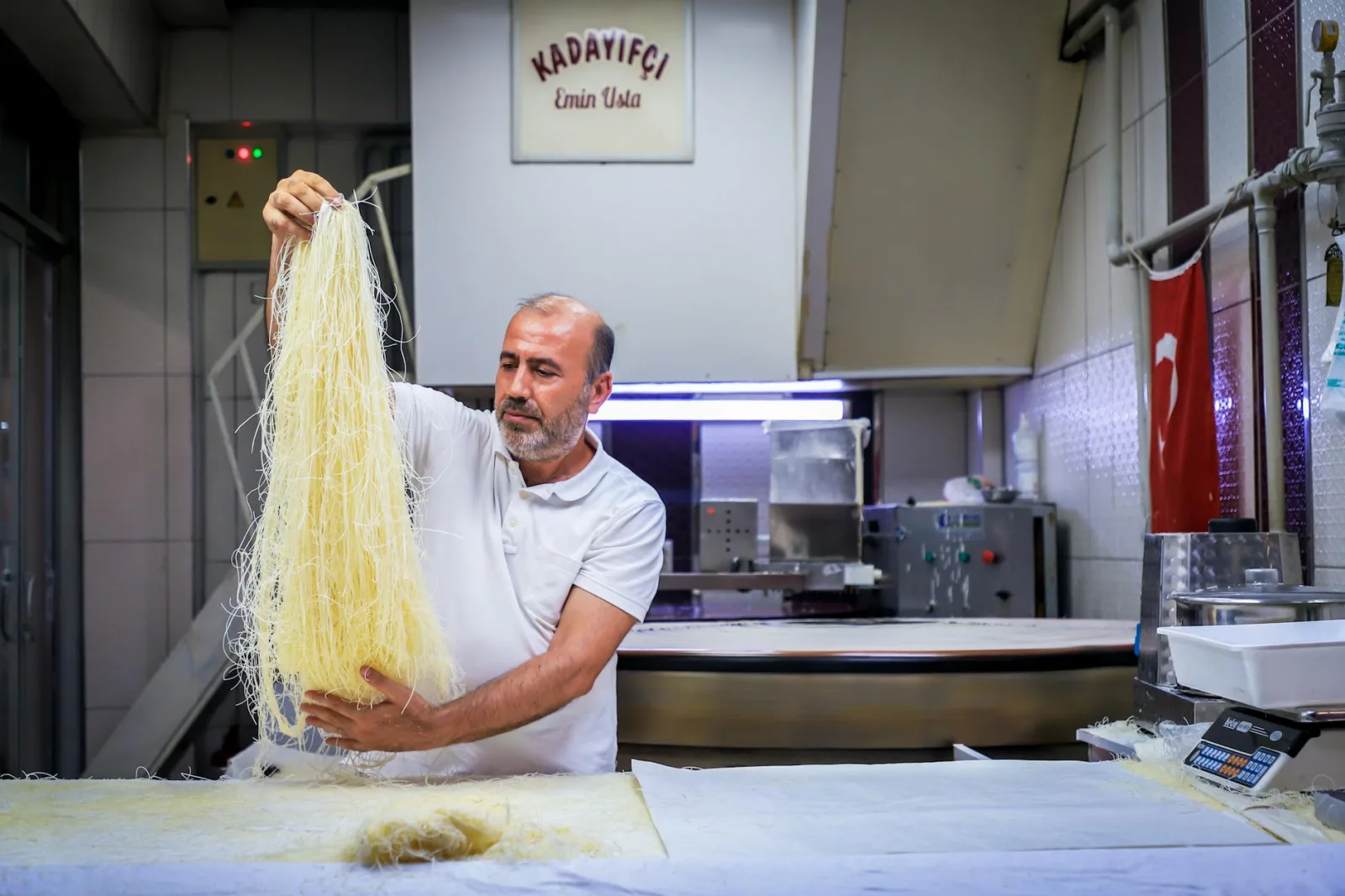
To make the most of your hidden culinary trails experience, consider the following steps:
- Research Local Festivals: Events often feature local foods and traditions, so check the calendar before your visit.
- Connect with Locals: Use social media platforms to reach out to local food enthusiasts who can guide you to the best spots.
- Participate in Cooking Classes: Learning how to prepare local dishes not only enhances your experience but also allows you to take a piece of your journey home.
Important note: Always be respectful of local customs and traditions, especially when it comes to food. This respect will enhance your interaction with the community and lead to a more enriching experience.
Exploring Unique Ingredients
Saudi Arabia’s culinary landscape is defined by unique local ingredients that often go unnoticed. For instance, the use of spices like za’atar and sumac, which may be unfamiliar to some, offers a different flavor profile compared to Western cuisines. Understanding these ingredients can deepen your appreciation for the dishes you encounter.
Tips for Responsible Eating
While indulging in local cuisine, it’s essential to practice responsible eating:
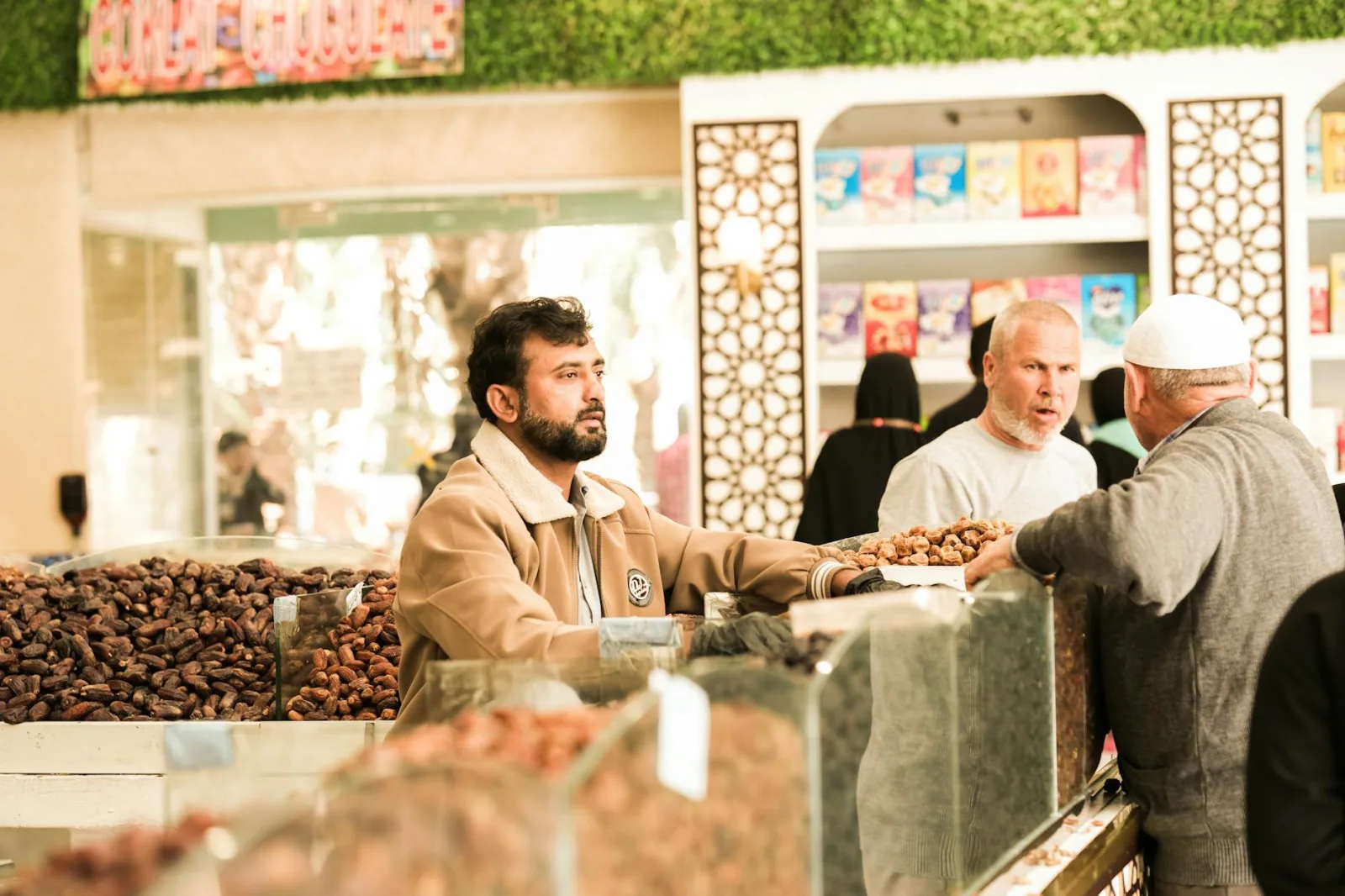
- Support Local Businesses: Choose family-run eateries over international chains. This not only helps the local economy but also provides you with a more authentic experience.
- Waste Minimization: Be mindful of food waste. In many cultures, sharing food is a sign of hospitality, so consider sharing dishes with your travel companions.
- Ask Before Photographing: Always ask for permission before photographing food or the people preparing it. This simple act of courtesy can lead to great conversations and connections.
Key Takeaways
Exploring hidden culinary trails in Saudi Arabia’s underrated towns offers an authentic glimpse into the country’s rich food culture. By seeking out local experiences, you not only enjoy unique flavors but also connect with the community and its traditions. Remember to research ahead, engage with locals, and practice responsible eating during your culinary journey.
In summary, the charm of Saudi Arabia lies not only in its iconic landmarks but also in its culinary traditions that await discovery in lesser-known towns. As you embark on this journey, you’ll gain a deeper appreciation for the cultural narratives that accompany each dish, making your travel experience truly unforgettable.