The Silk Road refers to a vast network of trade routes that connected the East and West for over 1,500 years. It facilitated not only the exchange of silk, spices, and precious metals but also ideas, cultures, and technologies. To truly appreciate the Silk Road, one must look beyond its most famous cities like Samarkand and Istanbul, and discover the lesser-known treasures along its path.
When exploring the Silk Road, consider the following hidden gems:
1. Merv, Turkmenistan
Merv was once a thriving city and a significant center of learning. Today, it offers breathtaking archaeological sites, including the ruins of ancient mosques and caravanserais. The site is less crowded than other Silk Road cities, providing a more intimate experience with history.
2. Kharanaq, Iran
Often overshadowed by larger cities, Kharanaq is an ancient town known for its striking mud-brick architecture. The town’s narrow alleyways and historical structures make it a perfect place to stroll and absorb the atmosphere of centuries past.
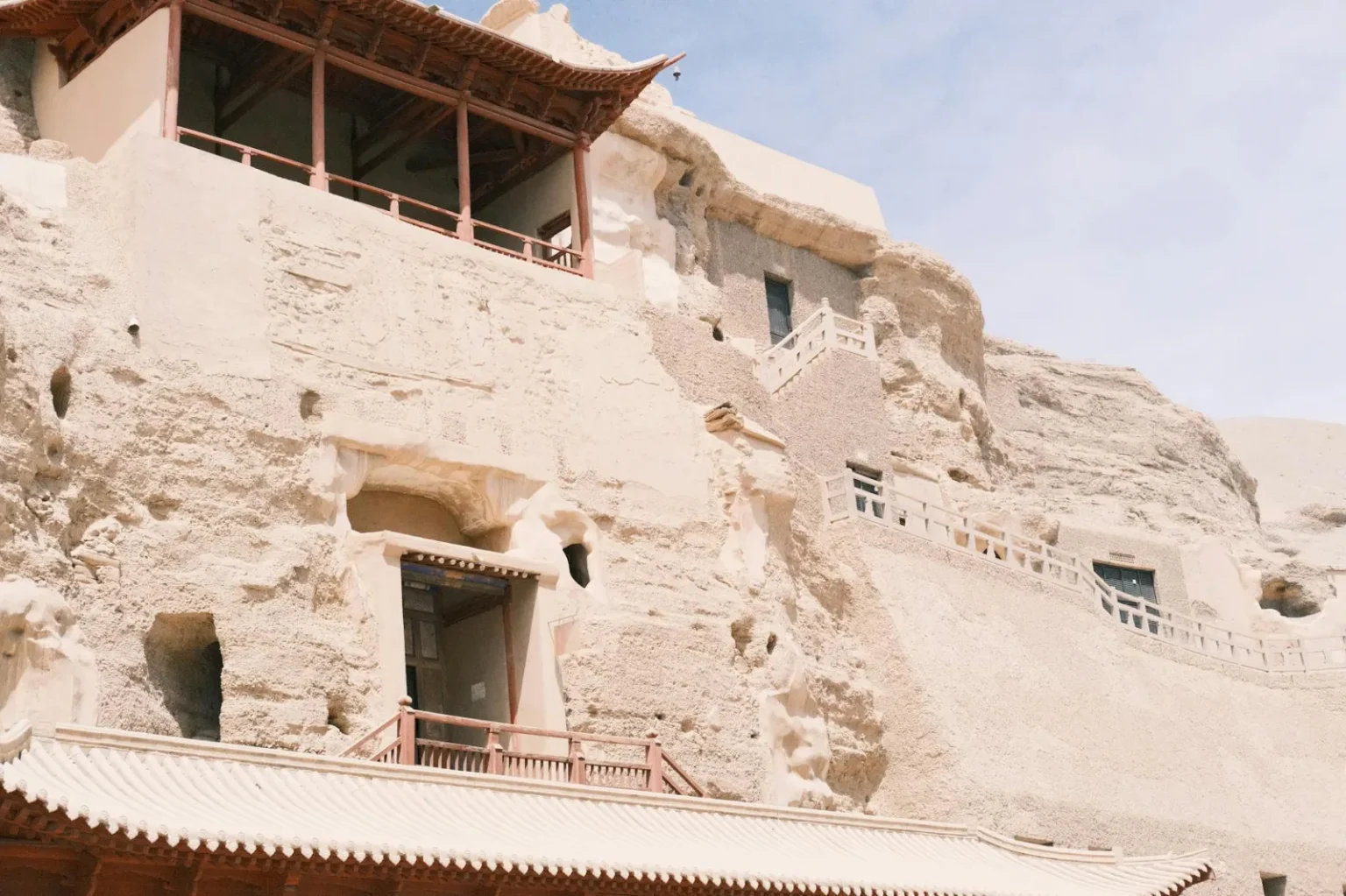
3. Dunhuang, China
While Dunhuang is famous for the Mogao Caves, many visitors overlook the surrounding desert landscapes and lesser-known temples. Exploring these areas can provide deeper insights into the cultural exchanges that occurred along the Silk Road.
📷 Pat Saengcharoen – Pexels
4. Penjikent, Tajikistan
This ancient city, often called the “Pompeii of Central Asia,” is rich in archaeological significance. The nearby ruins and vibrant local culture give visitors a glimpse into the life of Silk Road merchants and travelers.
Step 2: Traveling the Routes
To experience these hidden gems, consider the following practical tips:
1. Plan Your Itinerary
When planning your trip, prioritize destinations based on your interests. For example, if you are fascinated by archaeology, Merv and Penjikent should be at the top of your list. Use maps and travel guides to create a route that allows you to experience a variety of cultures and landscapes.
2. Engage with Local Communities
Connecting with locals can enhance your experience. Consider arranging homestays or guided tours with local historians. This not only supports the community but also provides deeper insights into the culture and history of the places you visit.
3. Be Open to New Experiences
Traveling along the Silk Road can lead to unexpected discoveries. Be willing to explore beyond the traditional tourist sites. Often, the most rewarding experiences are found in the small towns and rural areas that may not appear in travel brochures.
Step 3: Cultural Engagement
Understanding the cultural significance of the Silk Road’s hidden gems can enrich your travel experience:
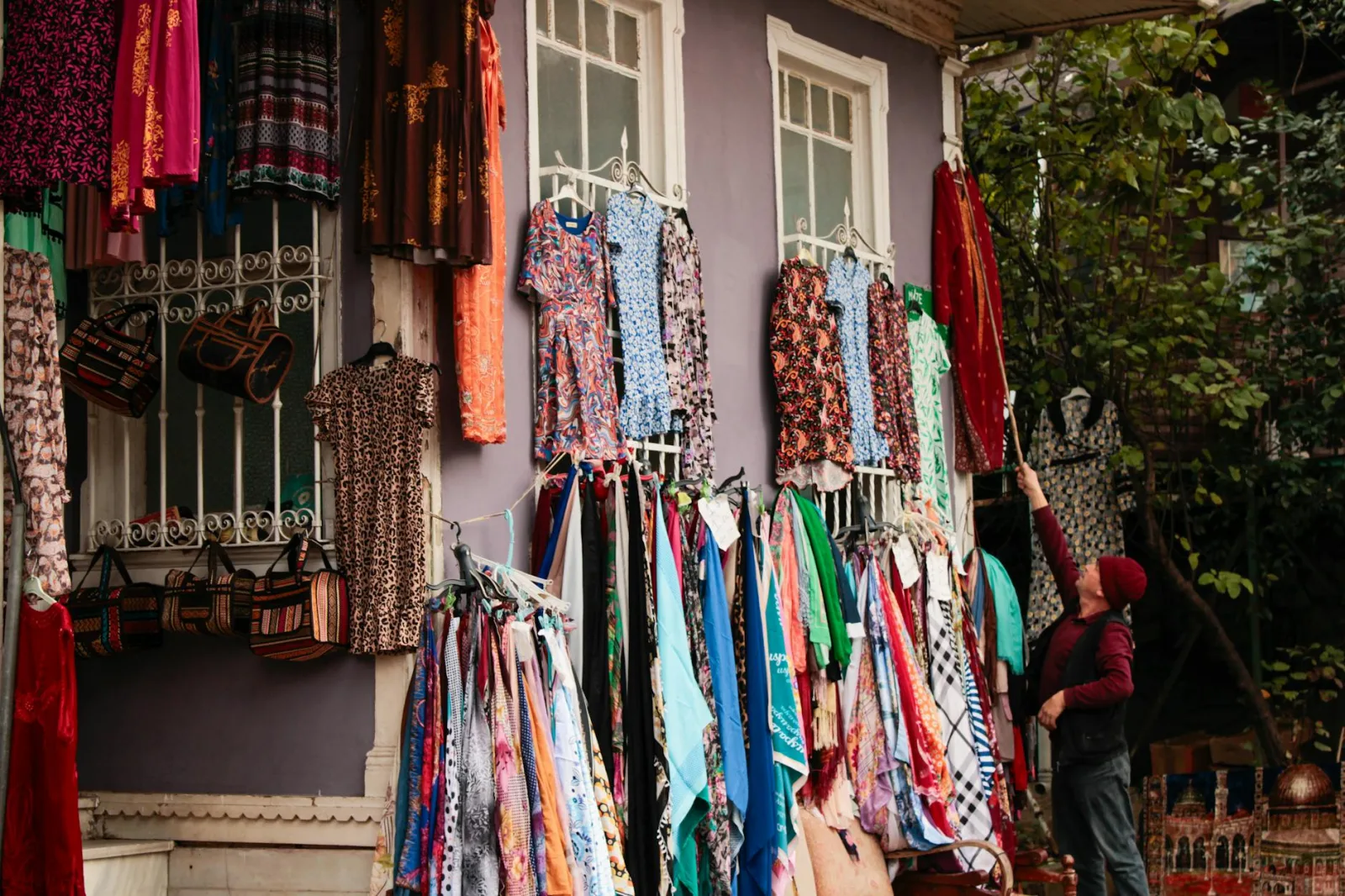
📷 Saliha İNAN – Pexels
1. Attend Local Festivals
Many hidden gems host annual festivals that celebrate their unique heritage. For example, the Isfahan Music Festival in Iran showcases traditional Persian music. Attending such events can provide a deeper appreciation for the local culture.
2. Sample Local Cuisine
Food is a vital part of cultural exchange along the Silk Road. Seek out local eateries to taste traditional dishes. Be sure to try regional specialties that have evolved from centuries of trade and cultural interaction. For example, in Kharanaq, you might find unique variations of kebabs influenced by both Persian and Central Asian flavors.
Step 4: The Role of Technology in Exploration
Modern technology has transformed how we explore historical trade routes. Here are some tools that can enhance your travel:
1. GPS and Mapping Apps
Utilize GPS and mapping applications to navigate less-traveled paths. These can help you find remote locations that might not be listed in traditional guidebooks.
2. Archaeological Databases
Several online databases catalog archaeological sites along the Silk Road. Websites like [The Archaeologist](https://www.thearchaeologist.org/blog/the-forgotten-cities-of-the-silk-road) provide valuable insights into recent discoveries and historical contexts, allowing you to understand the significance of the sites you visit.
📷 Francesco Ungaro – Pexels
3. Social Media and Travel Blogs
Follow travel bloggers and social media accounts dedicated to the Silk Road. They often share hidden gems and tips from their personal experiences. For example, exploring platforms like Instagram can provide visual inspiration and unique insights into lesser-known locations.
Step 5: Environmental Considerations
As you explore these hidden gems, it is essential to consider the environmental impact of your travels:
1. Sustainable Tourism Practices
Choose eco-friendly accommodations and support local businesses that prioritize sustainability. This helps preserve the delicate environments of the regions you visit.
2. Respect Cultural Heritage
Many of the sites along the Silk Road are UNESCO World Heritage Sites. When visiting, follow guidelines to protect these historical treasures. Always ask for permission before taking photographs of local people or sacred sites.
3. Offset Your Carbon Footprint
Consider carbon offset programs when planning your travel to minimize your environmental impact. Many organizations offer programs that allow you to contribute to environmental projects based on your travel emissions.
Conclusion: Embracing the Journey
Discovering the hidden gems along the Silk Road is not just about visiting landmarks; it is about understanding the rich tapestry of cultures and histories that have shaped our world. By engaging with local communities, respecting cultural heritage, and employing modern tools to navigate historical trade routes, you can create a meaningful travel experience. Remember, the journey is as important as the destination. Embrace the unexpected and allow yourself to be immersed in the stories that these hidden gems have to tell.
In summary, exploring the Silk Road offers an opportunity to connect with history and culture. From the ancient ruins of Merv to the vibrant streets of Kharanaq, each destination provides a unique glimpse into the past. By employing sustainable travel practices and engaging with local cultures, you can uncover the secrets of these historical trade routes while promoting responsible tourism.