





Understanding Hidden Markets
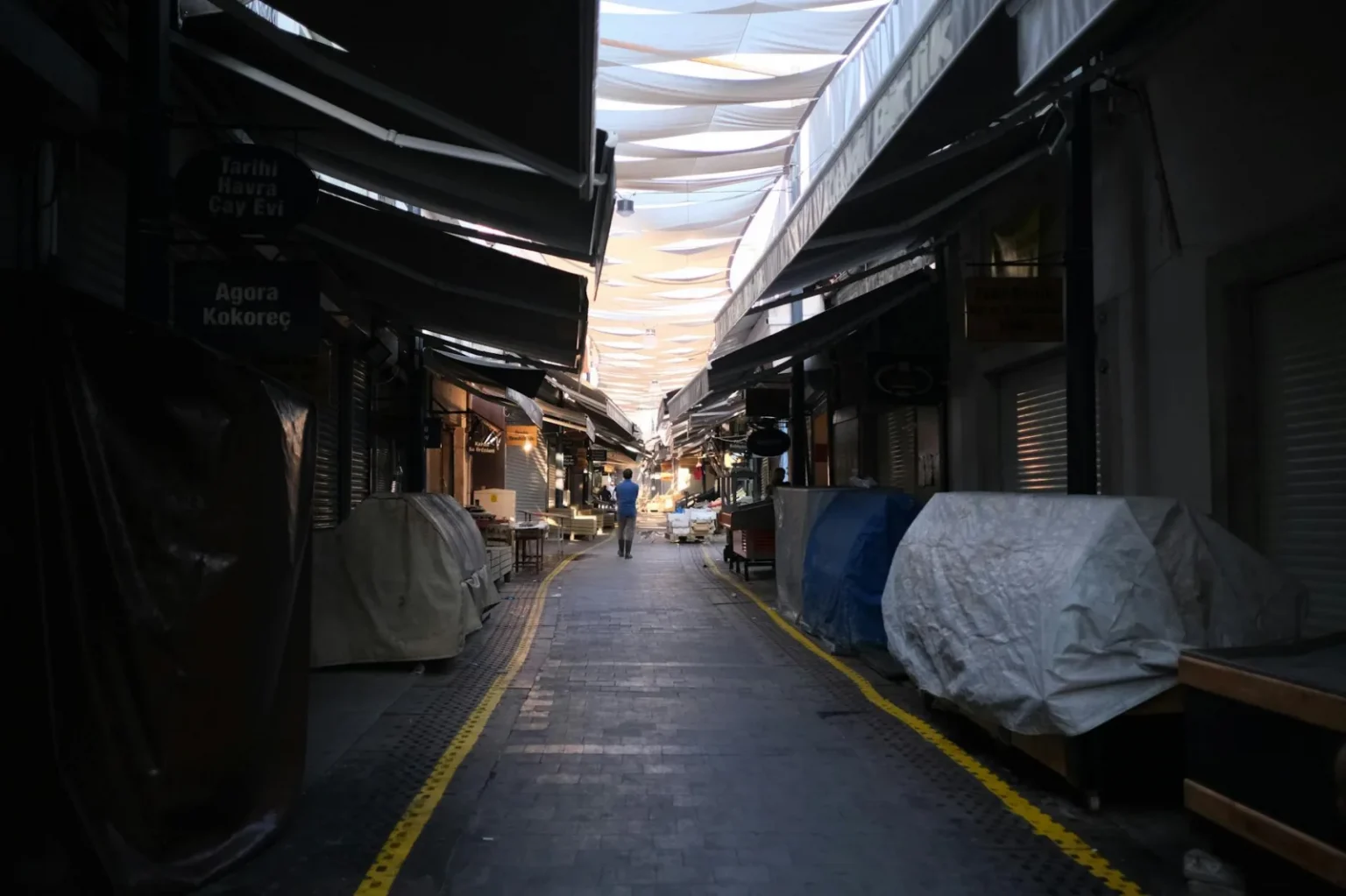
Hidden markets are spaces where local artisans and vendors gather to sell unique products, often reflecting the rich cultural heritage of a region. Unlike mainstream shopping malls, these markets offer authentic experiences, showcasing local craftsmanship and flavors. When you visit a hidden market, you’re not just shopping; you’re engaging with the culture and community of the area.
Why Explore Hidden Markets?
Visiting hidden markets can provide you with unique finds that you won’t encounter in standard tourist spots. You may discover handcrafted goods, traditional textiles, or local delicacies that tell a story of the region. Additionally, shopping in these markets allows you to support local economies directly. For example, purchasing a handwoven carpet from a local artisan ensures that your money stays within the community, helping to sustain their craft.
The Arabian Peninsula: A Treasure Trove of Hidden Markets
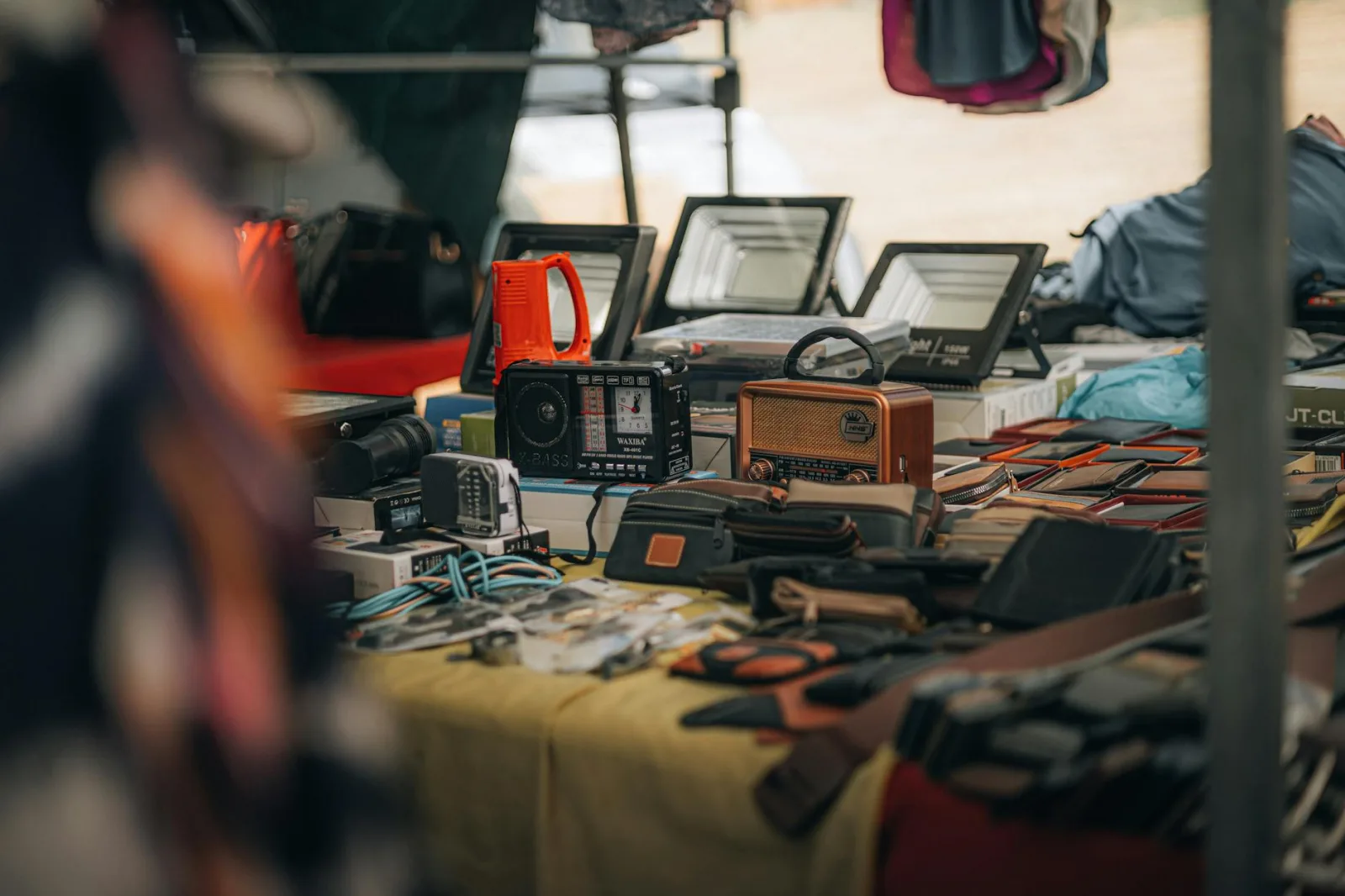
The Arabian Peninsula is home to a variety of hidden markets, each with its distinct offerings. From the bustling souks of Oman to the quaint bazaars of Saudi Arabia, every market presents a unique shopping experience. You might find spices, perfumes, or jewelry that are representative of the local culture. For instance, in the historic alleys of Jeddah, you can find intricate silver jewelry that reflects the artistry of Saudi craftsmanship.
Top Hidden Markets to Visit
1. **Souk Al-Mubarakiya, Kuwait City**: This traditional market is known for its vibrant atmosphere and diverse offerings. Here, you can find everything from spices to handicrafts. Make sure to try the local street food while you explore.
2. **Muttrah Souk, Muscat**: A maze of shops selling textiles, jewelry, and frankincense. The market is steeped in history and offers a unique glimpse into Omani culture.
3. **Al Balad, Jeddah**: A UNESCO World Heritage site, Al Balad is famous for its old coral houses and narrow streets filled with shops selling traditional handicrafts, spices, and textiles.
4. **The Souk, Al Ain, UAE**: Known for its fresh produce and Emirati handicrafts, this market offers a slice of local life away from the typical tourist paths.
5. **Sooq Waqif, Doha**: A vibrant market where you can find traditional Qatari crafts, spices, and souvenirs. The atmosphere is lively, with many cafes to relax and enjoy local dishes.
How to Navigate Hidden Markets
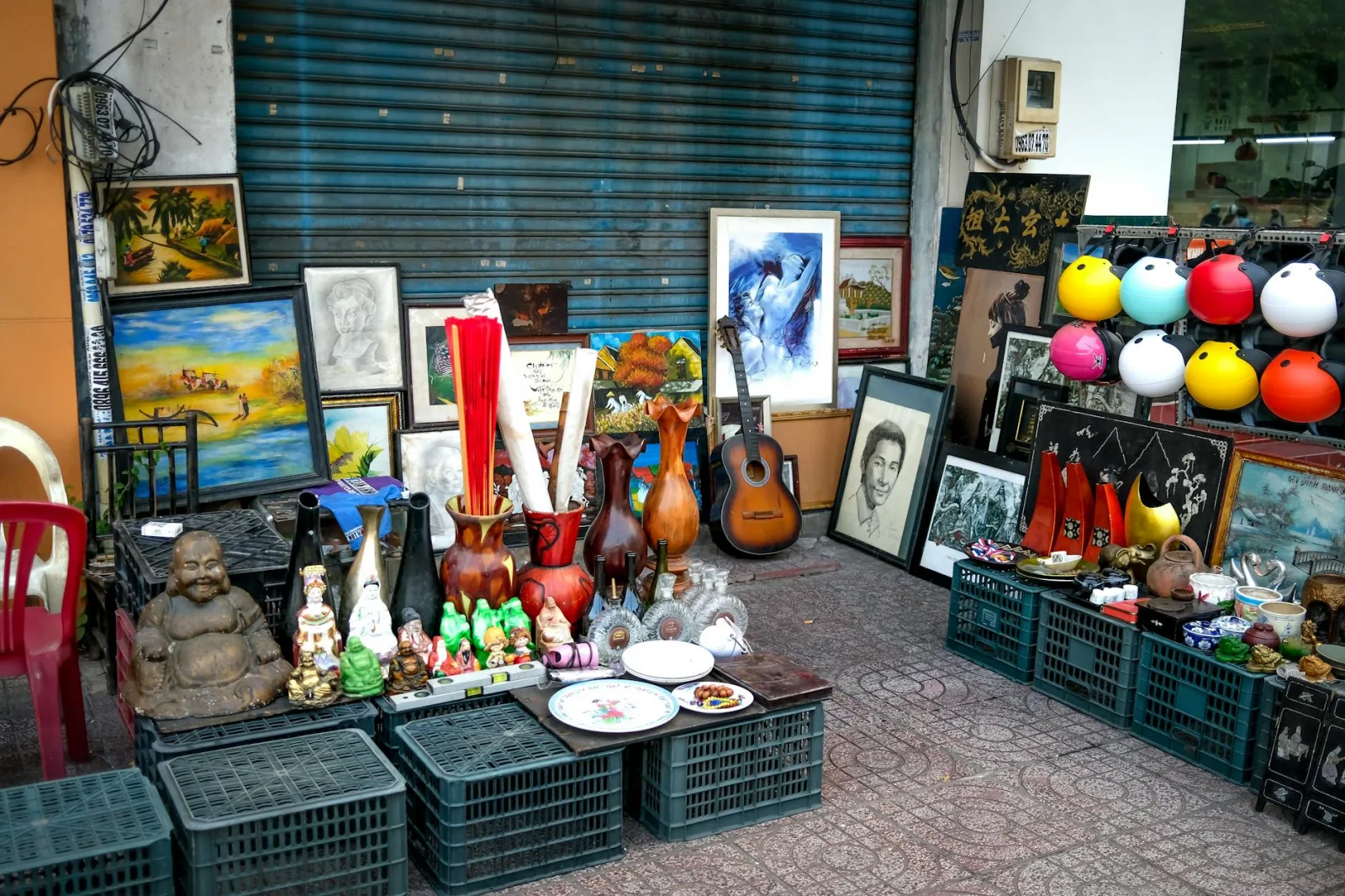
Navigating hidden markets can be an adventure in itself. Here are some practical steps to enhance your experience:
- Do Your Research: Before you visit, read about the market, its history, and what you can expect to find. Knowing what to look for can enhance your experience.
- Engage with the Locals: Don’t hesitate to strike up conversations with vendors. They can share stories about their crafts and even teach you about local customs.
- Practice Your Bargaining Skills: Bargaining is often a part of the shopping experience in markets. Approach it as a friendly negotiation rather than a confrontation.
- Be Mindful of Cultural Norms: Dress modestly and respect local customs. This not only shows respect but can also lead to a more welcoming experience.
- Carry Cash: Many vendors in hidden markets may not accept credit cards, so carrying cash is essential. Always have some small bills for easier transactions.
Unique Finds to Look For
When exploring hidden markets, you’ll encounter a plethora of unique finds. Here are some items to keep an eye out for:
- Handcrafted Textiles: Look for traditional garments, rugs, and tapestries that often feature local patterns and colors.
- Spices and Herbs: Many markets offer a variety of spices that can be used to recreate local dishes at home. Consider purchasing unique blends that may not be available elsewhere.
- Artisan Jewelry: Each region has its distinctive style, so seek out local jewelry that reflects the cultural heritage of the area.
- Local Artwork: From paintings to pottery, local artists often sell their work directly in the markets, providing you with a piece of the local culture.
Tips for a Successful Market Experience
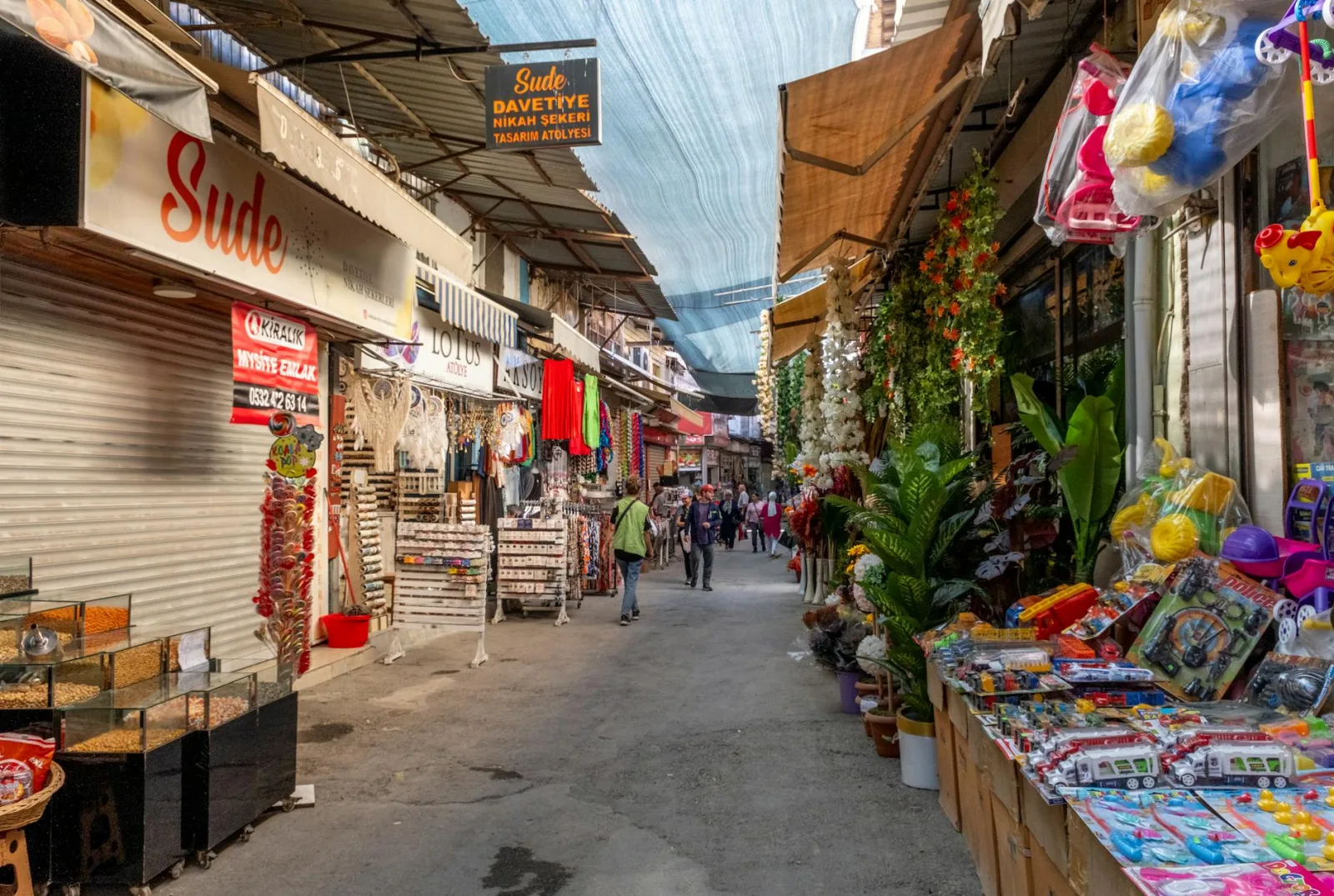
To make the most of your visit to hidden markets, consider the following tips:
- Go Early: Arriving early can help you avoid crowds and get the best selection of items.
- Stay Hydrated: Markets can get hot, especially in the Arabian Peninsula. Carry water to keep yourself hydrated during your exploration.
- Take Your Time: Don’t rush through the market. Take your time to explore and appreciate the craftsmanship of the items offered.
- Document Your Experience: Capture moments with photos, but always ask for permission if you’re photographing people or their stalls.
Common Mistakes to Avoid
While exploring hidden markets can be rewarding, there are common mistakes you should be aware of:
- Ignoring Local Customs: Failing to respect local norms can lead to uncomfortable situations. Always be aware of your surroundings and follow cultural guidelines.
- Rushing Decisions: Take your time to compare items and prices. Rushing can lead to buyer’s remorse.
- Overlooking Quality: Just because something is inexpensive doesn’t mean it’s of good quality. Inspect items carefully before purchasing.
Conclusion: Embrace the Experience
Exploring the hidden markets of the Arabian Peninsula offers not just a shopping experience, but an opportunity to connect with local cultures and communities. By engaging with artisans, trying unique foods, and learning about traditional crafts, you enrich your travel experience. Remember to respect local customs, take your time, and enjoy the journey. Each market visit can lead to discovering something truly special — a unique find that will serve as a cherished memory of your travels.
For further exploration of the Arabian Peninsula, consider visiting hidden artisan villages or uncovering hidden historical landmarks that tell the rich stories of this vibrant region.