Discovering the Hidden Oasis Towns of the Arabian Peninsula: Where Serenity Meets Culture
By
Share
The Allure of Hidden Oasis Towns
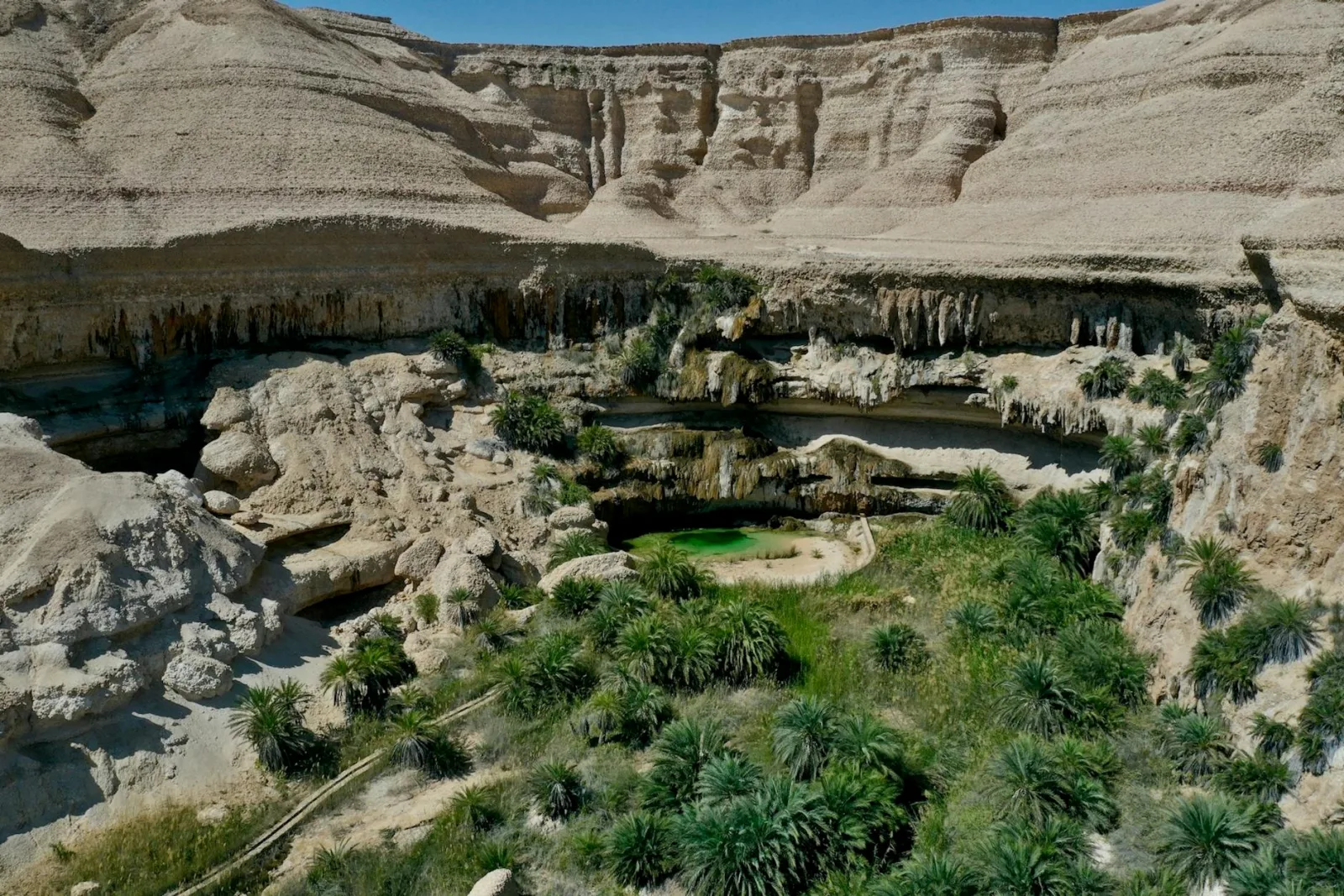
The Arabian Peninsula, known for its vast deserts and modern cities, also hides serene towns that offer a peaceful escape and rich cultural experiences. Hidden oasis towns are often situated near water sources, providing fertile ground for agriculture and a unique way of life that stands in contrast to the surrounding arid landscapes. These towns grant travelers an opportunity to connect with local traditions, savor authentic cuisine, and explore stunning natural beauty.
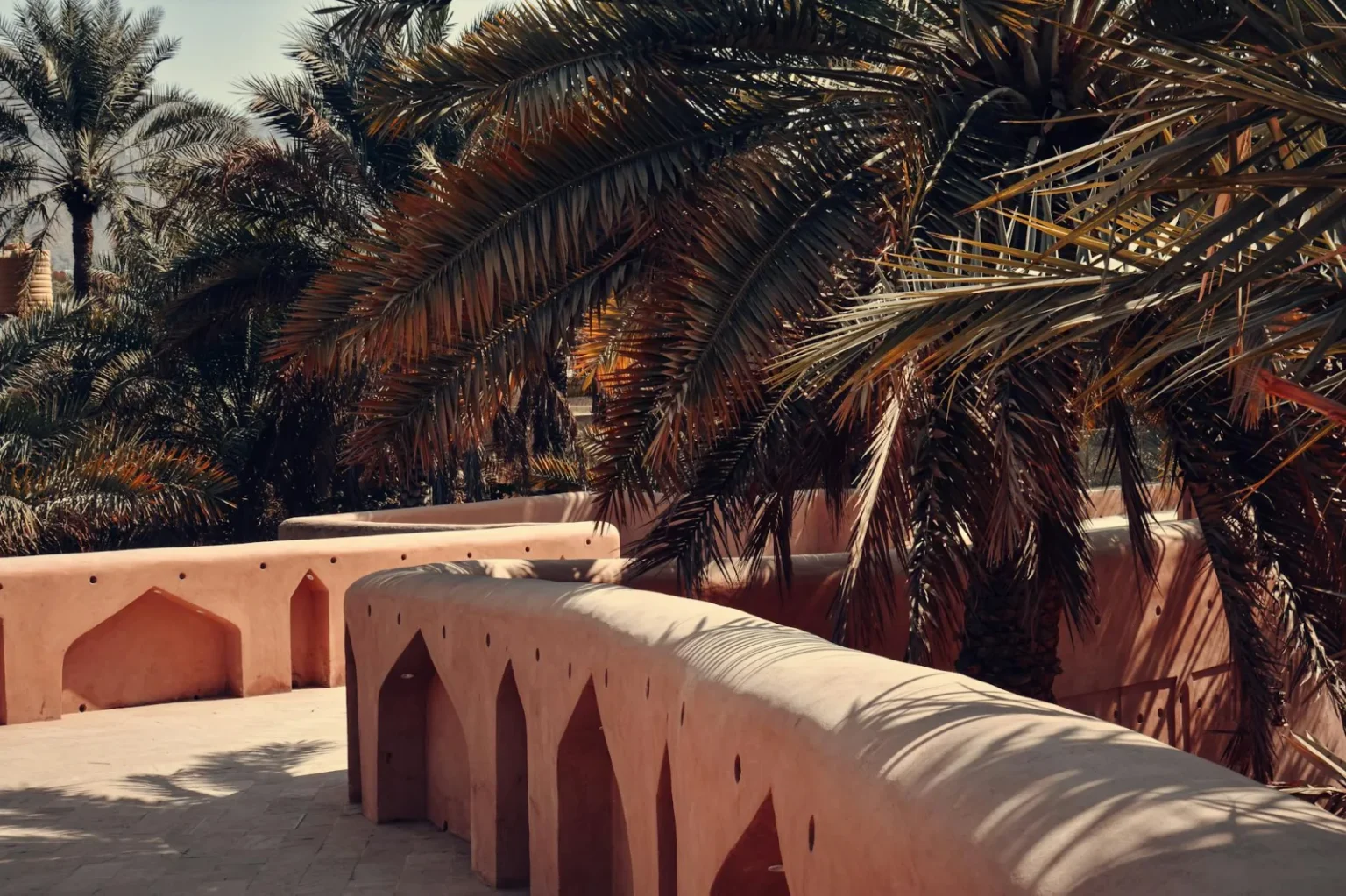
To appreciate the charm of hidden oasis towns, it’s essential to understand what defines them. An oasis is a fertile area in a desert, usually surrounding a water source. This availability of water allows for agriculture and habitation. The towns that develop around these oases often feature lush palm groves, gardens, and a slower pace of life. For instance, the town of Al Ain in the UAE is known for its date palm plantations and historical forts, making it a prime example of a vibrant oasis town.
2. Notable Hidden Oasis Towns in the Arabian Peninsula
Several hidden oasis towns in the Arabian Peninsula deserve your attention. Each town boasts unique characteristics and cultural significance. Here are a few notable mentions:
2.1. Al Ula, Saudi Arabia
Al Ula, often overshadowed by more famous destinations, is home to spectacular rock formations and archaeological sites. The ancient Nabatean city of Madain Saleh is nearby, showcasing incredible tombs carved into sandstone cliffs. Al Ula’s serene atmosphere makes it perfect for hiking and exploring the vast desert landscapes.
📷 FRANCK LEMOZY – Pexels
2.2. Al Ain, UAE
This oasis city is distinguished by its lush greenery and rich history. Al Ain is home to several UNESCO World Heritage Sites, including the Hili Archaeological Park. Here, you can explore ancient structures while enjoying the tranquil surroundings of its gardens and fountains.
2.3. Liwa Oasis, UAE
Nestled at the edge of the Rub’ al Khali, or Empty Quarter, Liwa Oasis is a collection of towns known for their date palms and traditional Bedouin culture. You can experience local traditions by visiting the Liwa Date Festival, where you can taste various date products and learn about their significance in Emirati culture.
3. Experiencing the Culture
Visiting hidden oasis towns is not just about seeing the sights; it’s about immersing yourself in local culture. Here are ways to enhance your experience:
3.1. Attend Local Festivals
Many oasis towns celebrate their heritage through festivals. For example, the Date Festival in Liwa offers a chance to participate in cultural activities, showcasing traditional crafts and cooking. Planning your visit around these events can provide you with a deeper understanding of local customs.
3.2. Explore Traditional Cuisine
Food is an integral part of any culture. In oasis towns, you can find unique dishes that reflect local ingredients and traditions. Try traditional Emirati dishes like Al Harees or Shawarma, which are often served during communal meals. Engaging with locals can lead to discovering hidden culinary gems that aren’t available in tourist-heavy areas.
📷 Bochao Jia – Pexels
3.3. Learn the Local Craft
Participating in workshops can enhance your appreciation for local culture. Many oasis towns offer craft workshops where you can learn pottery, weaving, or traditional cooking. This hands-on experience not only supports local artisans but also creates lasting memories.
4. Tips for Visiting Hidden Oasis Towns
To make the most of your visit to these serene destinations, consider these practical tips:
4.1. Plan Ahead
Research your destination and plan your itinerary, focusing on the specific towns you want to visit. Knowing the best time to visit, local customs, and available accommodations can enhance your experience significantly. For instance, the cooler months from October to March are ideal for exploring outdoor sites.
4.2. Be Respectful
When visiting local communities, remember to respect their customs and traditions. Dress modestly, seek permission before photographing individuals, and be mindful of local etiquette. This respect fosters positive interactions and enriches your experience.
📷 Seckin Ayazlar – Pexels
4.3. Stay Hydrated
Given the desert climate, staying hydrated is crucial. Always carry water with you, especially when exploring outdoor areas. Dehydration can quickly lead to fatigue, so drink water regularly, even if you don’t feel thirsty.
5. The Natural Beauty of Oasis Towns
One of the most striking features of hidden oasis towns is their natural beauty. The contrast between the lush greenery of the oasis and the surrounding desert creates stunning landscapes. Here’s how you can appreciate this beauty:
5.1. Hiking and Nature Walks
Many oasis towns offer trails for hiking and nature walks. In Al Ula, for example, you can explore the rock formations and ancient ruins on foot, allowing for a more intimate experience with the environment. Always check local guides for recommended trails and their difficulty levels.
5.2. Photography Opportunities
The unique landscapes of oasis towns present excellent photography opportunities. Capture the interplay of light and shadow during sunrise or sunset, and don’t forget to photograph the local flora and fauna. Remember to respect nature by following designated paths and not disturbing wildlife.
5.3. Stargazing
Being away from urban lights makes oasis towns ideal for stargazing. Spend a night outdoors to enjoy the clear skies and myriad stars. This serene experience can be both calming and awe-inspiring, providing a perfect end to your day of exploration.
Conclusion: Key Takeaways
Hidden oasis towns in the Arabian Peninsula offer a unique blend of serenity and cultural richness, making them worthwhile destinations for travelers seeking authentic experiences. Whether you find yourself in Al Ula, Al Ain, or Liwa Oasis, you’ll discover landscapes that inspire peace and communities that welcome you with open arms. Remember to plan ahead, respect local customs, and immerse yourself in the culture through food, festivals, and crafts. By doing so, you not only enrich your travel experience but also contribute positively to the communities you visit.