




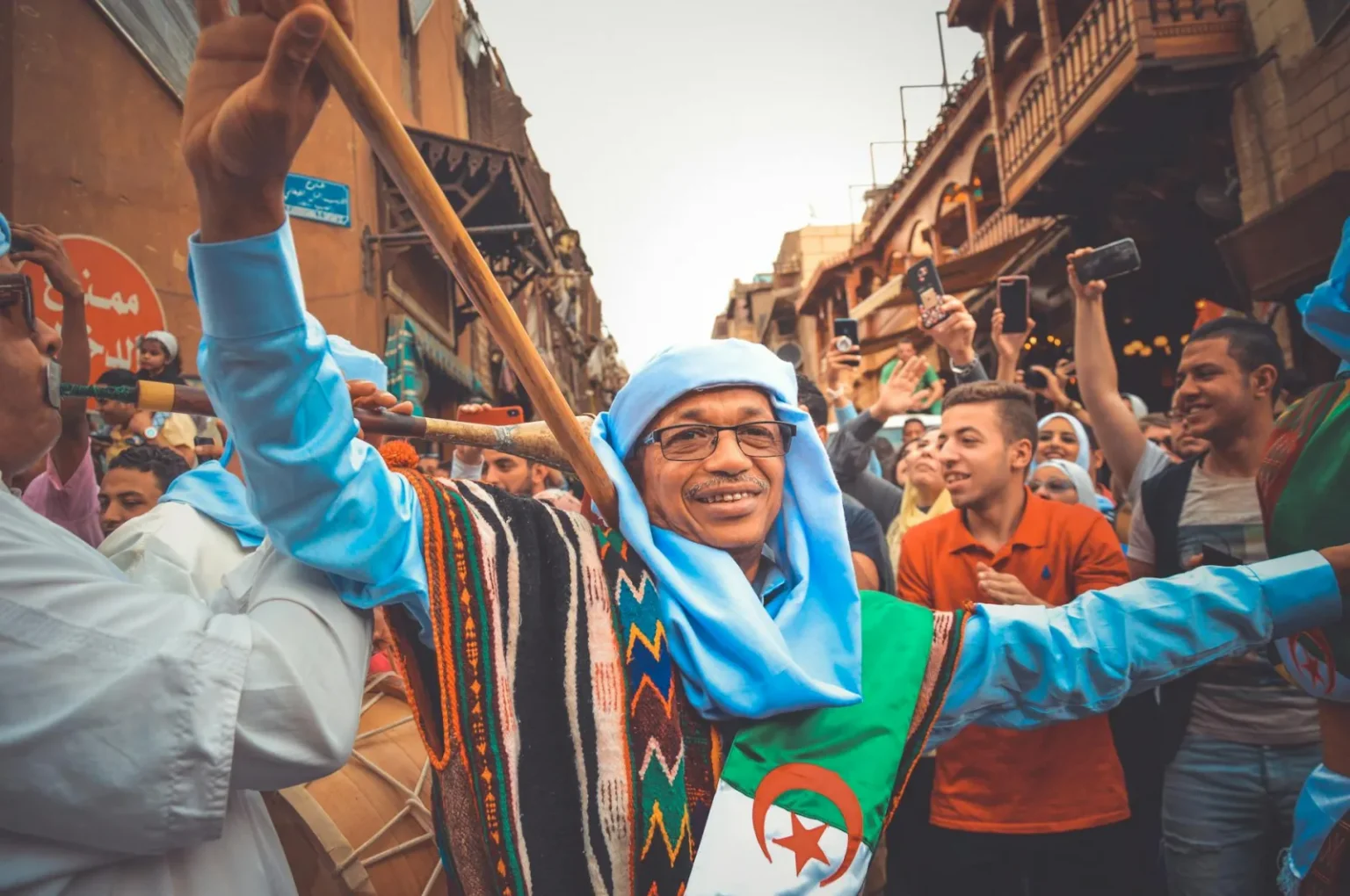

Understanding Cairo’s Rich Tapestry of Rituals
Cairo is a city steeped in history and tradition, where daily life is interwoven with rituals and ceremonies that reflect its vibrant culture. These Cairo rituals are not merely events; they are a window into the soul of the city, revealing local customs and communal values. To truly appreciate Cairo, you must delve into these hidden practices that shape the lives of its inhabitants.
- Understanding Cairo’s Rich Tapestry of Rituals
- The Significance of Local Ceremonies
- Major Cultural Celebrations in Cairo
- Exploring Lesser-Known Cairo Rituals
- Traditional Wedding Customs
- Seasonal Festivals and Their Rituals
- Engaging with Local Communities
- Practical Tips for Experiencing Cairo’s Rituals
- Key Takeaways
The Significance of Local Ceremonies
Local ceremonies in Cairo are often tied to religious beliefs, historical events, or seasonal changes. They serve several purposes, such as fostering community bonds, preserving heritage, and providing a sense of identity. For example, the celebration of Mawlid al-Nabi, marking the birth of the Prophet Muhammad, involves processions, storytelling, and communal prayers, emphasizing unity and shared faith among participants.
Major Cultural Celebrations in Cairo
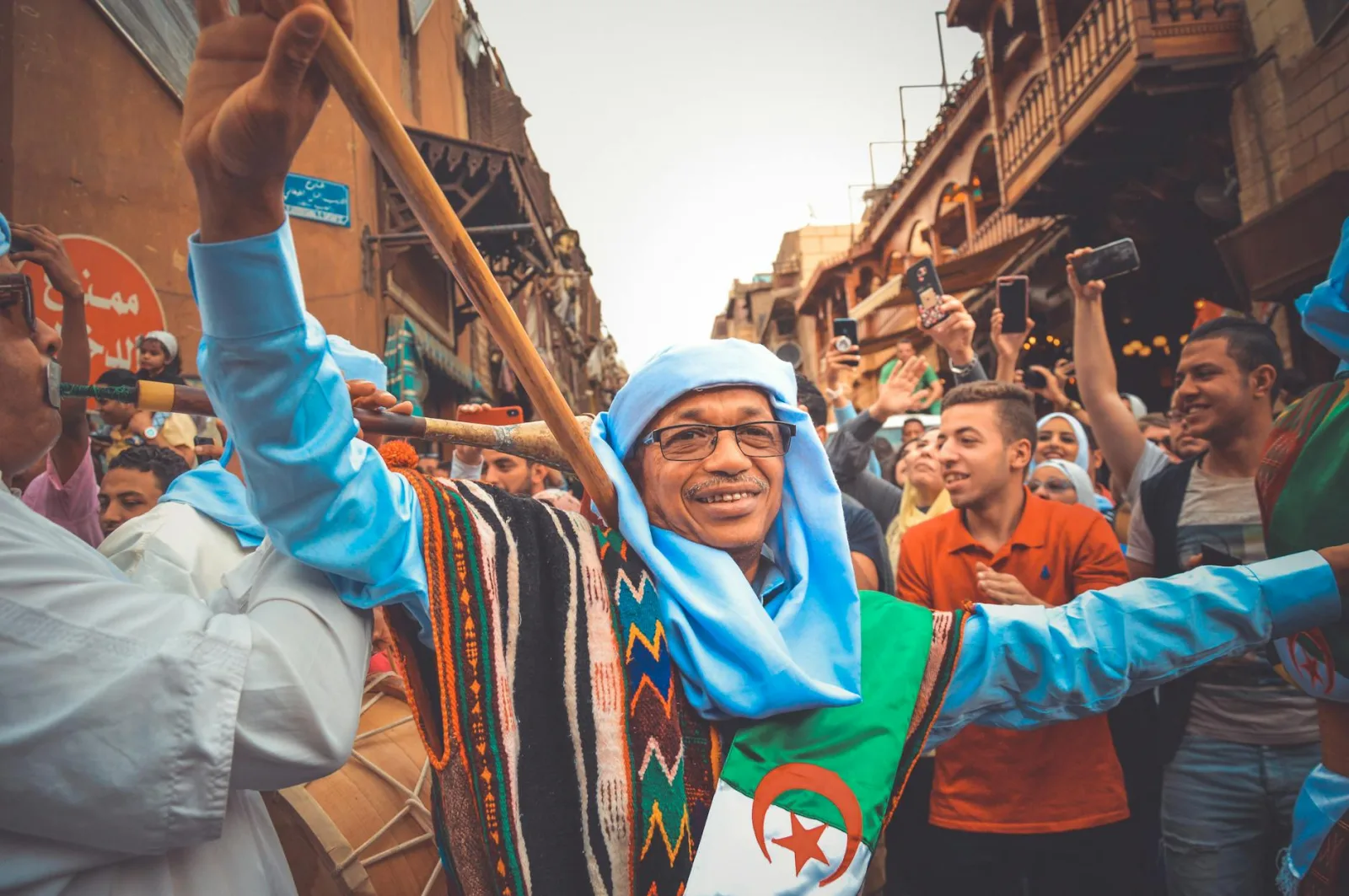
One of the most prominent cultural celebrations in Cairo is Ramadan. This holy month transforms the city into a vibrant hub of activities. From the pre-dawn meal, Suhoor, to the breaking of the fast at Iftar, rituals during Ramadan help reinforce family connections and community solidarity. Streets are adorned with lanterns, and the atmosphere is filled with the sounds of traditional music, creating a festive environment.
Exploring Lesser-Known Cairo Rituals
Beyond grand celebrations, Cairo is home to numerous lesser-known rituals that provide insight into local life. For instance, the ritual of ‘Zar’ is an ancient healing ceremony rooted in African traditions. Participants engage in music and dance to invoke spirits for healing, often attended by both men and women. This communal experience highlights the importance of cultural heritage and collective healing practices.
Traditional Wedding Customs
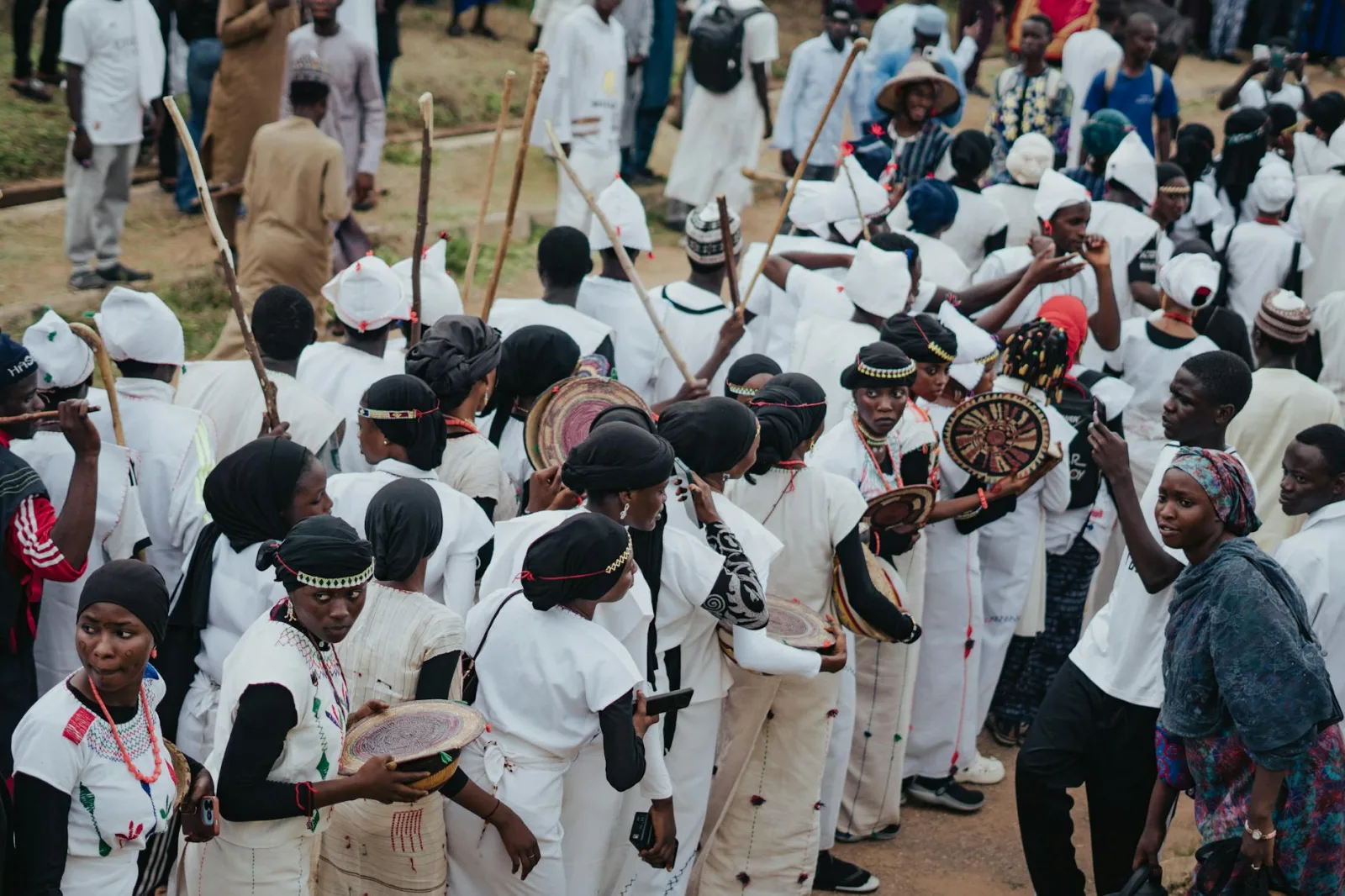
Cairo weddings are rich in rituals that vary by community and culture. A typical Egyptian wedding may include the ‘Henna Night,’ where the bride’s hands are decorated with intricate henna designs, symbolizing joy and good fortune. Following this, the wedding day itself is filled with music, dancing, and traditional food, showcasing the importance of celebration and community support in starting a new life.
Seasonal Festivals and Their Rituals
Seasonal festivals in Cairo, like the Wafaa al-Nil, celebrate the Nile’s annual flooding, a vital event for agriculture. People gather along the riverbanks for festivities that include music, dance, and traditional food, reflecting the deep connection between the people and the river. This festival serves as a reminder of the Nile’s significance in Egyptian life and culture.
Engaging with Local Communities
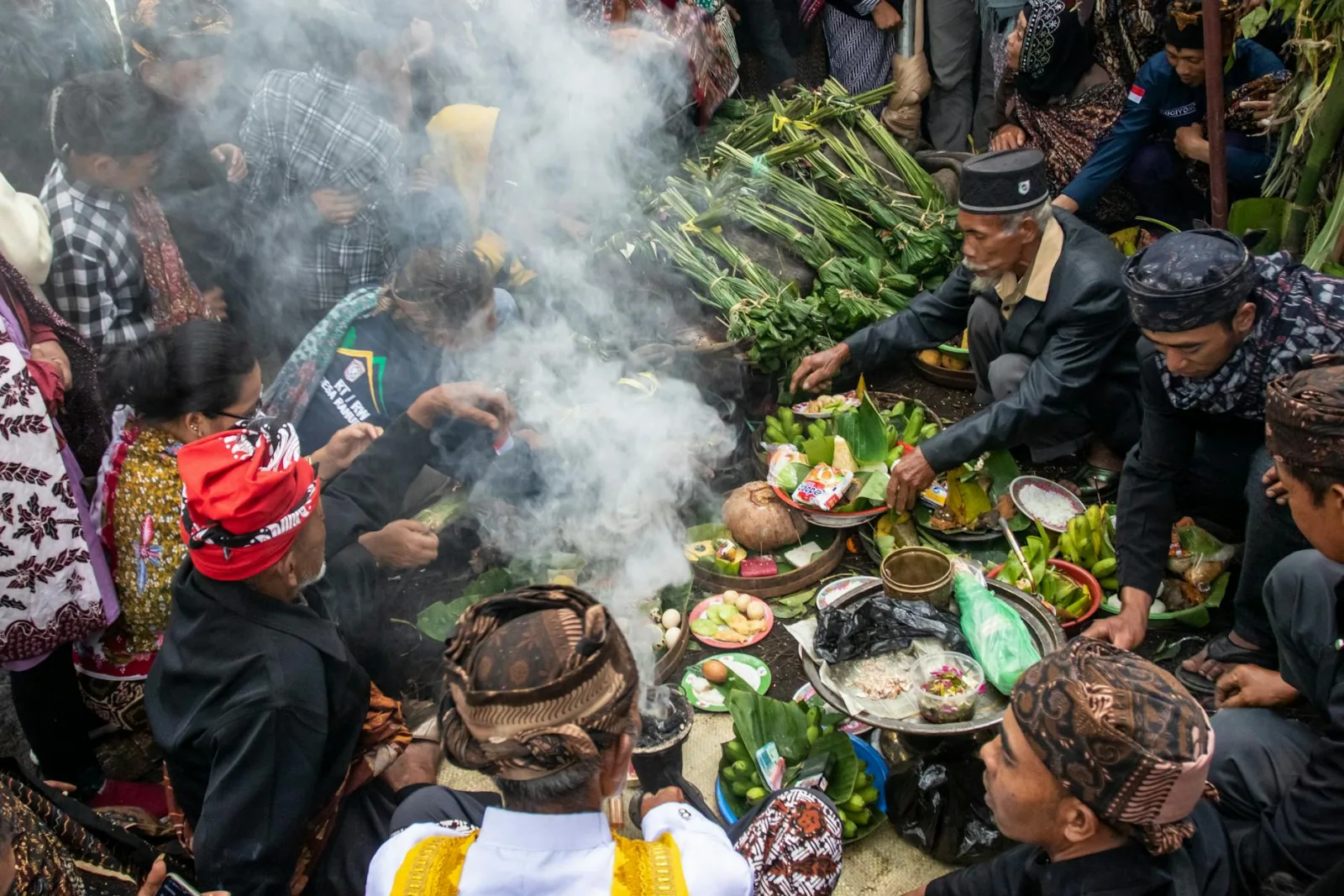
To truly experience Cairo rituals, immerse yourself in local communities. Participating in cultural events, visiting neighborhoods during festivities, or attending workshops can provide you with firsthand experience. You might consider exploring the hidden heritage of Cairo through cultural workshops, offering insight into traditional crafts and local customs. For more information, check out The Hidden Heritage of Cairo: A Guide to Neighborhood Cultural Workshops.
Practical Tips for Experiencing Cairo’s Rituals
1. **Research Events**: Before your trip, look up local calendars to find out about upcoming festivals and ceremonies. Websites, local tourism offices, and social media can be valuable resources.
2. **Engage with Locals**: Building connections with local residents can provide insider knowledge about unadvertised events and rituals that tourists might miss.
3. **Respect Traditions**: When attending ceremonies, be mindful of local customs and dress codes. Asking for permission before taking photos is also a sign of respect.
4. **Participate Actively**: If invited, participate in rituals like dance or communal meals. This can enhance your experience and help you forge connections with the community.
5. **Document Your Experience**: Keeping a travel journal or blog can help you reflect on your experiences and share insights about Cairo’s rich cultural tapestry.
Key Takeaways
Exploring Cairo’s hidden rituals offers a deeper understanding of its culture and community. From grand celebrations like Ramadan to intimate local ceremonies such as Zar, each ritual reflects the values and traditions of its people. By engaging with these practices, you can form genuine connections and create lasting memories during your visit. Remember, experiencing these rituals is not just about observing; it’s about participating and respecting the heritage that shapes the vibrant life of Cairo.