




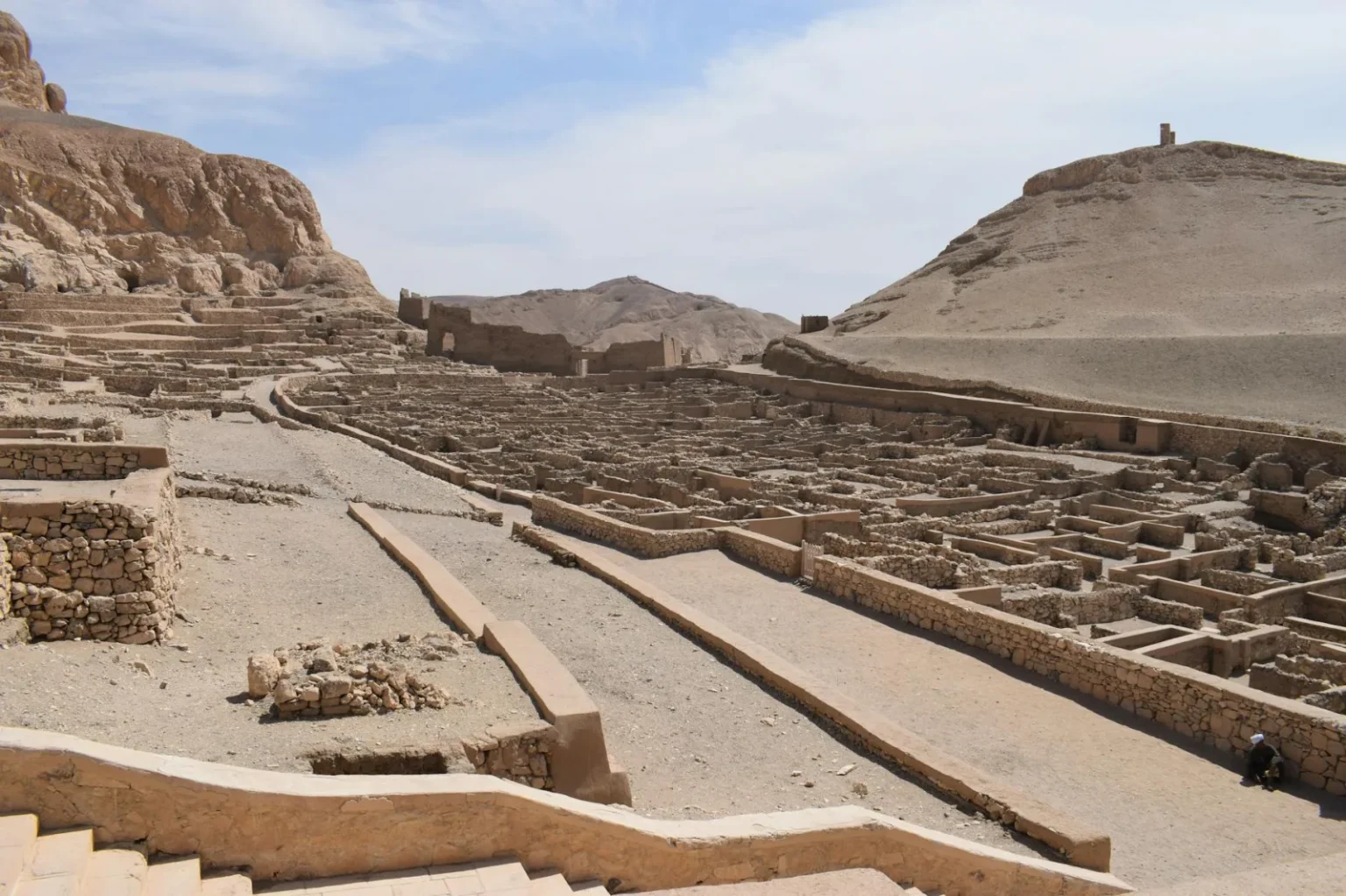

Understanding Egypt’s Lesser-Known Historical Sites
When you think of Egypt, the Pyramids of Giza and the Sphinx often come to mind. However, the country is rich in hidden treasures that provide a deeper understanding of its history and culture. Exploring these off the beaten path travel options can enhance your experience and allow you to connect with Egypt beyond the mainstream attractions.
- Understanding Egypt’s Lesser-Known Historical Sites
- 1. The Temple of Hathor at Dendera
- 2. The Tombs of the Nobles in Aswan
- 3. The Red Monastery in Sohag
- 4. The Temple of Seti I at Abydos
- 5. The Temple of Khnum at Esna
- 6. The Monuments of Karnak’s Sacred Lake
- 7. The Temple of Amun at Siwa Oasis
- Conclusion: Embrace the Hidden Treasures of Egypt
1. The Temple of Hathor at Dendera
Located about 60 kilometers north of Luxor, the Temple of Hathor is often overshadowed by its more famous counterparts. This temple complex is dedicated to the goddess of love and joy, Hathor. The highlight is its beautifully preserved reliefs and intricate ceiling depicting the zodiac signs. Exploring this site allows you to witness the artistry of ancient Egyptian builders up close.
Important note: The best time to visit is early morning to avoid the heat and crowds. Additionally, consider hiring a local guide who can provide insights into the site’s history that you might miss on your own.
2. The Tombs of the Nobles in Aswan
While many travelers flock to the Valley of the Kings, the Tombs of the Nobles offer a quieter, yet equally fascinating experience. These tombs are the burial sites of ancient Egyptian officials and feature stunning wall paintings that depict everyday life in ancient Egypt. You may find yourself wandering through these tombs without the hustle and bustle of larger sites.
Common mistake: Visitors often overlook the Tombs of the Nobles in favor of more popular sites. Make sure to allocate time for this unique experience.
3. The Red Monastery in Sohag
The Red Monastery, located near Sohag, is a lesser-known Coptic Christian site that dates back to the 4th century. Its vibrant red brick construction and stunning frescoes are worth the trip. The monastery complex is peaceful and offers a glimpse into Egypt’s Christian heritage, which is often overshadowed by its ancient pagan history.
Pro tip: Visit on a weekday to enjoy the tranquility of the site. The lack of crowds allows you to appreciate the frescoes and architecture in solitude.
4. The Temple of Seti I at Abydos
Abydos is one of the most important archaeological sites in Egypt, yet it remains relatively quiet compared to other locations. The Temple of Seti I features beautiful reliefs and inscriptions that tell the story of ancient Egyptian kings. One of the most notable aspects is the Osirion, an underground structure believed to be the tomb of Osiris.
Warning: Access to some areas may be limited, so it’s wise to check ahead. Guided tours can provide valuable context and ensure you don’t miss key highlights.
5. The Temple of Khnum at Esna
Esna is a small town located south of Luxor, known for its well-preserved Temple of Khnum. This temple is dedicated to the ram-headed god and features a stunning hypostyle hall adorned with intricate carvings. The temple’s location also allows you to experience local life away from the typical tourist traps.
Important note: Be prepared for a more local experience, as Esna doesn’t have as many tourist facilities. This can be a great opportunity to interact with locals and enjoy authentic Egyptian cuisine.
6. The Monuments of Karnak’s Sacred Lake
While the Karnak Temple is a popular destination, the Sacred Lake within the complex is often overlooked. This serene spot provides a perfect backdrop for reflection and photographs. The lake was used for purification rituals and is surrounded by beautiful trees, creating a peaceful atmosphere.
Pro tip: Visit during sunset for breathtaking views. The changing colors of the sky reflected on the water create a stunning visual experience.
7. The Temple of Amun at Siwa Oasis
Siwa Oasis is a remote location, but its Temple of Amun is historically significant. It was here that Alexander the Great was declared the son of Amun. The temple ruins, combined with the stunning desert landscape, offer a unique adventure away from the crowds. The journey to Siwa itself is part of the experience, as you traverse through beautiful, rugged terrains.
Warning: Traveling to Siwa requires careful planning, as it is quite remote. Ensure you have adequate supplies and a reliable vehicle.
Conclusion: Embrace the Hidden Treasures of Egypt
Exploring Egypt’s lesser-known historical sites can enrich your travel experience and offer a deeper understanding of the nation’s rich history. Each of these hidden treasures provides unique insights, stunning visuals, and connections to ancient cultures that are less impacted by mass tourism.
As you plan your journey, consider incorporating these sites into your itinerary. Remember to respect local customs and the environment, and be open to unexpected discoveries. With the right approach, your adventure in Egypt can be both educational and deeply fulfilling.
For more insights into Egypt’s culture and attractions, check out Navigating Egypt’s Seasonal Festivals for cultural celebrations, or Navigating Egypt’s Local Markets for authentic shopping experiences.