Discovering the Enigmatic Ruins: A Guide to Lesser-Known Archaeological Sites in Saudi Arabia
By
Share
Unveiling the Hidden Ruins
Saudi Arabia is renowned for its rich history and vibrant culture, yet many archaeological sites remain overshadowed by more famous landmarks. This guide focuses on lesser-known archaeological sites that offer a unique glimpse into the Kingdom’s past. Visiting these hidden ruins not only enriches your understanding of Saudi Arabia but also allows you to explore areas often devoid of the usual tourist crowds.
Though Al-Ula is gaining recognition, many of its archaeological wonders remain uncrowded. The site features ancient Nabatean tombs, rock art, and the stunning Madain Salih, a UNESCO World Heritage site. However, venture beyond the main attractions to discover the lesser-known tombs and rock formations, such as the Elephant Rock. Here, you can enjoy a quiet moment contemplating the history carved into the stone.
📷 Earth Photart – Pexels
2. The Ruins of Al-Diriyah
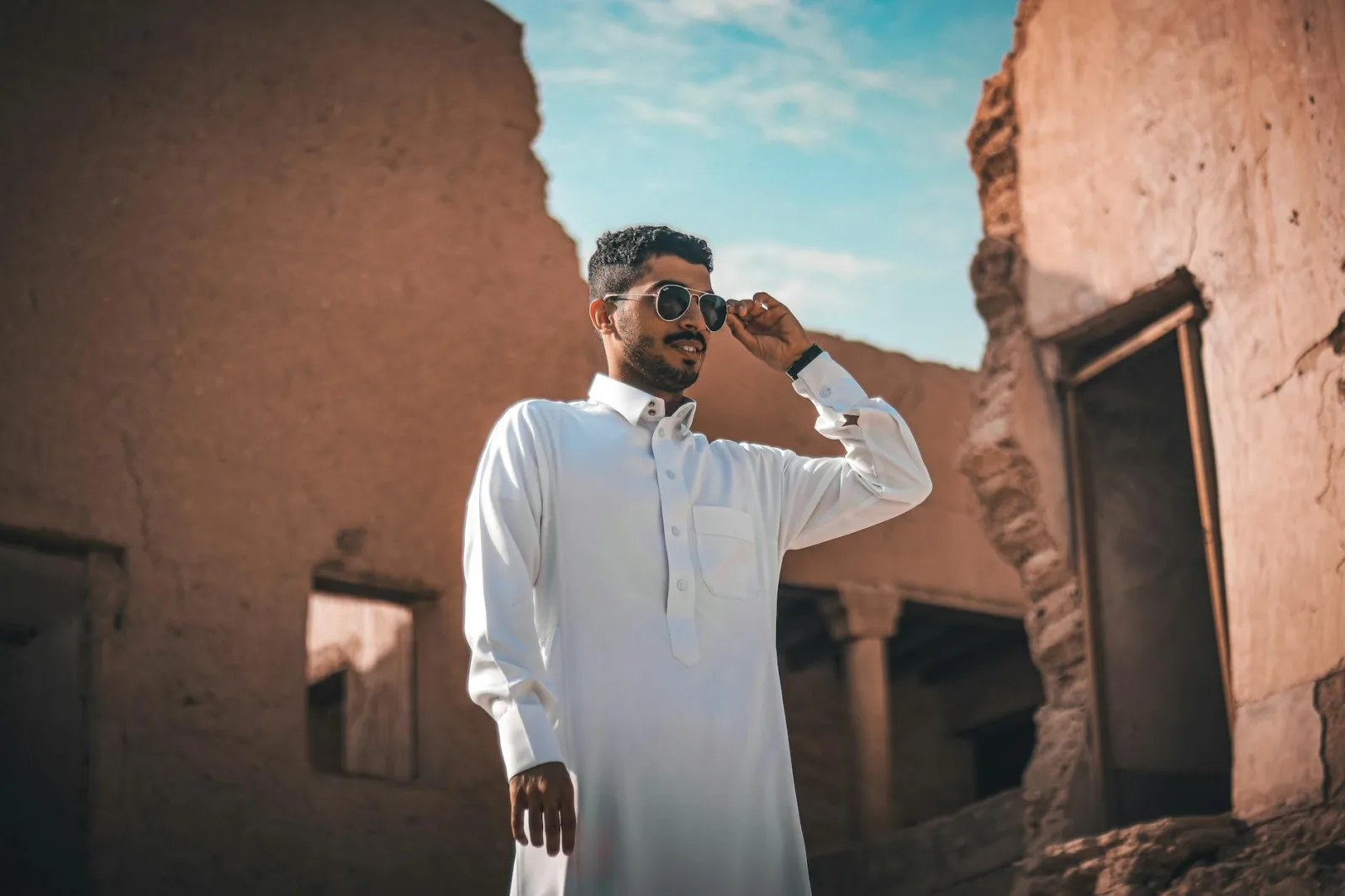
Al-Diriyah, the birthplace of the Saudi state, is often overlooked by travelers. The mud-brick structures, known as Turaif, date back to the 18th century and offer a fascinating insight into the early Saudi culture. Take a guided tour to understand the significance of the architecture, which reflects the traditional Najdi style. Important note: Visit in the early morning or late afternoon to avoid the heat and enjoy a more comfortable exploration.
3. The Mysterious Rock Art of Jubbah
Located in the Hail region, Jubbah is home to ancient rock art that dates back thousands of years. The petroglyphs depict animals, human figures, and scenes from everyday life. These carvings provide a window into the lives of early inhabitants. To fully appreciate these artworks, consider hiring a local guide who can interpret the stories behind the images. Pro tip: Bring a good camera; the contrast of the rock art against the desert landscape makes for stunning photographs.
Once a bustling port city, Al-Shihr is now a shadow of its former self, with ruins that whisper tales of trade and cultural exchange. The remnants of old homes and watchtowers capture the essence of the region’s maritime history. Visiting this site not only provides a sense of adventure but also allows you to engage with local communities who can share stories of their heritage. Warning: Be cautious of unstable structures and always respect the site.
📷 Sharath G. – Pexels
5. The Ancient Oasis of Al-Ahsa
Known for its lush palm groves, Al-Ahsa also holds archaeological treasures, including the ruins of ancient forts and palaces. The Qasr Ibrahim, with its impressive architecture, exemplifies the historical significance of this oasis. Explore the surrounding gardens and waterways to understand how this area thrived for centuries. Common mistake: Many visitors overlook the cultural significance of the oasis; dedicate time to learn about the traditional farming methods still practiced today.
6. The Secrets of Madain Salih’s Surroundings
While Madain Salih attracts many tourists, the nearby sites often go unnoticed. For example, the archaeological site of Qasr al-Farid offers stunning views and a glimpse of Nabatean craftsmanship. The site’s isolation allows for peaceful exploration. Remember to respect the local customs and the natural environment. It’s essential to leave no trace behind, allowing future visitors to enjoy the beauty as you did.
Tayma is an ancient oasis town that features ruins from various periods, including the Nabateans and the Romans. The archaeological site includes a large wall and ancient inscriptions that hint at its historical significance as a trade route. When visiting, take time to explore the surrounding area, where you may find remnants of past civilizations. Important note: Bring plenty of water, as the area can be quite arid.
Practical Steps for Your Journey
As you plan your visit to these lesser-known archaeological sites, consider the following steps to enhance your experience:
Research Before You Go: Familiarize yourself with the history and significance of each site. Understanding the context will allow you to appreciate the ruins more deeply.
Hire Local Guides: Engaging with locals can enrich your experience. Guides often provide insights and stories that are not found in guidebooks.
Respect the Environment: Many of these sites are fragile. Follow the principles of Leave No Trace to ensure that they remain for future generations to explore.
Be Mindful of Cultural Norms: Saudi Arabia has unique customs and traditions. Dress conservatively and be respectful of local practices, especially when visiting historical and religious sites.
Plan Your Timing: Visit during cooler parts of the day. Early mornings or late afternoons are ideal for exploring without the harsh midday sun.
Conclusion: Embrace the Adventure
Exploring lesser-known archaeological sites in Saudi Arabia offers a unique perspective on the Kingdom’s rich history and cultural heritage. By venturing off the beaten path, you not only discover hidden ruins but also engage with local stories that breathe life into these ancient stones. Whether you’re captivated by the rock art of Jubbah or the tranquil oasis of Al-Ahsa, each site has a story waiting to be uncovered. Remember to respect the sites, learn from your surroundings, and embrace the adventure of exploring the enigmatic ruins of Saudi Arabia’s past.
Key Takeaways
1. Saudi Arabia boasts numerous lesser-known archaeological sites that provide rich historical insights.
2. Engaging with local guides enhances your experience and understanding of these hidden gems.
3. Respect for the environment and cultural norms is essential when exploring these ancient ruins.