






Understanding Mindful Travel
Mindful travel is about being fully present during your journey. It encourages you to engage with your surroundings, appreciate the moment, and foster a deeper connection with the places you visit. This approach contrasts with the often rushed nature of traditional tourism, where the focus is on ticking off attractions rather than experiencing them. To embark on mindful travel, you need to create a travel itinerary that balances exploration with relaxation.
Step 1: Define Your Travel Goals
Before you start planning your itinerary, it’s essential to clarify your travel goals. Ask yourself what you hope to achieve from your trip. Do you want to explore new cultures, unwind on a beach, or perhaps indulge in local cuisine? Understanding your objectives will guide your decisions throughout the planning process.
For instance, if your goal is to unwind, ensure that your itinerary includes ample downtime. This might mean scheduling a few hours each day for leisurely activities, such as reading in a park or enjoying a local café.
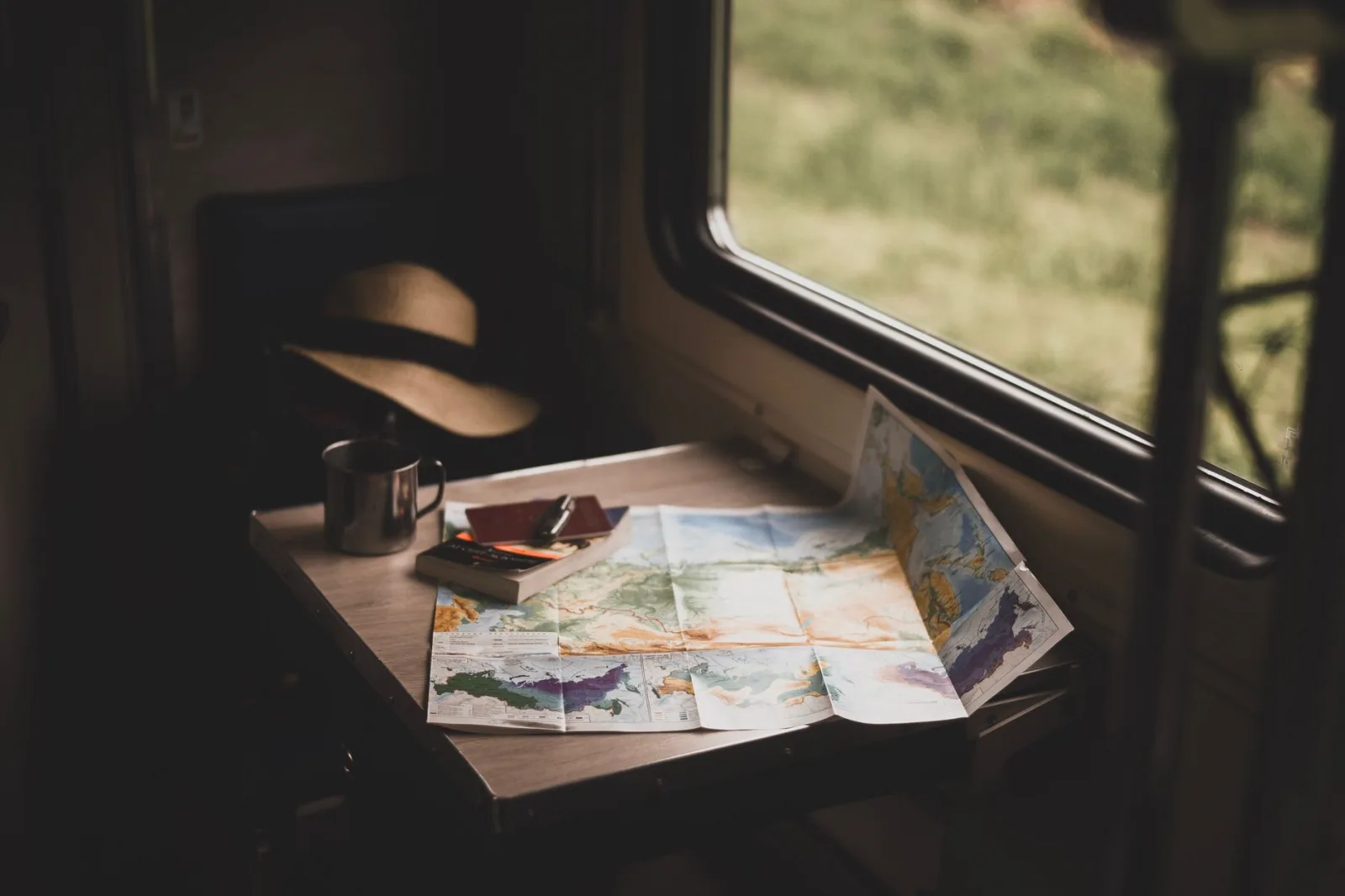
Step 2: Research Your Destination
Research is a crucial aspect of creating a mindful travel itinerary. Familiarize yourself with the culture, geography, and seasonal weather of your chosen destination. This knowledge helps you set realistic expectations and avoid potential pitfalls. For example, if you’re traveling to a region known for extreme heat, plan indoor activities during the hottest parts of the day.
Additionally, identify the local customs and practices that may enhance your travel experience. Engaging with locals can provide valuable insights that enrich your understanding of the area.
Step 3: Create a Balanced Itinerary
When drafting your itinerary, strive for a balance between exploration and relaxation. A common mistake is over-scheduling activities, which can lead to burnout. Instead, aim for a mix of structured plans and free time. Consider the following tips:
- Limit Daily Activities: Aim for no more than three key activities each day, allowing for flexibility based on your energy levels.
- Incorporate Relaxation Techniques: Schedule time for mindfulness practices such as meditation or yoga, especially after busy days.
- Stay Hydrated and Nourished: Remember that proper nutrition and hydration can significantly impact your energy levels and mood.

Step 4: Embrace Slow Travel
Slow travel is an integral part of mindful travel. Instead of moving quickly from one destination to another, consider spending more time in fewer places. This approach allows you to immerse yourself in the local culture and develop a genuine connection with your surroundings.
For example, rather than visiting multiple cities in a week, choose one city and explore it thoroughly. Take time to wander through neighborhoods, try local foods, and interact with residents. This can lead to unexpected experiences that enrich your journey.
Step 5: Allow for Spontaneity
While planning is crucial, it’s equally important to remain open to spontaneity. Rigid schedules can lead to frustration when things don’t go as planned. Instead, build in unstructured time where you can explore based on your mood or recommendations from locals.
Pro tip: Keep a flexible mindset and consider using tools like a flexible travel plan to allow for changes without stress.

Step 6: Reflect and Adjust
Throughout your journey, take moments to reflect on your experiences. This reflection helps you stay present and fosters a deeper appreciation for your travel. You might consider journaling about your daily adventures or even setting aside time for quiet contemplation.
If something isn’t working, don’t hesitate to adjust your itinerary. If you’re feeling drained, prioritize relaxation over exploration. This flexibility is a key component of mindful travel.
Step 7: Prepare for Re-entry
Returning home after a trip can sometimes feel jarring. To ease this transition, plan some downtime once you return. This allows you to process your experiences and reintegrate into your daily life.
Important note: Consider creating a post-travel ritual, such as sharing your experiences with friends or reflecting on what you learned during your trip. This can enhance the benefits of your mindful travel experience.
Conclusion: Key Takeaways for Mindful Travel
Planning a mindful travel itinerary involves careful consideration of your goals, thorough research, and a balanced approach to exploration and relaxation. By embracing slow travel, allowing for spontaneity, and taking time to reflect, you can create enriching experiences that foster personal growth and well-being. Remember that mindful travel is not just about the destination but also about the journey and the memories you create along the way.
For additional tips on traveling, check out our articles on mastering travel photography and creating a sustainable packing list. These resources can enhance your journey and align with your mindful travel philosophy.