Travel anxiety is a common experience for many individuals when planning or embarking on a trip. It can manifest as nervousness about flying, fear of unfamiliar places, or even concern over logistics like accommodations and itineraries. Understanding the root causes of your travel anxiety is the first step toward managing it effectively.
To navigate travel anxiety, start by identifying what specifically triggers your feelings of stress. Is it the fear of flying, the hassle of packing, or perhaps the uncertainty of navigating a new environment? Consider keeping a journal to track your thoughts and feelings as you plan your trip. This can help you pinpoint specific areas of concern. For instance, if flying induces anxiety, you might consider alternatives like train travel or driving for shorter distances.
📷 Andrea Piacquadio – Pexels
Preparation is Key
Preparation can significantly reduce anxiety. Create a detailed itinerary that outlines your travel plans, including transportation, accommodations, and activities. Knowing what to expect can provide a sense of control. For example, if you’re visiting a new city, research local customs and language basics. This knowledge not only eases anxiety but also enhances your travel experience.
Practice Relaxation Techniques
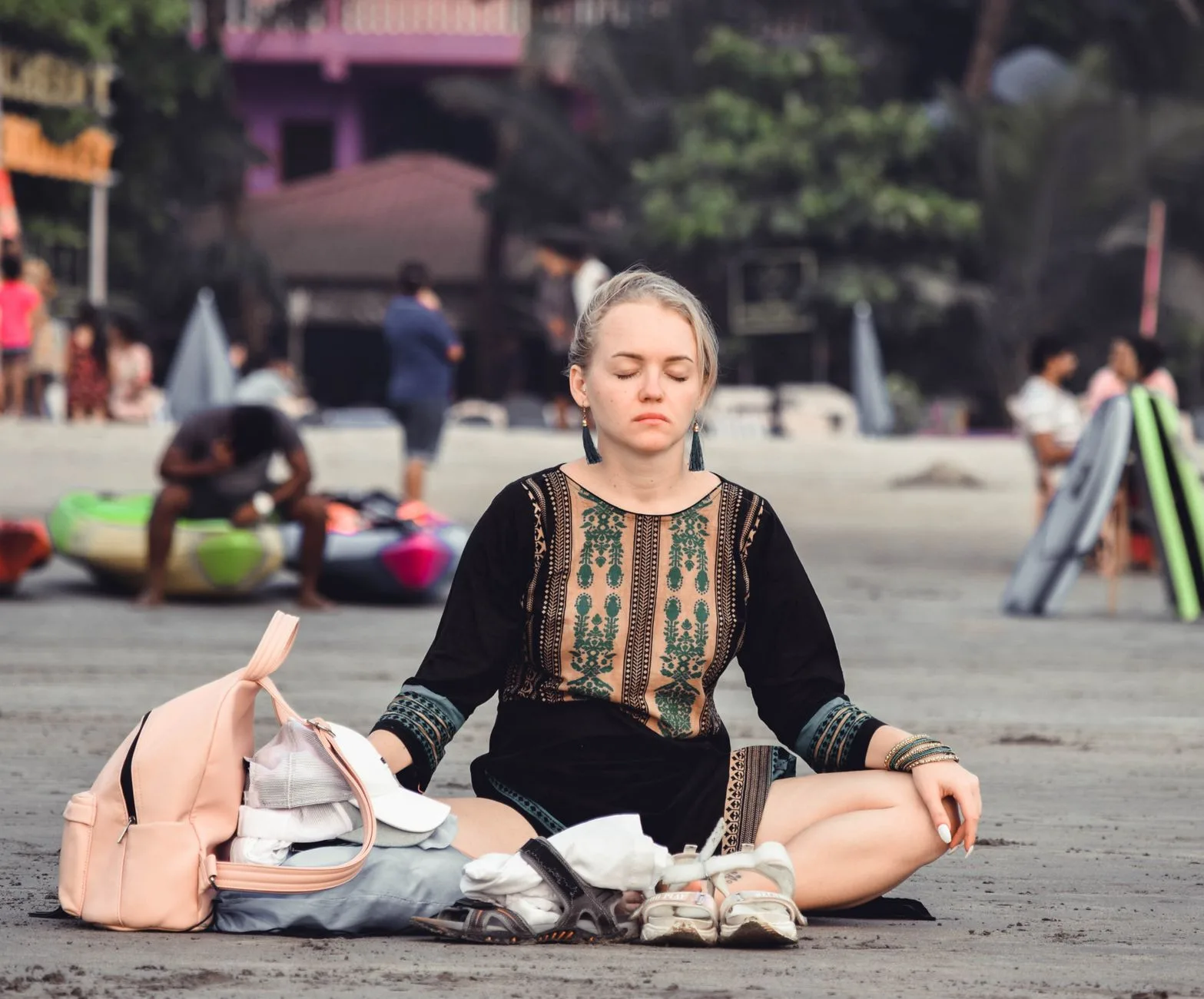
Incorporating relaxation techniques into your routine can help manage anxiety. Techniques such as deep breathing exercises, meditation, or progressive muscle relaxation can calm your mind and body. For instance, before your flight, practice deep breathing by inhaling for a count of four, holding for four, and exhaling for a count of four. Regular practice of these techniques can build resilience against anxiety.
Stay Connected with Loved Ones
Maintaining communication with friends or family during your travels can provide emotional support. Before you embark on your journey, establish a check-in schedule. This could be daily texts, video calls, or sharing your travel experiences on social media. Knowing that someone is aware of your journey can provide reassurance and lessen feelings of isolation.
📷 Vicky T M – Pexels
Limit Information Overload
While being informed is important, too much information can overwhelm you. Limit your research to essential aspects of your trip, such as safety tips, cultural norms, and must-see attractions. For example, focus on a few highlights instead of trying to plan every single detail. This approach can help you feel prepared without feeling inundated.
Prepare for the Unexpected
Travel often comes with unforeseen circumstances. Acknowledging this reality can help you build resilience. Consider creating a flexible travel plan that allows for changes. This might involve booking accommodations that offer free cancellation or planning activities that don’t require strict timing. Knowing you have options can ease stress. Additionally, educating yourself about travel insurance can provide peace of mind, as it can cover unexpected events. For more information, check out The Ultimate Guide to Understanding Travel Insurance.
📷 Andrea Piacquadio – Pexels
Incorporate Mindfulness Practices
Mindfulness is an effective way to combat travel anxiety. Regularly practice being present in the moment, whether you’re at the airport or exploring a new city. Techniques like mindful eating, where you focus solely on the flavors and textures of your food, can ground you and help reduce anxiety. You could also try to observe your surroundings without judgment, which can foster appreciation for your travel experience.
Seek Professional Help if Needed
If your travel anxiety is severe and impacts your ability to travel, consider seeking professional help. Therapists can provide coping strategies tailored to your needs. Cognitive-behavioral therapy (CBT) is especially effective in addressing anxiety by changing negative thought patterns. A professional can also guide you through exposure therapy, gradually helping you face your fears in a controlled manner.
Summary and Key Takeaways
Navigating travel anxiety is a journey in itself. By identifying your triggers, preparing thoroughly, and incorporating relaxation techniques, you can create a more enjoyable travel experience. Remember to stay connected with loved ones and limit information overload to maintain a sense of calm. Finally, consider professional help if anxiety becomes overwhelming. Traveling can be a rewarding experience, and with the right strategies, you can make it stress-free. Pro tip: Always give yourself extra time to get to the airport or your destination to avoid the stress of rushing.