




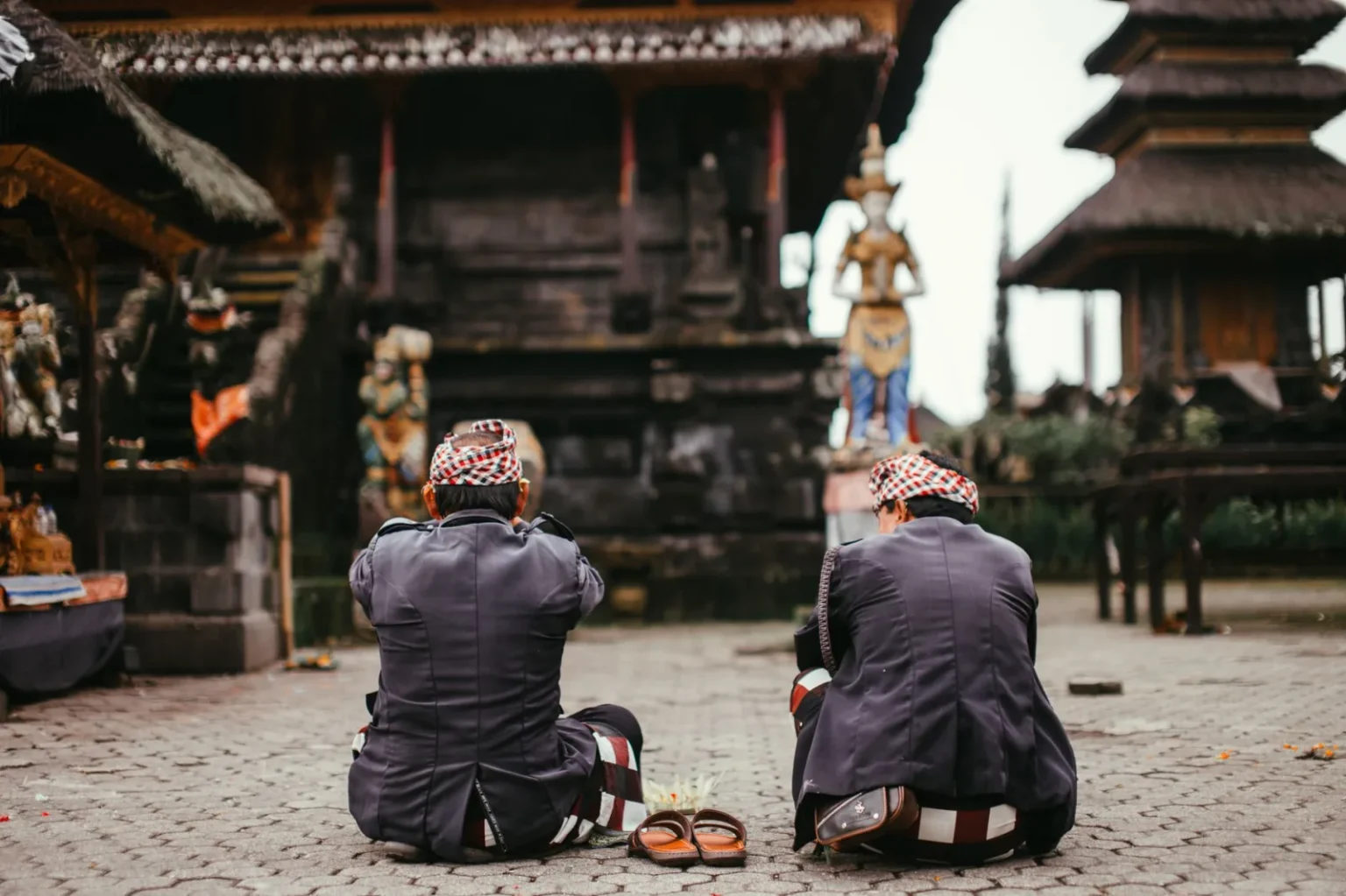

Understanding Cultural Differences
Cultural differences refer to the diverse values, beliefs, and behaviors that shape how people interact and communicate in various societies. Understanding these differences is crucial for respectful travel. When you travel, you enter a new cultural environment that may have its own set of norms and practices. Recognizing and respecting these differences not only enhances your travel experience but also fosters goodwill between you and the local community.
1. Research Before You Go
Prior to your trip, take time to research the culture of your destination. This includes learning about local customs, traditions, and social norms. For example, in some cultures, direct eye contact might be seen as a sign of disrespect, while in others, it is a sign of confidence. Understanding these nuances can help you navigate interactions more smoothly. Additionally, familiarize yourself with common phrases in the local language; even a simple greeting can go a long way in showing respect.

2. Observe and Adapt
Upon arrival, observe how locals interact with each other. This can provide insights into acceptable behaviors. For instance, if you notice people greeting each other with a bow instead of a handshake, consider adopting this practice when you meet locals. Adapting your behavior to align with local customs shows respect and willingness to engage authentically. Remember, it’s okay to make mistakes; the key is to learn from them and adjust accordingly.
3. Practice Active Listening
Communication is not only about speaking but also about listening. When conversing with locals, practice active listening by giving them your full attention. This means maintaining eye contact, nodding, and responding appropriately. Active listening demonstrates that you value their perspective and helps build rapport. For example, if a local shares a story about their culture, show genuine interest by asking follow-up questions. This not only enriches your understanding but also fosters a respectful interaction.
4. Be Mindful of Personal Space
Personal space varies significantly across cultures. In some places, people stand close to each other during conversations, while in others, maintaining distance is preferred. Pay attention to body language and adjust your distance accordingly. If someone steps back when you approach, it may indicate that you are in their personal space. Respecting these boundaries is crucial for maintaining a positive interaction.
5. Avoid Stereotyping and Generalizations
While it’s helpful to understand cultural norms, be cautious not to stereotype or generalize about a culture based on preconceived notions. Each individual is unique, and broad assumptions may lead to misunderstandings. Instead, approach interactions with an open mind. For example, if you meet someone from a culture you’ve read about, avoid making assumptions based on stereotypes and engage with them as an individual.

6. Show Appreciation for Local Customs
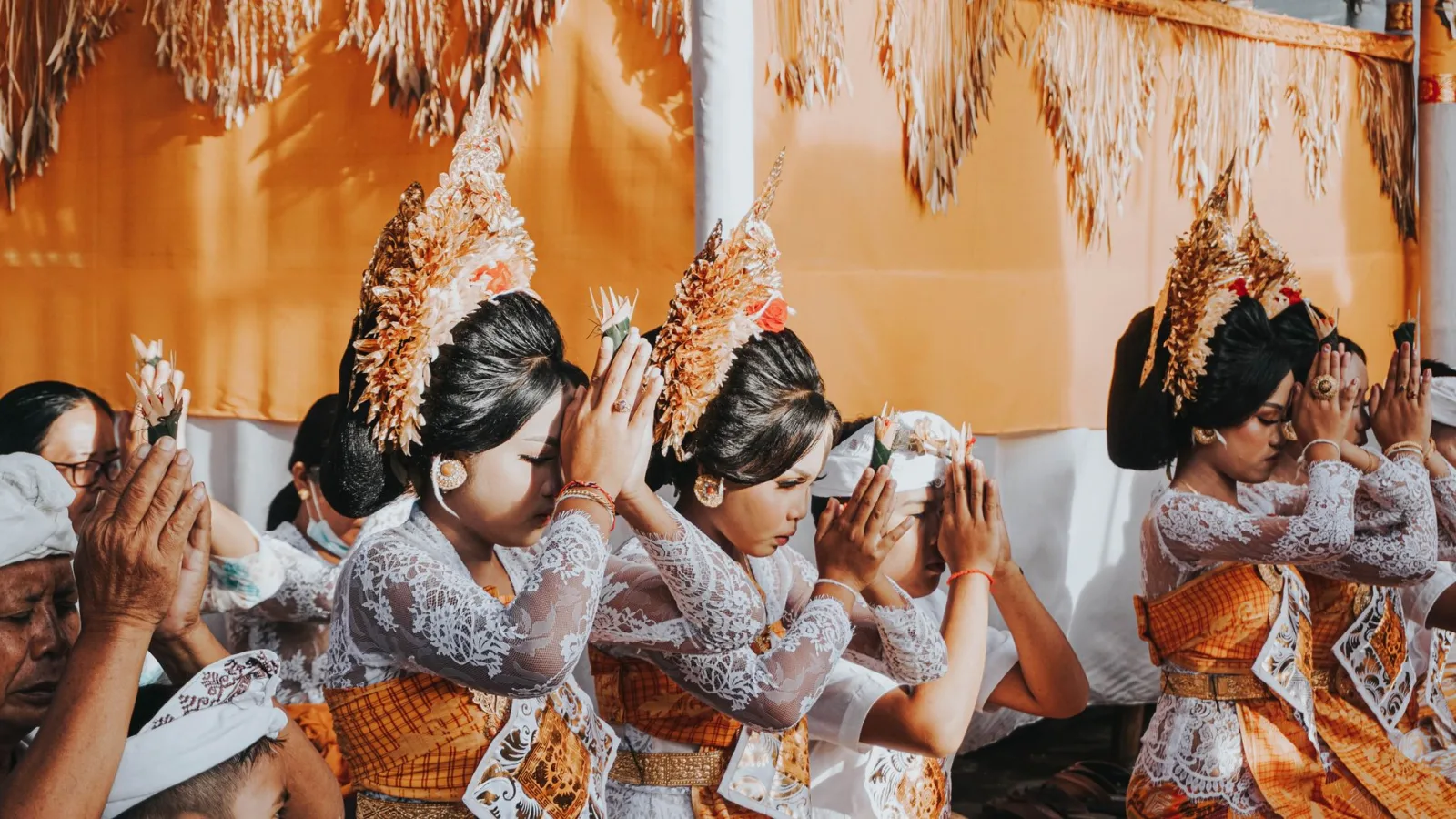
When you encounter local customs, show appreciation and respect. This might include participating in local festivals, trying traditional foods, or observing religious practices. For instance, if you are invited to a local meal, express gratitude and enthusiasm for the experience. Engaging with local customs not only enriches your travel experience but also demonstrates your respect for the culture.
7. Be Open to Learning
Cultural differences can sometimes lead to misunderstandings. Instead of reacting defensively, approach these situations as learning opportunities. If someone corrects you or offers guidance on appropriate behavior, thank them for their insight. This openness fosters mutual respect and can lead to meaningful interactions. Remember, every interaction is a chance to learn something new about the culture and yourself.
Summary and Key Takeaways
Navigating cultural differences is essential for respectful travel interactions. By conducting thorough research, observing local practices, and engaging with an open mind, you can enhance your travel experience while showing respect for the cultures you encounter. Remember to practice active listening, be mindful of personal space, avoid stereotypes, and show appreciation for local customs. Ultimately, being open to learning will not only benefit your interactions but also deepen your understanding of the world around you.