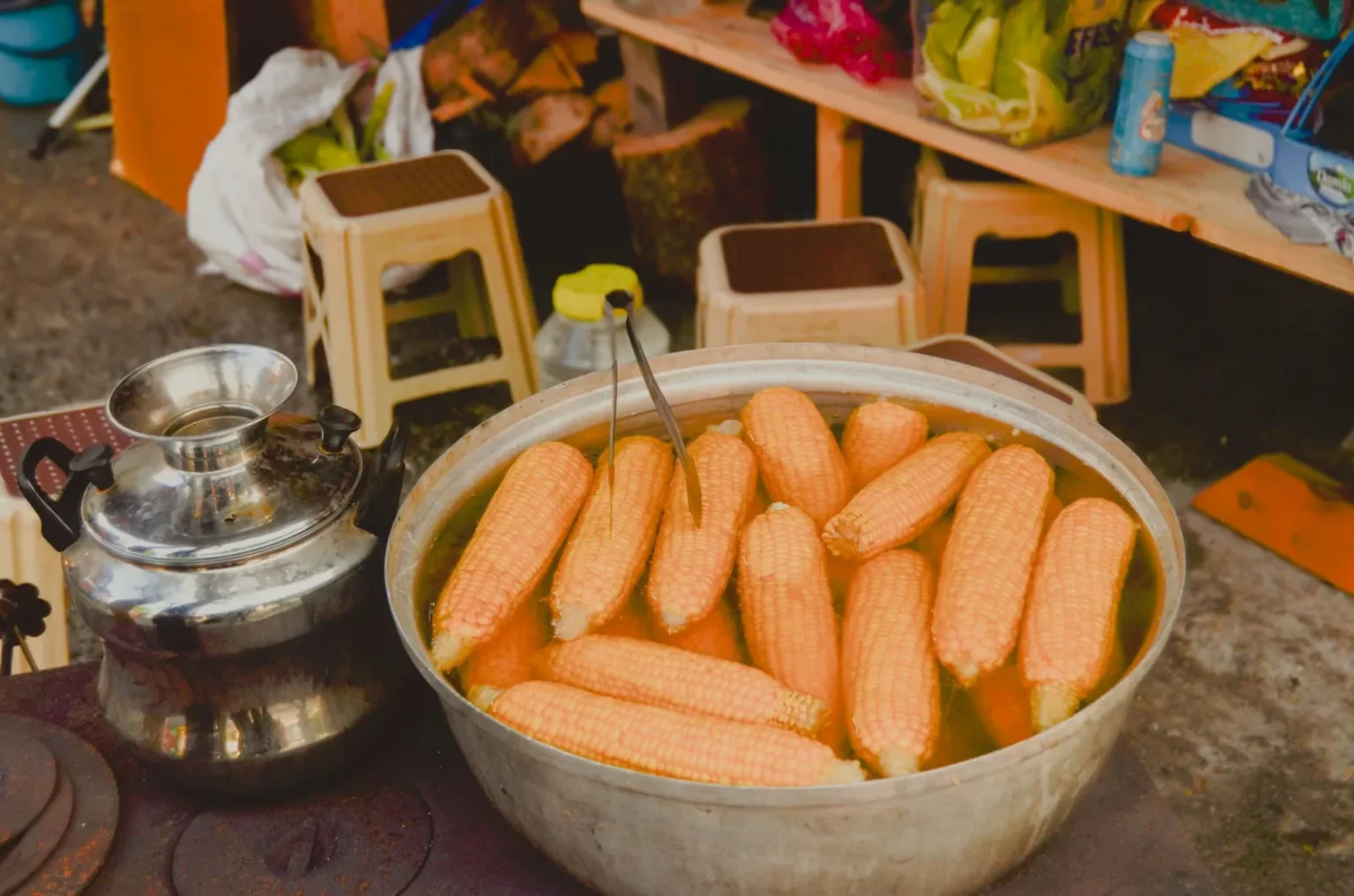
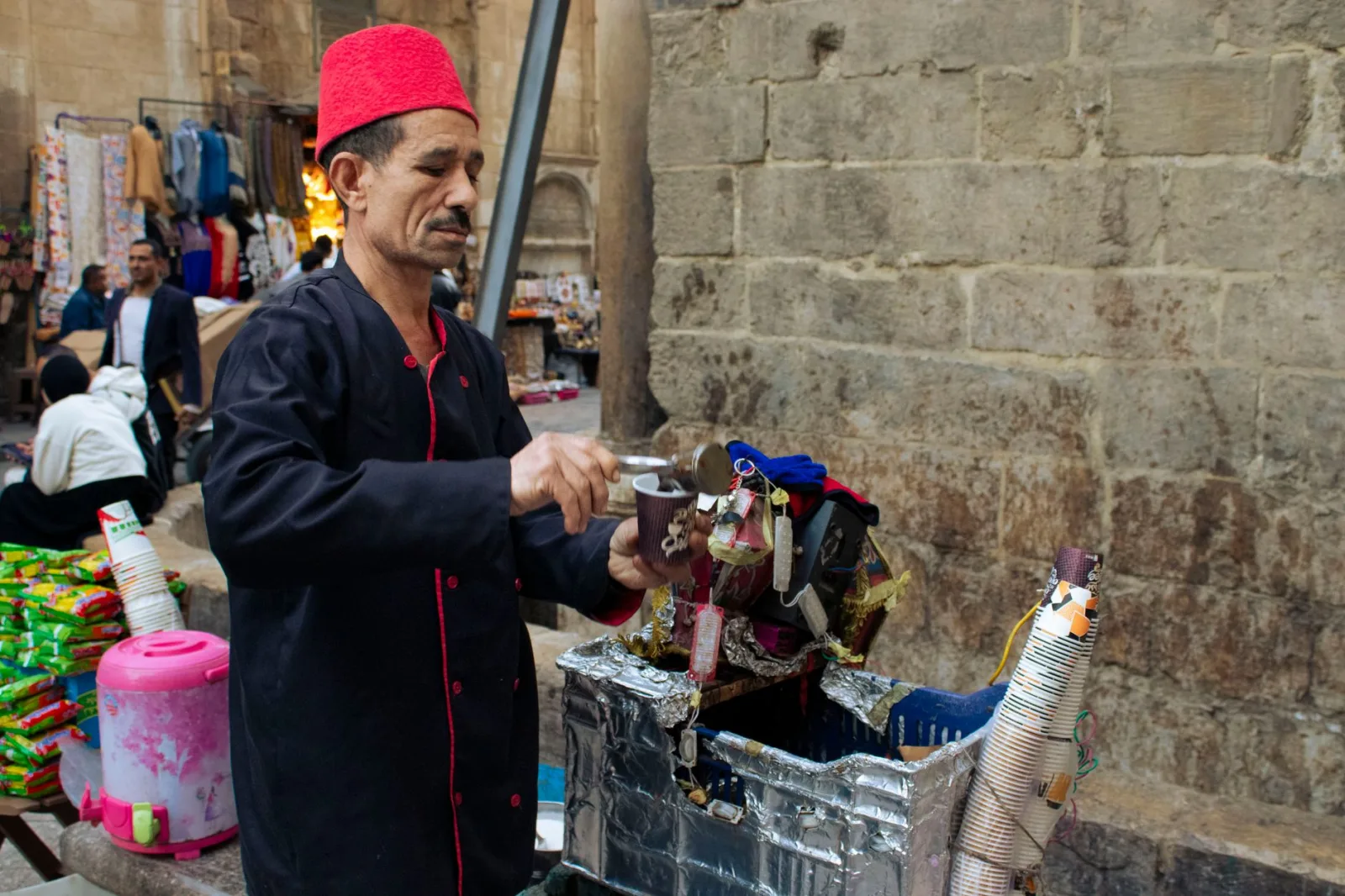
Egypt’s street food is a rich tapestry that reflects the nation’s history and culture. Each bite tells a story, showcasing local ingredients and traditional cooking methods. As you navigate the bustling streets of Cairo, Alexandria, or Luxor, you’ll encounter an array of stalls and carts offering delicious, affordable meals. This guide will help you appreciate the culinary heritage while adhering to the essential etiquette that enhances your experience.
When it comes to Egypt street food, there are several standout dishes you shouldn’t miss. Here are some must-try options that encapsulate the country’s culinary heritage:
1. Koshari
Koshari is often considered Egypt’s national dish. It combines rice, lentils, and pasta, topped with a rich tomato sauce and crispy onions. This dish is not only hearty but also a great representation of Egyptian comfort food. You can find Koshari in various street-side eateries, often served in a paper container for convenience.
2. Ful Medames
Ful Medames is a staple breakfast dish made from fava beans. It’s typically seasoned with olive oil, garlic, and lemon juice. Many locals enjoy it with pita bread, making it a nutritious and satisfying option to start your day. You’ll often see vendors preparing it fresh at food stalls early in the morning.
3. Ta’ameya
Ta’ameya, or Egyptian falafel, is made from ground fava beans rather than chickpeas. It’s seasoned with herbs and deep-fried to perfection. Served in a pita with fresh vegetables and tahini sauce, this dish is a popular choice for both locals and tourists. Be sure to ask for extra toppings!
📷 Jasid Gallery – Pexels
4. Shawarma
Shawarma is a globally recognized Middle Eastern dish that has found a special place in Egypt. Typically made from marinated meat slow-cooked on a vertical rotisserie, it’s thinly sliced and served in pita bread with garlic sauce, pickles, and vegetables. The street vendors often have their own unique twists, so don’t hesitate to try different variations.
5. Sweets: Basbousa and Kunafa
Don’t forget to indulge in Egyptian sweets like Basbousa (a semolina cake soaked in syrup) and Kunafa (a pastry filled with cheese or nuts). These desserts are commonly available from street vendors and are perfect for satisfying your sweet tooth after a savory meal.
Culinary Etiquette: Do’s and Don’ts
Understanding culinary etiquette is crucial for an enjoyable experience while sampling Egypt’s street food. Here are some essential do’s and don’ts to keep in mind:
Do: Respect Local Customs
Egyptians take pride in their food culture. When dining at street food stalls, take a moment to observe the locals and follow their lead. For example, it’s common to share food with friends or family, so don’t hesitate to join in if invited.
Don’t: Use Your Left Hand
In Egypt, the left hand is considered unclean for eating. Always use your right hand when handling food, especially when eating with your fingers. This small gesture shows respect for local customs.
Do: Engage with Vendors
Building rapport with vendors can enhance your experience. A friendly smile and a few words in Arabic, like “Shukran” (thank you), can go a long way. Vendors often appreciate your interest in their food and may offer you samples or recommendations.
📷 Farida Ashraf – Pexels
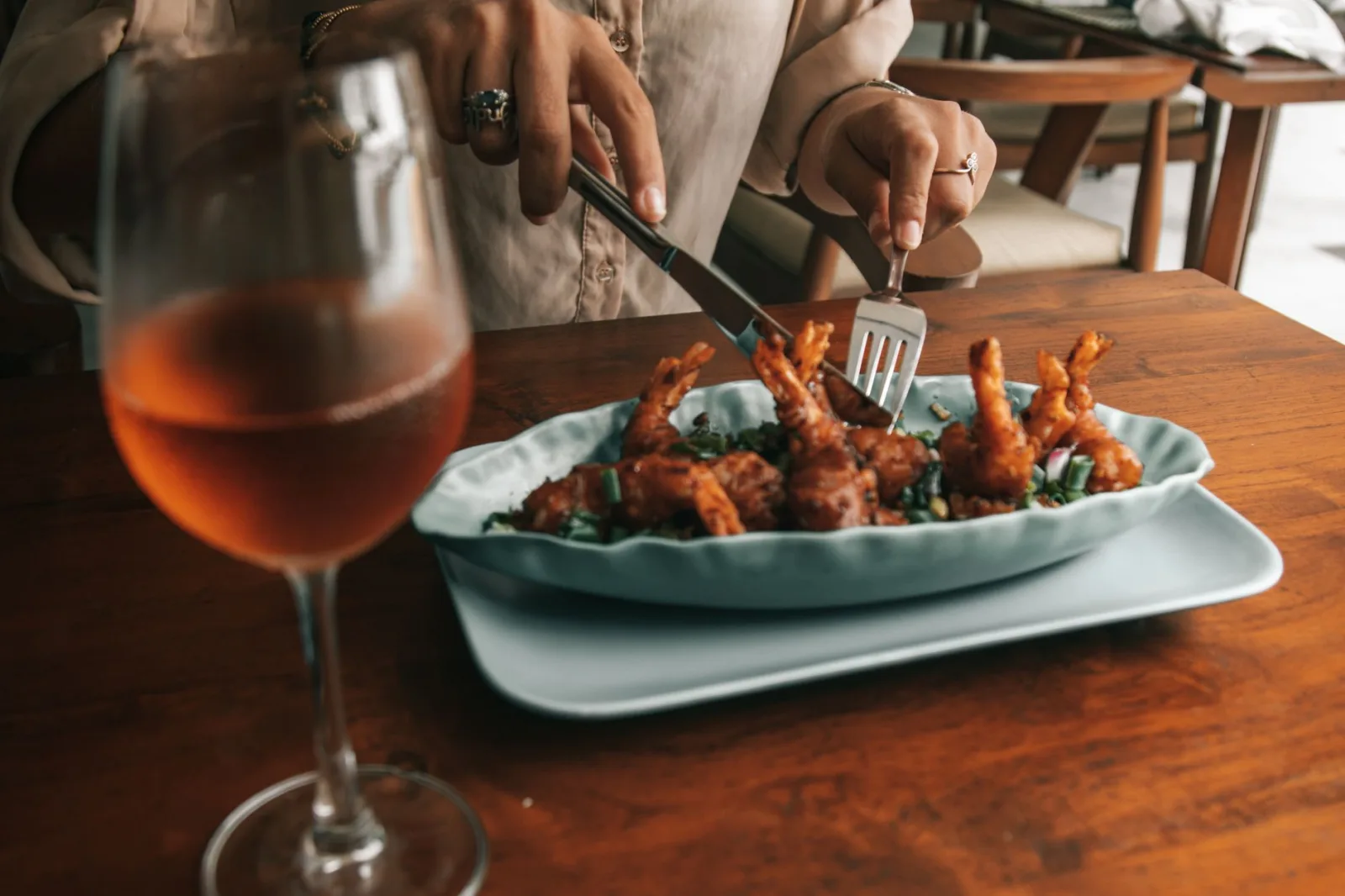
Don’t: Expect a Formal Dining Experience
Street food in Egypt is informal. You may not find tables and chairs at every stall. Some vendors may serve food in a disposable container, so be prepared to eat on-the-go or in a public space. Embrace this casual dining style as part of the charm!
Health and Safety Tips
While street food is delicious and an integral part of Egyptian culture, it’s important to prioritize your health. Here are some practical safety tips:
1. Choose Busy Stalls
Opt for stalls that are bustling with customers. High foot traffic often indicates fresh food and a good reputation. If locals are eating there, it’s usually a safe bet.
2. Look for Fresh Ingredients
Pay attention to how food is prepared. Stalls that showcase fresh ingredients and cooking methods are generally safer. Avoid pre-prepared foods that have been sitting out for long periods.
3. Stay Hydrated
During your culinary adventure, it’s essential to stay hydrated, especially in Egypt’s warm climate. Opt for bottled water from reputable brands, and avoid ice unless you’re sure it’s made from purified water.
📷 ROMAN ODINTSOV – Pexels
Finding the Best Street Food Locations
To truly experience Egypt street food, knowing where to go is essential. Here are some popular areas to explore:
1. Cairo
Cairo is a street food haven. Head to neighborhoods like Zamalek or Downtown for a mix of traditional and modern offerings. The famous street of Al-Muizz is also lined with vendors serving delicious dishes.
2. Alexandria
In Alexandria, the waterfront offers a variety of seafood stalls. Try grilled fish or shrimp from local vendors for a fresh taste of the Mediterranean.
3. Luxor
Luxor has a more laid-back vibe, but you can still find excellent street food near the temples. Look for small eateries serving traditional Egyptian dishes at great prices.
Conclusion: Embrace the Experience
Navigating Egypt’s street food scene is not just about the food; it’s about immersing yourself in the culture and connecting with locals. By understanding culinary etiquette, trying must-try dishes, and adhering to health tips, you can enjoy a safe and memorable experience. Remember, each meal is an opportunity to discover a piece of Egypt’s rich heritage. So, step out, explore, and savor every bite!
Key Takeaways
Must-try dishes include Koshari, Ful Medames, Ta’ameya, Shawarma, and traditional sweets.
Respect local customs and engage with vendors for an enriched experience.
Prioritize health by choosing busy stalls and fresh ingredients.
Explore popular street food locations in Cairo, Alexandria, and Luxor.