





Understanding Egypt’s Healing Heritage
Egypt’s healing practices are deeply rooted in its history, blending ancient wisdom with modern approaches. You may be surprised to find that many traditional remedies still hold relevance today. By understanding these practices, you can gain insights into holistic wellness that may enhance your health and well-being.
- Understanding Egypt’s Healing Heritage
- 1. The Role of Herbal Medicine
- 2. Essential Oils and Aromatherapy
- 3. Ancient Egyptian Rituals
- 4. The Influence of Nutrition
- 5. Integrating Modern Techniques with Traditional Practices
- 6. Common Mistakes to Avoid
- 7. Finding Authentic Healing Experiences
- Conclusion: Embracing Holistic Wellness
1. The Role of Herbal Medicine
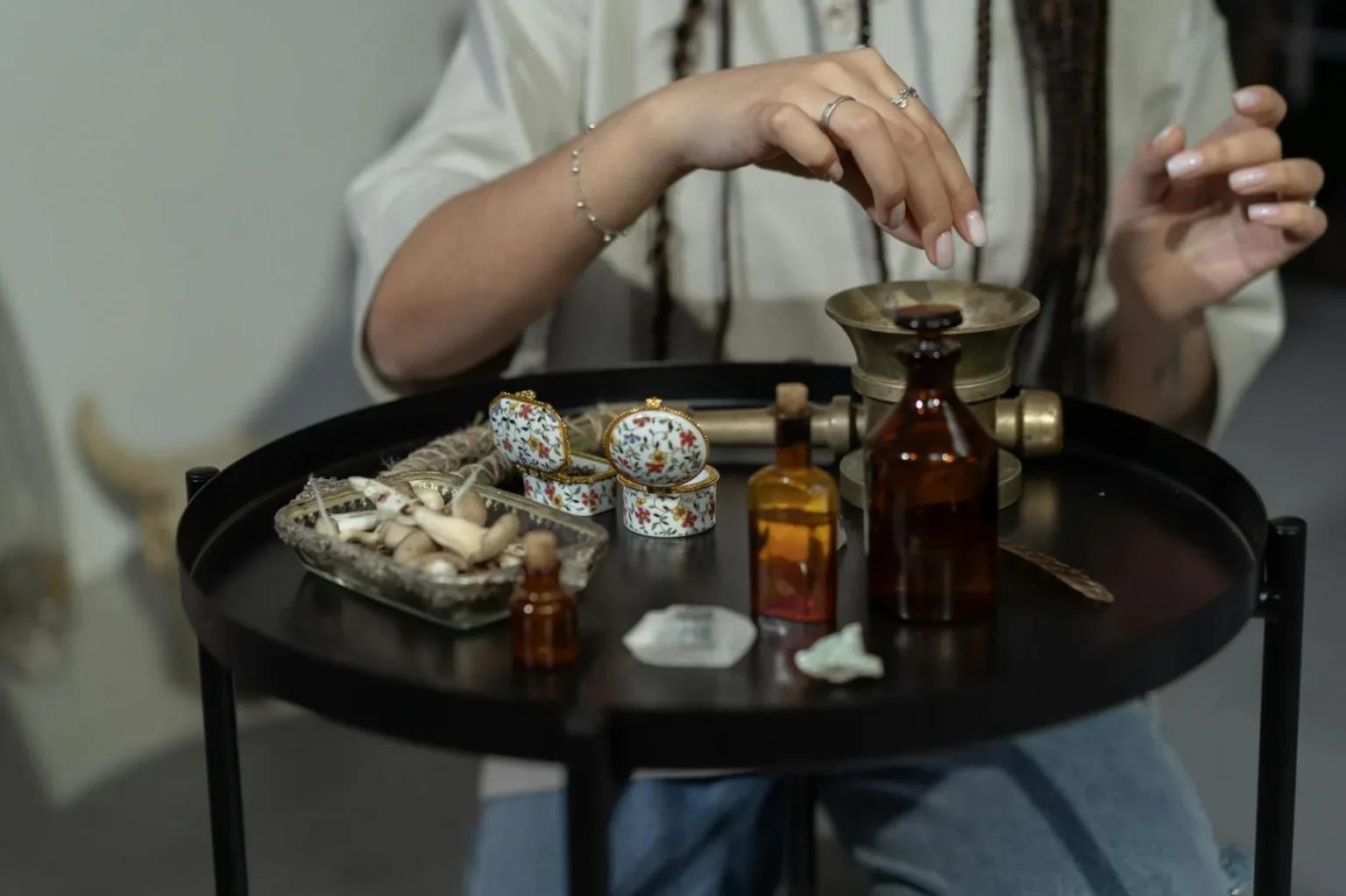
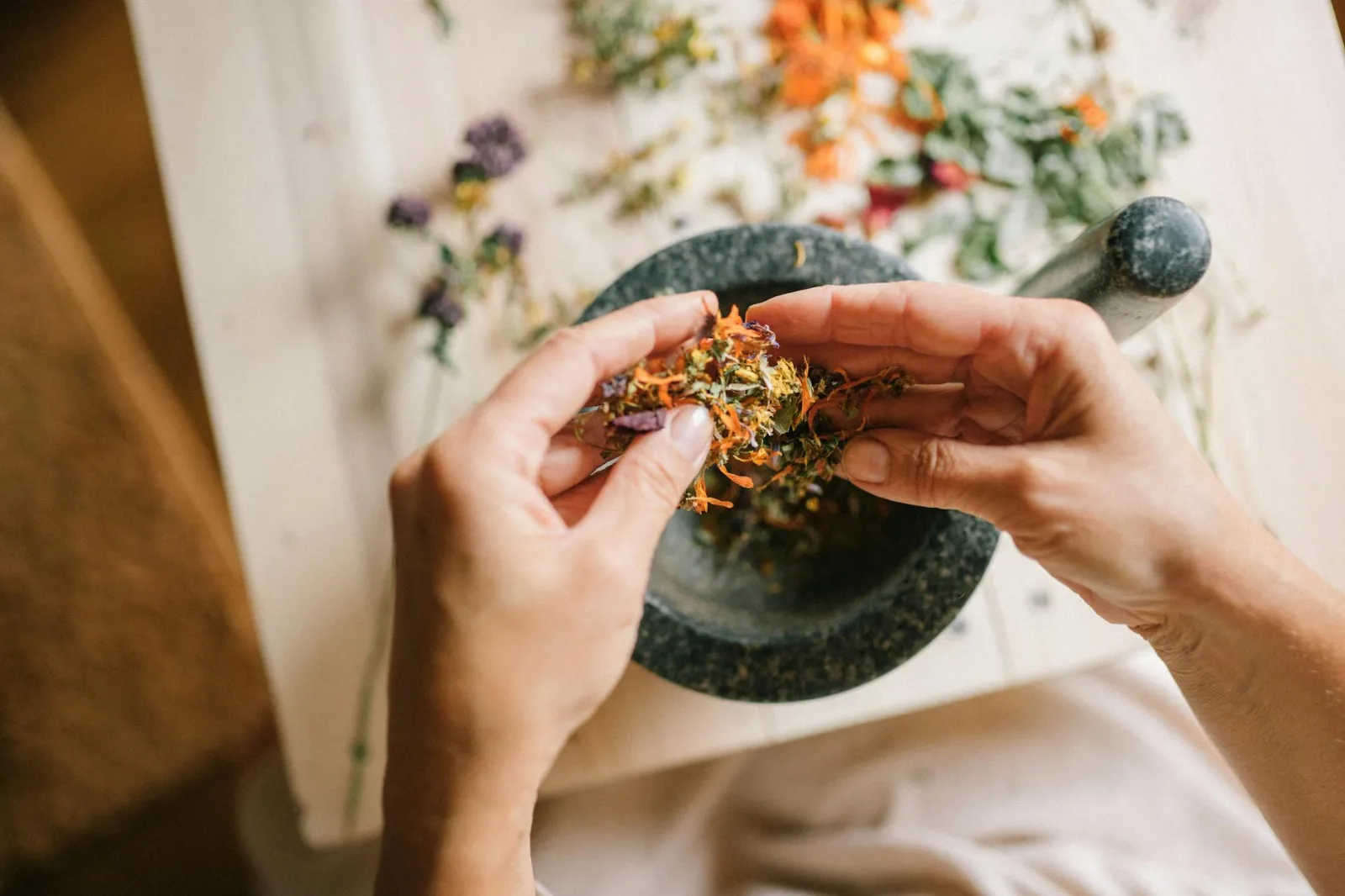
Herbal medicine plays a significant role in Egypt’s healing practices. Egyptians have historically used herbs like chamomile for its calming effects and peppermint for digestive issues. Important note: Always consult with a healthcare provider before trying new herbal remedies, especially if you are on medication.

2. Essential Oils and Aromatherapy
Aromatherapy is another ancient practice that has gained popularity in modern holistic wellness. Essential oils, derived from plants, are believed to have therapeutic properties. For instance, frankincense oil is often used for its calming effects, while eucalyptus is known for respiratory benefits. Pro tip: When using essential oils, always dilute them with a carrier oil to avoid skin irritation.
3. Ancient Egyptian Rituals
Ancient Egyptians often incorporated rituals into their healing practices, believing in the connection between the body and spirit. One common practice involved the use of amulets, which were thought to protect against illness. You might find that engaging in rituals, even simple ones like meditation, can help create a sense of peace and well-being.
4. The Influence of Nutrition
Nutrition was, and still is, a cornerstone of Egyptian healing practices. Traditional diets rich in grains, vegetables, and legumes promote good health. You can adopt this by incorporating more whole foods into your meals. Warning: Be cautious of dietary restrictions; consult with a nutritionist to tailor a plan that suits your needs.
5. Integrating Modern Techniques with Traditional Practices
As you explore Egypt’s healing practices, consider how modern techniques can complement traditional remedies. For example, combining yoga with herbal treatments can enhance relaxation and mindfulness. The next step is to experiment and see what resonates with you personally.

6. Common Mistakes to Avoid
When navigating traditional remedies, travelers often make the mistake of relying solely on them without consulting a healthcare professional. This can lead to adverse effects, especially if you have underlying health conditions. Always approach new remedies with caution and do thorough research.
7. Finding Authentic Healing Experiences
If you are interested in experiencing these practices firsthand, seek out local wellness centers or practitioners who specialize in traditional Egyptian healing. Look for establishments that offer workshops or consultations. You can also learn about the cultural significance of these practices, enhancing your travel experience.
Conclusion: Embracing Holistic Wellness
In summary, Egypt’s ancient healing practices offer a wealth of knowledge that emphasizes the importance of holistic wellness. By exploring herbal medicine, essential oils, rituals, and nutrition, you can gain valuable insights into maintaining your health. Remember, the key is to approach these practices with an open mind and a willingness to learn. For more enriching experiences in Egypt, consider reading about 10 Unforgettable Cultural Experiences to Try in Egypt.