





Understanding Egypt’s Culinary Landscape
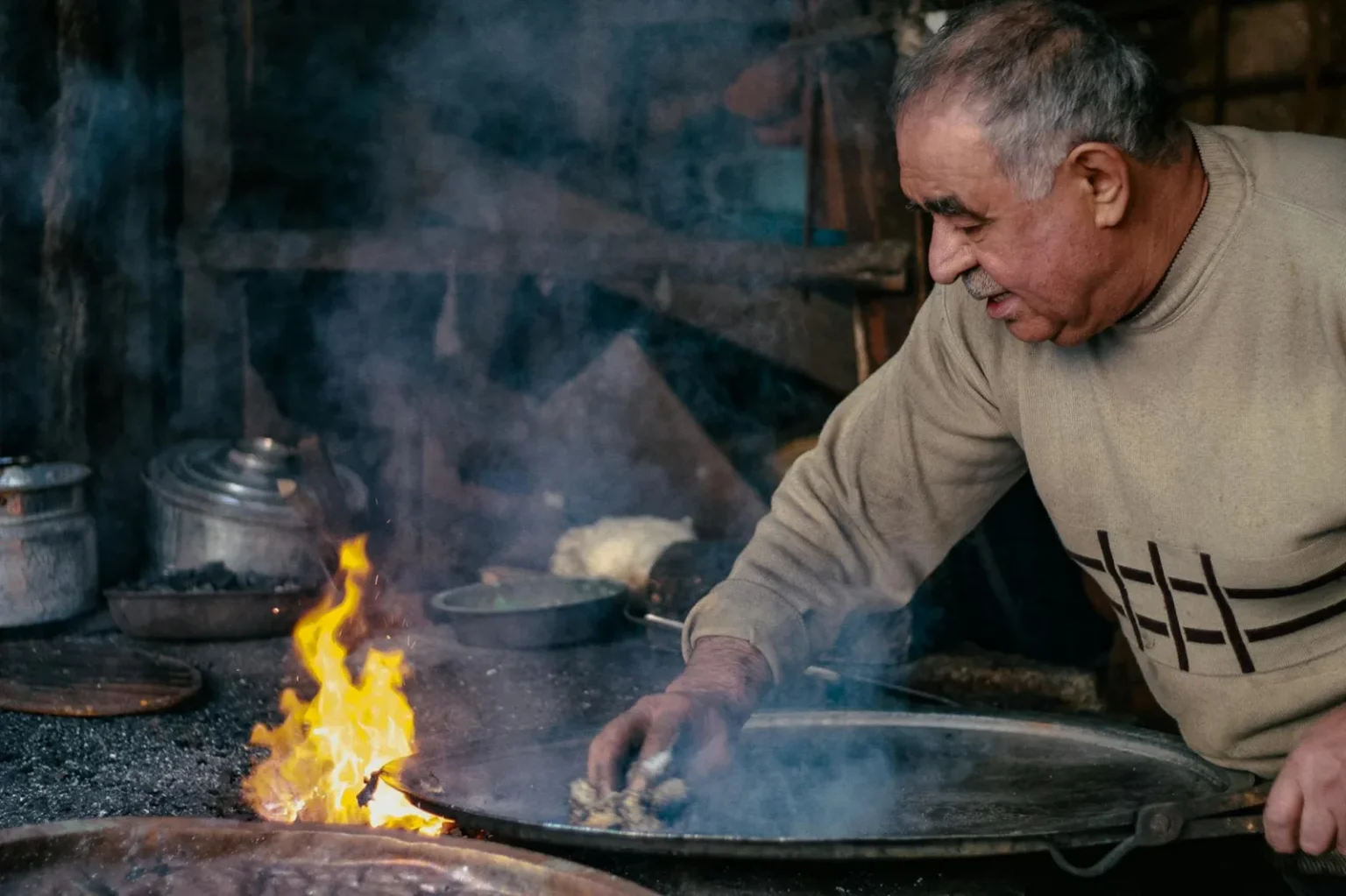
Egypt’s culinary experiences are a fascinating blend of flavors, traditions, and influences that reflect its rich history. While many travelers might be familiar with iconic dishes like koshari and falafel, there exists a plethora of hidden culinary gems waiting to be explored. To truly experience the essence of local food in Egypt, you must venture beyond the well-trodden paths of tourist hotspots.
- Understanding Egypt’s Culinary Landscape
- 1. Exploring Local Markets for Authentic Ingredients
- 2. Discovering Hidden Restaurants
- 3. Trying Street Food: The Heart of Egyptian Cuisine
- 4. Engaging in Culinary Workshops
- 5. Visiting Rural Areas for Traditional Cooking
- 6. Understanding Regional Variations
- 7. The Role of Hospitality in Egyptian Dining
- Conclusion: Savoring Egypt’s Culinary Journey
1. Exploring Local Markets for Authentic Ingredients
Firstly, immersing yourself in local markets can greatly enhance your understanding of Egyptian cuisine. Markets such as Khan El Khalili in Cairo are not just shopping destinations; they are vibrant hubs of culinary activity. Here, you can find fresh spices, herbs, and street food vendors showcasing local delicacies. For example, you might come across fatta, a traditional dish made with rice, bread, and lamb or beef, often served during festive occasions.
Important note: Always negotiate prices when shopping in markets. It’s part of the experience and a way to engage with local vendors.
2. Discovering Hidden Restaurants
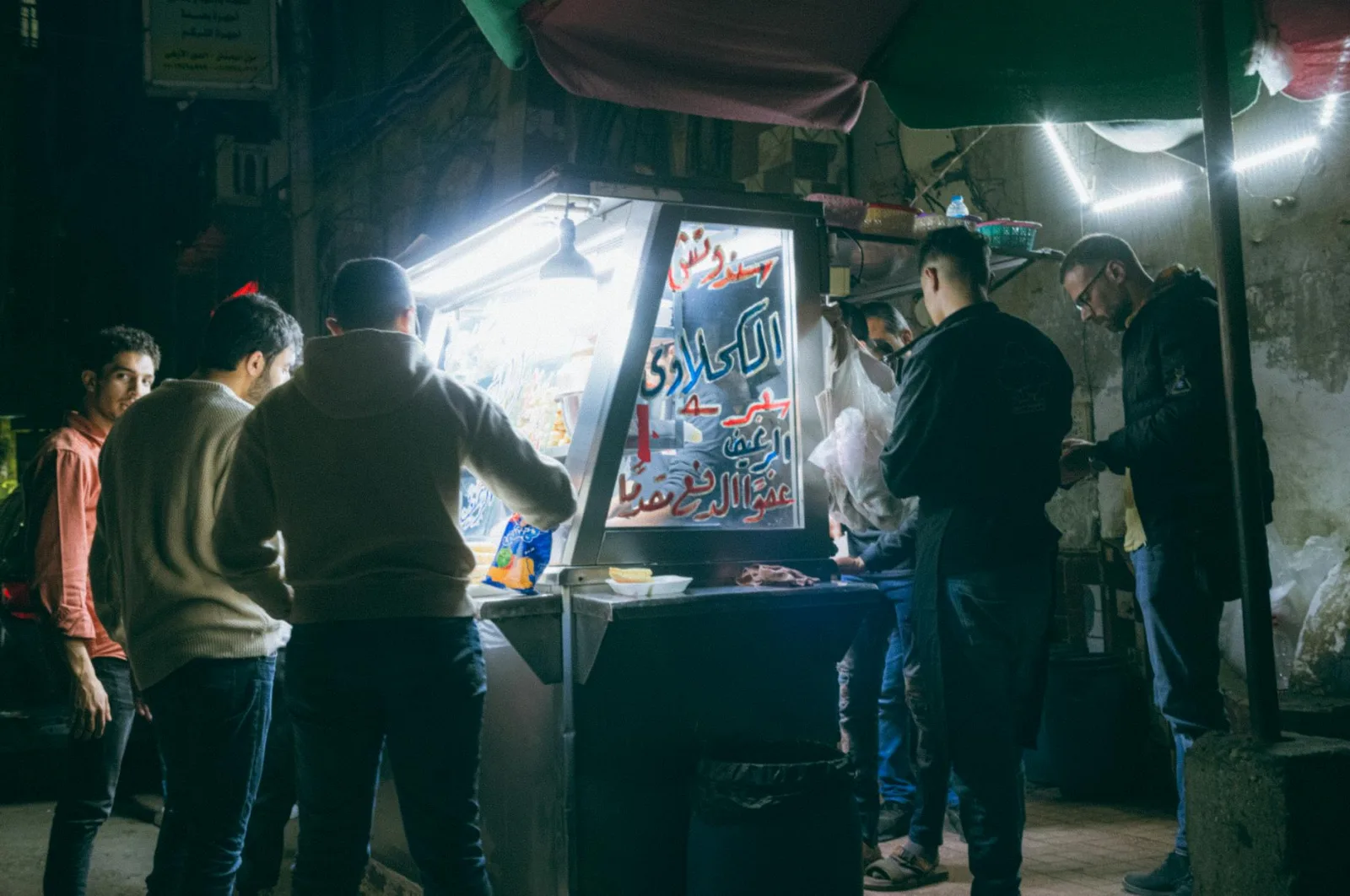
Next, seek out hidden restaurants that offer authentic Egyptian dishes, which are often overlooked by tourists. One such place is Abou El Sid in Cairo, known for its traditional ambiance and home-cooked meals. Menu items like molokhia, a green soup made with jute leaves, are served here with a side of fragrant rice and chicken.
Common mistake: Avoid dining at restaurants that primarily cater to tourists. Instead, ask locals for their favorite eateries—this will lead you to more genuine culinary experiences.
3. Trying Street Food: The Heart of Egyptian Cuisine
Street food is arguably the heart of local food in Egypt. You can find vendors selling koshari, a delicious mix of lentils, pasta, rice, and tomato sauce, topped with fried onions, at almost every corner. Another popular street food is ta’ameya, Egypt’s version of falafel made with fava beans.
Pro tip: When sampling street food, look for busy stalls. High turnover usually indicates freshness, and you can often enjoy a meal while mingling with locals.
4. Engaging in Culinary Workshops
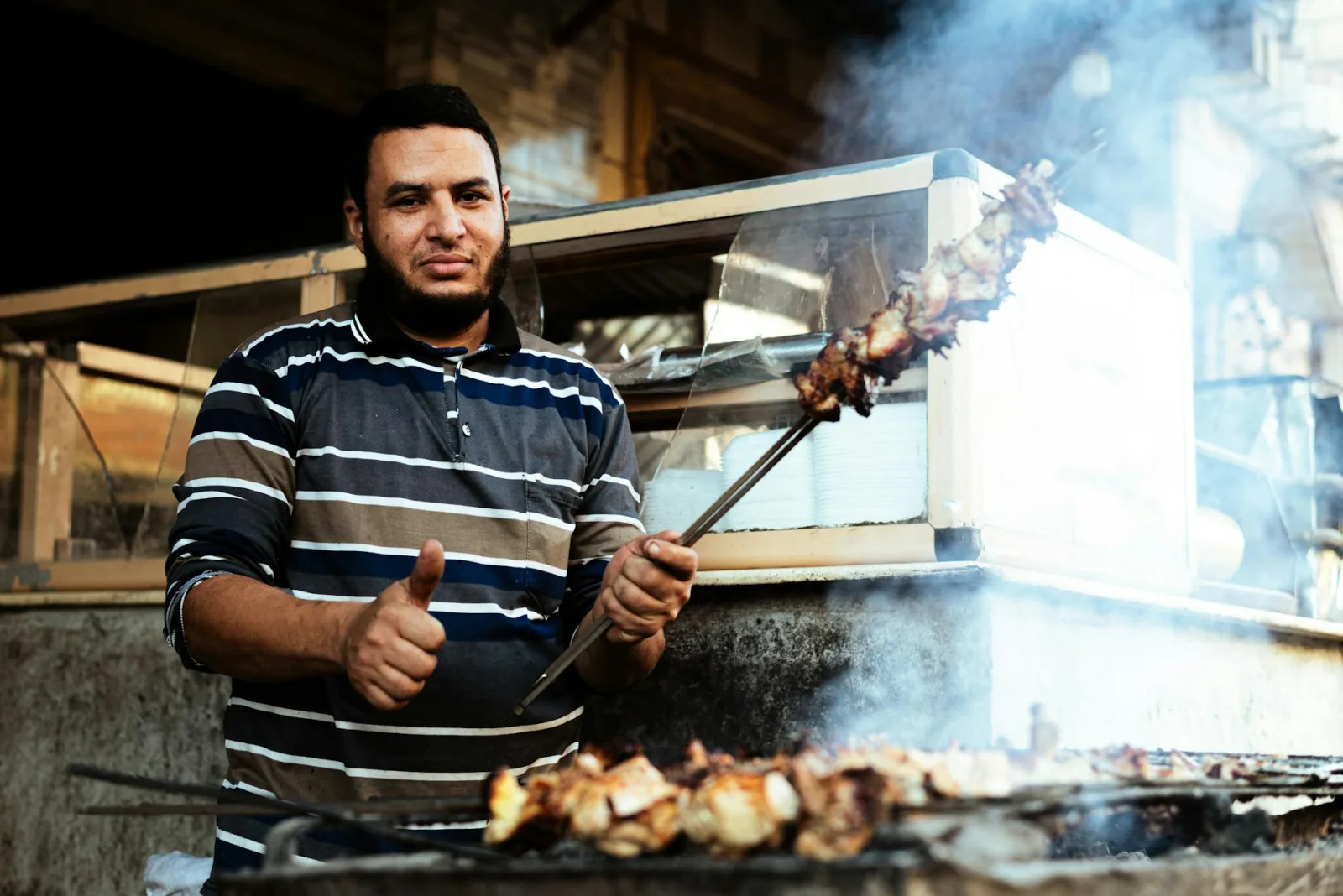
Participating in a culinary workshop can significantly enhance your understanding of Egyptian cuisine. Workshops, often hosted by local chefs, teach you how to prepare traditional dishes from scratch. This hands-on experience not only equips you with cooking skills but also offers insights into the cultural significance of the dishes.
For example, you might learn to make basbousa, a sweet semolina cake soaked in syrup, which holds a special place in Egyptian celebrations.
5. Visiting Rural Areas for Traditional Cooking
To gain a deeper appreciation for authentic Egyptian culinary experiences, consider visiting rural areas. Villages near the Nile, such as Luxor and Aswan, often have family-run restaurants or homestays where you can enjoy traditional meals prepared with locally sourced ingredients.
Warning: When visiting rural areas, be mindful of local customs and traditions. Engaging respectfully with families can lead to unforgettable culinary exchanges.
6. Understanding Regional Variations
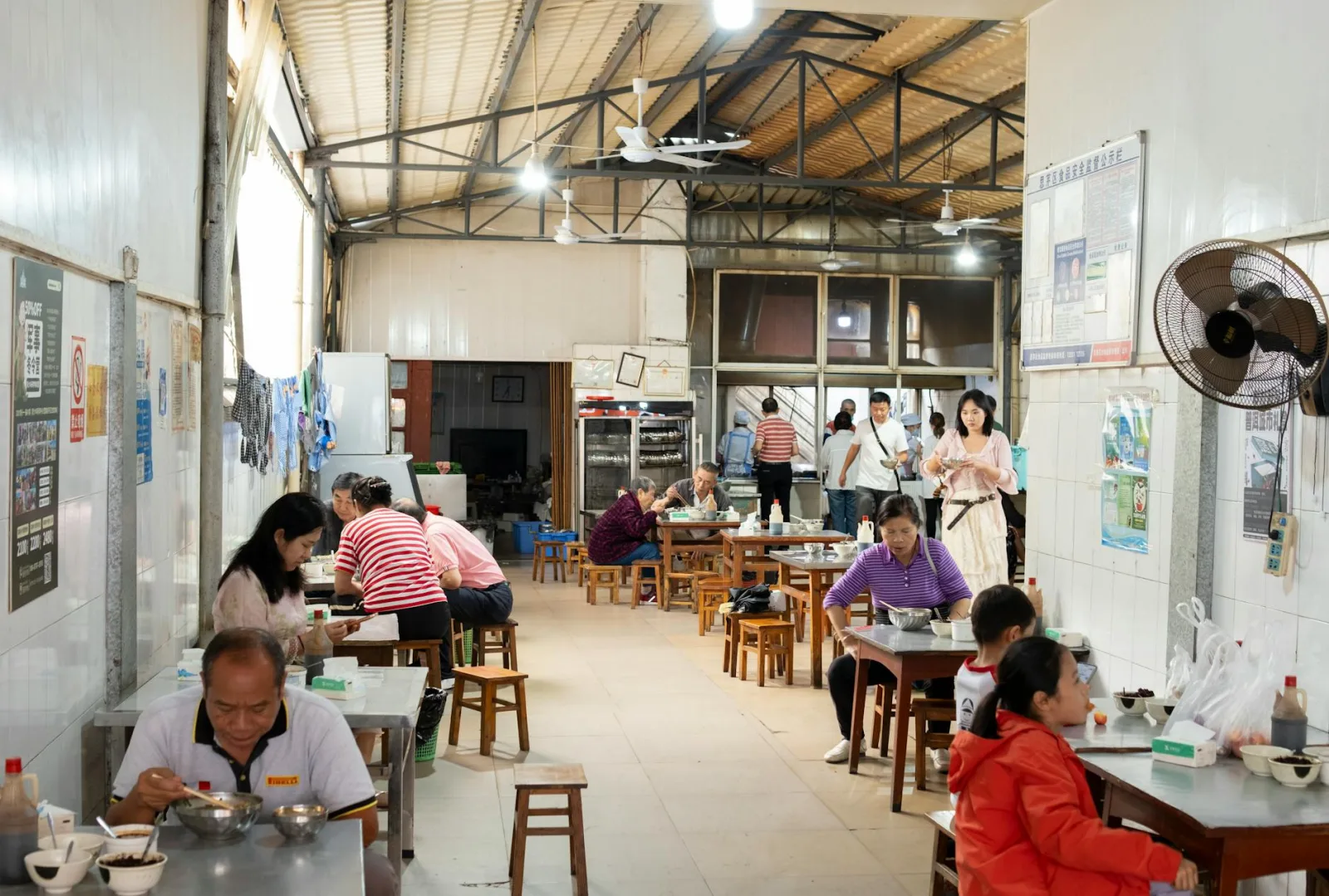
Egyptian cuisine varies significantly by region. In Alexandria, seafood takes center stage, with dishes like grilled fish and shrimp stuffed with herbs. In contrast, the southern regions may emphasize more hearty, meat-based dishes. Therefore, it’s essential to be open to trying different regional specialties whenever you travel within Egypt.
Let’s understand this with a simple example: If you’re in Cairo, make sure to sample the local shawarma, while in Aswan, opt for a plate of pigeon stuffed with rice.
7. The Role of Hospitality in Egyptian Dining
Finally, understanding the importance of hospitality in Egyptian culture can enhance your culinary experiences. Meals are often communal, and it’s common for hosts to encourage you to eat more. Accepting this gesture is a sign of respect and appreciation.
Additionally, be prepared to share stories or engage in conversations about your culinary experiences. This interaction can not only enrich your understanding of Egyptian food but also foster connections with locals.
Conclusion: Savoring Egypt’s Culinary Journey
In summary, navigating Egypt’s culinary experiences requires a willingness to explore beyond conventional dining options. By venturing into local markets, discovering hidden restaurants, and engaging with local chefs, you can gain an authentic taste of Egypt’s diverse food culture. Whether sampling street food or participating in cooking workshops, each experience contributes to a deeper understanding of the country’s culinary heritage. Remember, the journey of discovering local food in Egypt is just as rewarding as the dishes themselves. Happy eating!