





Understanding Egyptian Cuisine
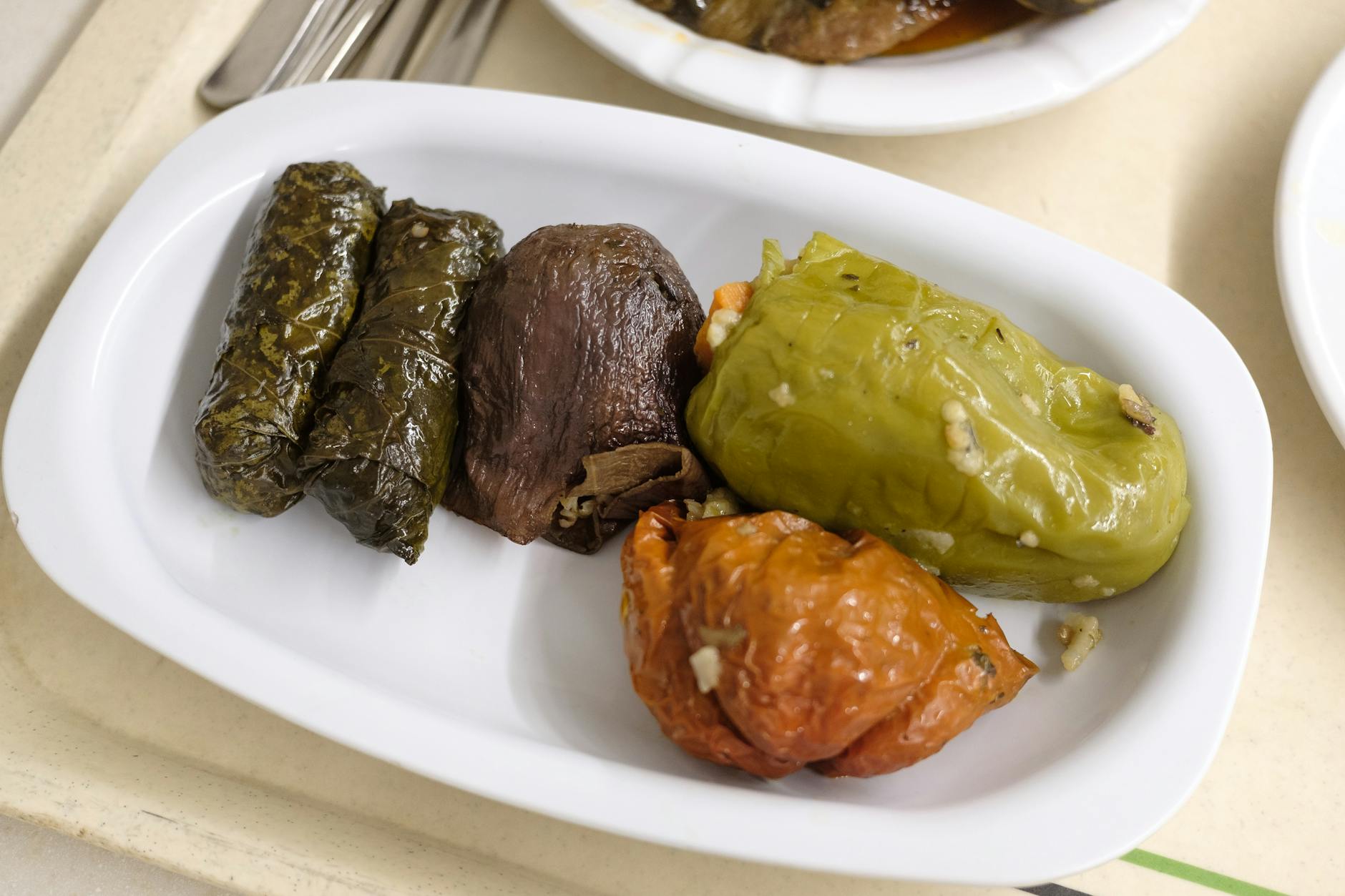
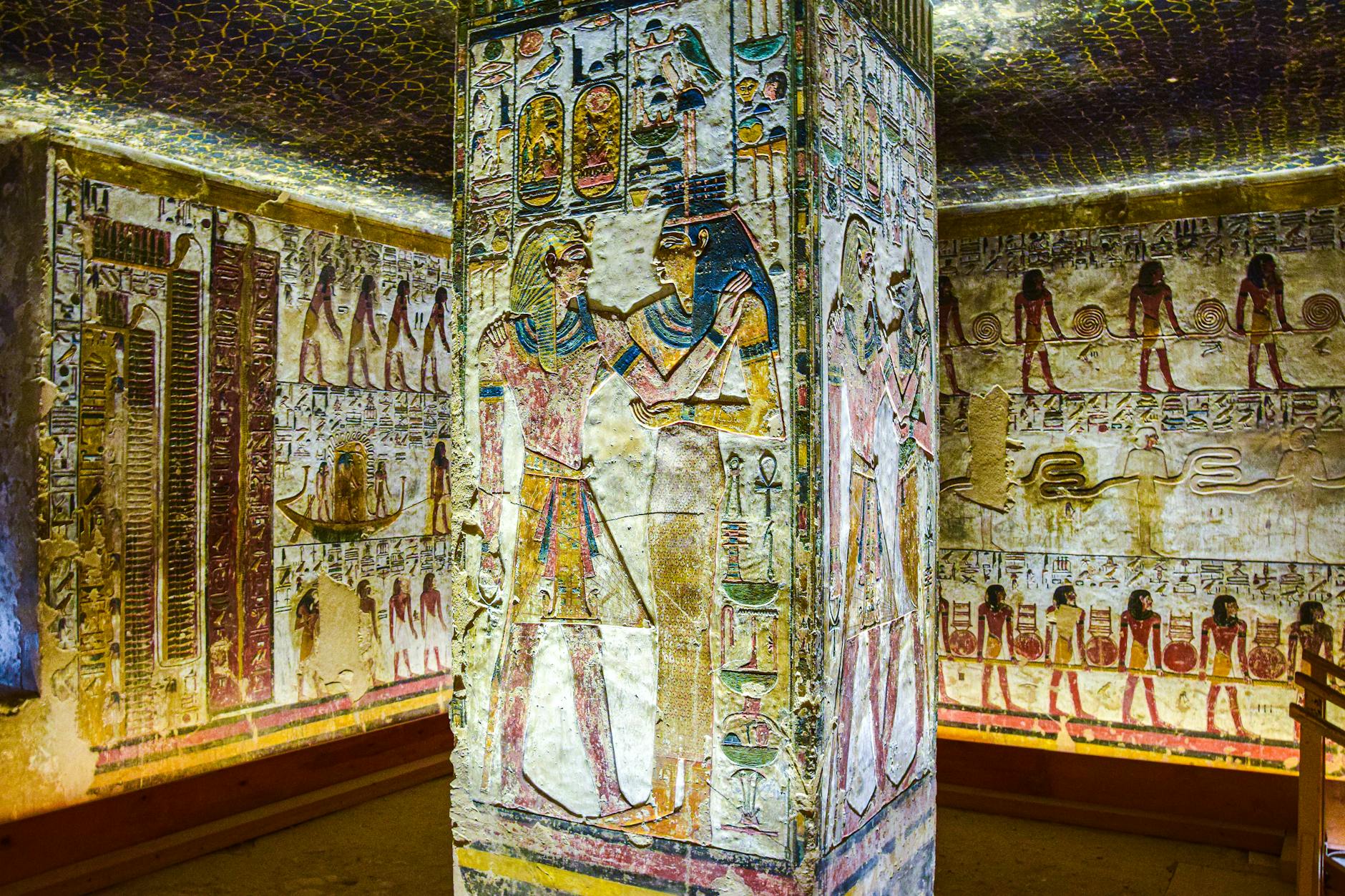
Egyptian cuisine is a rich and diverse tapestry of flavors. This culinary heritage spans thousands of years. Firstly, it showcases the ancient agricultural practices along the Nile. Traditional dishes reflect the influence of various civilizations that have inhabited Egypt. These include the Pharaonic, Greco-Roman, and Islamic periods. Therefore, understanding what to eat is essential for any traveler.
Must-Try Traditional Dishes
Exploring Egyptian cuisine means tasting iconic dishes. Ful medames is a breakfast staple made from fava beans. This hearty dish is often served with olive oil and lemon. Secondly, koshari is a must-try for its unique blend of flavors. It combines rice, lentils, and pasta topped with a spiced tomato sauce. Additionally, molokhia is a standout dish made with jute leaves. This green soup often accompanies chicken or rabbit, creating a comforting meal.
Regional Variations
Each region in Egypt has its own culinary specialties. In Cairo, you’ll find an array of street food options. Vendors sell ta’amiyya, Egypt’s version of falafel, which is delicious and crispy. Conversely, Upper Egypt is known for its hearty stews and grilled meats. Here, dishes often incorporate rich spices and slow cooking techniques.
The Impact of Geography
Egypt’s geography profoundly shapes its culinary landscape. The Nile River provides fertile land ideal for agriculture. As a result, staple ingredients include grains, legumes, and fresh vegetables. Moreover, coastal areas contribute seafood to the culinary repertoire. Fish dishes like sayadeya showcase the freshness of the Mediterranean and Red Sea.
Dining Etiquette in Egypt
Understanding dining etiquette enriches your experience of Egyptian cuisine. Meals are often communal affairs, featuring shared dishes. It is customary to eat with your right hand. Additionally, bread serves as both a utensil and an accompaniment. Visitors should also expect a warm atmosphere steeped in hospitality.
Where to Enjoy Authentic Egyptian Cuisine
Finding the right places to enjoy Egyptian cuisine is essential. Street vendors offer quick bites that are both flavorful and affordable. However, restaurants like Al Azhar Park provide a more formal dining experience. These venues often serve traditional dishes with a contemporary twist. Furthermore, food tours allow travelers to explore local flavors guided by knowledgeable locals.
The Role of Egyptian Cuisine in Daily Life
Finally, Egyptian cuisine plays a significant role in daily life and culture. Meals symbolize sharing and family bonds. During Ramadan, the tradition of breaking fast with dates is observed across the country. In conclusion, Egyptian cuisine is more than just food; it’s a celebration of heritage and community.