




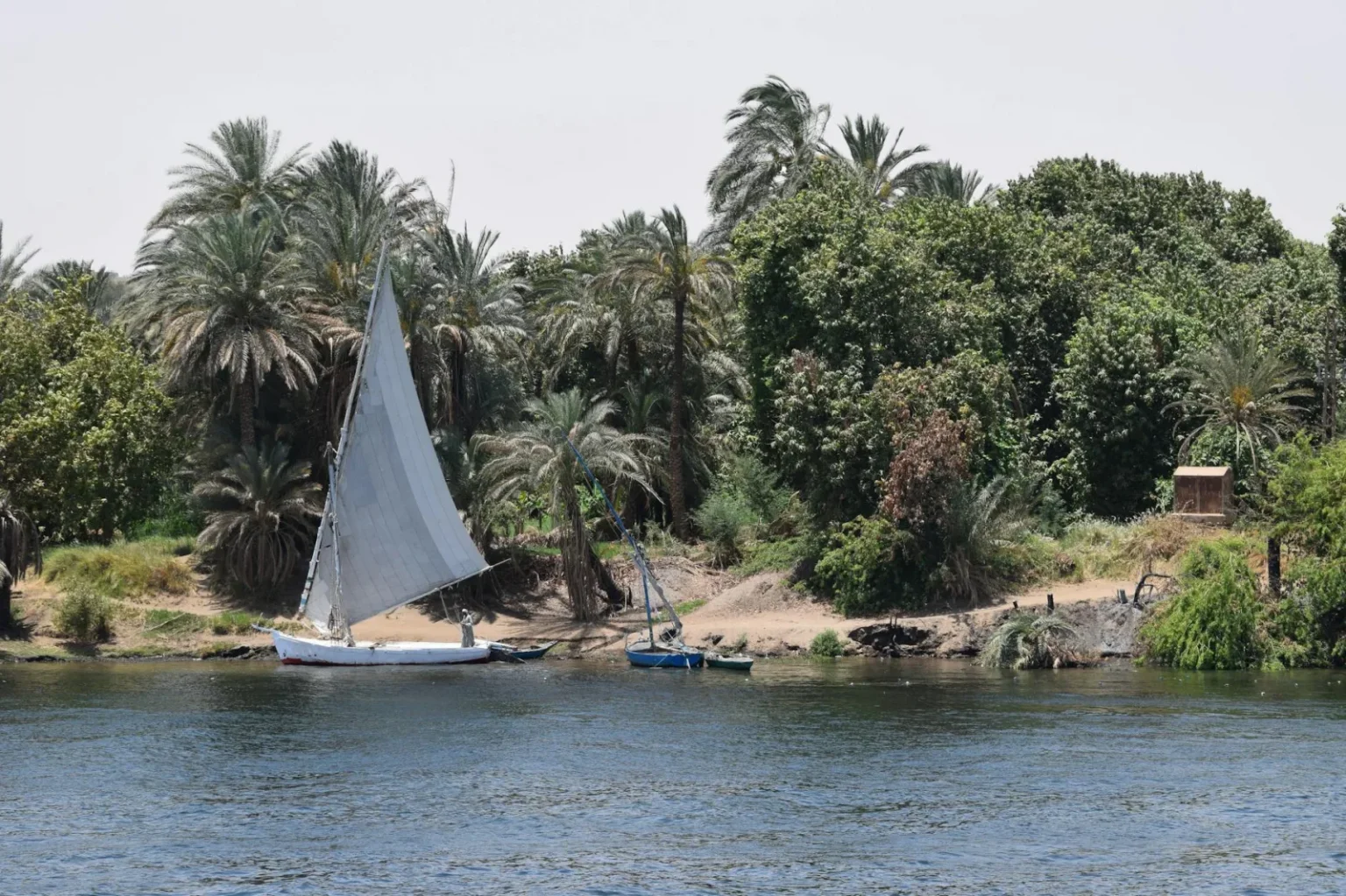

Understanding Eco-Tourism in Egypt
Eco-tourism in Egypt focuses on responsible travel that conserves the environment and improves the well-being of local communities. As a traveler, you may wonder how to enjoy the rich history and diverse landscapes of Egypt while minimizing your ecological footprint. The next step is to understand what eco-tourism entails and how it can shape your travel experience.
Why Choose Sustainable Travel?
Sustainable travel is not just a trend; it’s a necessary approach to preserving the planet. By choosing eco-friendly practices, you contribute to environmental conservation efforts and support local economies. This means opting for accommodations that prioritize sustainability, participating in community-based tourism, and being mindful of your consumption habits. For instance, staying at eco-lodges or using local guides can significantly reduce your impact on the environment while enhancing your travel experience.

Key Eco-Friendly Destinations in Egypt
When planning your trip, consider visiting destinations that embrace eco-tourism principles. Here are some notable spots:
- The Red Sea Coast: Known for its vibrant coral reefs, this area offers eco-friendly resorts that focus on marine conservation. Diving and snorkeling tours often promote coral restoration efforts.
- Siwa Oasis: This remote oasis is a model for sustainable living. Engage with local Berber communities and learn about their traditional practices that respect the natural environment.
- Luxor: While famous for its ancient temples, Luxor also supports eco-friendly initiatives. Look for tours that emphasize responsible archaeology and cultural heritage.
Practical Steps for Sustainable Travel in Egypt
To make your trip more eco-friendly, follow these practical steps:
- Research Before You Go: Find out which accommodations support sustainability. Websites like EcoBnB can help you identify eco-friendly lodgings.
- Use Public Transport: Whenever possible, opt for public transportation or carpooling instead of taxis. This reduces carbon emissions and is often a more authentic way to experience the local culture.
- Eat Local: Dining at local restaurants not only supports the economy but also reduces the carbon footprint associated with shipping food over long distances. Explore local markets for fresh produce.
- Minimize Waste: Bring reusable water bottles and bags to reduce plastic waste. Many areas in Egypt have refill stations where you can purify tap water.
- Respect Wildlife: If you encounter wildlife, observe from a distance and avoid feeding animals. This helps maintain their natural behaviors and habitats.
Common Mistakes to Avoid
First-time travelers often overlook some important aspects of sustainable travel. Here are common mistakes to be aware of:
- Ignoring Local Customs: It’s essential to understand and respect local customs and traditions. This not only enhances your experience but shows respect for the culture.
- Overtourism: Popular sites can become overwhelmed. Visit during off-peak seasons or at less busy times to reduce pressure on these locations. For more insights, check out our article on off the beaten path destinations.
- Neglecting to Support Local Economies: Avoid international chain hotels and restaurants. Instead, choose local businesses that reinvest in their communities.
Engaging with Local Communities
One of the most rewarding aspects of eco-tourism is engaging with local communities. Activities like volunteering, participating in workshops, or joining guided tours led by locals provide deeper insights into the culture and traditions of Egypt. For example, you could take part in a traditional cooking class in a village, which not only supports the local economy but also enriches your understanding of Egyptian culinary heritage. Check our guide on navigating Egypt’s culinary heritage for more information.
Tips for Sustainable Activities
When exploring Egypt, consider these eco-friendly activities:
- Eco-Friendly Tours: Seek out companies that offer eco-tours focusing on responsible interactions with nature. Look for certifications or endorsements from reputable organizations.
- Cultural Festivals: Participating in local festivals allows you to experience authentic traditions while supporting the community. For a guide on seasonal festivals, visit navigating Egypt’s seasonal festivals.
- Desert Adventures: The Egyptian desert is a unique ecosystem. Join guided tours that emphasize education on desert conservation, such as the impact of climate change. For essential tips on safety and survival, check out our article on traveling the Egyptian desert.
Conclusion: Your Role in Sustainable Travel
As you plan your journey through Egypt, remember that your choices matter. By embracing eco-tourism principles, you can enjoy the beauty of this ancient land while contributing to its preservation. Every small action counts, whether it’s choosing eco-friendly accommodations, supporting local businesses, or respecting cultural practices. In summary, sustainable travel is not just about seeing the sights; it’s about creating a positive impact. So, as you embark on your adventure, keep these practices in mind, and enjoy the rich, diverse experience that Egypt has to offer.