Navigating Egypt’s Eco-Tourism: Sustainable Travel Practices for the Conscious Explorer
By
Share
Understanding Eco-Tourism in Egypt
Eco-tourism Egypt focuses on responsible travel that conserves the environment and improves the well-being of local communities. This concept is not just about visiting scenic spots; it involves engaging with the local culture, supporting conservation efforts, and minimizing your ecological footprint. By choosing eco-tourism, you contribute to the preservation of Egypt’s rich heritage while enjoying its breathtaking landscapes.
Sustainable travel practices allow you to experience a destination without harming its environment. For instance, when you opt for eco-friendly accommodations, your stay has less impact on natural resources. Additionally, sustainable travel supports local economies by creating jobs and fostering cultural exchange. This way, you can enjoy Egypt’s beauty while ensuring that future generations can experience it too.
📷 Nima Mot – Pexels
1. Research Eco-Friendly Accommodations
The first step in your sustainable journey is choosing the right place to stay. Look for accommodations that prioritize green practices such as energy efficiency, waste reduction, and water conservation. Hotels or lodges that are certified by eco-tourism organizations often have programs in place to minimize their environmental impact. Websites like EcoBnB can help you find such places. For example, consider booking a stay in an eco-lodge in the Siwa Oasis, where you can enjoy nature while supporting local initiatives.
2. Support Local Communities
Engaging with local communities is a crucial aspect of eco-tourism. Instead of dining at international chains, seek out local restaurants that serve traditional Egyptian cuisine. By doing so, you not only enjoy authentic flavors but also support local farmers and artisans. For instance, exploringnavigating Egypt’s culinary street food can lead you to hidden gems that reflect the country’s rich food heritage.
3. Choose Sustainable Transportation
Transportation plays a significant role in your travel impact. Whenever possible, opt for public transport or shared rides instead of renting a car. Trains and buses offer a more sustainable way to traverse Egypt while allowing you to interact with locals. Alternatively, consider eco-friendly options, such as cycling or walking tours, especially in cities like Cairo or Luxor. These methods not only reduce carbon emissions but also provide you with a unique perspective of the local culture.
📷 Michelle Chadwick – Pexels
4. Participate in Conservation Efforts
Engaging in conservation activities can deepen your connection to Egypt’s natural wonders. Many organizations offer volunteer opportunities for travelers to help with local conservation projects, such as protecting marine life in the Red Sea or participating in desert clean-up initiatives. This hands-on approach allows you to contribute positively to the environment while learning about local ecosystems.
5. Minimize Your Waste
Reducing waste is crucial when traveling. Carry a reusable water bottle to avoid single-use plastic, and pack reusable bags for shopping. Many places in Egypt, particularly in urban areas, may not have adequate waste management systems. By minimizing your waste, you help keep the environment cleaner. Important note: Always dispose of waste properly, and consider taking your trash with you if facilities are lacking.
📷 Markus Winkler – Pexels
6. Respect Local Cultures and Traditions
Eager to delve into Egypt’s cultural heritage? Understanding and respecting local customs is essential. Familiarize yourself with cultural norms before visiting places like temples or traditional markets. For instance, dressing modestly when visiting religious sites not only shows respect but also enhances your experience. Additionally, consider exploring Egypt’s hidden neighborhoods to witness everyday life and cultural practices that tourists often overlook.
7. Learn About the Local Ecosystem
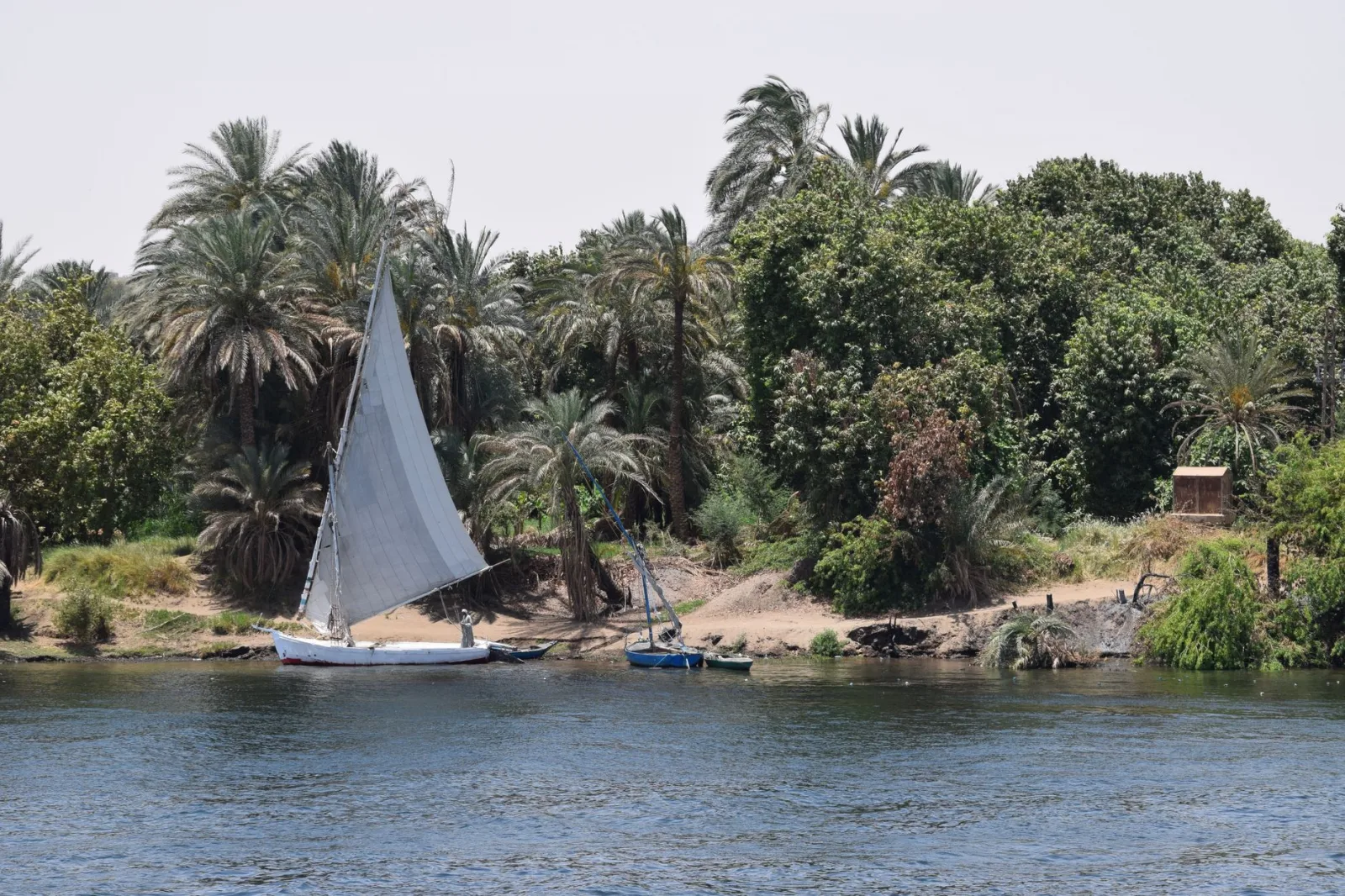
Before embarking on eco-tours or outdoor activities, take the time to understand the local ecosystem. For example, the Nile River is not just a beautiful sight; it plays a vital role in the ecosystem and the livelihoods of the people living along its banks. Understanding these connections will help you appreciate the environment more deeply and make informed choices during your travels.
Conclusion: Key Takeaways for the Conscious Explorer
As you plan your journey through Egypt, remember that eco-tourism is about creating positive experiences for both you and the environment. By choosing eco-friendly accommodations, supporting local communities, minimizing waste, and participating in conservation efforts, you can enhance your travel experience while making a significant impact. The next step is to embrace these sustainable practices, ensuring that your adventure in Egypt contributes to the preservation of its stunning landscapes and rich cultural heritage.