




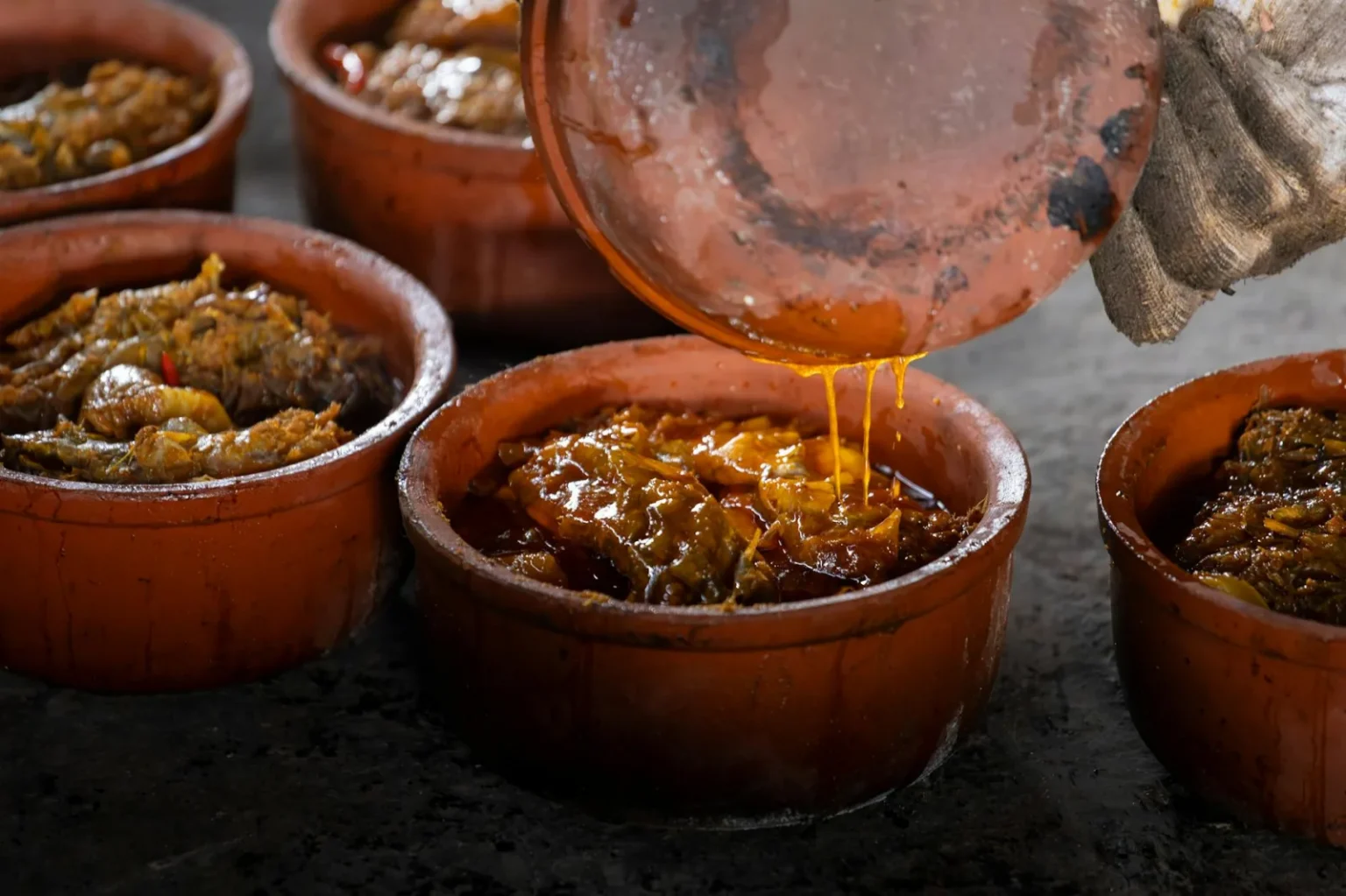

Understanding Egyptian Cuisine
Egyptian cuisine is a delightful tapestry woven from a rich history, diverse cultures, and regional ingredients. To fully appreciate it, you must explore beyond the ubiquitous tourist spots. Authentic local dishes often tell stories of their origins, influenced by ancient traditions and modern culinary practices. By understanding the core ingredients and techniques, you can navigate through a mouthwatering journey of flavors.
The Core Components of Egyptian Dishes
At the heart of Egyptian cuisine are staple ingredients such as legumes, grains, and vegetables. Common elements include:
- Fava Beans: Used in dishes like ful medames, a popular breakfast choice.
- Rice and Bread: Essential for any meal, often served with stews or grilled meats.
- Herbs and Spices: Cumin, coriander, and garlic are frequently used to enhance flavors.
Understanding these components will help you identify authentic dishes and appreciate their unique flavors.
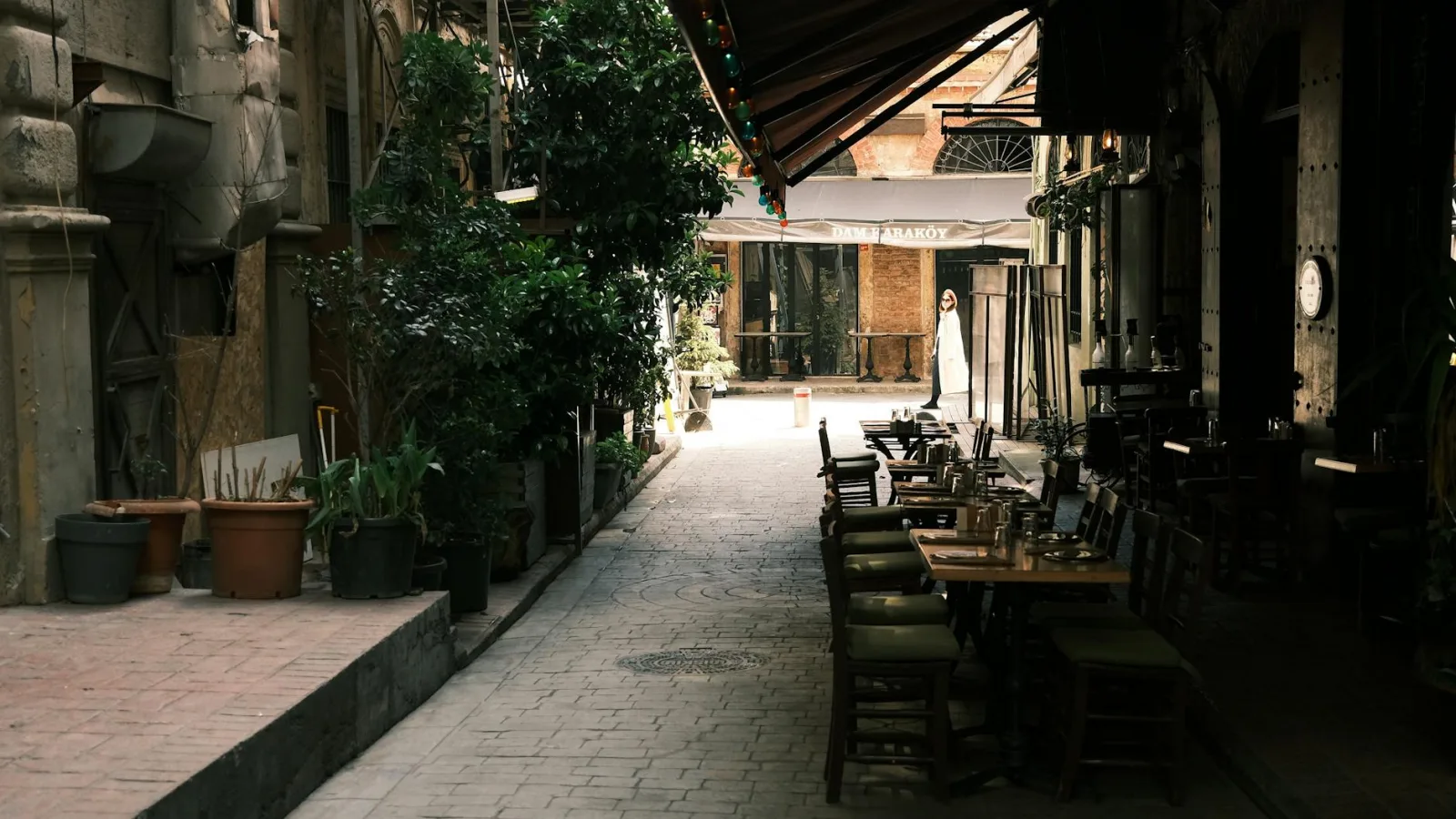
Must-Try Dishes and Where to Find Them
Here’s a practical list of local dishes that you should not miss:
- Ful Medames: This dish features slow-cooked fava beans, often served with olive oil, lemon, and cumin. You can find it in almost any local breakfast spot.
- Koshari: A filling mix of rice, lentils, pasta, and tomato sauce, topped with fried onions. Visit Abou Tarek in Cairo for an authentic experience.
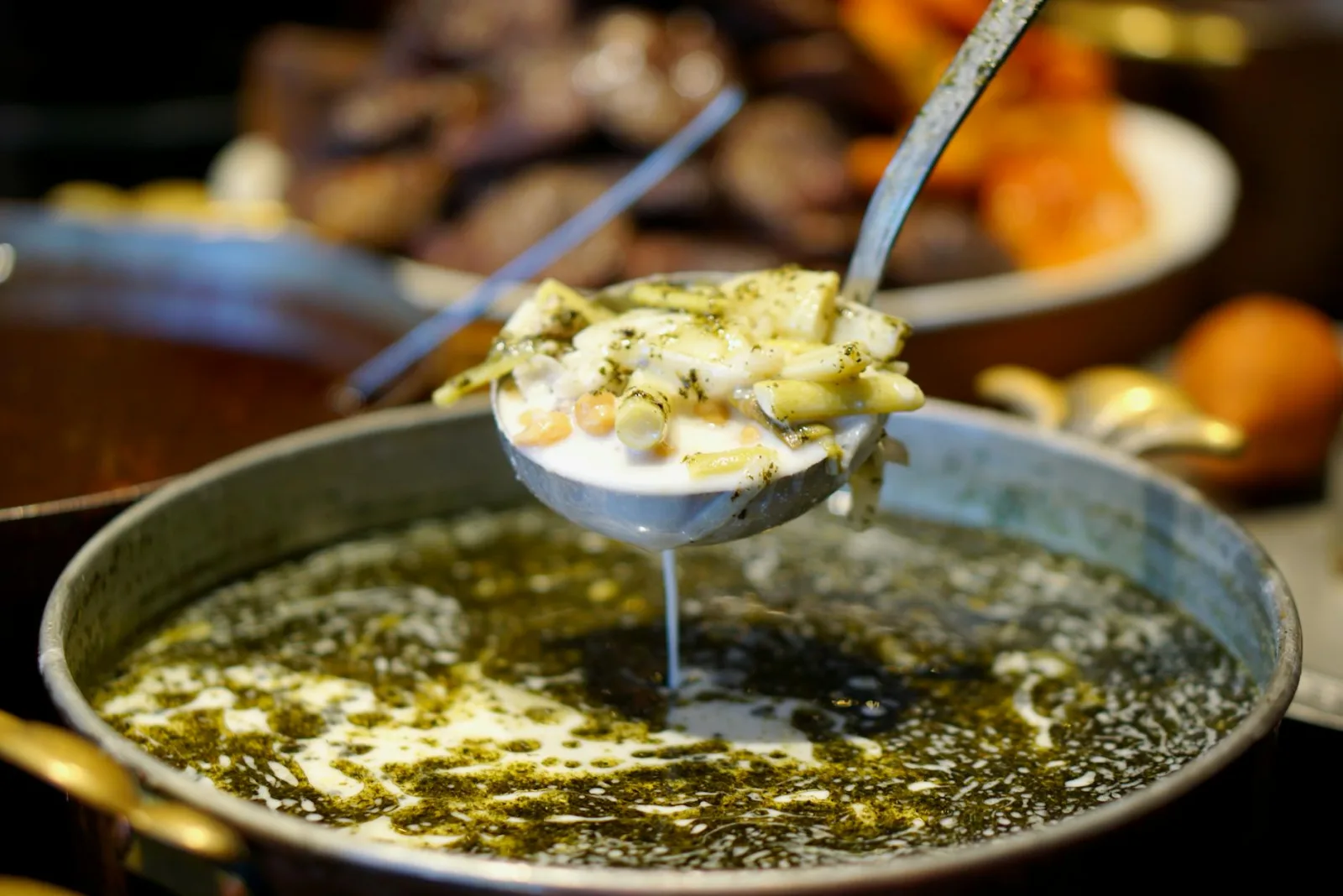
- Molokhia: A green soup made from jute leaves, typically served with chicken or rabbit. Try it at El-Wahy for a traditional taste.
Make sure to ask locals for their recommendations, as they often know the hidden gems.
Hidden Culinary Gems Off the Beaten Path
Beyond well-known eateries, Egypt is home to hidden culinary gems. These spots offer a more intimate dining experience:
- Street Vendors: Often overlooked, local street vendors serve some of the best ta’ameya (Egyptian falafel) and sambousak (savory pastries). Always check cleanliness, and try to visit during busy hours for the freshest options.
- Family-owned Restaurants: Seek out places like Felfela in Cairo, known for their home-cooked meals and welcoming atmosphere. Such establishments often serve dishes passed down through generations.
Important note: Always ask about the ingredients to ensure you’re not allergic to any local specialties.
Tips for Navigating Local Markets
Local markets are treasure troves for food lovers. They offer not only fresh produce but also regional delicacies. Here are some tips for navigating these bustling environments:
- Timing: Visit early in the morning to experience the freshest offerings and avoid the heat.
- Engage with Vendors: Don’t hesitate to ask questions. Vendors usually enjoy sharing their knowledge about their products.
- Sample Before You Buy: Many vendors offer small samples. This is a great way to discover new flavors without committing to a purchase.
Understanding Meal Etiquette
Dining customs in Egypt can differ from what you might be used to. Here are some key etiquette points to keep in mind:
- Use Your Right Hand: It’s customary to eat with your right hand. If you’re using utensils, that’s perfectly acceptable too.
- Sharing is Caring: Meals are often served family-style, encouraging communal dining. Don’t hesitate to share dishes with your dining companions.
- Compliments to the Cook: If you enjoyed your meal, it’s polite to express your appreciation to the cook or the owner.
Pro tip: If you’re unsure about something, just observe how locals are dining and follow their lead.
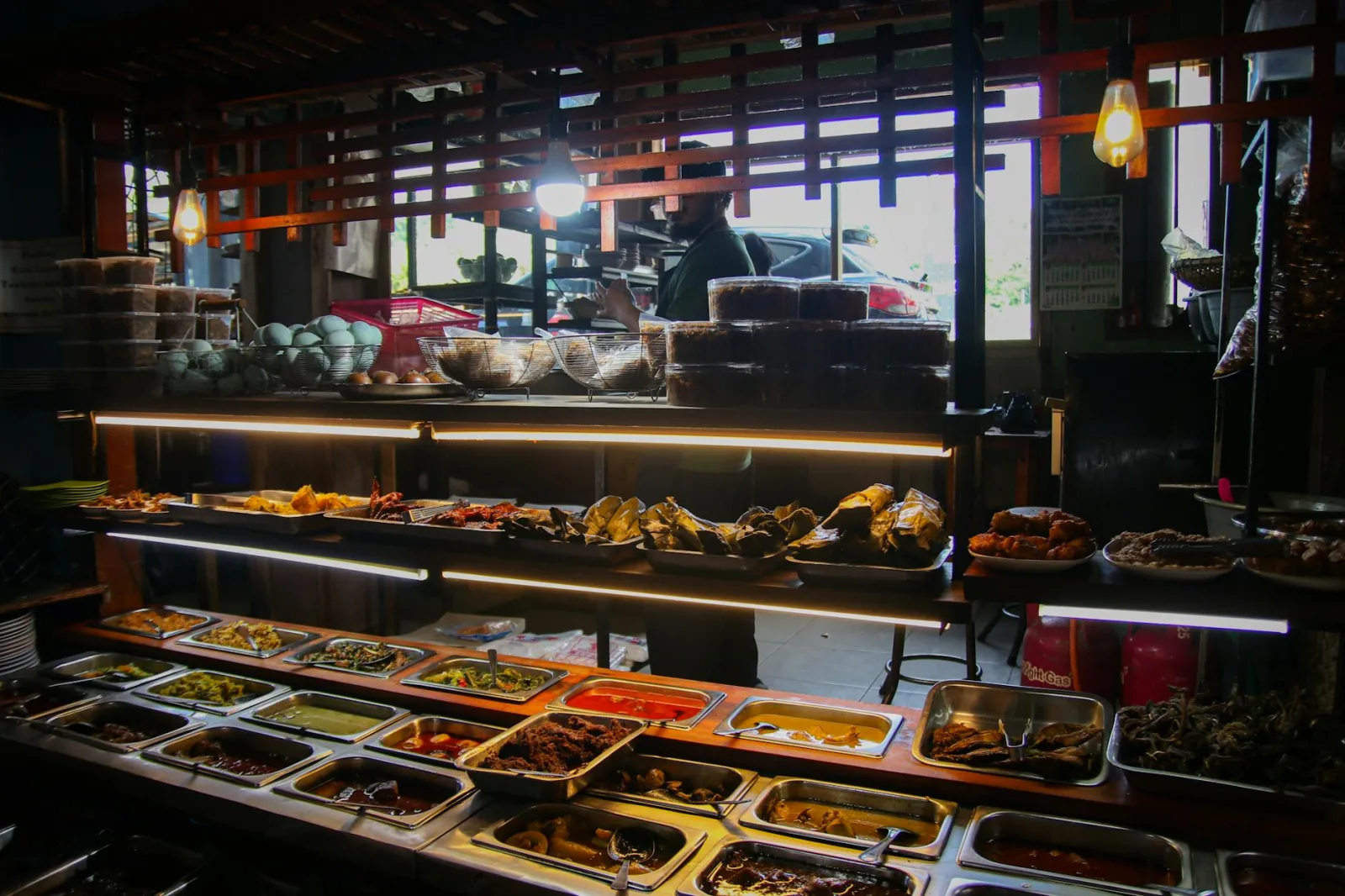
Exploring Regional Variations
Egypt is vast, and its regions boast unique culinary identities. Depending on where you are, you might encounter:
- Alexandrian Cuisine: Known for its seafood, especially dishes like grilled fish and fried calamari.
- Upper Egyptian Dishes: Hearty meals like hamam mahshi (stuffed pigeon) can be found in cities like Luxor and Aswan.
- Cairo’s Fusion: The bustling capital is a melting pot where traditional dishes often blend with modern flavors, giving rise to unique interpretations.
Common mistake: Don’t assume meals are the same across regions; always be open to trying local specialties.
Final Thoughts and Key Takeaways
Egyptian cuisine is a reflection of its rich cultural heritage and offers a plethora of flavors waiting to be discovered. To make the most of your culinary journey:
- Do your research on local dishes ahead of time.
- Engage with locals to find hidden gems.
- Be adventurous with your palate; don’t shy away from trying new foods.
By venturing off the beaten path and embracing the local food scene, you’ll gain a deeper appreciation for Egyptian culture. Remember, each dish has a story and a place in Egypt’s vibrant culinary tapestry. Happy eating!