





Understanding Spiritual Retreats in Egypt
Spiritual retreats in Egypt offer a unique opportunity to connect with both ancient traditions and modern practices aimed at fostering mindfulness and inner peace. Egypt, with its rich history and diverse landscapes, provides the perfect backdrop for deep introspection and spiritual growth.
Identifying Your Goals
Before embarking on your journey, it’s vital to identify what you hope to achieve from your retreat. Do you seek relaxation, healing, or a deeper understanding of yourself? Knowing your objectives will help you choose the right retreat. For example, if you’re looking for healing, you might opt for a retreat that emphasizes yoga and meditation, whereas a retreat focused on mindfulness may incorporate nature walks and guided reflections.
Choosing the Right Location
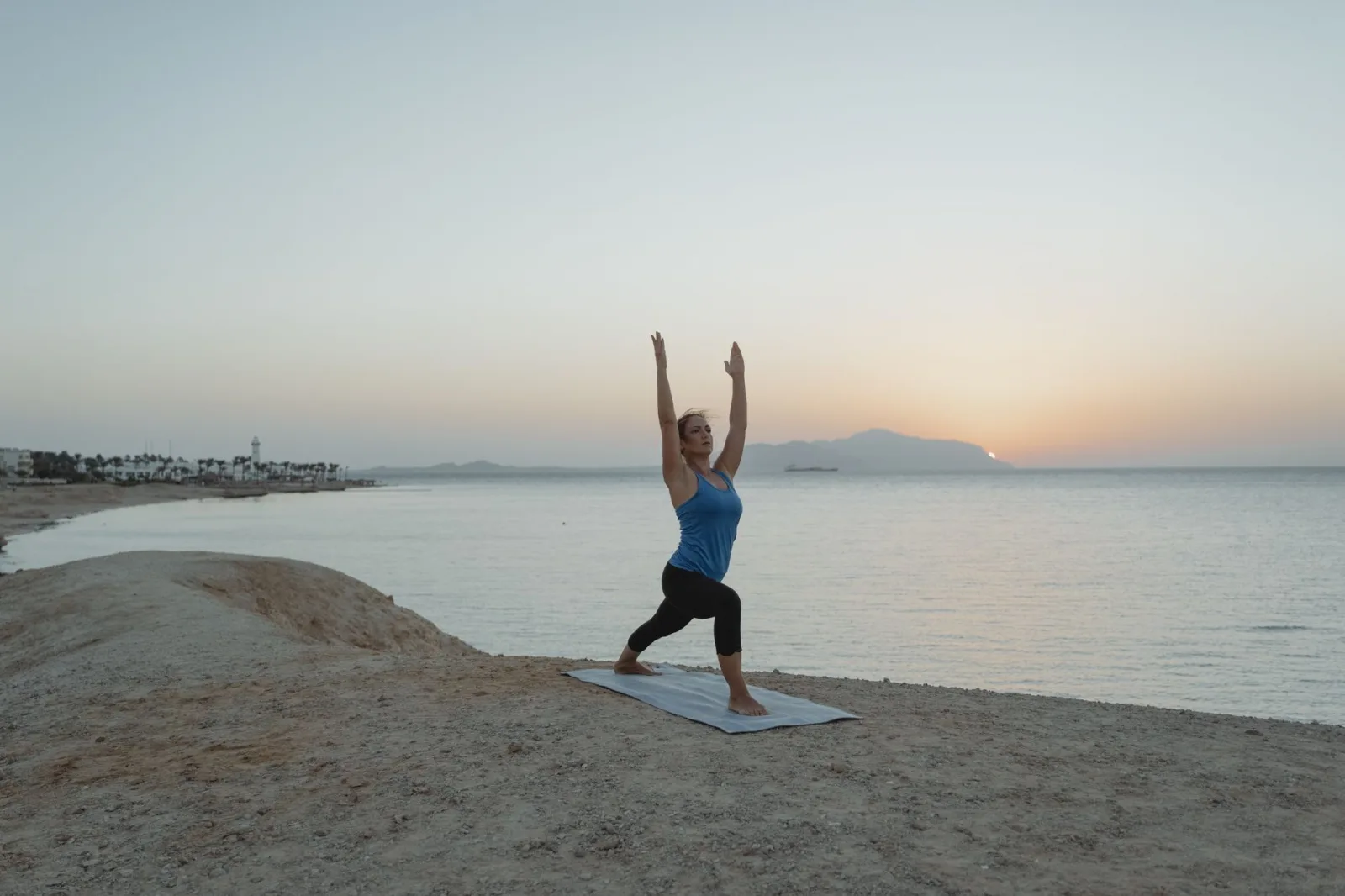
Egypt offers various stunning locations for spiritual retreats, each with its unique atmosphere. Here are a few options:
- Sinai Peninsula: Known for its breathtaking landscapes and serene environment, the Sinai Peninsula is a popular destination for those seeking solitude and connection with nature.
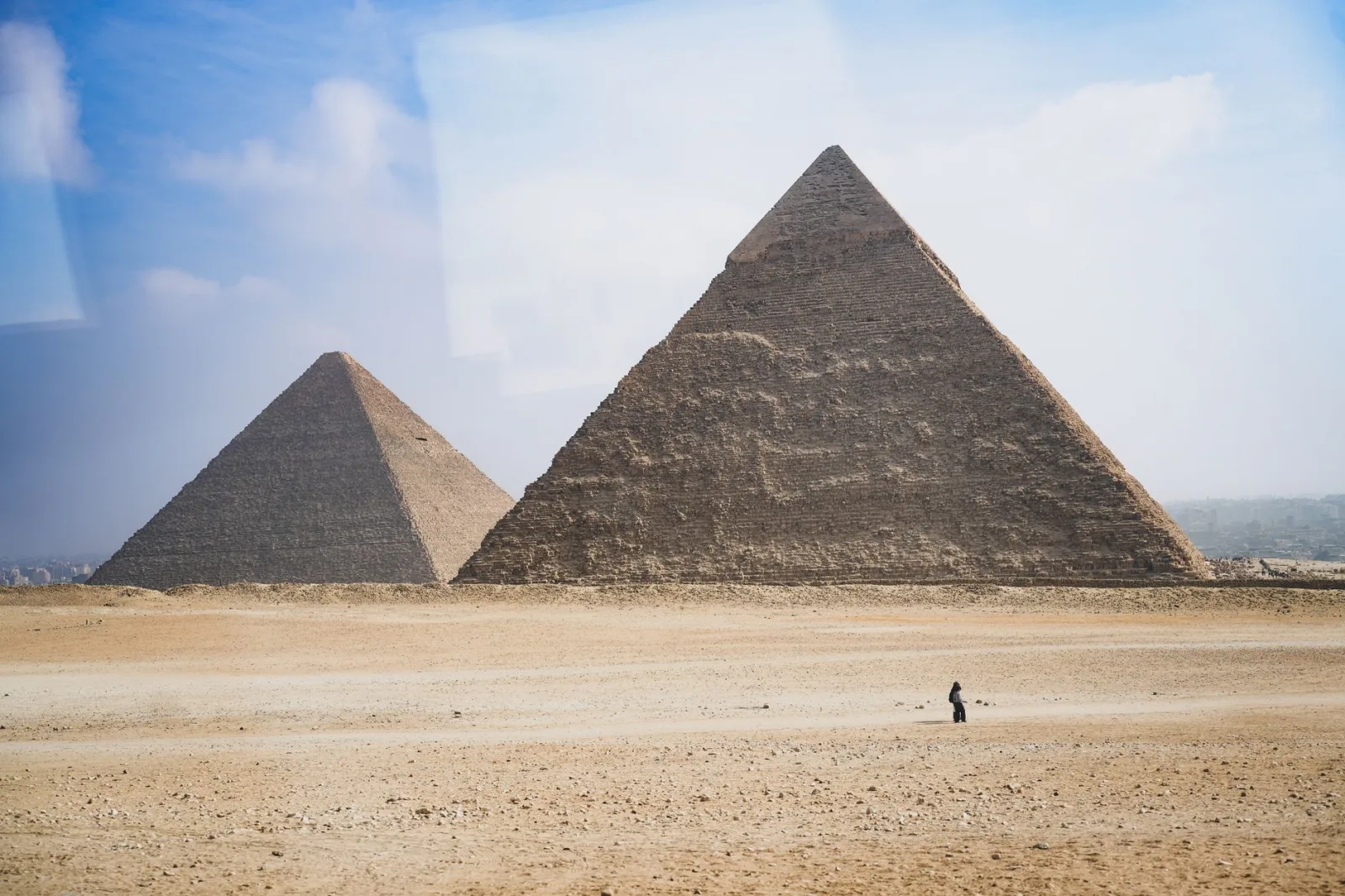
- Luxor: With its ancient temples and monuments, Luxor provides a rich historical context for spiritual exploration.
- Aswan: This tranquil city along the Nile River is perfect for relaxation and reflection, often considered a hub for wellness retreats.
Each location has its unique charm, so consider what resonates with you personally.
Exploring Types of Spiritual Retreats
There are different types of spiritual retreats available in Egypt. Understanding these can help you make an informed decision:
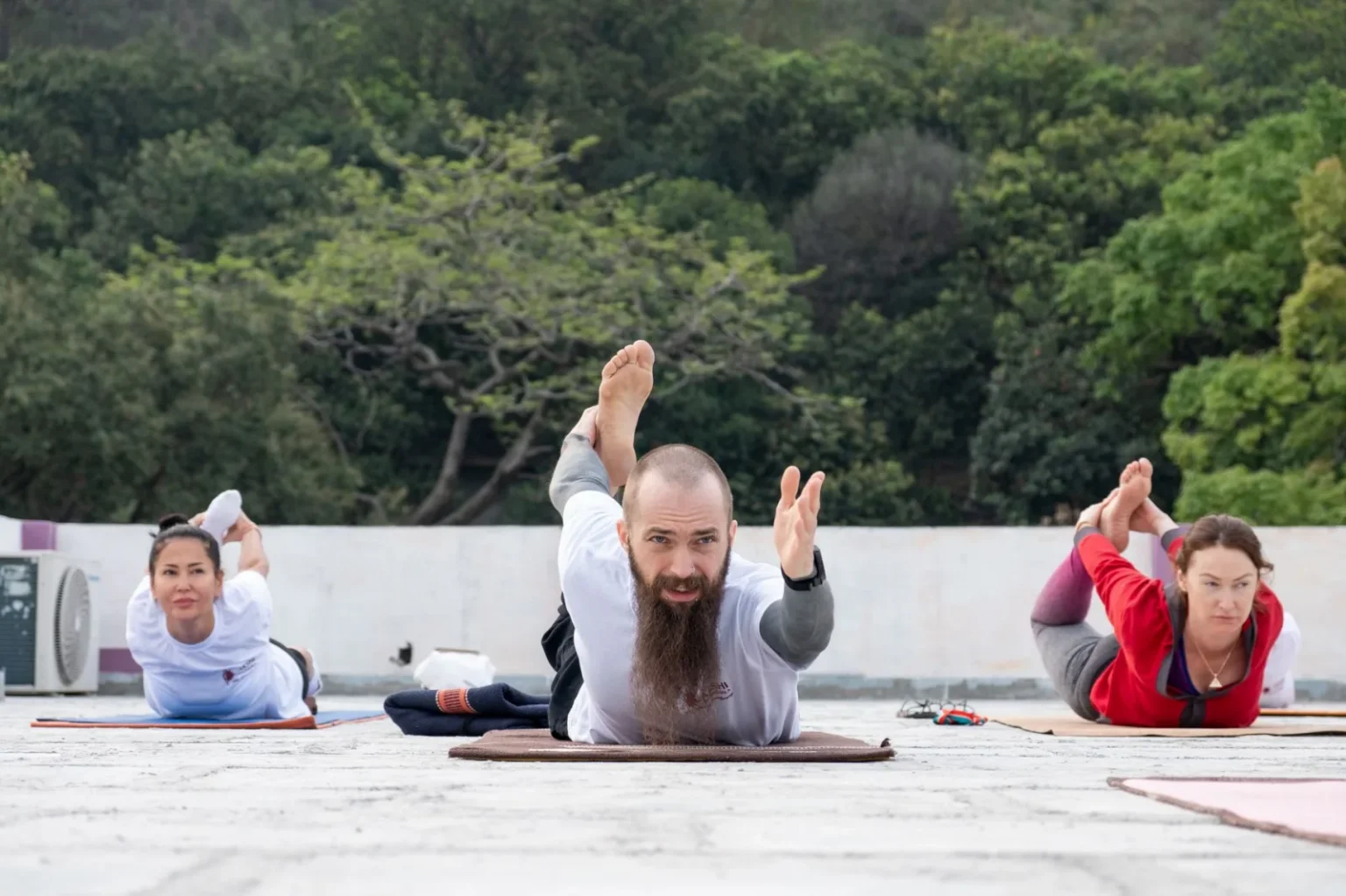
- Yoga Retreats: These often combine physical practice with meditation and mindfulness. You may find sessions led by experienced instructors who encourage personal growth.
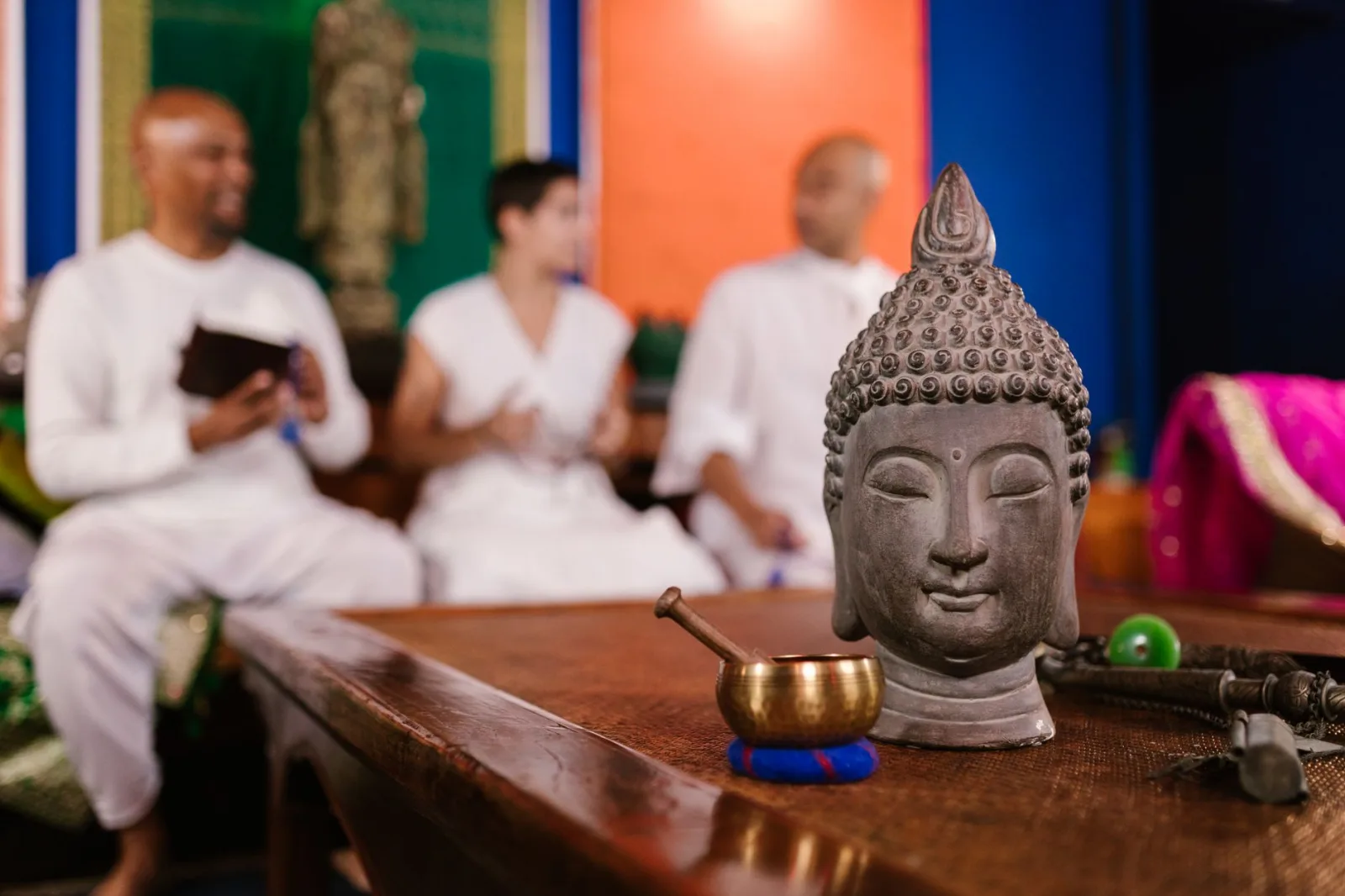
- Mindfulness Retreats: Focused on developing present-moment awareness, these retreats typically include guided meditations, workshops, and group discussions.
- Healing Retreats: Often involving alternative healing practices, these retreats may include energy work, herbal remedies, and holistic therapies.
Choosing the right type depends on your personal interests and spiritual goals.
Practical Steps for Planning Your Retreat
Planning a spiritual retreat can seem daunting, but breaking it down into manageable steps can simplify the process:
- Research: Start by researching various retreats online. Look at reviews, testimonials, and the specific practices they offer.
- Contact Retreat Leaders: Don’t hesitate to reach out with questions. Inquire about the daily schedule, types of activities, and any prerequisites.
- Plan Your Travel: Consider how you’ll get to your chosen location. If you’re traveling internationally, factor in visa requirements and local transportation options.
- Packing Essentials: Bring comfortable clothing suitable for yoga or meditation, along with personal items that promote your comfort and well-being.
Following these steps will ensure a smoother planning experience.
Common Mistakes to Avoid
While planning your spiritual retreat, be aware of common pitfalls that may hinder your experience:
- Overpacking: Light packing can enhance your experience. Bring only what you need to stay comfortable and focused.
- Setting Unrealistic Expectations: Understand that personal growth takes time. Your retreat is a journey, not a destination.
- Ignoring Local Customs: Familiarize yourself with Egyptian customs and traditions. Respecting local culture enhances your experience and fosters deeper connections.
Being aware of these mistakes can help you get the most from your retreat.
Mindfulness Practices to Incorporate
During your retreat, you may encounter various mindfulness practices that can enhance your experience. Here are a few to consider:
- Breath Awareness: Focus on your breath to center yourself. This practice can be done anywhere—whether in a meditation session or while walking.
- Journaling: Keeping a journal can help you process your thoughts and emotions. Write about your experiences and insights throughout your retreat.
- Nature Immersion: Spend time in nature, as it can be incredibly grounding. Consider silent walks or simply sitting in a natural setting to absorb the surroundings.
Incorporating these practices may help deepen your experience and foster greater mindfulness.
Post-Retreat Reflection
After your retreat, take time to reflect on your experiences. Consider what you learned and how you can incorporate those lessons into your daily life. Here are some tips for post-retreat reflection:
- Review Your Journal: Look back at your journal entries. Identify common themes or insights that emerged during your retreat.
- Set Intentions: Based on your reflections, set intentions for how you want to integrate your experiences into your everyday life.
- Stay Connected: If you formed connections with fellow retreat participants, consider keeping in touch. Sharing experiences can enhance your growth and understanding.
These practices can help you maintain the benefits of your retreat long after it has ended.
Key Takeaways
As you navigate Egypt’s spiritual retreats, remember that the journey towards mindfulness and inner peace is a personal one. By understanding your goals, choosing the right location, and avoiding common mistakes, you can create a meaningful experience. Incorporate mindfulness practices during your retreat and take time to reflect afterward for lasting benefits. Your journey in Egypt can be a transformative experience that enhances your personal growth.