Navigating Egypt’s Unique Spiritual Landscapes: A Guide to Sacred Sites and Practices
By
Share
Understanding Spiritual Travel in Egypt
Spiritual travel in Egypt invites you to explore not only the ancient ruins but also the profound spiritual practices that have shaped its rich culture. By immersing yourself in this unique landscape, you can gain insights into the beliefs that have endured for millennia. As you navigate through sacred sites and local practices, you will discover how spirituality intertwines with daily life in Egypt.
When planning your spiritual journey, start with a visit to renowned sacred sites. Each location offers a unique glimpse into Egypt’s spiritual heritage:
a. The Pyramids of Giza
Often regarded as the epitome of Egyptian spirituality, the Pyramids of Giza serve as a testament to the ancient Egyptians’ beliefs in the afterlife. These monumental structures were built as tombs for pharaohs, reflecting their quest for immortality. To enhance your experience, consider joining a guided tour that includes a visit to the nearby Sphinx, where you can delve into the mythology surrounding these iconic figures.
b. Karnak Temple
Located in Luxor, Karnak Temple is one of the largest religious complexes in the world. Dedicated to the worship of the god Amun, it is a site where ancient rituals were performed. Take your time to explore its vast halls and towering columns, and don’t miss the Sacred Lake, where priests would purify themselves before performing ceremonies. Pro tip: Visit during sunrise to witness the temple bathed in golden light, creating a truly spiritual atmosphere.
c. Abu Simbel
Abu Simbel, with its colossal statues of Ramses II, is not just an architectural wonder but also a spiritual site. The temple was built to honor the gods and reflect the power of the pharaoh. Witnessing the biannual solar alignment event, where sunlight illuminates the inner sanctuary, is an experience that connects you with ancient practices. Important note: Plan your visit in advance, as the site is remote and requires careful scheduling.
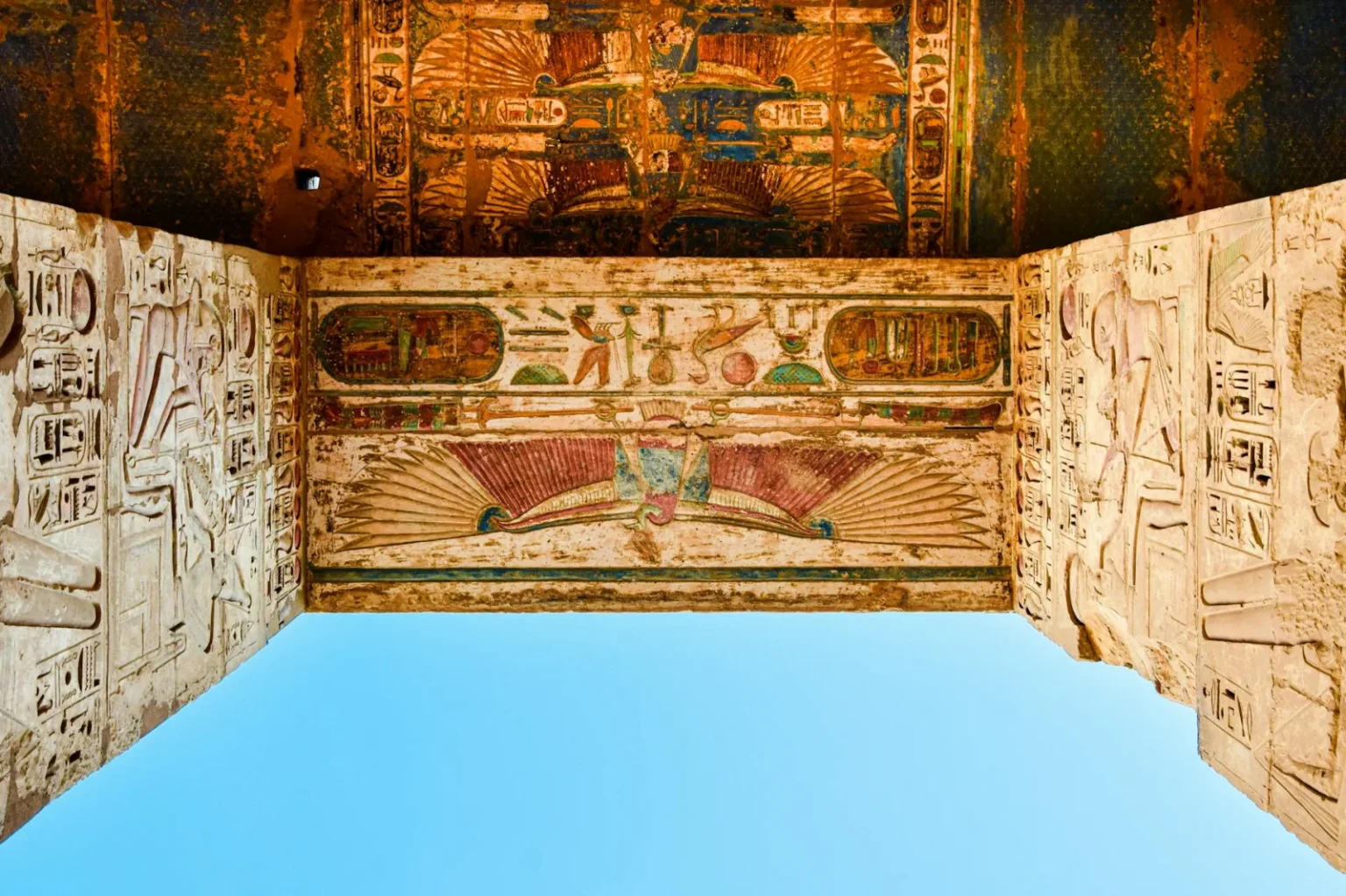
📷 Diego F. Parra – Pexels
2. Engaging with Local Spiritual Practices
While visiting sacred sites is crucial, engaging with local spiritual practices can deepen your understanding of Egypt’s spiritual landscape. Here are a few practices you might encounter:
a. Sufi Whirling
Sufi whirling is a form of physically active meditation practiced by Sufi dervishes. This mesmerizing dance symbolizes the spiritual journey towards God. If you have the opportunity, attend a performance or workshop to witness and participate in this unique expression of faith. It’s not just a dance; it’s a profound spiritual experience that connects you to the divine.
b. Traditional Healing Rituals
In rural areas, you may find local healers practicing traditional medicine. These rituals often incorporate herbs, prayers, and music. Engaging with a healer can offer insights into local beliefs about wellness. Common mistake: Avoid assuming all practices are the same; each region may have unique methods and beliefs.
3. Timing Your Spiritual Journey
Choosing the right time for your visit can enhance your spiritual experience. Here are some considerations:
a. Festivals and Religious Events
Participating in local festivals can provide a deeper connection to Egyptian spirituality. Events such as Ramadan or the Coptic Christmas offer unique insights into the spiritual practices of the local population. Engaging with locals during these times can foster meaningful connections and enrich your experience.
b. Best Seasons for Travel
Generally, the best time to visit Egypt is between October and April, when the weather is cooler. This is particularly important if you plan to visit outdoor sacred sites. Additionally, avoiding the peak tourist season in December can help you experience these sites with fewer crowds. Therefore, plan your trip accordingly.
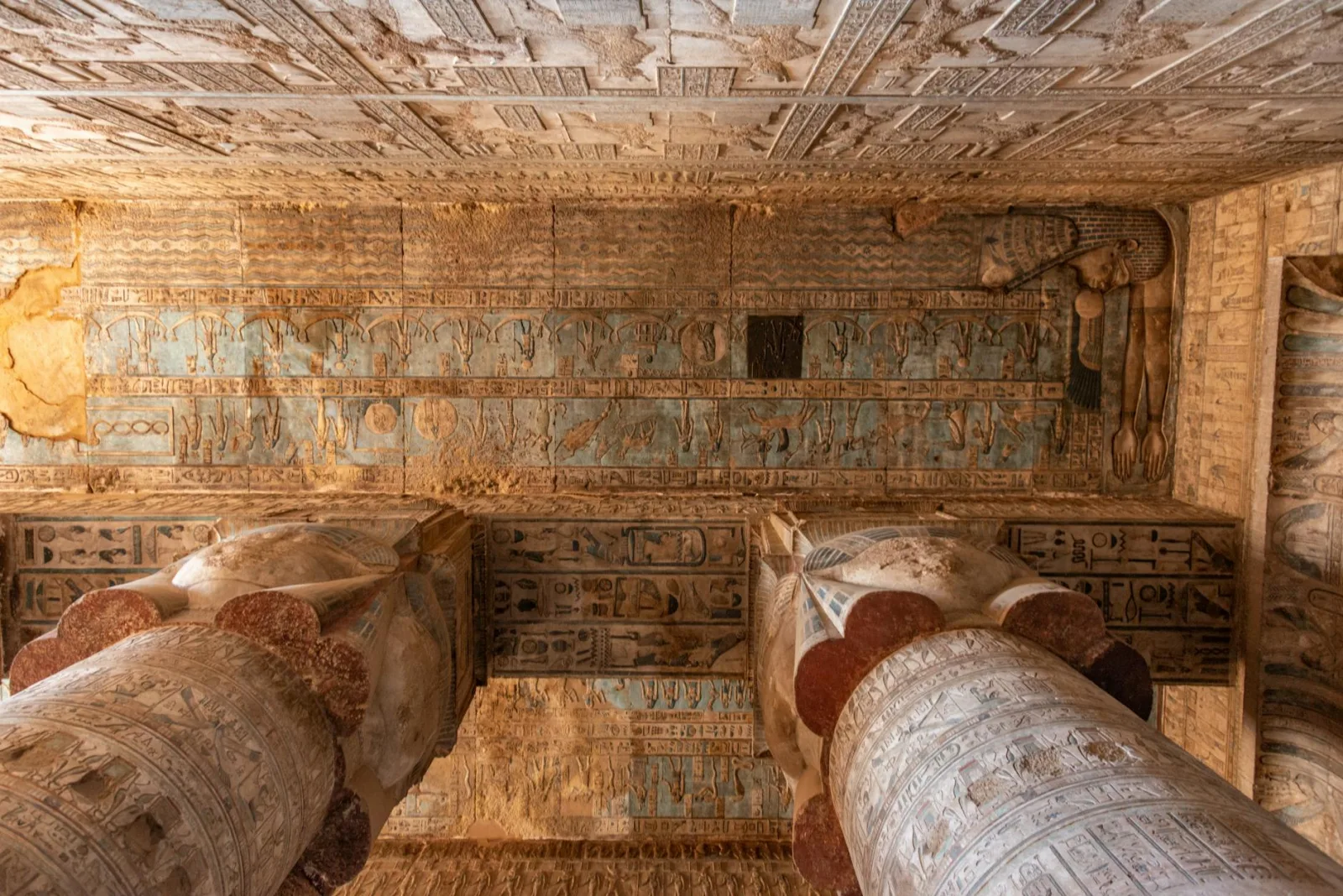
📷 Mehmet Turgut Kirkgoz – Pexels
4. Practical Tips for Engaging with Spiritual Spaces
As you navigate Egypt’s spiritual landscapes, keep these practical tips in mind:
a. Dress Respectfully
When visiting sacred sites, appropriate attire is crucial. Women should cover their shoulders and knees, while men should avoid shorts. This respect for local customs will enhance your experience and help you connect more deeply with the spiritual environment.
b. Be Mindful of Photography
While capturing memories is important, be aware that photography may be restricted in certain sacred areas. Always ask for permission when taking photos of people or sensitive rituals. This simple act of respect can open doors to deeper interactions.
c. Engage with Local Guides
Hiring a local guide can greatly enhance your understanding of spiritual sites and practices. They can provide context and stories that enrich your experience. Look for guides who specialize in spiritual tourism for the most insightful perspectives.
5. Discovering Lesser-Known Spiritual Sites
While the major sites are essential, don’t overlook the hidden gems that can offer equally enriching experiences:
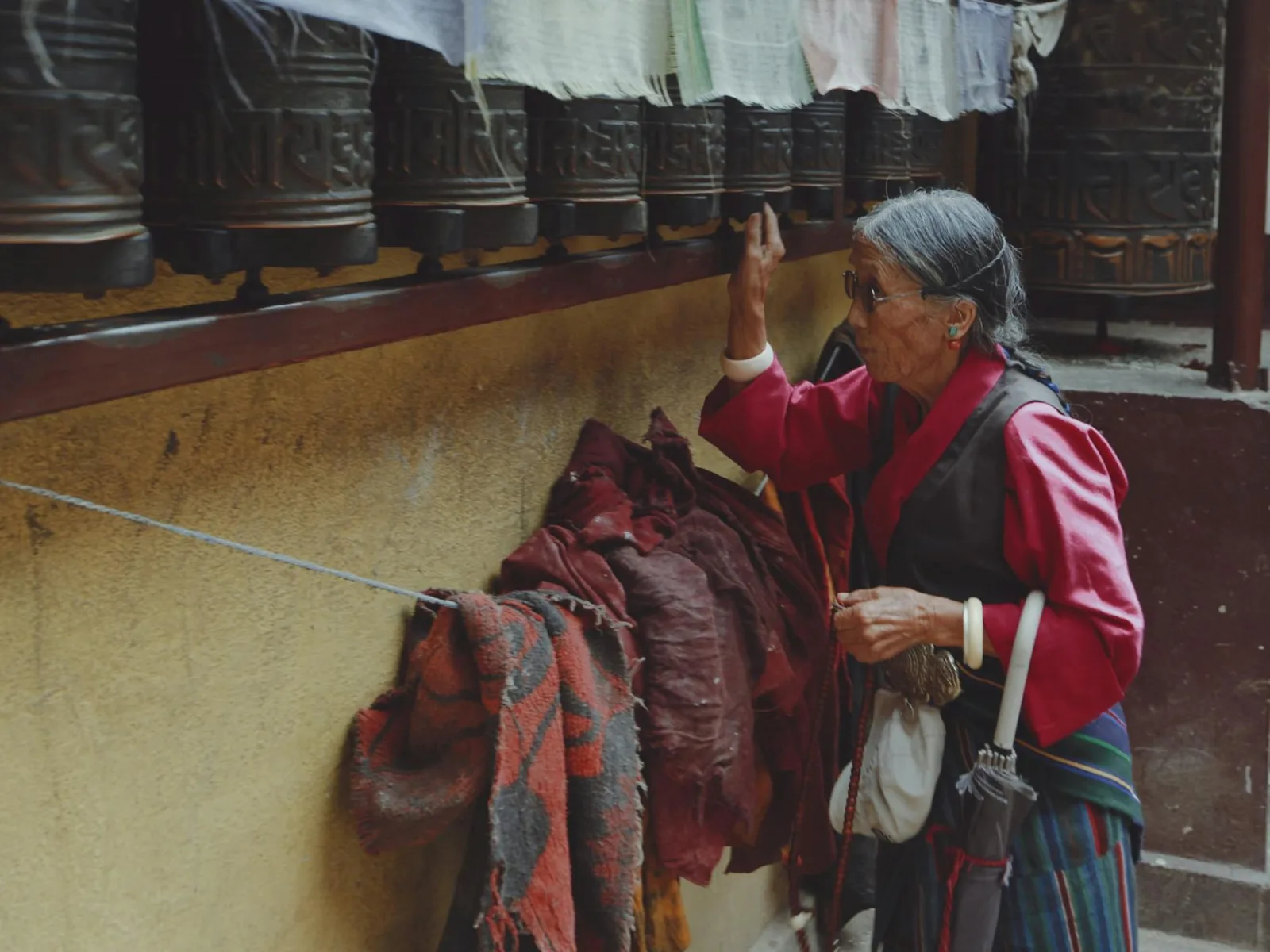
📷 Arjun Adinata – Pexels
a. The Temple of Philae
Dedicated to the goddess Isis, the Temple of Philae is located on an island in Lake Nasser. This serene location offers a peaceful atmosphere for reflection and meditation. You can participate in rituals that honor Isis, fostering a deeper connection with ancient beliefs.
b. The White Desert
Beyond traditional sacred sites, the White Desert offers a unique spiritual experience. The otherworldly landscapes provide an excellent backdrop for meditation and self-reflection. Consider camping overnight to fully immerse yourself in the tranquility of the desert.
6. Understanding Spirituality in Daily Life
Spirituality in Egypt isn’t confined to historical sites; it permeates daily life. Take the time to observe how locals express their spirituality:
a. Daily Prayers
In cities, you’ll notice the call to prayer ringing throughout the day. This rhythmic reminder of faith serves as a backdrop to everyday life. You might find it enriching to join in or simply observe how it shapes the local culture.
b. Community Gatherings
Local gatherings often blend spirituality with community life. Engaging in these events can provide insights into how faith influences social connections. Look for opportunities to participate in communal meals or celebrations.
Conclusion: Embracing Egypt’s Spiritual Diversity
Egypt’s spiritual landscapes offer a rich tapestry of experiences that connect you with both ancient traditions and contemporary practices. By exploring sacred sites, engaging with local traditions, and being mindful of cultural nuances, you can embark on a journey that is both enlightening and transformative. Remember to approach your travels with an open heart and a respectful mindset, and you will uncover the profound spiritual layers of this remarkable country. Key takeaways: prioritize visits to sacred sites, engage with local practices, and always respect cultural norms.