






Understanding Travel Emotions
Traveling is not just about the destinations; it’s also about the emotional experiences that come with it. Your feelings before, during, and after travel can significantly shape your journey. Understanding these travel emotions can help you prepare better, manage your expectations, and ultimately enhance your overall experience.
- Understanding Travel Emotions
- 1. Pre-Travel Emotions: Anticipation and Anxiety
- 2. Emotional Travel: The Journey Begins
- 3. Feelings During Travel: Navigating the Emotional Rollercoaster
- 4. The Role of Cultural Sensitivity in Emotional Travel
- 5. Post-Travel Emotions: Reflection and Reintegration
- 6. Emotional Well-being While Traveling
- 7. Key Takeaways: Embracing Your Travel Emotions
1. Pre-Travel Emotions: Anticipation and Anxiety
Before you embark on your journey, you may experience a mix of anticipation and anxiety. Anticipation can feel exhilarating as you look forward to new adventures. On the other hand, anxiety may arise from uncertainties, such as travel regulations or cultural differences. This is a common phenomenon and can be addressed through proper planning.
Pro tip: Make a checklist of things to prepare before your trip. This may include understanding the local customs, familiarizing yourself with travel regulations, and organizing your itinerary. By addressing potential concerns beforehand, you can reduce anxiety and enhance your excitement.

2. Emotional Travel: The Journey Begins
As you begin your travel, your emotions may shift dramatically. The thrill of exploring a new place can evoke joy, wonder, and even nostalgia. However, feelings of homesickness or culture shock may also emerge, especially if you are traveling to a vastly different environment. Acknowledging these feelings is crucial.
Important note: It’s perfectly normal to feel overwhelmed in a foreign setting. Take a moment to breathe and ground yourself. Engage with the local culture or reach out to fellow travelers for support. This can help in easing negative emotions.
3. Feelings During Travel: Navigating the Emotional Rollercoaster
Once you are immersed in your travels, you may experience a wide range of emotions. From the joys of discovery to the frustrations of travel mishaps, the emotional landscape can be complex. For instance, you might find a stunning view that fills you with awe, yet encounter a language barrier that triggers frustration.
To navigate these ups and downs, consider keeping a travel journal. Documenting your feelings can provide clarity and help you process your experiences. You might write about a breathtaking sunset one moment and the challenge of getting lost in a new city the next.

4. The Role of Cultural Sensitivity in Emotional Travel
Understanding and respecting local cultures can significantly impact your emotional experience. When you engage with local customs, you often feel more connected and accepted. However, failing to be culturally sensitive may lead to discomfort or misunderstandings.
For example, if you visit a country where certain gestures are considered rude, you may inadvertently offend someone, leading to feelings of guilt or embarrassment. To avoid such situations, educate yourself on cultural norms before your trip. This can enhance your emotional experience by fostering meaningful connections.
You can read more about this in our article How to Foster Cultural Sensitivity: Essential Skills for Global Travelers.
5. Post-Travel Emotions: Reflection and Reintegration
After returning home, it’s common to experience a range of emotions. You may feel a sense of loss or longing for the places you visited. This phenomenon, often referred to as post-travel blues, can be challenging.
Warning: Avoid succumbing to the notion that your regular life is dull compared to your adventures. Instead, take time to reflect on your experiences. Share stories with friends or family, or create a photo album to relive those moments. By finding ways to integrate your travel experiences into your daily life, you can maintain a sense of connection to your journey.
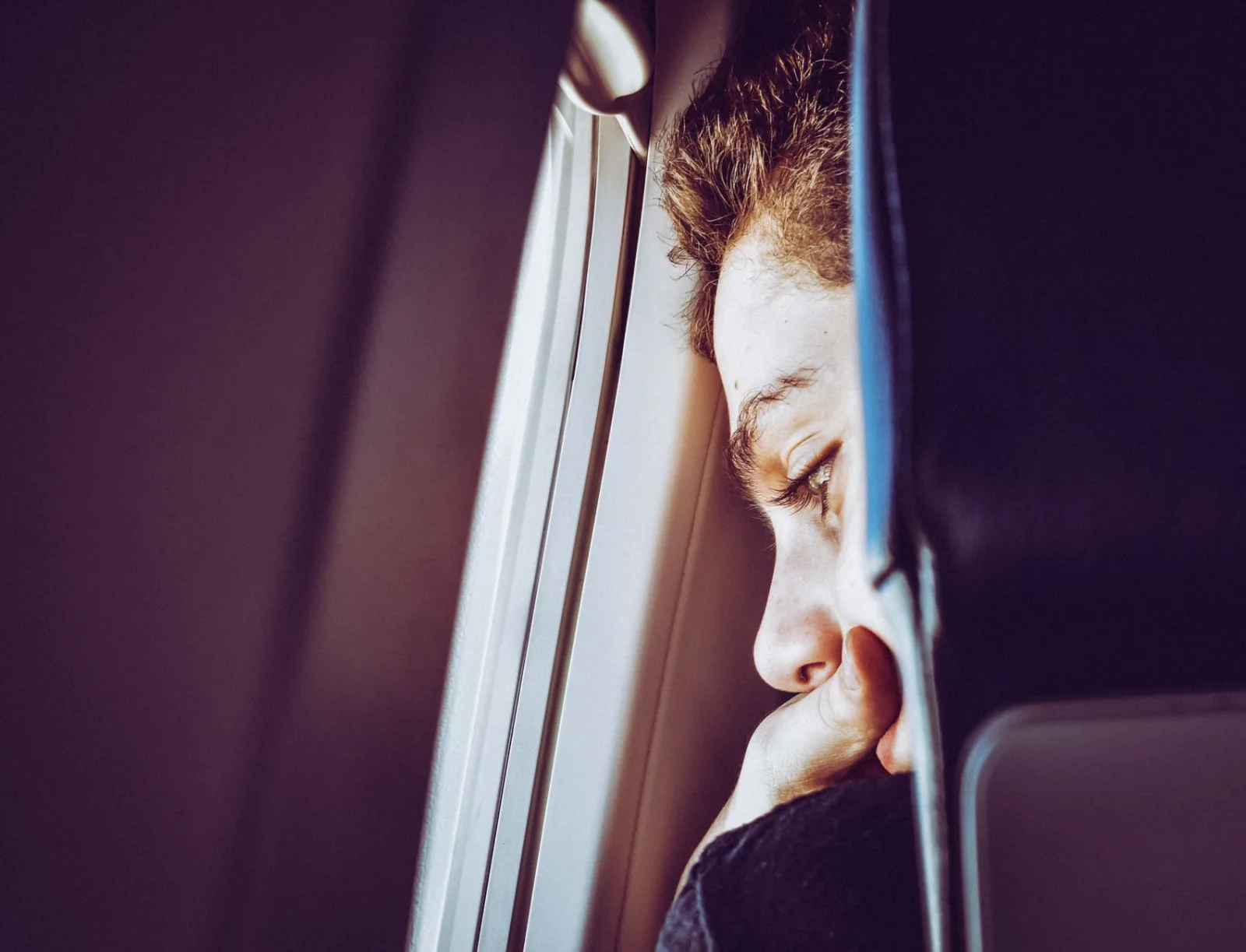
6. Emotional Well-being While Traveling
Prioritizing your emotional well-being during your travels is essential. Here are some practical steps to help you manage your feelings:
- Practice self-care: Make time for yourself, whether it’s through meditation, journaling, or simply enjoying a quiet moment.
- Stay connected: Regularly check in with loved ones. Sharing your experiences can provide comfort and support.
- Set realistic expectations: Understand that not every moment will be perfect. Embrace the imperfections as part of your journey.
7. Key Takeaways: Embracing Your Travel Emotions
Understanding and navigating your emotions during travel is a vital part of the experience. By recognizing the emotions you may encounter before, during, and after your journey, you can approach travel with a healthier mindset. Here are the key takeaways:
- Anticipation and anxiety are normal pre-travel emotions; planning can help mitigate anxiety.
- Embrace the emotional rollercoaster of travel; journaling can assist in processing these feelings.
- Cultural sensitivity enriches your emotional experience; educate yourself about local customs.
- Post-travel emotions like longing for adventure are common; find ways to reflect and reintegrate.
- Prioritize emotional well-being through self-care and realistic expectations.
In conclusion, travel emotions play a significant role in shaping your experiences. By acknowledging these feelings and taking proactive steps, you can navigate your emotional landscape more effectively. Remember, every journey is not just about the places you visit, but also about the emotions you encounter along the way.