Navigating Travel Anxiety: Practical Tips for a Stress-Free Journey
By
Share
Understanding Travel Anxiety
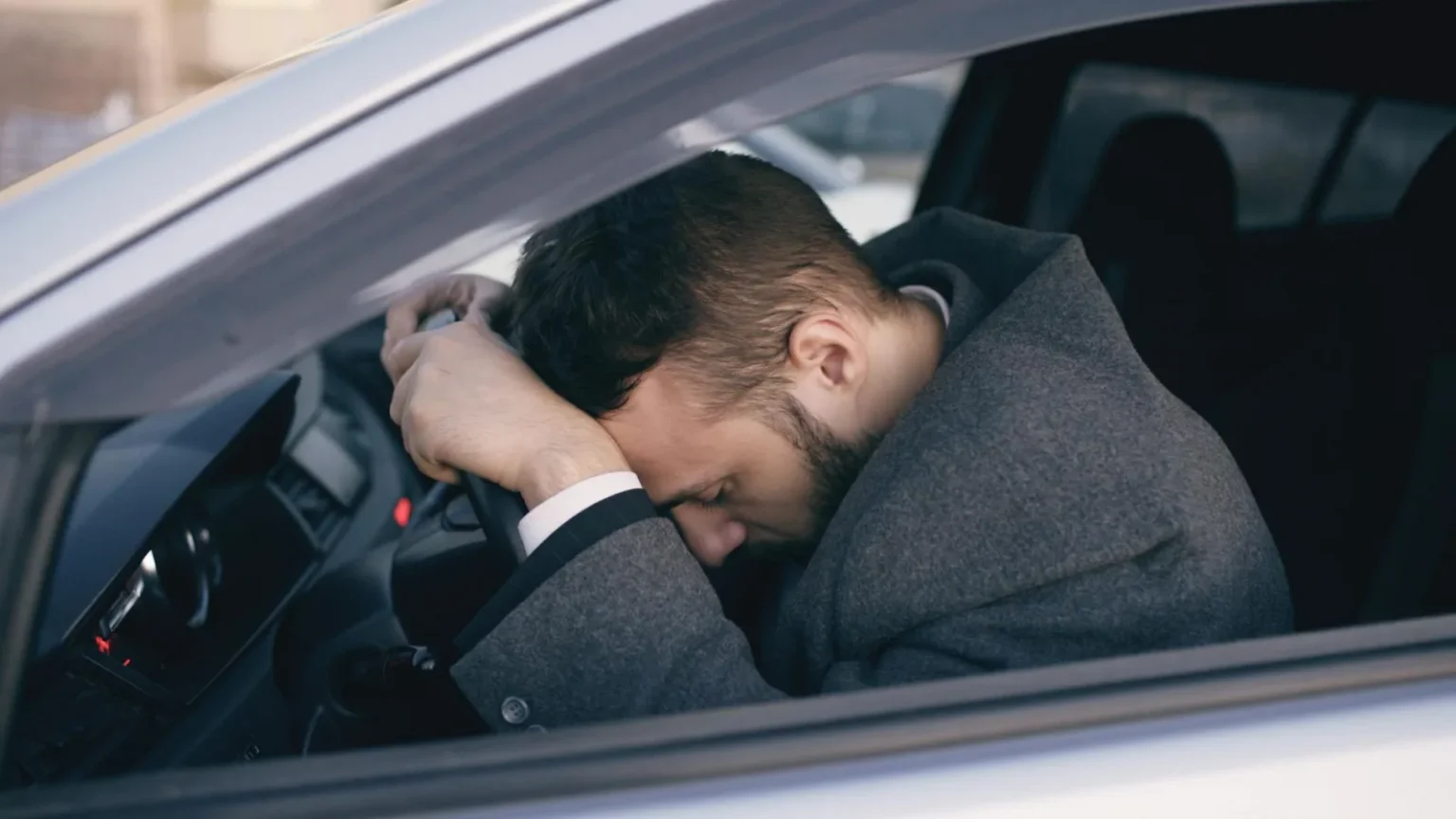
Travel anxiety is a common issue many people face before and during their journeys. It can stem from various factors, including fear of flying, uncertainty about new environments, or the stress of planning. Recognizing your triggers is the first step in addressing this anxiety. For instance, if the thought of navigating an airport overwhelms you, it’s important to pinpoint that fear and develop coping strategies.
Before diving into strategies, it’s essential to identify the signs of travel anxiety. Symptoms can include:
Restlessness or irritability
Excessive worrying about travel plans
Physical symptoms like sweating or increased heart rate
Difficulty concentrating on the trip
Understanding these symptoms allows you to take proactive steps to manage them. For example, if you notice you’re feeling restless, it might be time to practice relaxation techniques.
📷 Shubham Singh – Pexels
Step 1: Prepare Thoroughly
Preparation is key in reducing anxiety. Start by creating a detailed itinerary. This includes booking accommodations, planning transportation, and researching activities. The more familiar you are with your destination, the less anxious you may feel. Additionally, you can gather information about local customs and language, which can ease worries about cultural differences. A good resource for understanding cultural nuances is Navigating Regional Dialects.
Step 2: Practice Mindfulness
Mindfulness techniques can significantly help in managing travel anxiety. Simple practices such as deep breathing, meditation, or grounding exercises can center your mind. For instance, before your trip, set aside a few minutes each day to focus on your breath, inhaling deeply for a count of four, holding for four, and exhaling for four. This technique can help calm your nervous system and prepare you for the journey ahead.
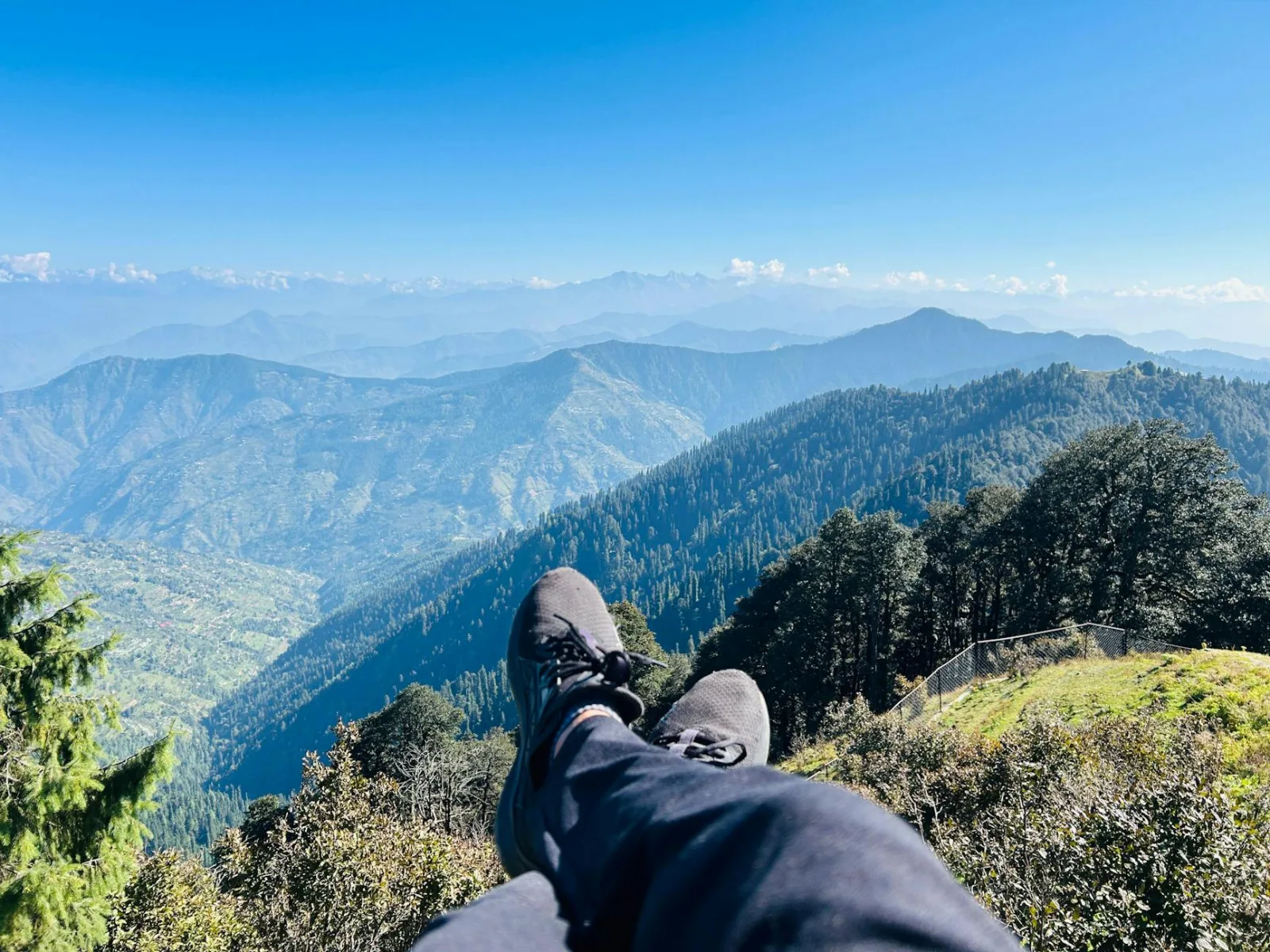
Shift your focus from the destination to the journey itself. This mindset change can reduce anxiety and increase enjoyment. Instead of viewing travel as a series of tasks to complete, try to savor each moment. For example, if you’re taking a train, embrace the scenery and the experience of being on the road. This approach aligns with the philosophy of slow travel, which encourages you to appreciate every aspect of your trip.
📷 Andrea Piacquadio – Pexels
Step 4: Develop Coping Strategies
Having coping strategies in place is essential. Here are a few practical techniques to consider:
Distraction: Bring along books, podcasts, or music to keep your mind occupied during travel.
Visualization: Imagine a positive travel experience. Picture yourself enjoying the sights and feeling relaxed.
Positive Affirmations: Repeating calming phrases like “I am safe and in control” can help alleviate anxiety.
These strategies can empower you to manage anxiety effectively and enhance your travel experience.
Step 5: Build a Support Network
Before your trip, connect with friends or family who understand your anxiety. Discussing your feelings can provide comfort and reassurance. Additionally, consider joining travel forums or groups where you can share experiences and get advice from fellow travelers. This sense of community can alleviate feelings of isolation and provide valuable tips for managing anxiety.
📷 Vitaly Gariev – Pexels
Step 6: Know When to Seek Help
If your travel anxiety feels overwhelming, consider seeking professional help. Therapists can offer tailored strategies and support that address your specific worries. Cognitive-behavioral therapy (CBT) is one effective method that helps individuals reframe negative thoughts related to travel. Remember, seeking help is a sign of strength, not weakness.
Important Note: Health Precautions
As you prepare for your trip, keep in mind any health precautions necessary for your destination. Research local health guidelines and requirements. Being informed can reduce anxiety related to health concerns while traveling. Ensure you have any necessary vaccinations and pack a travel health kit with essentials like first-aid supplies and medications.
Key Takeaways for Stress-Free Travel
In summary, managing travel anxiety requires preparation, mindfulness, and proactive coping strategies. Recognize your anxiety signs, thoroughly prepare for your trip, and develop a support network. Embrace the journey and focus on the experiences that await. By implementing these practical tips, you can navigate your travels with greater ease and confidence.