




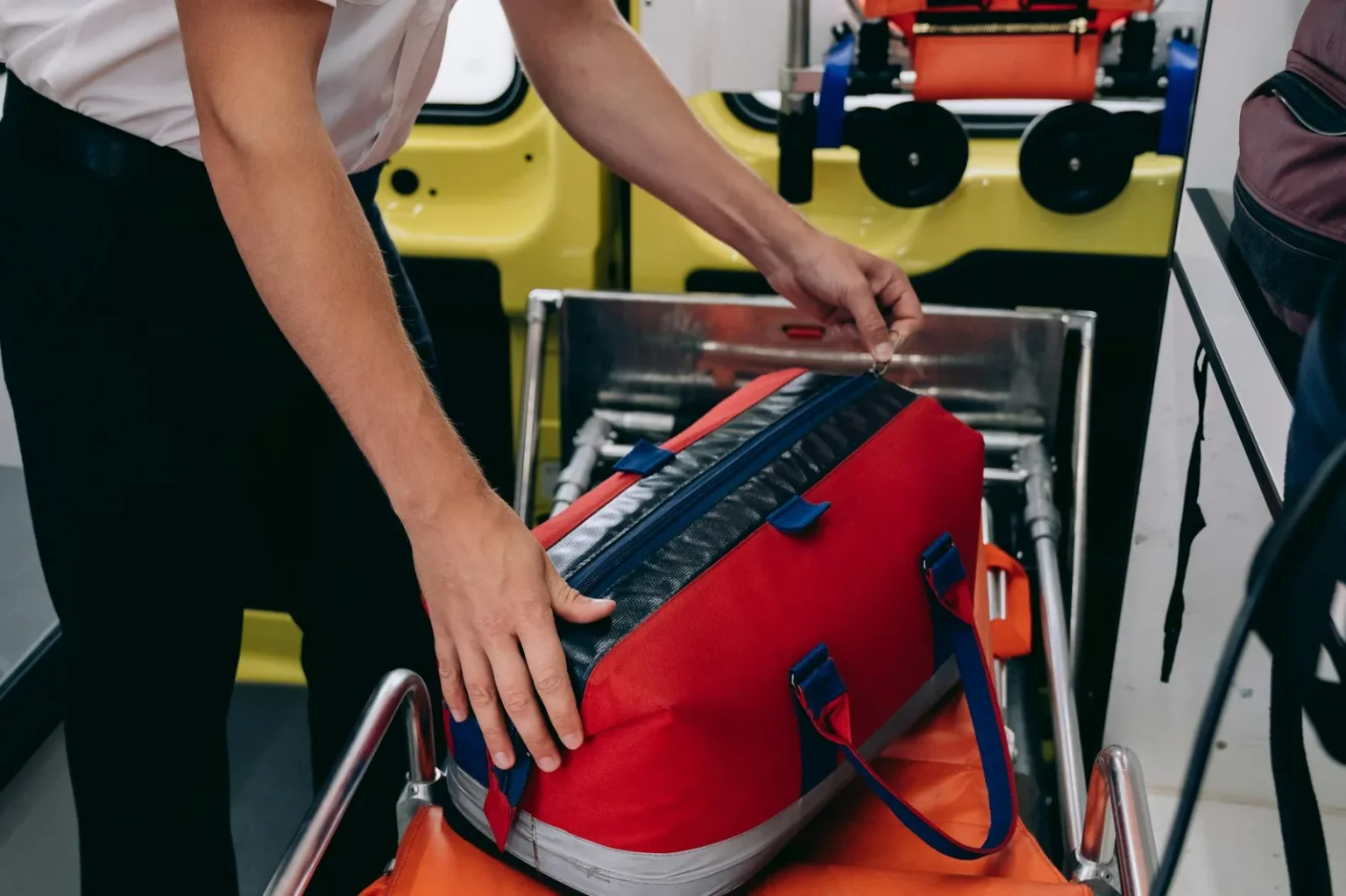

Understanding Travel Emergencies
Travel emergencies can arise unexpectedly, ranging from lost luggage to medical issues. These situations can disrupt your plans and create stress. However, knowing how to handle them can transform your experience. For instance, if your flight gets canceled, instead of panicking, you can take proactive steps to find alternative arrangements.
- Understanding Travel Emergencies
- Step 1: Prepare Before You Travel
- Step 2: Stay Informed
- Step 3: Handle Lost Luggage
- Step 4: Medical Emergencies
- Step 5: Dealing with Transportation Issues
- Step 6: Losing Your Wallet or Passport
- Step 7: Emotional Well-being During Emergencies
- Conclusion: Key Takeaways for Handling Travel Emergencies
Step 1: Prepare Before You Travel
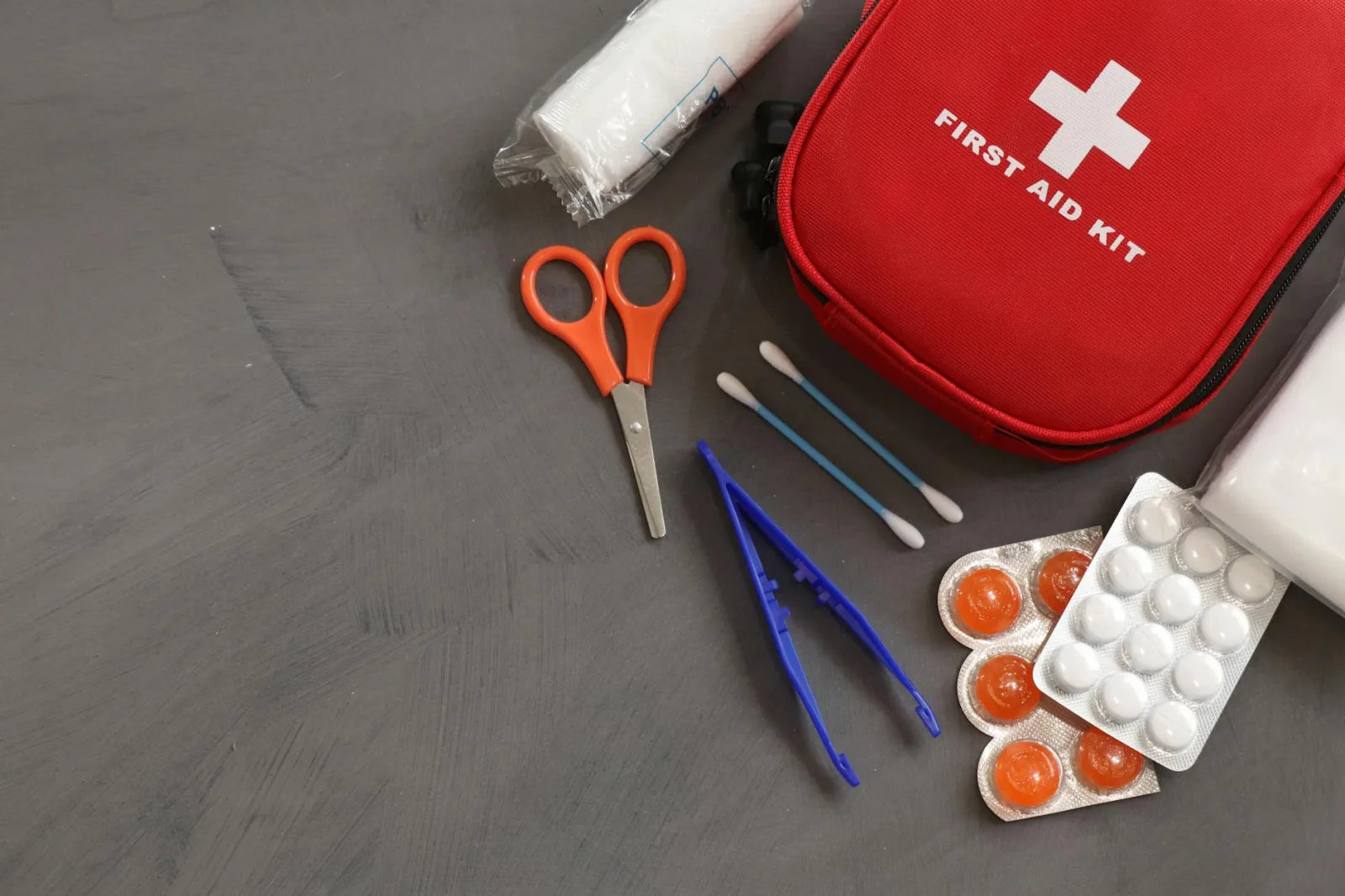
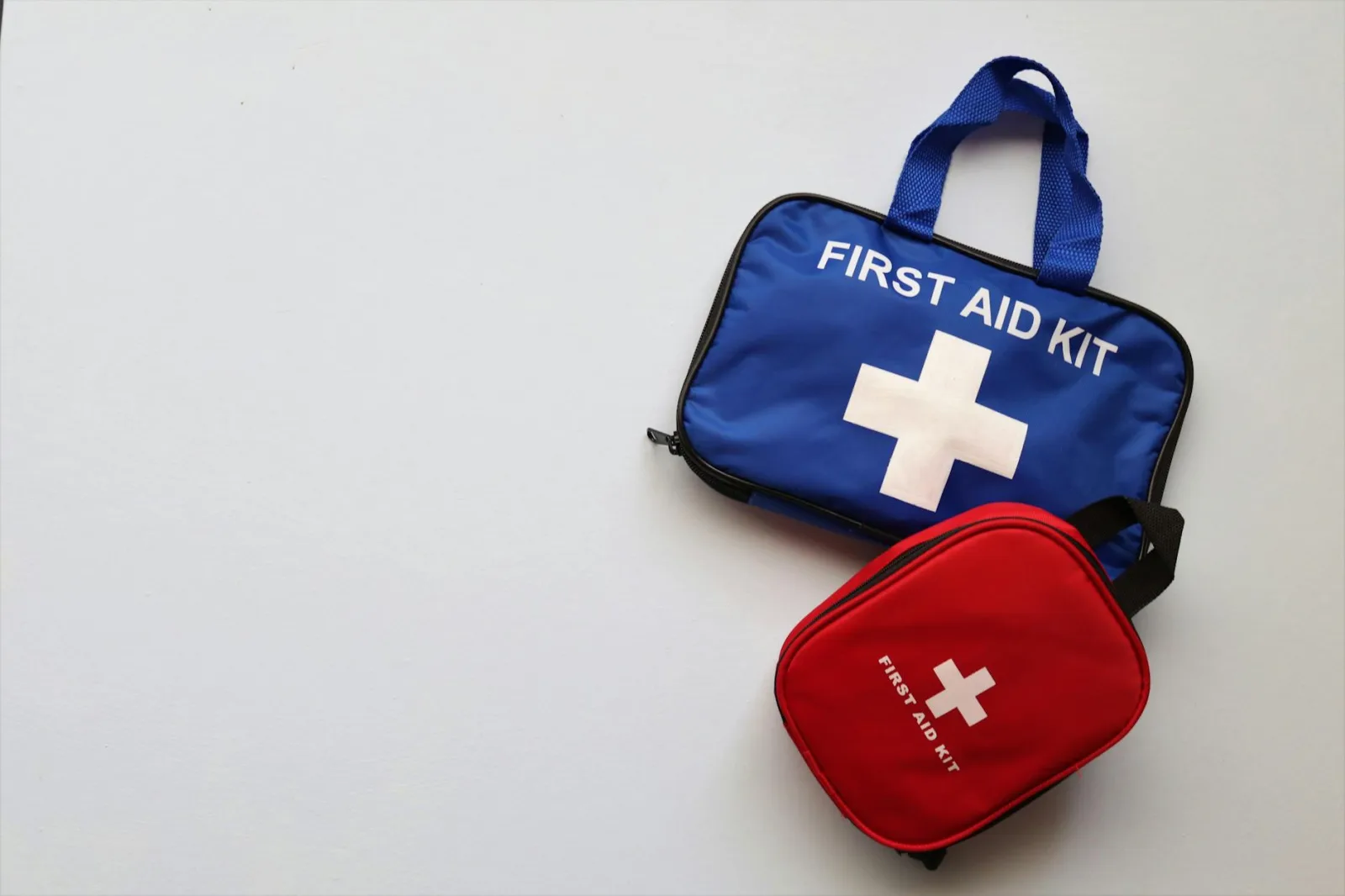
Preparation is key to handling travel emergencies effectively. Start by creating a travel emergency kit that includes:
- Essential documents (passport, insurance, emergency contacts)
- First aid supplies
- A portable charger for your devices
- Basic toiletries and medications
This kit ensures that when an emergency occurs, you have immediate access to necessary items. Moreover, keep digital copies of important documents in a secure cloud service; this acts as a backup if originals are lost.
Step 2: Stay Informed
Being informed about your destination can help you navigate potential issues. Research local emergency services, healthcare facilities, and travel advisories. For example, if you’re visiting a new country, familiarize yourself with its healthcare system. This knowledge can save valuable time during an emergency. You can often find this information on government travel websites or through travel forums.
Step 3: Handle Lost Luggage
Lost luggage is a common travel emergency. Here’s how to handle it:
- Report the loss immediately to the airline’s baggage service at the airport.
- Provide a detailed description of your luggage and your contact information.
- Ask for a reference number for tracking.
Additionally, keep a list of the contents of your luggage. This can expedite the claims process. Pro tip: Always carry essential items in your carry-on, such as a change of clothes and toiletries.
Step 4: Medical Emergencies
Medical emergencies can occur at any time. If you or someone you’re traveling with falls ill, follow these steps:
- Identify nearby healthcare facilities. Use a navigation app to locate the nearest hospital or clinic.
- Contact your travel insurance provider. They can guide you on how to proceed and may assist with payments.
- Have your medical records handy, especially if you have pre-existing conditions.
Important note: Familiarize yourself with common medical phrases in the local language to communicate your needs effectively.
Step 5: Dealing with Transportation Issues
Transportation problems, such as missed flights or train delays, can be frustrating. To manage these situations:
- Always arrive at the airport or station early. This gives you a buffer in case of unforeseen delays.
- Download relevant transportation apps. These can provide real-time updates on schedules and alternative routes.
- Have a backup plan in case of cancellations. Research alternative transportation options beforehand.
By having a flexible mindset, you can adapt to changes more easily. For example, if your train is delayed, consider exploring nearby attractions instead of waiting at the station.
Step 6: Losing Your Wallet or Passport
Misplacing your wallet or passport can be a nightmare. Here’s how to deal with it:
- Report the loss to local authorities immediately. Obtain a police report, which may be needed for insurance claims.
- Contact your embassy or consulate for assistance in replacing your passport.
- Use mobile payment options whenever possible to minimize the cash you carry.
Common mistake: Many travelers don’t keep a separate record of their essential documents. Consider making a photocopy of your passport and important cards, storing them separately from the originals.
Step 7: Emotional Well-being During Emergencies
Travel emergencies can be stressful, impacting your emotional health. To maintain a positive mindset:
- Practice mindfulness or deep-breathing exercises to manage anxiety.
- Stay connected with friends or family, even if it’s just to vent or share your experience.
- Keep a travel journal to document your journey, including challenges and how you overcame them.
By focusing on solutions rather than problems, you can turn a negative experience into a learning opportunity. Remember, every adventure comes with its share of challenges.
Conclusion: Key Takeaways for Handling Travel Emergencies
Travel emergencies are a part of the journey, but they don’t have to derail your plans. By preparing in advance, staying informed, and maintaining a flexible mindset, you can navigate these situations like a pro. Always remember to prioritize your safety and well-being. With these emergency travel tips, you’re better equipped to handle whatever comes your way. Keep this guide handy and enjoy your travels!