





The Architectural Landscape of New York City
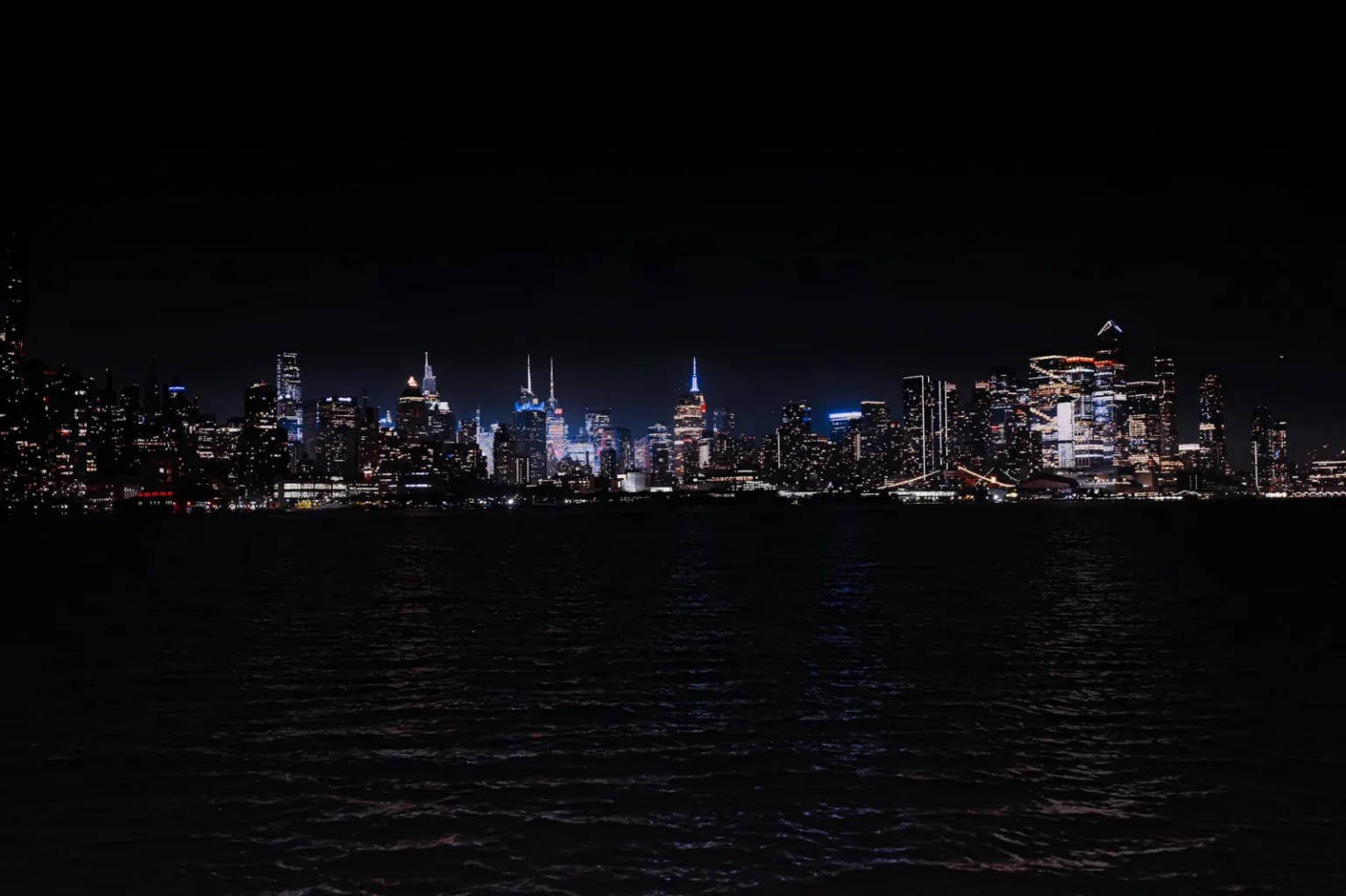
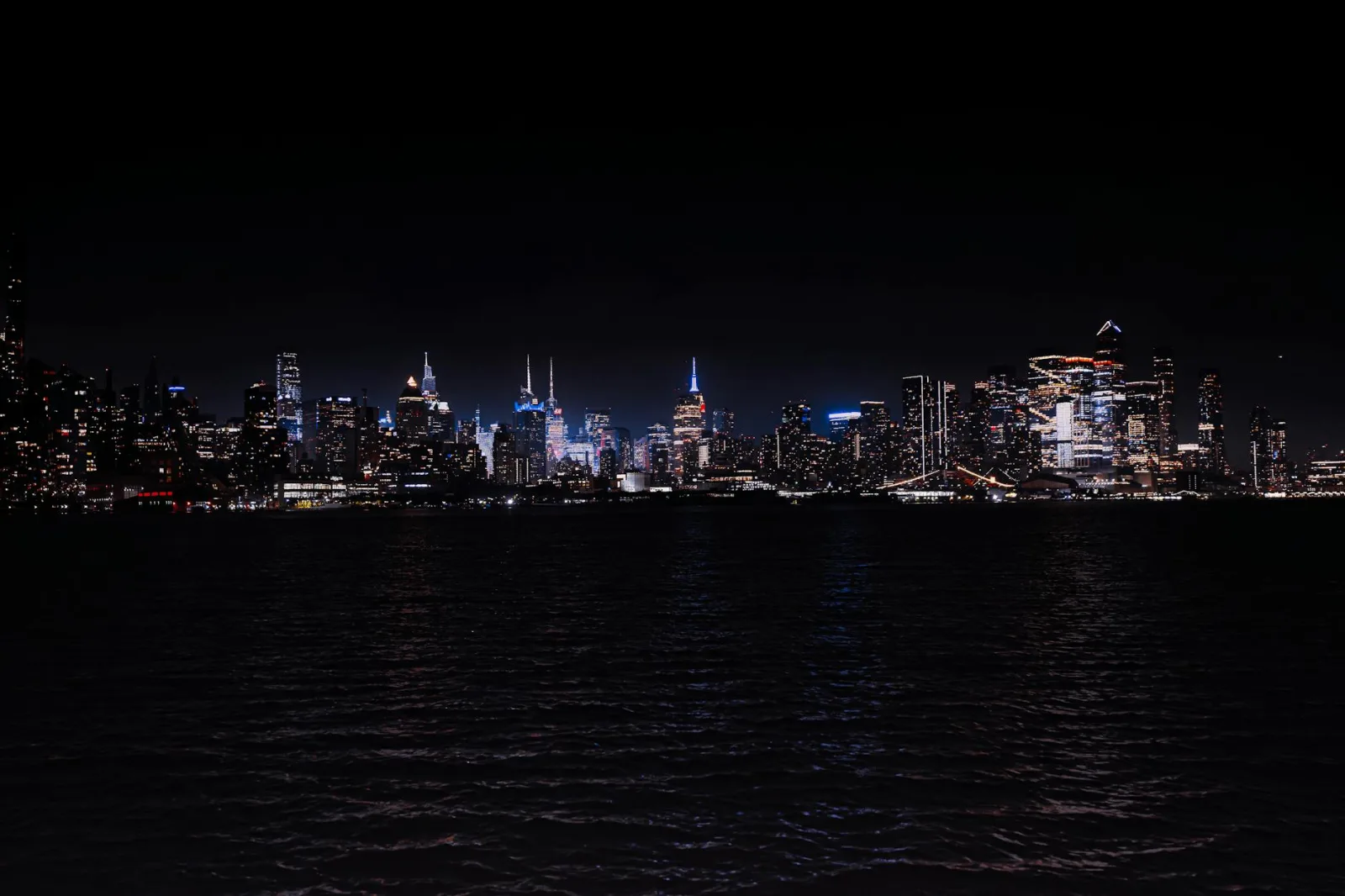
New York City’s skyline, characterized by its iconic skyscrapers, has long represented the city’s ambition and innovation. The construction of the Empire State Building in 1931 marked a significant milestone, solidifying the city’s status as a global architectural hub. At 1,454 feet, One World Trade Center, completed in 2014, stands as the tallest building in the Western Hemisphere, symbolizing resilience and renewal after the events of September 11, 2001. The architectural diversity, from the Gothic spires of St. Patrick’s Cathedral to the sleek lines of the Vessel in Hudson Yards, showcases a blend of historical significance and contemporary design.
Cultural Institutions and Their Impact
New York City is home to an array of cultural institutions that contribute to its vibrant arts scene. The Metropolitan Museum of Art, founded in 1870, houses over two million works, spanning 5,000 years of history. This institution not only provides access to art but also serves as a venue for educational programs and community engagement. Similarly, the Museum of Modern Art (MoMA) focuses on contemporary art, showcasing influential works by artists such as Vincent van Gogh and Andy Warhol. These institutions play a crucial role in shaping the cultural landscape by fostering appreciation for diverse artistic expressions.

Neighborhoods: The Heartbeat of Local Life
Each neighborhood in New York City offers a unique glimpse into local life, contributing to the city’s multicultural identity. In the Lower East Side, the Tenement Museum preserves the history of immigrants who settled in the area during the late 19th and early 20th centuries. Guided tours provide insights into the daily lives of these families, emphasizing the importance of community and resilience. Meanwhile, in Harlem, the Apollo Theater has been a launching pad for countless African American artists since its opening in 1934. The neighborhood’s rich musical heritage continues to be celebrated through performances and events.
Food as a Cultural Experience
The culinary scene in New York City reflects its diverse population. From food trucks offering authentic tacos in Jackson Heights to Michelin-starred restaurants in Midtown, the city caters to all palates. The annual New York City Wine & Food Festival showcases local chefs and culinary talent, highlighting the importance of food as a cultural expression. Important note: Exploring local eateries, such as the historic Katz’s Delicatessen, can provide deeper insights into the city’s culinary traditions.
Festivals and Events: Celebrating Diversity
New York City hosts numerous festivals that celebrate its cultural diversity. The West Indian American Day Carnival, held annually in Brooklyn, attracts over a million attendees. This vibrant festival features colorful parades, music, and traditional Caribbean cuisine. Another significant event is the Lunar New Year Parade in Chinatown, which celebrates the Asian American community’s cultural heritage through dragon dances and fireworks. These events not only promote cultural pride but also foster community cohesion.
Public Spaces and Community Engagement
Public spaces in New York City serve as vital hubs for community engagement. Central Park, designed by Frederick Law Olmsted and Calvert Vaux in 1858, offers a natural oasis amidst the urban landscape. The park hosts various events, from outdoor concerts to fitness classes, encouraging residents and visitors to connect with nature and each other. Additionally, the High Line, a linear park built on a former elevated railway, has transformed into a popular gathering spot, featuring public art installations and community gardens. These spaces promote social interaction and enhance the quality of urban life.
Conclusion: Embracing the Symphony of Experiences
New York City’s skyline and cultural landscape present a unique blend of architectural innovation and rich traditions. From its iconic skyscrapers to vibrant neighborhoods, the city offers a comprehensive experience of local life and cultural heritage. To fully appreciate New York City’s offerings, it is essential to explore beyond the well-trodden tourist paths, embracing the myriad of experiences that contribute to its dynamic identity. The interplay of culture and architecture continues to shape the city’s narrative, inviting exploration and engagement from all who visit.