





Understanding Itinerary Planning for Cultural Immersion
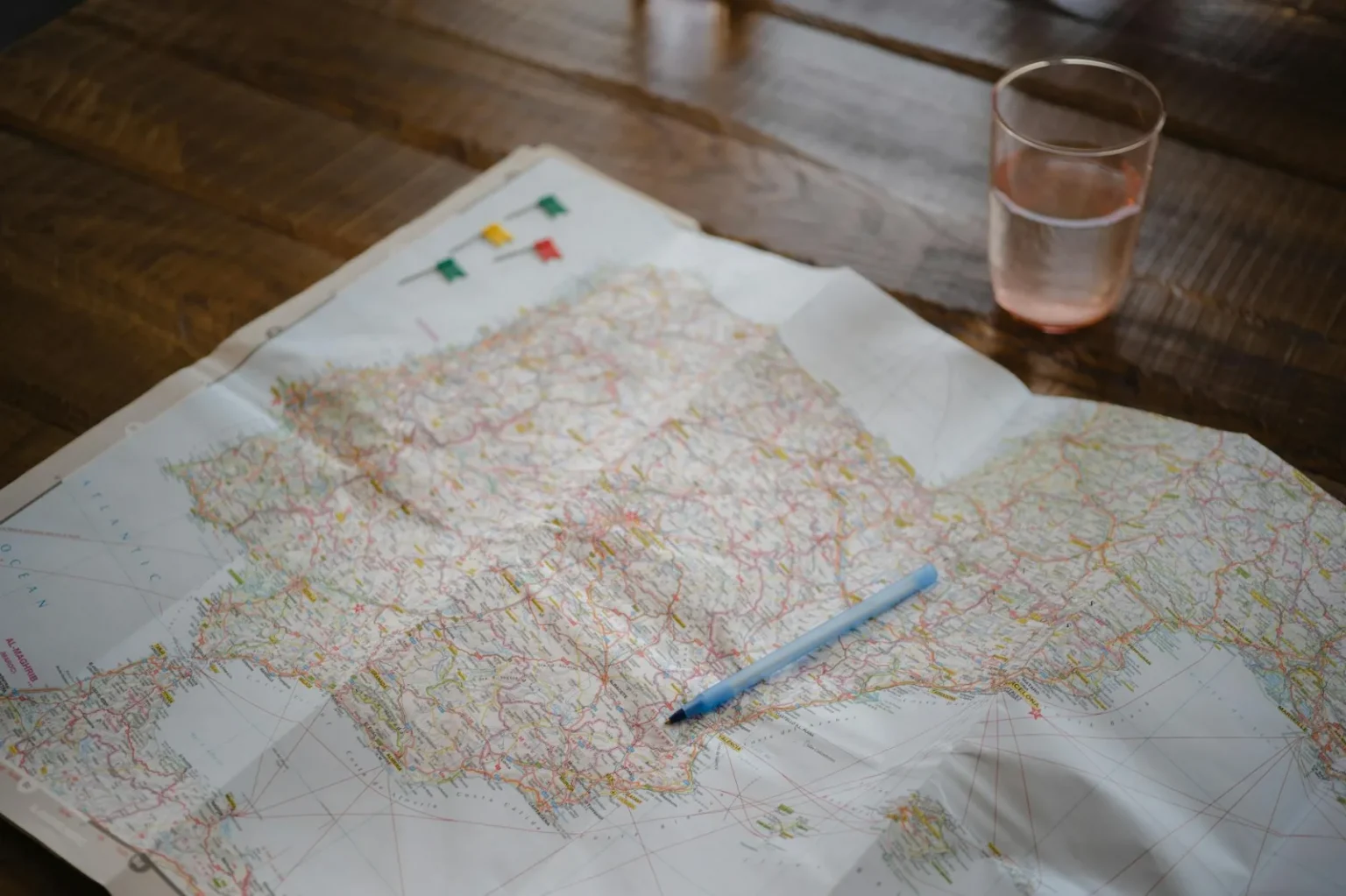
Itinerary planning is crucial for any trip, especially when you aim for cultural immersion. This approach goes beyond merely visiting landmarks; it involves engaging with local traditions, people, and daily life. Therefore, your itinerary should not just be a checklist of sights but a roadmap of experiences.
- Understanding Itinerary Planning for Cultural Immersion
- Step 1: Define Your Cultural Goals
- Step 2: Research Your Destination
- Step 3: Balance Exploration and Relaxation
- Step 4: Create a Flexible Schedule
- Step 5: Engage with Locals
- Step 6: Prioritize Local Cuisine
- Step 7: Reflect and Adjust
- Common Mistakes in Itinerary Planning
- Pro Tips for Effective Cultural Immersion Itinerary
- Conclusion: Mastering Your Itinerary for Cultural Immersion
- Key Takeaways
Step 1: Define Your Cultural Goals
Before diving into the logistics, clarify what cultural aspects you wish to explore. Do you want to connect with local artists, experience traditional cuisine, or participate in community events? Identifying these goals will help tailor your itinerary to ensure you engage deeply with the local culture.
Step 2: Research Your Destination
Once your goals are set, immerse yourself in research. Use travel blogs, forums, and cultural websites to gather insights. Look for lesser-known attractions that provide authentic experiences. For example, instead of visiting a famous museum, you might find a local art studio offering workshops. Such experiences often lead to more meaningful interactions.
Step 3: Balance Exploration and Relaxation
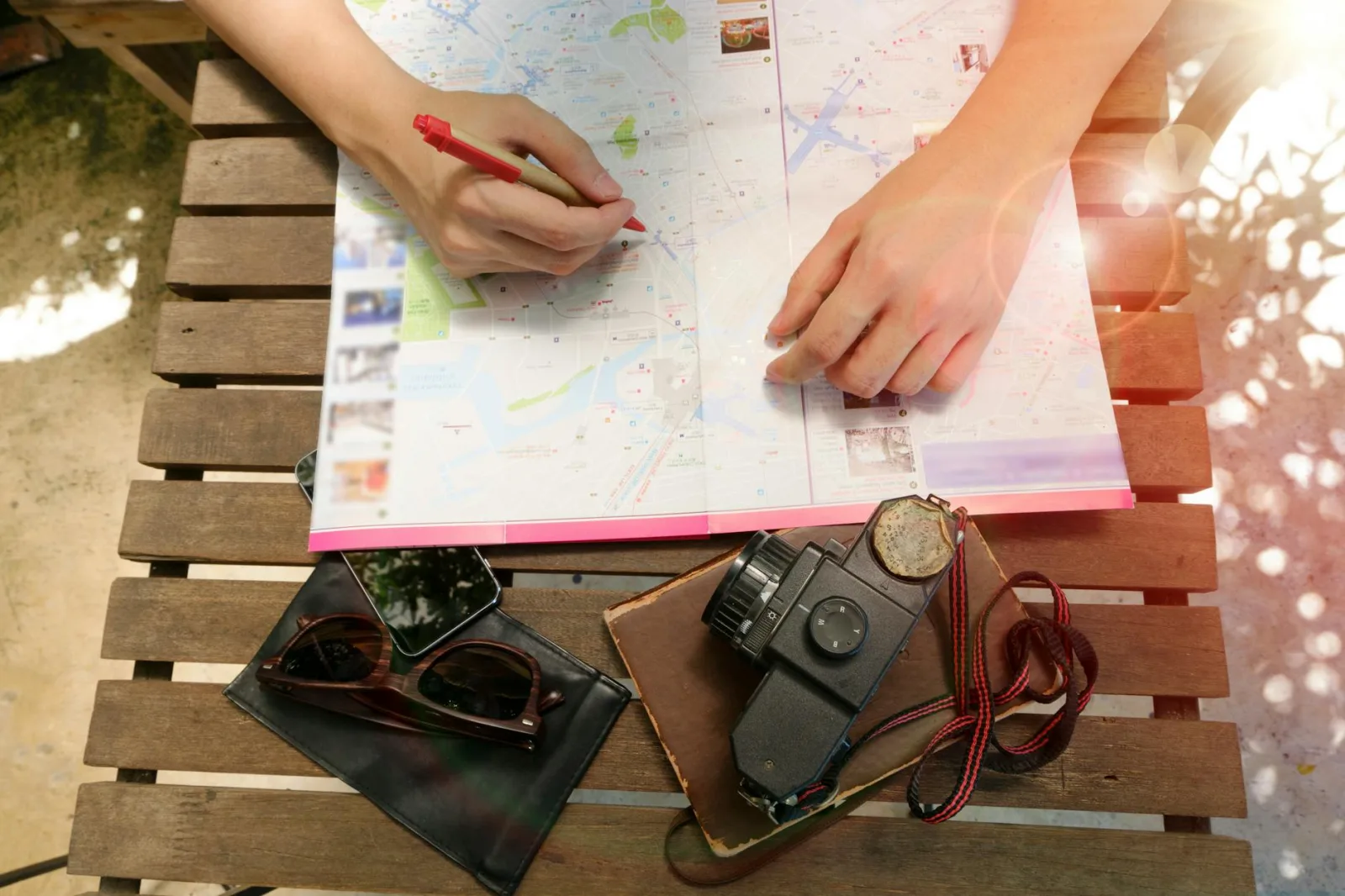
In itinerary planning, finding the right balance between exploration and relaxation is essential. Over-scheduling can lead to fatigue, which diminishes the quality of your cultural immersion. Aim for a mix: plan for busy days filled with activities, but also include downtime to reflect and absorb your experiences. For instance, after a day of museum hopping, schedule a leisurely evening at a local café to unwind.
Step 4: Create a Flexible Schedule
While it’s tempting to adhere strictly to your itinerary, flexibility is key. Travel can be unpredictable; local festivals may pop up or new connections may arise. Build buffer time into your schedule. This approach not only alleviates stress but also allows for spontaneous discoveries, enhancing your cultural experience. Remember, the journey itself often offers valuable lessons.
Step 5: Engage with Locals
Cultural immersion thrives on connections with local people. Include activities that encourage interaction, such as cooking classes, language exchanges, or community volunteer work. These experiences provide insight into the culture and foster authentic relationships. You might find that the best travel tips often come from the locals themselves.
Step 6: Prioritize Local Cuisine
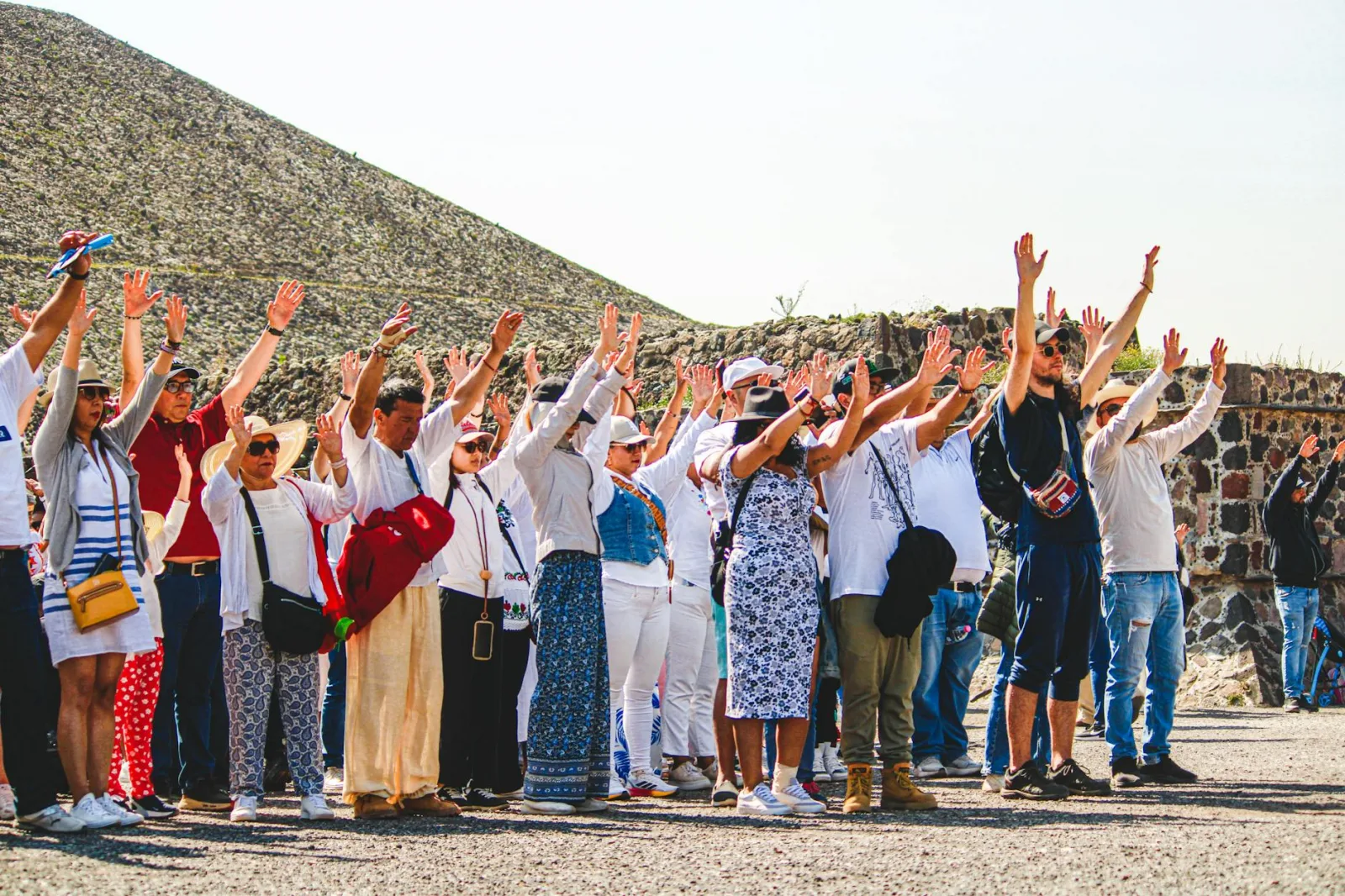
Food is a significant aspect of any culture. Plan to explore local markets, street food, and regional specialties. Consider dedicating a day to a culinary tour where you can try various dishes and learn about their origins. This not only satisfies your palate but also deepens your understanding of the cultural context behind the food.
Step 7: Reflect and Adjust
After each day, take a moment to reflect on your experiences. What did you enjoy? What would you change? Adjust your itinerary as needed to enhance your cultural immersion. This iterative process helps you fine-tune your approach, making each day more enriching.
Common Mistakes in Itinerary Planning
Being aware of pitfalls can enhance your trip. A common mistake is overloading your itinerary. While it’s tempting to see everything, this often leads to burnout. Instead, prioritize quality over quantity. Another mistake is not accounting for travel time between activities. Use mapping tools to estimate distances and travel durations.
Pro Tips for Effective Cultural Immersion Itinerary
1. **Start Early**: Begin your day early to maximize your time. Morning hours are often quieter and perfect for cultural experiences.
2. **Stay in Local Accommodations**: Choose homestays or local guesthouses over international hotels. This can provide a more authentic experience and opportunities to interact with locals.
3. **Use Technology Wisely**: Leverage travel apps that offer cultural insights and local events. However, remember to disconnect occasionally to fully engage with your surroundings.
Conclusion: Mastering Your Itinerary for Cultural Immersion
Crafting the perfect itinerary for a cultural immersion trip involves thoughtful planning and openness to new experiences. By defining your goals, researching your destination, balancing activities, and engaging with locals, you can create a journey that is not just about seeing but truly experiencing. Remember, the essence of travel lies in the stories you gather and the connections you make. Keep your itinerary flexible and allow space for spontaneity, as this is often where the most memorable experiences occur.
Key Takeaways
- Define your cultural goals before itinerary planning.
- Balance exploration and relaxation to enhance your experience.
- Engage with locals and prioritize local cuisine for deeper immersion.
- Reflect on your experiences regularly to adjust your plan as needed.