






Understanding Multi-Generational Family Travel
Multi-generational family travel refers to trips that include family members from different generations—like grandparents, parents, and children. Such trips can be rewarding as they strengthen family bonds and create lasting memories. However, planning these vacations requires careful consideration to ensure everyone has a fulfilling experience.
- Understanding Multi-Generational Family Travel
- 1. Establish Clear Communication
- 2. Determine the Ideal Destination
- 3. Set a Realistic Budget
- 4. Plan Activities for All Ages
- 5. Consider Accommodation Options
- 6. Create a Flexible Itinerary
- 7. Prioritize Safety and Health
- Conclusion: Key Takeaways for a Successful Multi-Generational Trip
1. Establish Clear Communication
Before diving into the planning process, it’s crucial to communicate with all family members involved. Organize a family meeting where everyone can share their expectations, preferences, and any concerns. This step helps set the tone for the trip and allows for a collaborative approach to planning.

2. Determine the Ideal Destination
Choosing the right destination is key to accommodating the diverse interests and mobility levels of all family members. For instance, a beach resort may appeal to younger kids while offering relaxation options for grandparents. Alternatively, a national park could provide adventure for the active family members while allowing for scenic views and leisurely walks for others. Important note: Consider accessibility features, such as wheelchair access or ease of navigation for older adults.
3. Set a Realistic Budget
Budgeting for family travel often involves managing varying financial capabilities among family members. Create a shared budget that outlines expected costs, including transportation, accommodation, meals, and activities. You might find it helpful to read Navigating the Hidden Costs of Traveling: What to Expect Beyond the Ticket Price to understand additional expenses that can arise during the trip. This transparency can alleviate financial stress and ensure everyone is on the same page.
4. Plan Activities for All Ages
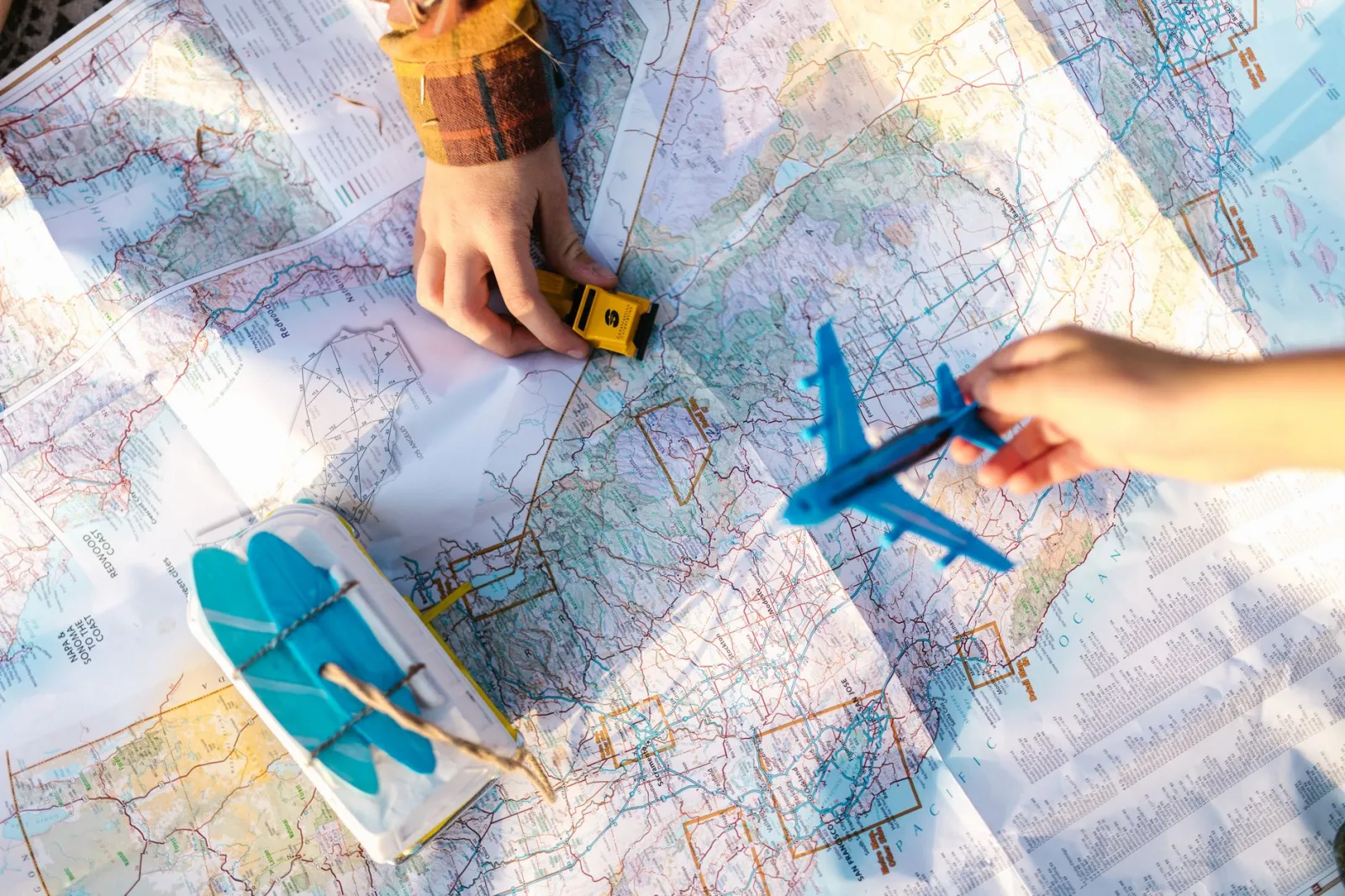
To keep everyone engaged, incorporate a mix of activities catering to different age groups and interests. For example, you might schedule a day at an amusement park for thrill-seekers, followed by a quiet afternoon at a local museum that appeals to history buffs. Pro tip: Allow for some downtime in the itinerary. This flexibility can be crucial, especially when traveling with younger children or older adults who may need rest periods.
5. Consider Accommodation Options
Selecting the right place to stay can significantly impact the trip’s comfort. Look for family-friendly accommodations that offer larger rooms or suites to accommodate the entire group. Vacation rentals can also provide shared spaces for bonding while allowing for privacy when needed. Common mistake: Avoid booking too far apart. Staying in close proximity can make it easier to coordinate activities and meals.

6. Create a Flexible Itinerary
While having a plan is beneficial, it’s equally important to remain flexible. Life happens; unexpected weather or other circumstances can change your plans. Try to craft a flexible itinerary that allows for spontaneity. For example, you might plan a visit to a popular site but also leave time for exploring local favorites or unplanned detours. You can find helpful strategies in How to Plan a Flexible Itinerary: Embracing Spontaneity on Your Travels.
7. Prioritize Safety and Health
When traveling with multiple generations, prioritizing health and safety is essential. Ensure you have necessary medications and vaccinations up to date for all family members. Additionally, consider travel insurance that covers everyone. Warning: Keep a list of emergency contacts and local healthcare facilities handy, especially if traveling to unfamiliar destinations.
Conclusion: Key Takeaways for a Successful Multi-Generational Trip
Planning a multi-generational family trip can be a rewarding endeavor that strengthens familial ties. By establishing clear communication, selecting suitable destinations, budgeting wisely, and accommodating diverse interests, you can create a harmonious travel experience. Remember to remain flexible and prioritize safety, ensuring that everyone enjoys their adventure. Lastly, embrace the moments spent together, as these shared experiences often become cherished family stories for years to come.