





Introduction
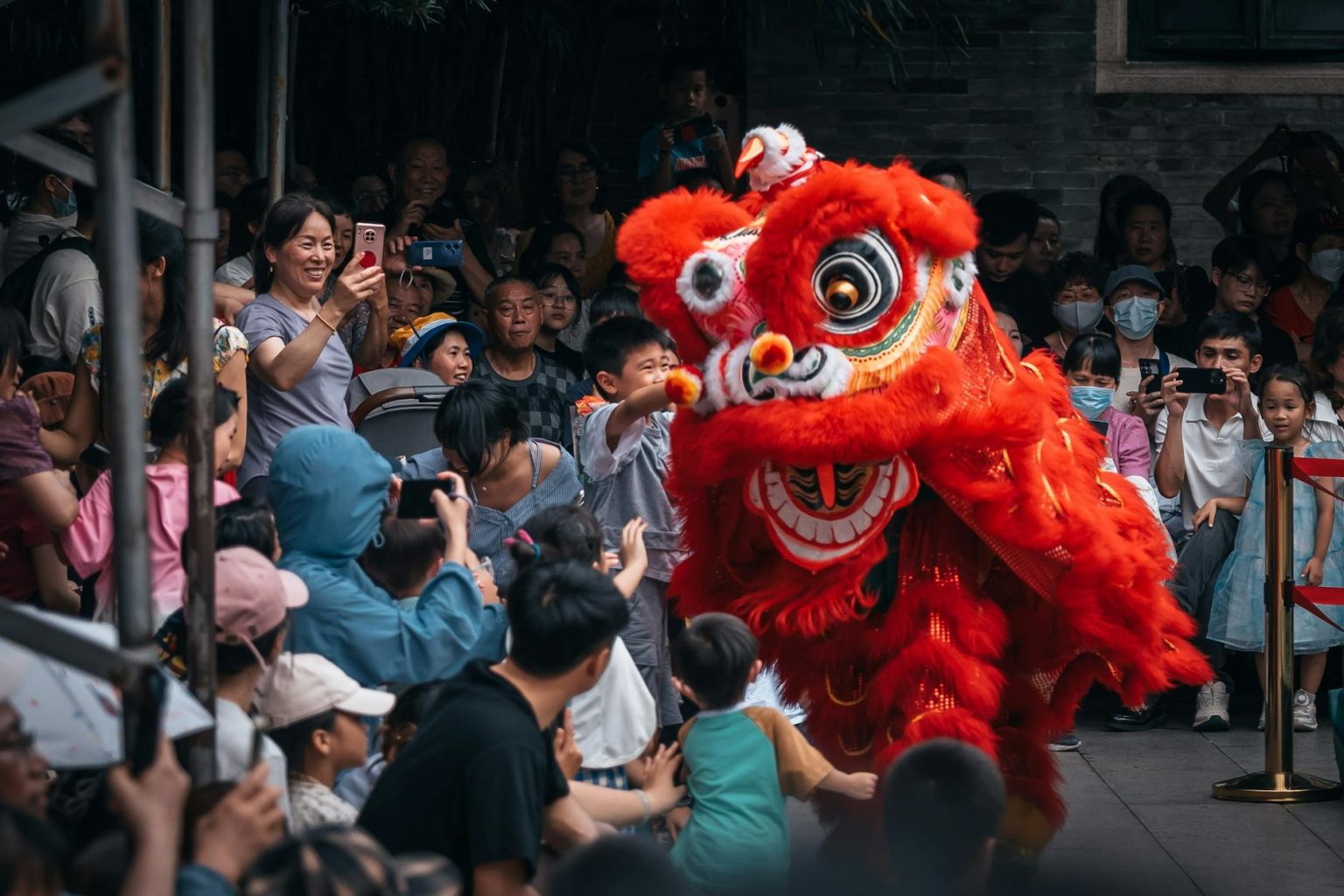
In a world racing toward modernity, the allure of the past retains its charm through the reviving of ancient traditions. Cultural festivals, once thought lost to time, are being reawakened and celebrated with fervor, offering a unique gateway to the historical celebrations of bygone eras. These festivals not only honor our ancestors but also forge connections between the past and present, ensuring that our rich cultural tapestry is never forgotten.
The Resurgence of Beltane
One remarkable example of an ancient tradition finding its way back into modern culture is the Beltane Fire Festival, a tribute to the ancient Celtic festival of Beltane. Celebrated on the night of April 30 with fire and fertility rituals, Beltane marks the transition from winter to spring. Once nearly forgotten, it has been revived and now flourishes as a major event in Edinburgh, thanks to a group of passionate artists and volunteers who reignited its flame in 1988. The festival now draws thousands to witness this celebration of fire, fertility, and the arrival of summer, blending ancient rituals with modern performances.
Gion Matsuri: Bridging Plague and Prosperity
In Kyoto, Japan, the Gion Matsuri stands as a testament to the resilience and adaptability of cultural festivals. Originating in the 9th century as a purification ritual to ward off plague, it has evolved into one of Japan’s most significant festivals. Held every July, the festival features towering floats and vibrant parades that traverse the streets of the former imperial capital. It is an event that showcases community spirit and cultural pride, having undergone transformations to reflect the changing tides of time [history.com].
The Feast of Opet: Echoes of Egypt
The Feast of Opet in ancient Egypt marked a grand procession from the Temple of Karnak to Luxor, celebrating the rise of the Nile and the renewal it brought. Known as one of Egypt’s most spectacular events, Opet was integral in the consolidation of the New Kingdom’s power, symbolizing political stability and divine favor. Although modern celebrations may not match the scale of its ancient counterparts, efforts to commemorate Opet continue in new forms, ensuring this rich tradition remains part of Egypt’s cultural heritage.
The Celtic Fringe: Samhain and the Return of Spirits
Among the Gaelic traditions, Samhain stands out, marking the end of harvest and the beginning of winter. It is a time when the veil between the living and the dead is believed to thin, allowing spirits to return to the world of the living. While Halloween has commercialized aspects of Samhain, the original festival continues to be celebrated with bonfires, ancient rituals, and seasonal rites in various parts of Ireland and Scotland. It serves as a reminder of the deep spiritual connections our ancestors had with nature and the changing seasons. history.com
Conclusion
Reviving ancient traditions and cultural festivals breathes new life into our historical celebrations. These events connect us to the past, offering insights into the values, beliefs, and communal ties that shaped our forebears’ lives. As we celebrate these festivals today, we not only preserve our rich heritage but also enhance our cultural identity, ensuring that the vibrant tapestry of our shared history continues to inspire and educate future generations.