





Understanding Saudi Arabia’s Rich Cultural Landscape
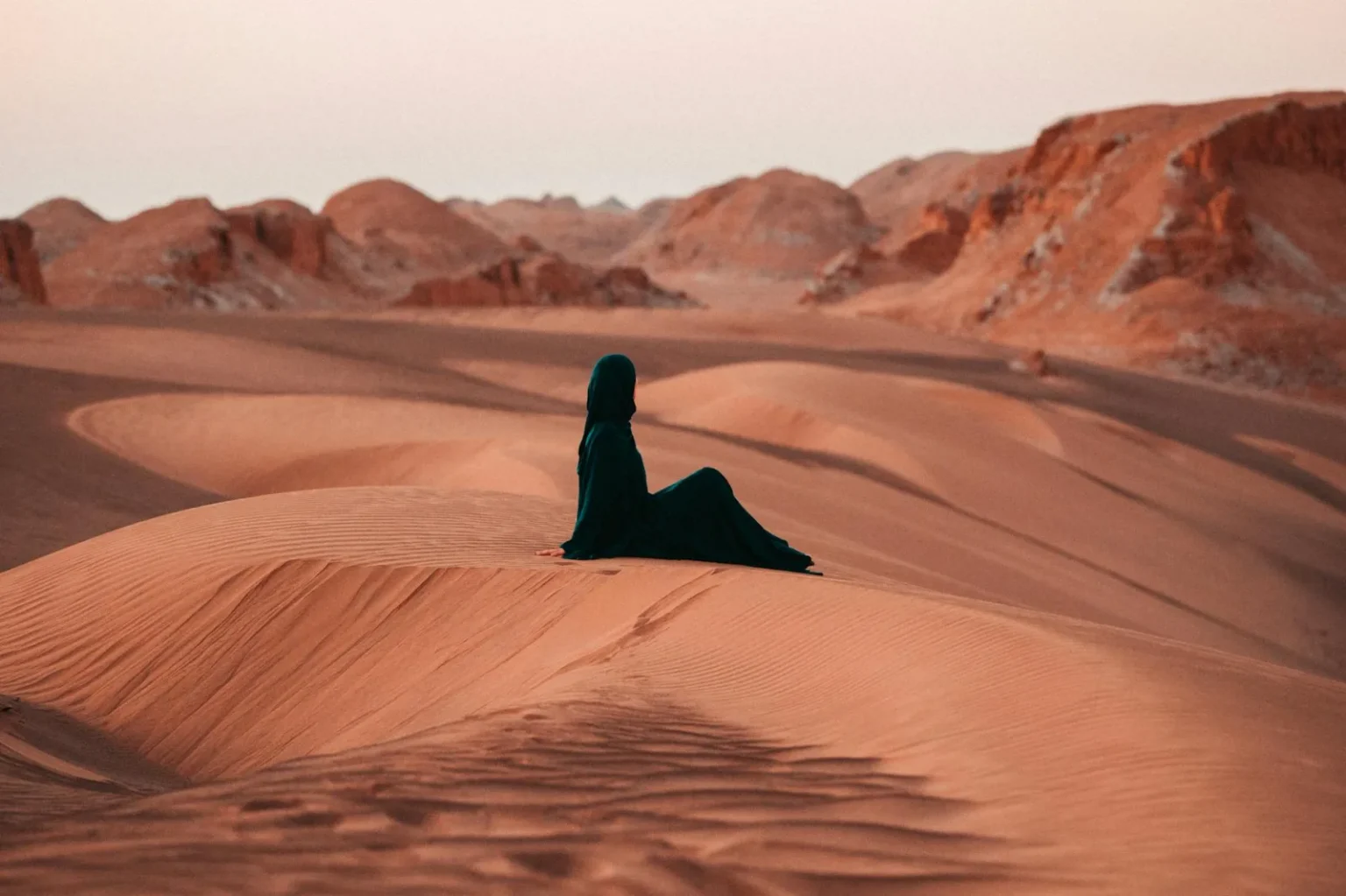
Saudi Arabia is often recognized for its modern cities and religious significance, but beneath its surface lies a rich tapestry of ancient history waiting to be discovered. One of the most fascinating aspects of this history is the hidden desert art—specifically the rock carvings that scatter the vast landscapes. These carvings serve not just as artistic expressions but also as historical records, telling stories of the people and cultures that once thrived in these arid regions.
- Understanding Saudi Arabia’s Rich Cultural Landscape
- What Are Rock Carvings?
- Where to Find Rock Carvings in Saudi Arabia
- The Historical Significance of Rock Carvings
- How to Approach Rock Art Safely and Respectfully
- Engaging with Local Experts
- Connecting Rock Carvings to Contemporary Art
- Conclusion: Unveiling the Secrets of Saudi Arabia’s Hidden Desert Art
What Are Rock Carvings?
Rock carvings, or petroglyphs, are images or symbols carved into rock surfaces. They can range from simple shapes to complex scenes depicting human figures, animals, and daily life activities. These carvings are often created by chipping away at the rock surface to reveal a lighter stone underneath, a technique that has been practiced by various cultures throughout history. In Saudi Arabia, these carvings date back thousands of years, providing insights into the lives of ancient inhabitants and their interactions with the environment.
Where to Find Rock Carvings in Saudi Arabia
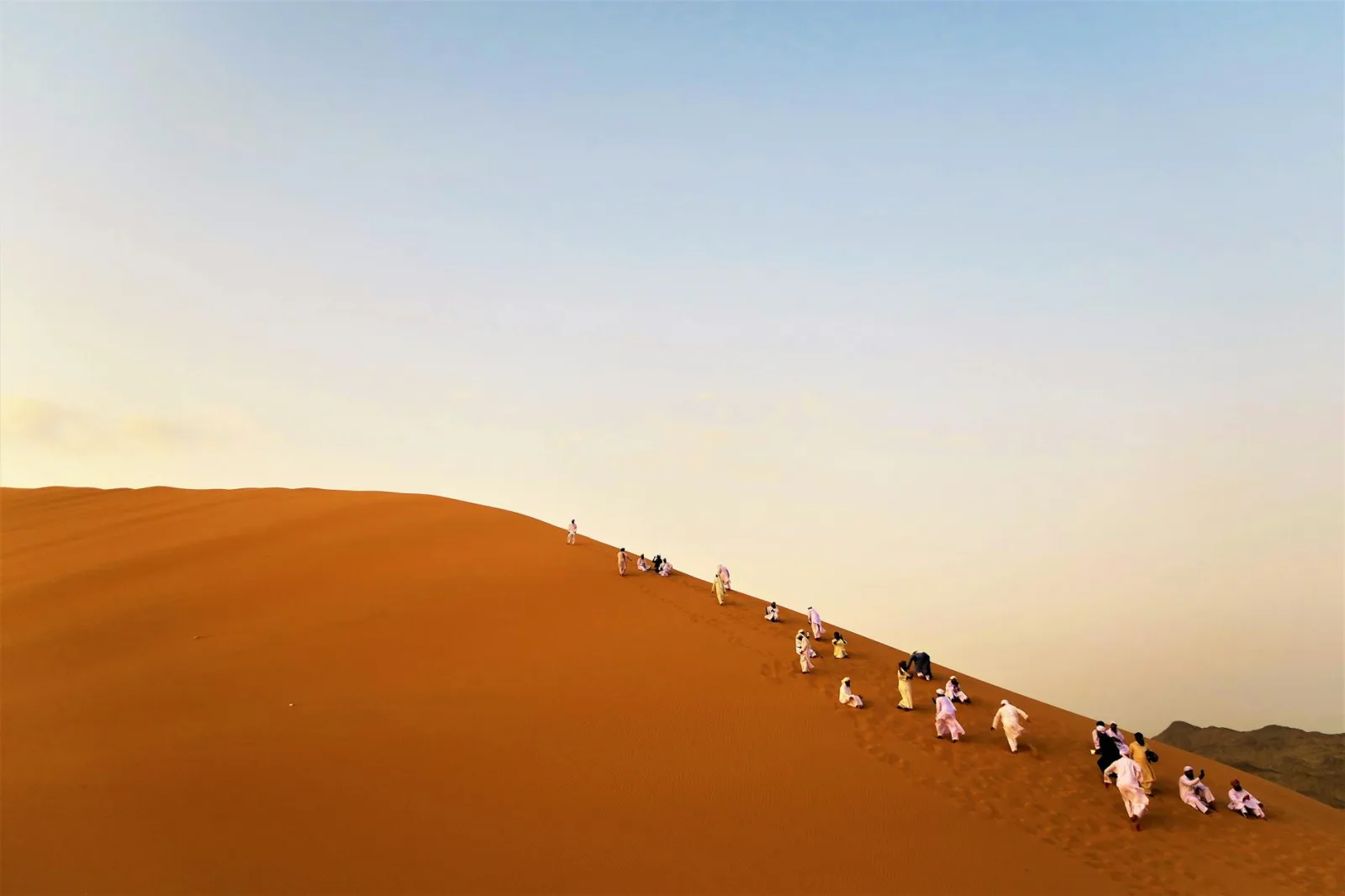
Saudi Arabia is home to several significant sites where you can find these hidden desert art forms. Here are some notable locations:
- AlUla: This ancient city is known for its stunning landscapes and archaeological significance. The rock carvings here depict various animals and human figures, illustrating the region’s rich biodiversity and cultural heritage.
- Jubbah: Located in the northern part of the country, Jubbah features a collection of petroglyphs that date back to the Neolithic period. It’s a UNESCO World Heritage site, making it a must-visit for anyone interested in ancient art.
- Hail Region: This area contains numerous rock art sites, with many carvings representing hunting scenes and animals that were once common in the region.
When planning your visit, consider the following tips: check local guides for accessibility, and ensure you have permission if required, especially in protected areas.
The Historical Significance of Rock Carvings
Rock carvings are not only artistic expressions; they are crucial to understanding the social and environmental contexts of the time. For example, many carvings depict animals that were significant to the local diet, such as gazelles and camels. By studying these images, archaeologists can infer hunting practices, migration patterns, and even climate changes that affected these ancient communities.
How to Approach Rock Art Safely and Respectfully
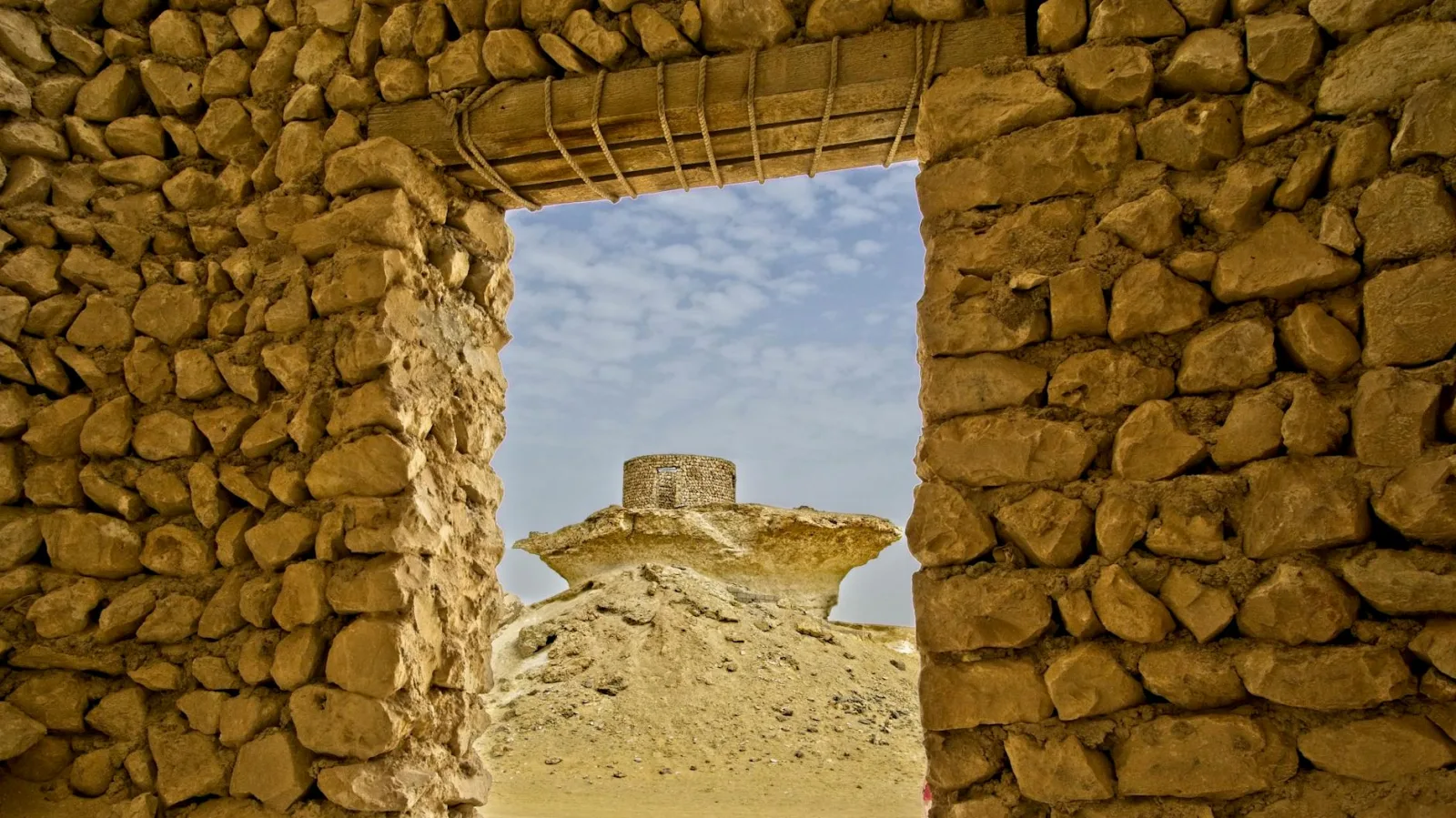
As you embark on your journey to explore these ancient sites, it’s important to approach them with care and respect:
- Stay on Designated Paths: Many sites have marked trails to protect the delicate environment and the carvings themselves. Staying on these paths minimizes damage.
- Do Not Touch or Alter: Avoid touching the carvings or attempting to alter them in any way. This can lead to irreversible damage.
- Document, Don’t Disturb: If you wish to capture these artworks through photography, ensure your equipment does not block or damage the site.
By following these guidelines, you help preserve these important cultural artifacts for future generations.
Engaging with Local Experts
To deepen your understanding of the hidden desert art and its cultural context, engaging with local experts can be invaluable. Many regions in Saudi Arabia offer guided tours led by archaeologists or historians who specialize in rock art. This not only enhances your experience but also supports the local economy. You might also discover lesser-known sites that are not included in mainstream tourism offerings.
Connecting Rock Carvings to Contemporary Art
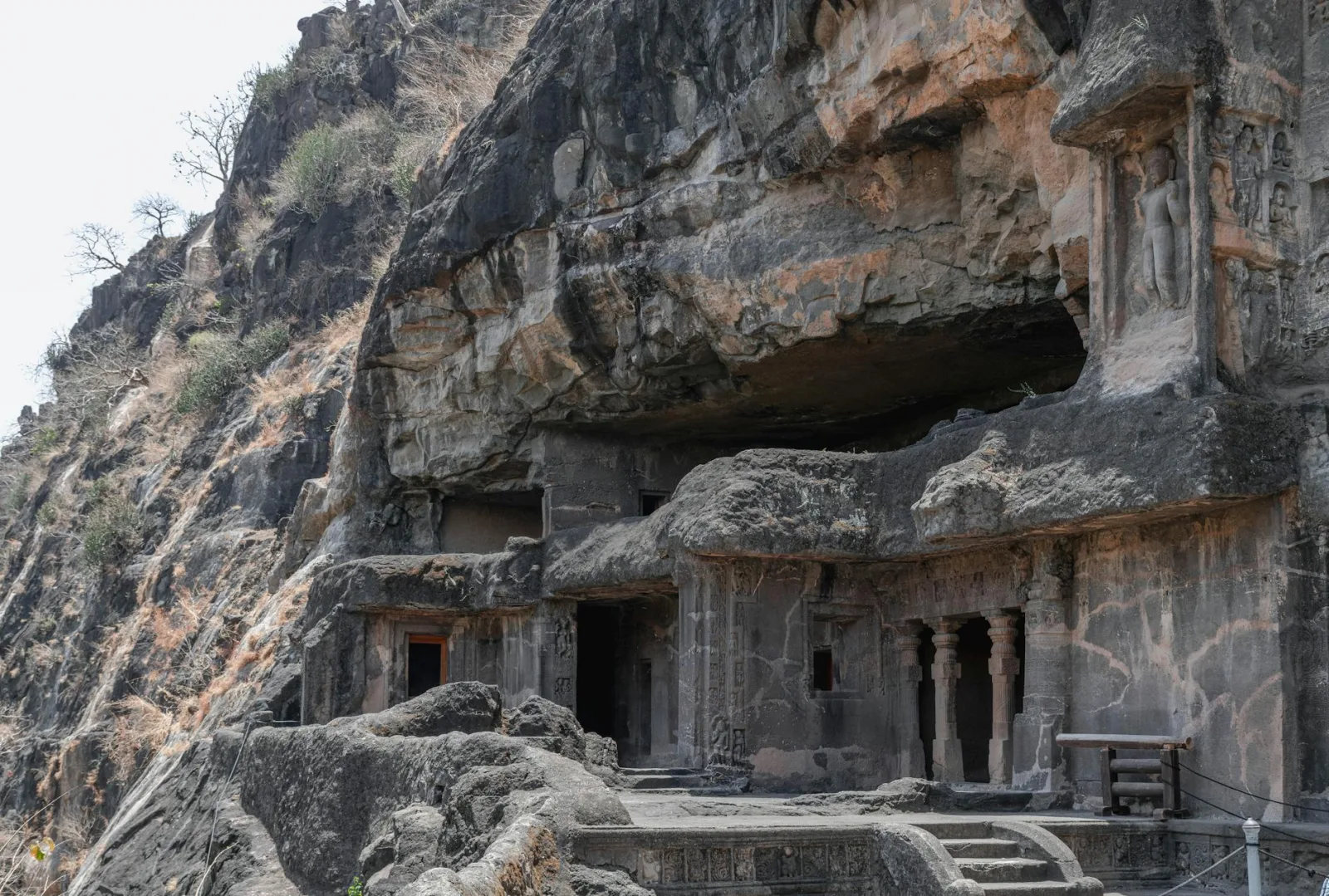
The influence of ancient rock art extends beyond archaeological interest; it has also inspired contemporary artists in Saudi Arabia. Many modern artists draw upon themes and motifs found in these carvings, creating a dialogue between past and present. This connection illustrates how cultural heritage informs current artistic expression, bridging gaps between generations and inviting new interpretations.
Conclusion: Unveiling the Secrets of Saudi Arabia’s Hidden Desert Art
Exploring the ancient rock carvings of Saudi Arabia offers a glimpse into the lives and cultures of those who came before us. By understanding their significance, respecting their preservation, and engaging with local experts, you can enrich your experience and appreciation of this hidden desert art. Remember to tread lightly, document responsibly, and allow the stories of these ancient carvings to resonate in your travels. As you uncover these secrets, you engage in a timeless conversation with history, art, and culture.
For more insights into the hidden treasures of Saudi Arabia, check out our article on The Hidden Artisans of Saudi Arabia, where we explore craftsmanship and local culture.