





Understanding Cairo’s Musical Landscape
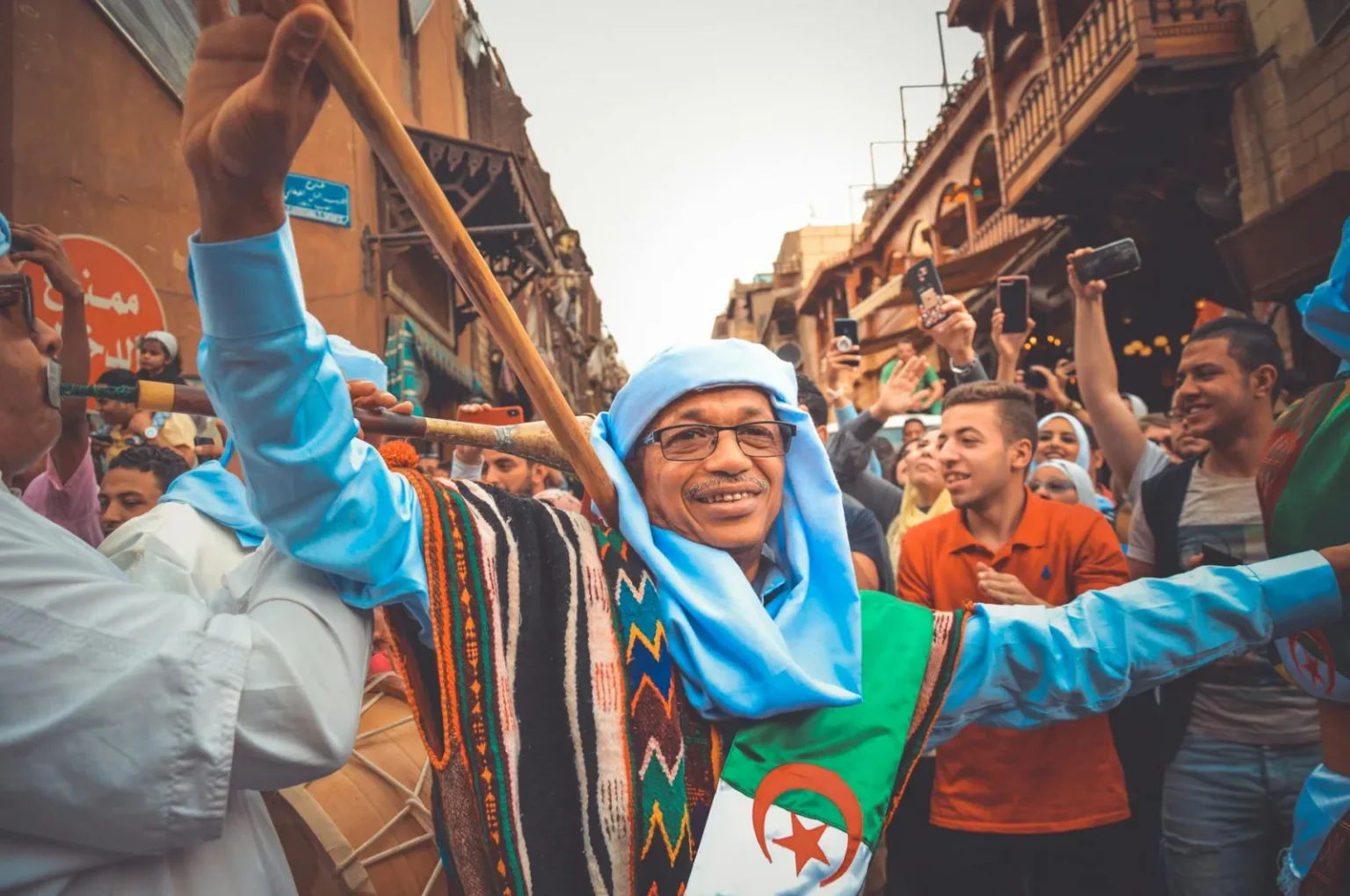
Cairo’s music traditions are as diverse as the city itself, shaped by its history and the various cultures that have influenced it over centuries. From the intricate rhythms of traditional folk music to the modern beats of contemporary genres, Cairo offers a rich tapestry of sounds. You may encounter local musicians playing the oud or the qanun in bustling streets or at intimate gatherings, showcasing the city’s passion for music.
- Understanding Cairo’s Musical Landscape
- 1. Traditional Instruments and Their Significance
- 2. The Role of Music in Local Life
- 3. Exploring Local Dance Experiences
- 4. Attending Cultural Performances
- 5. Important Tips for Engaging with Performers
- 6. Connecting with Local Communities
- 7. Summary and Key Takeaways
1. Traditional Instruments and Their Significance
In understanding Cairo’s music traditions, it’s essential to recognize the instruments that are often used. The oud, a pear-shaped string instrument, is central to Arabic music. Its warm, deep sound evokes a sense of nostalgia and connection to the past. Similarly, the tabla, a hand-played drum, provides the rhythmic backbone for many performances. Engaging with these instruments can deepen your appreciation of the music.
2. The Role of Music in Local Life
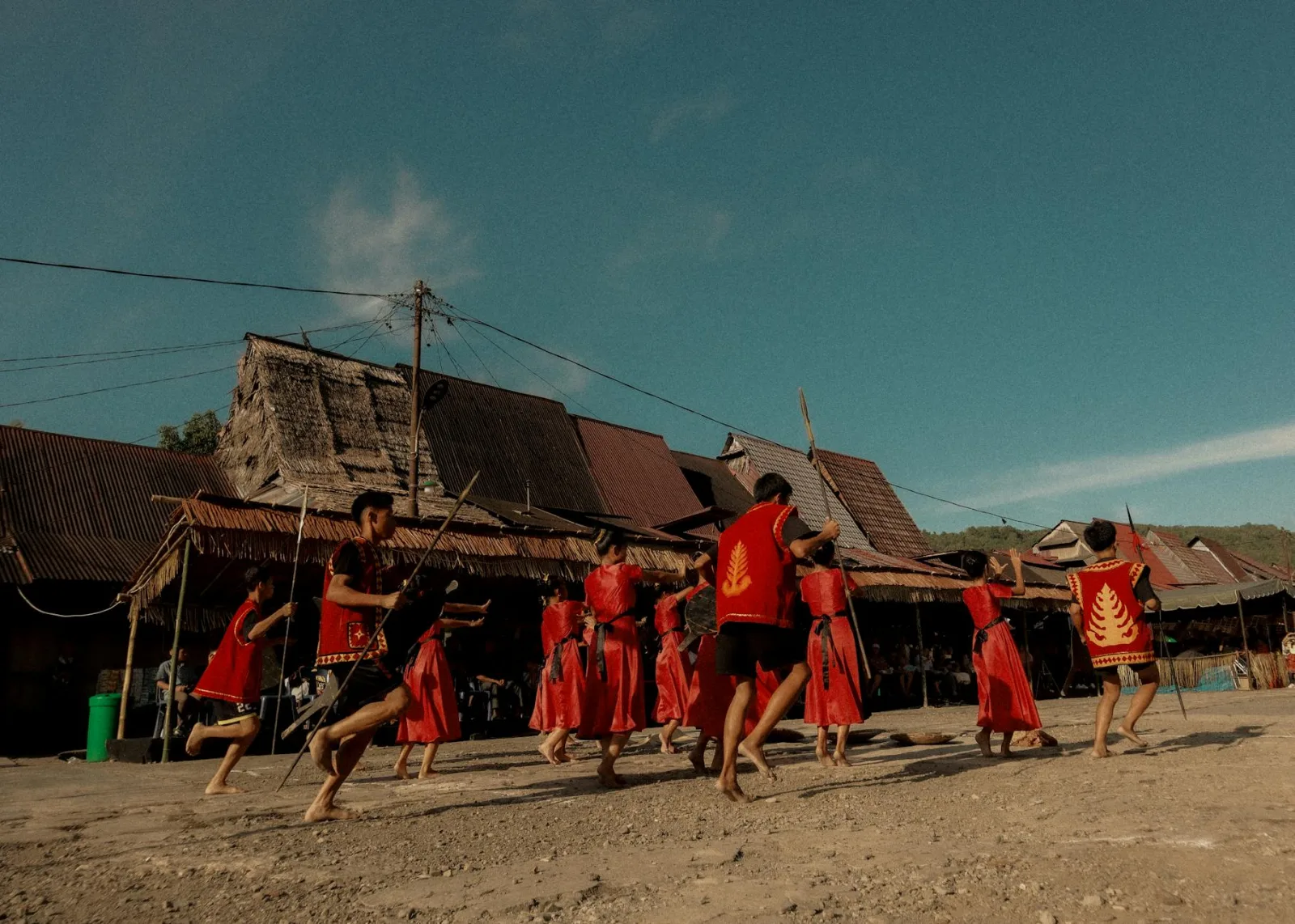
Music in Cairo is not merely for entertainment; it is woven into the fabric of everyday life. Weddings, religious ceremonies, and community gatherings often feature live music, creating an atmosphere of celebration and unity. For instance, during a traditional wedding, you might see a zeffa, a lively procession where musicians and dancers lead the bride and groom to the venue. Understanding this cultural context will enrich your experience of the city.
3. Exploring Local Dance Experiences
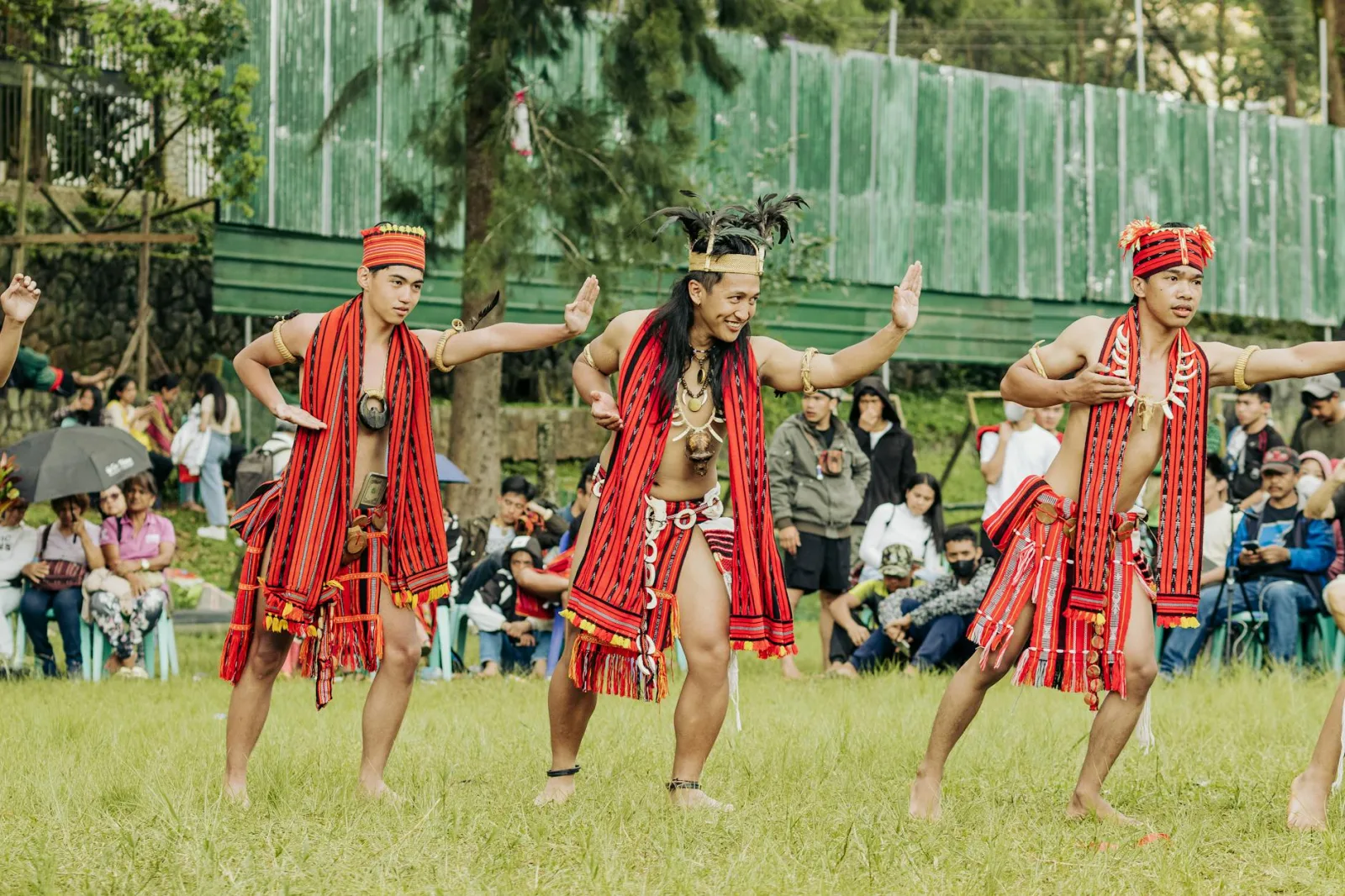
Dancing is another vibrant aspect of Cairo’s cultural performances. The traditional dance form known as Raqs Sharqi, or Oriental dance, is characterized by its fluid movements and expressive gestures. Attending a local performance can be a profound way to connect with the culture. Additionally, you might consider taking a dance class to learn the basics, which can be a fun and immersive way to engage with local traditions.
4. Attending Cultural Performances
One of the best ways to experience Cairo’s music and dance traditions is by attending cultural performances. Venues like the Cairo Opera House host classical music concerts, ballets, and operas that reflect both local and international artistry. Alternatively, local cafes and cultural centers frequently offer live music nights, giving you a chance to witness emerging artists. Make sure to check the schedule in advance to catch a performance that interests you.
5. Important Tips for Engaging with Performers
When attending performances or interacting with local musicians and dancers, it’s essential to be respectful of their art. Here are some tips:
- Ask for permission: Before taking photos or videos, ensure that you have the performer’s consent.
- Be attentive: Show appreciation by listening and engaging with the performance, which can encourage artists to share more of their craft.
- Learn a few phrases: Knowing basic Arabic greetings can enhance your interactions.
6. Connecting with Local Communities
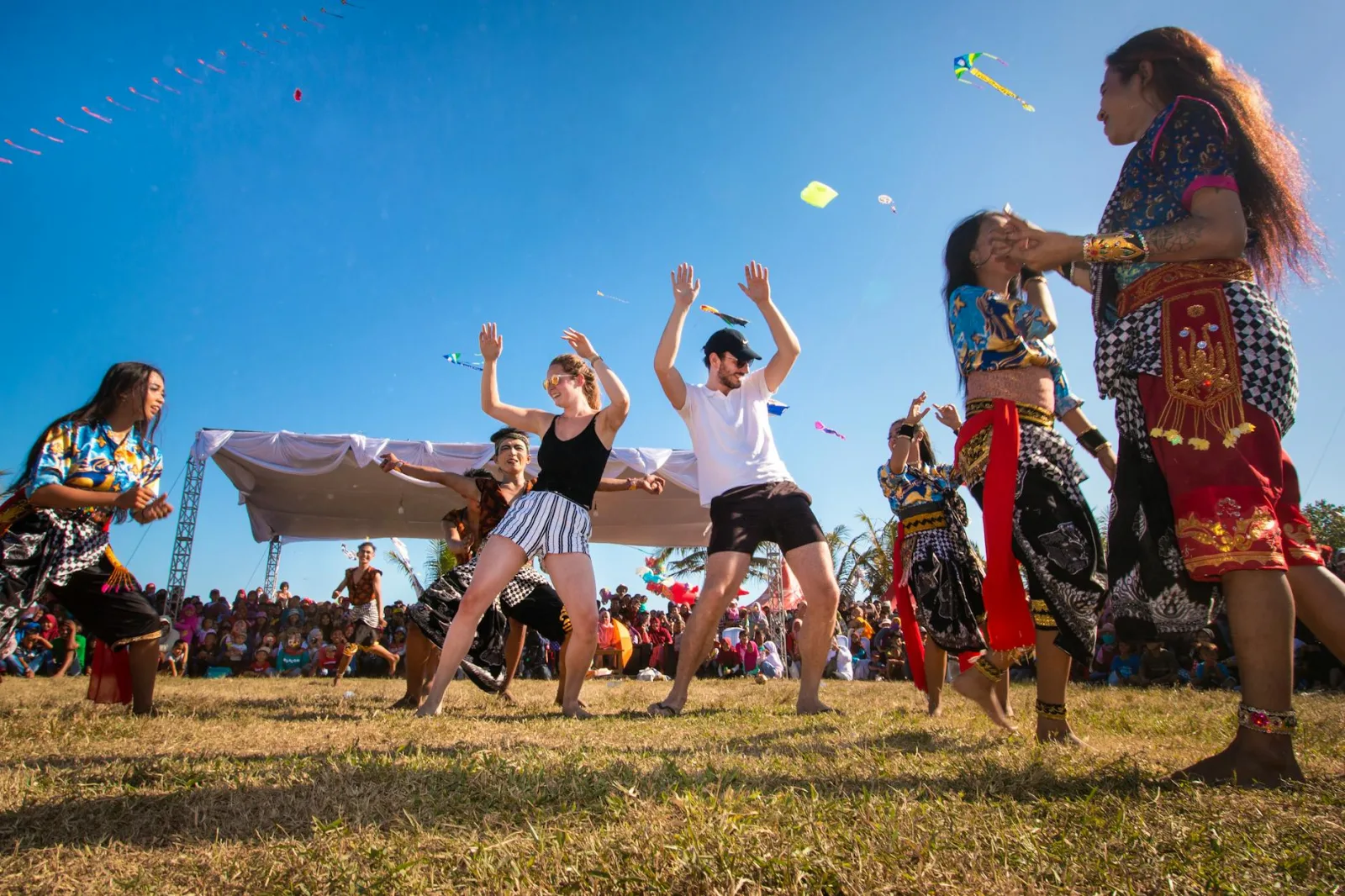
To truly understand Cairo’s music traditions, consider connecting with local communities. You can visit community centers or participate in festivals where music plays a central role. Festivals such as Ramadan Nights or the Cairo International Festival for Contemporary Music offer a platform for both traditional and modern expressions of music. Engaging with these communities can provide you with a richer perspective on the cultural significance of their art.
7. Summary and Key Takeaways
Exploring Cairo’s music and dance traditions allows you to dive deep into the city’s cultural soul. By engaging with local musicians, attending performances, and understanding the context behind the music, you can gain a more authentic experience of the city. Remember to respect local customs, seek consent before recording, and immerse yourself in the vibrant atmosphere of Cairo’s cultural scene. Important note: always be open to learning and experiencing the nuances of the traditions you encounter.