





Understanding Sustainable Travel in Egypt
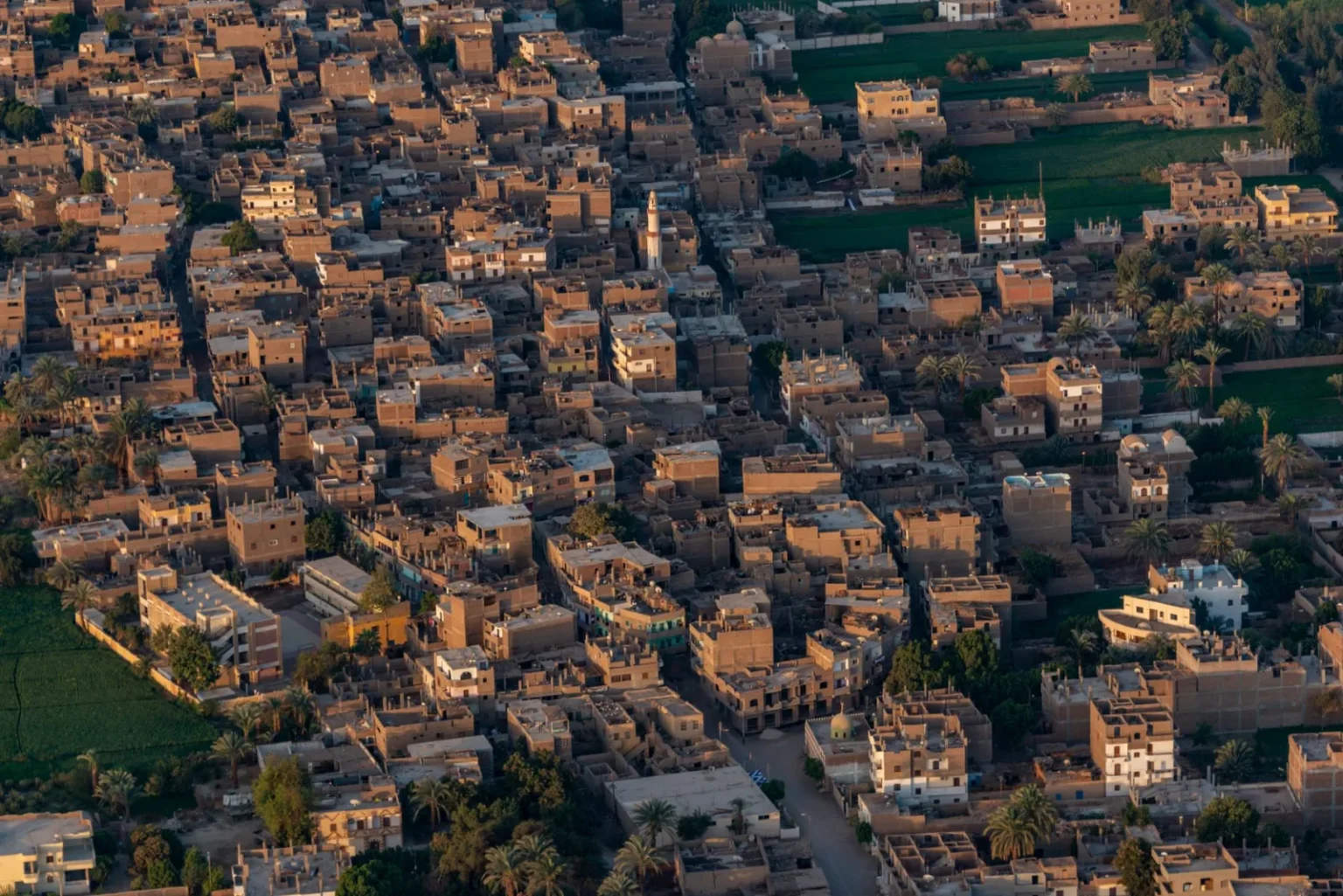
Sustainable travel Egypt focuses on minimizing the environmental impact of tourism while enhancing the socio-economic conditions of local communities. This means you can enjoy the rich history and culture of Egypt while contributing positively to the places you visit. In recent years, the Egyptian government and various organizations have implemented initiatives aimed at promoting eco-friendly tourism and community support tourism, encouraging travelers to engage with local cultures responsibly.
- Understanding Sustainable Travel in Egypt
- 1. Why Support Local Communities?
- 2. Choosing Ethical Accommodations
- 3. Engaging with Local Culture
- 4. Making Responsible Travel Choices
- 5. Visiting Lesser-Known Sites
- 6. Participating in Volunteer Opportunities
- 7. Staying Informed and Respectful
- Conclusion: Key Takeaways for Sustainable Travel in Egypt
1. Why Support Local Communities?
Supporting local communities during your travels is crucial for several reasons. Firstly, it helps preserve cultural heritage. When travelers engage with local traditions, they contribute to the survival of those cultures. Secondly, it boosts the local economy, providing livelihoods for artisans, guides, and small business owners. Finally, it promotes a more authentic travel experience, allowing you to connect meaningfully with the places you visit. For example, if you purchase handmade crafts directly from local artisans, you ensure that your money goes directly to those who created the products, rather than large corporations.
2. Choosing Ethical Accommodations
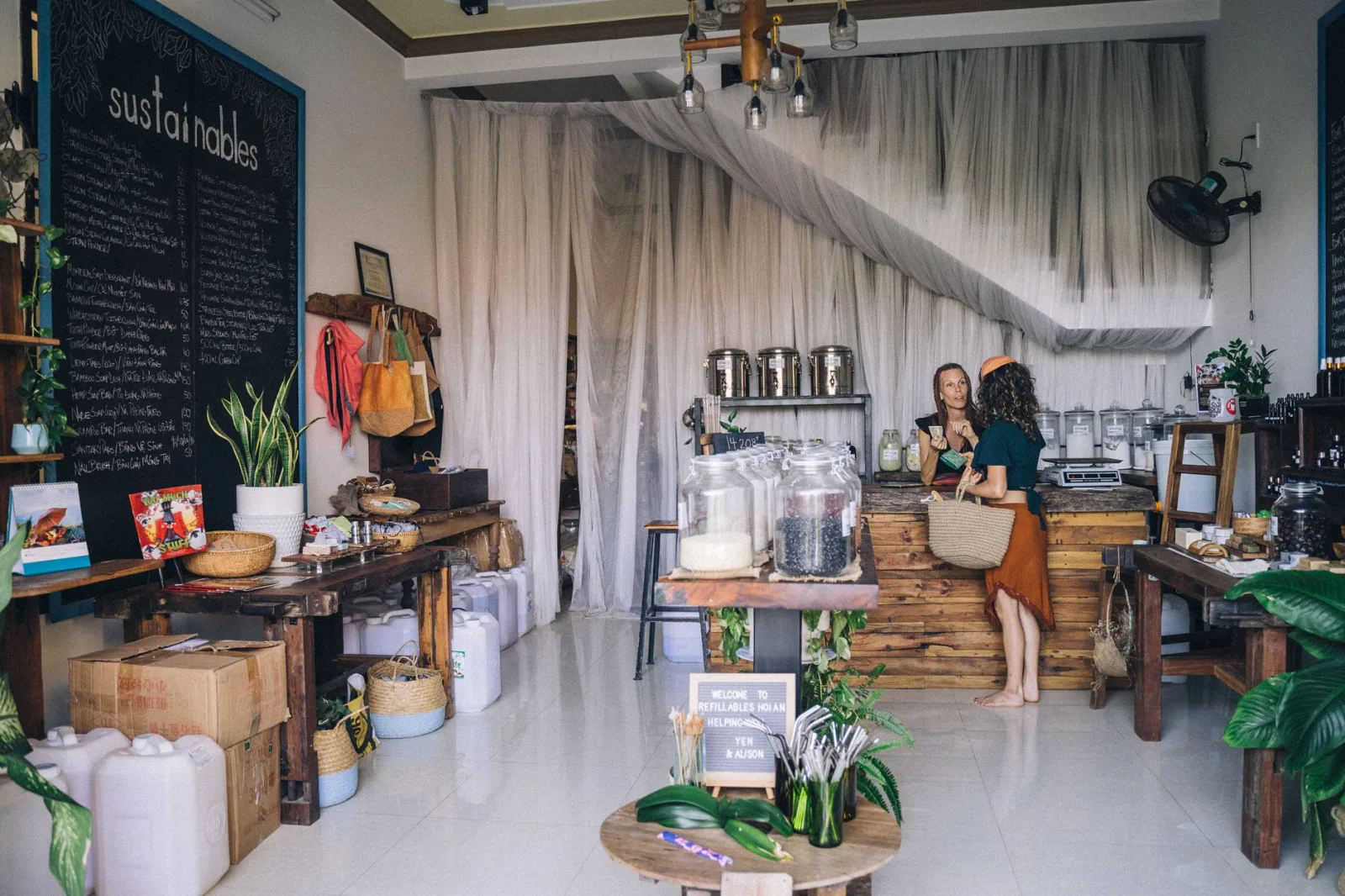
Your choice of accommodation can significantly impact the sustainability of your trip. Look for eco-friendly hotels or guesthouses that prioritize sustainability practices, such as reducing waste, conserving water, and using renewable energy. Additionally, consider staying in locally-owned establishments. This not only supports the local economy but often provides a more authentic experience. For instance, Navigating Egypt’s Eco-Friendly Accommodation offers insights into sustainable stays, helping you make informed choices.
3. Engaging with Local Culture
Participating in local cultural activities is a wonderful way to support communities. This can include attending workshops, such as pottery or weaving, conducted by local artisans. These activities not only provide an immersive experience but also help preserve traditional skills. When you engage directly with locals, you foster mutual respect and understanding. Additionally, be mindful of cultural norms, and always ask for permission before taking photographs, especially in sacred spaces.

4. Making Responsible Travel Choices
As a traveler, your choices matter. Here are some ethical travel tips to consider:
- Reduce your plastic use: Bring reusable water bottles and bags to minimize waste.
- Choose local transportation: Opt for buses or bicycles instead of taxis or rental cars to reduce your carbon footprint.
- Respect wildlife: Avoid participating in activities that exploit animals, like elephant rides or visiting poorly maintained zoos.
- Support local cuisine: Eat at local restaurants or street vendors instead of international chains. This not only enhances your culinary experience but supports local livelihoods. You can learn more about this in Navigating Egypt’s Culinary Heritage.
5. Visiting Lesser-Known Sites
While Egypt is famous for its iconic landmarks like the Pyramids of Giza, consider visiting lesser-known historical sites. Exploring Egypt’s Hidden Treasures allows you to experience the country’s rich history without contributing to overcrowding at major tourist spots. Visiting these hidden gems not only provides a unique perspective but also supports local communities that rely on tourism. For example, sites like the Temple of Karnak in Luxor are often less crowded and provide a more intimate experience.
6. Participating in Volunteer Opportunities
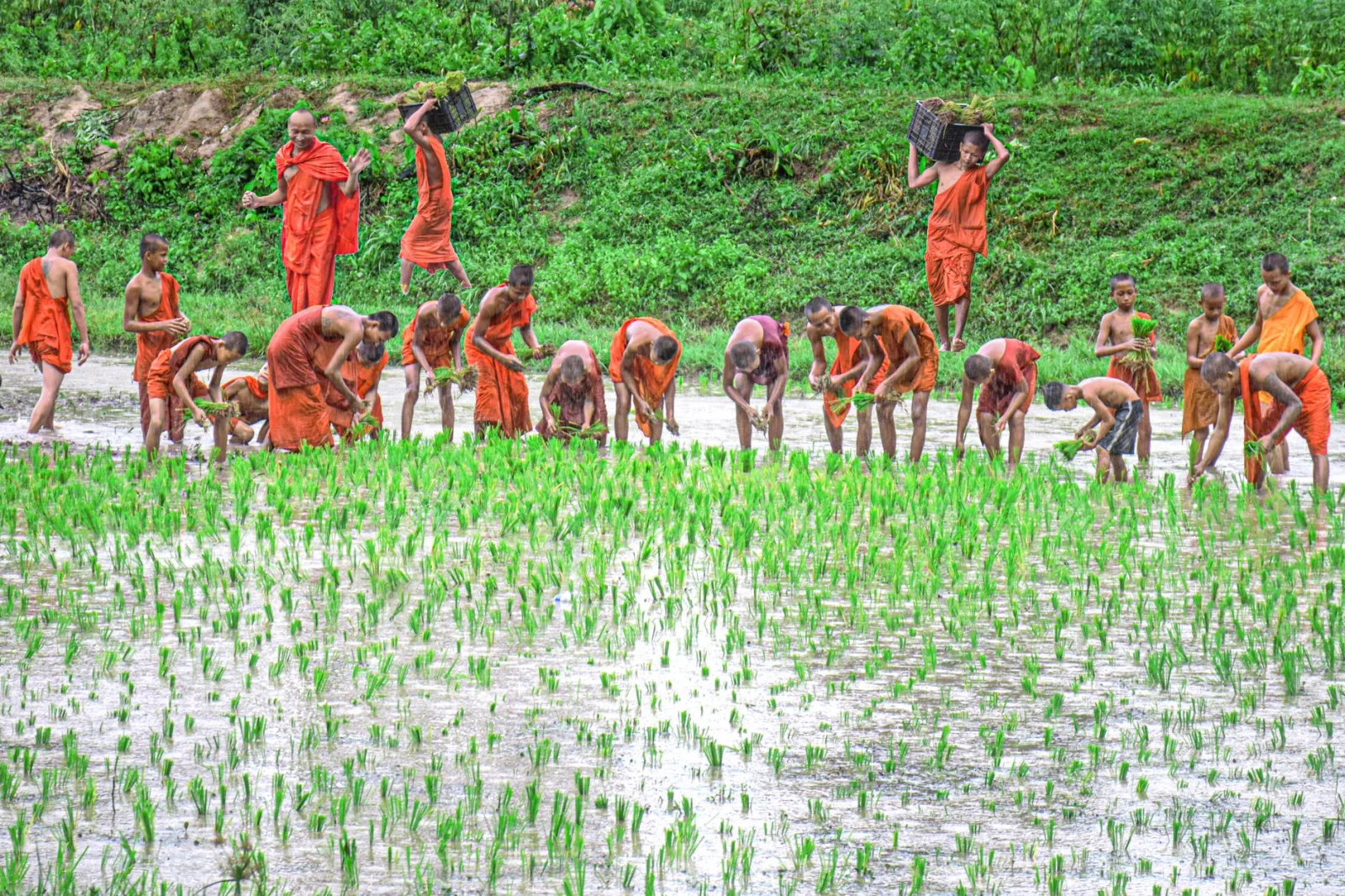
If you have the time, consider engaging in volunteer work during your stay. Many organizations in Egypt welcome travelers to help with various projects, from environmental conservation to educational programs for children. This not only benefits the community but can also be a rewarding experience for you. However, ensure that you choose reputable organizations that prioritize community needs over volunteer experiences.
7. Staying Informed and Respectful
Before you travel, take the time to research and understand the cultural, social, and environmental issues facing the regions you’ll visit. This knowledge will help you make informed decisions and demonstrate respect for local customs. Additionally, be aware of the political climate and travel advisories, as they may influence your travel plans.
Conclusion: Key Takeaways for Sustainable Travel in Egypt
Traveling sustainably in Egypt requires conscious choices that benefit local communities and preserve the rich cultural heritage of the country. By supporting local businesses, participating in cultural activities, and making responsible travel decisions, you can contribute positively to the destinations you visit. Remember, sustainable travel is not just a trend; it’s a way of traveling that respects people and the planet. The next time you plan a trip to Egypt, consider how your actions can make a difference and create a lasting impact. Embrace the journey, engage with the culture, and leave a positive footprint.