




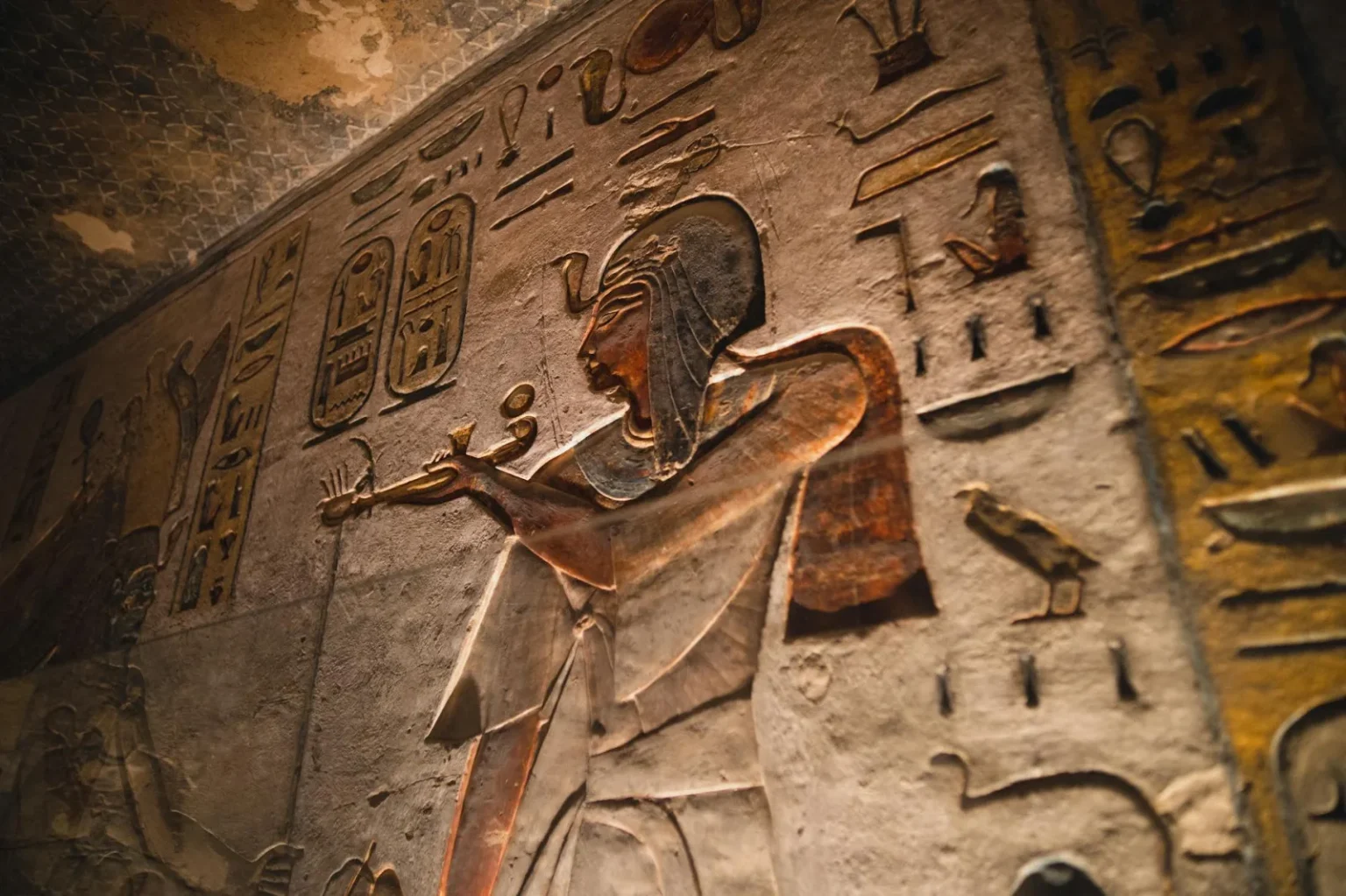

Understanding Egyptian Folklore
Egyptian folklore encompasses a rich tapestry of narratives that reflect the beliefs, traditions, and everyday lives of Egyptians. These stories, often passed down orally, serve not only as entertainment but as a way to preserve local culture. You will find that these tales often incorporate moral lessons, historical events, and supernatural elements, providing a glimpse into the values that shape Egyptian society.
The Role of Traditional Stories in Local Culture
Traditional stories in Egypt play a pivotal role in community bonding and cultural identity. They are often told during gatherings, especially during festivals or family events. For instance, storytelling sessions frequently occur during Ramadan, where families share tales that highlight communal values and religious teachings.
Common Themes in Egyptian Folklore
Several recurring themes dominate Egyptian folklore, providing a deeper understanding of the local psyche. Here are some of the most prominent:
- Supernatural Beings: Many stories feature djinn and spirits, reflecting the deep-rooted beliefs in the unseen world. These beings often influence human lives, highlighting the respect and fear Egyptians have for them.
- Heroic Journeys: Characters often embark on quests that mirror the challenges faced in real life. These stories serve as metaphors for personal growth and resilience.
- Morality Lessons: Moral tales are common, teaching children the importance of honesty, kindness, and respect. They serve as guides for behavior within the community.
Exploring Folklore Through Local Experiences
To truly appreciate Egyptian folklore, consider immersing yourself in local experiences. Here are several ways you can engage:
- Attend Local Festivals: Participating in festivals like Moulid (celebration of saints) allows you to witness storytelling sessions firsthand.
- Visit Cultural Centers: Places like the Cairo Opera House often host performances and storytelling events that showcase traditional folklore.
- Join Community Gatherings: Engage with locals in neighborhoods; they often share oral histories and folk tales during social events. You can discover hidden gems of wisdom and culture.
Popular Folktales You Should Know
While Egyptian folklore is vast, some stories stand out due to their popularity. Here are a few you might encounter:
- The Tale of Ali Baba and the Forty Thieves: This story emphasizes cleverness and resourcefulness. It’s a classic that teaches the importance of using one’s wits.
- The Story of the Three Apples: A tale filled with intrigue, it explores themes of love, betrayal, and justice, reflecting societal norms and expectations.
- The Legend of the Mummy: This story brings in elements of history and superstition, illustrating the fascination Egyptians have with their ancient past.
How to Engage with Folklore Creatively
Engaging with Egyptian folklore doesn’t have to be passive. Here are practical steps to dive deeper:
- Participate in Workshops: Look for local art workshops that focus on traditional crafts inspired by folklore. These can enhance your understanding of the stories behind the art.
- Write Your Own Folktale: Drawing inspiration from local narratives, try crafting your own story that reflects your experiences in Egypt. This creative exercise helps internalize the culture.
- Document Your Experiences: Keep a journal of your encounters with local storytellers. Share your findings with friends or on social media to spread awareness of this rich tradition.
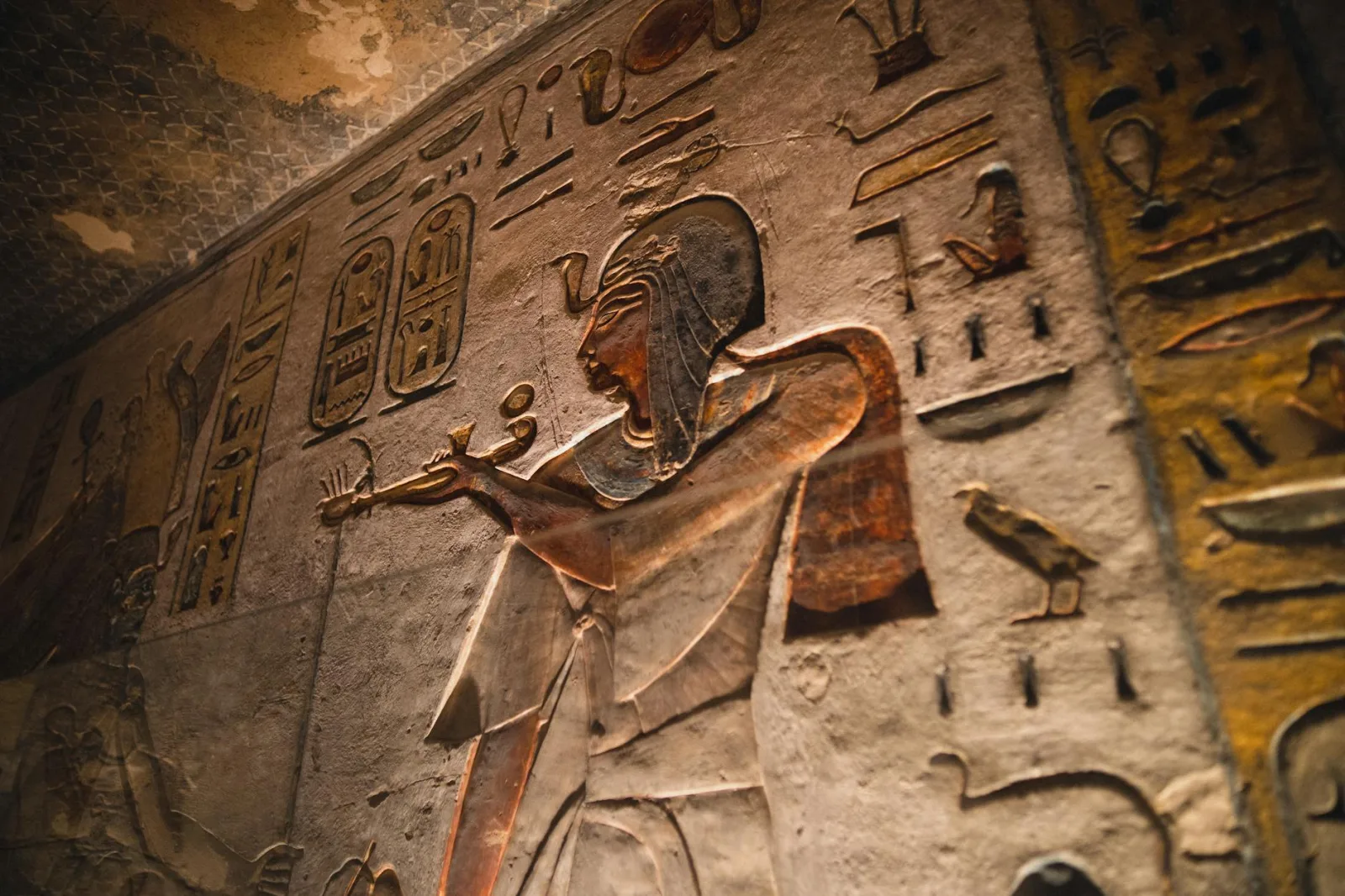
Preserving the Art of Storytelling
As globalization influences cultures worldwide, preserving the art of storytelling becomes crucial. Here are a few tips for maintaining this tradition:
- Encourage Younger Generations: Share stories with children in your family or community, instilling a sense of pride in their heritage.
- Support Local Artists: Attend performances and exhibitions that celebrate traditional folklore. This not only keeps the art form alive but also enriches your own understanding.
- Collaborate with Local Scholars: If you have the opportunity, work with local historians or folklorists to learn more about the narratives and their significance.
Conclusion
The tapestry of Egyptian folklore is woven with rich narratives that reflect the essence of local culture. Engaging with these stories offers you not just entertainment but also a deeper appreciation for the values and traditions that shape Egyptian identity. By exploring traditional stories, participating in local experiences, and preserving the art of storytelling, you contribute to keeping this vibrant culture alive. Remember, every story you hear adds another thread to the fabric of your understanding of Egypt.