




Italian Public Transport Overview
Understanding Italian public transport is crucial for first-time travelers. Italy offers a variety of options including trains, buses, trams, and ferries. Each mode has its own strengths and weaknesses, and knowing how to utilize them efficiently can enhance your travel experience significantly.
1. Types of Transportation
Italy’s public transport system is comprised of several key components:
- Trains: The backbone of long-distance travel, connecting major cities like Rome, Milan, and Florence.
- Buses: Useful for local travel and reaching areas not serviced by trains.
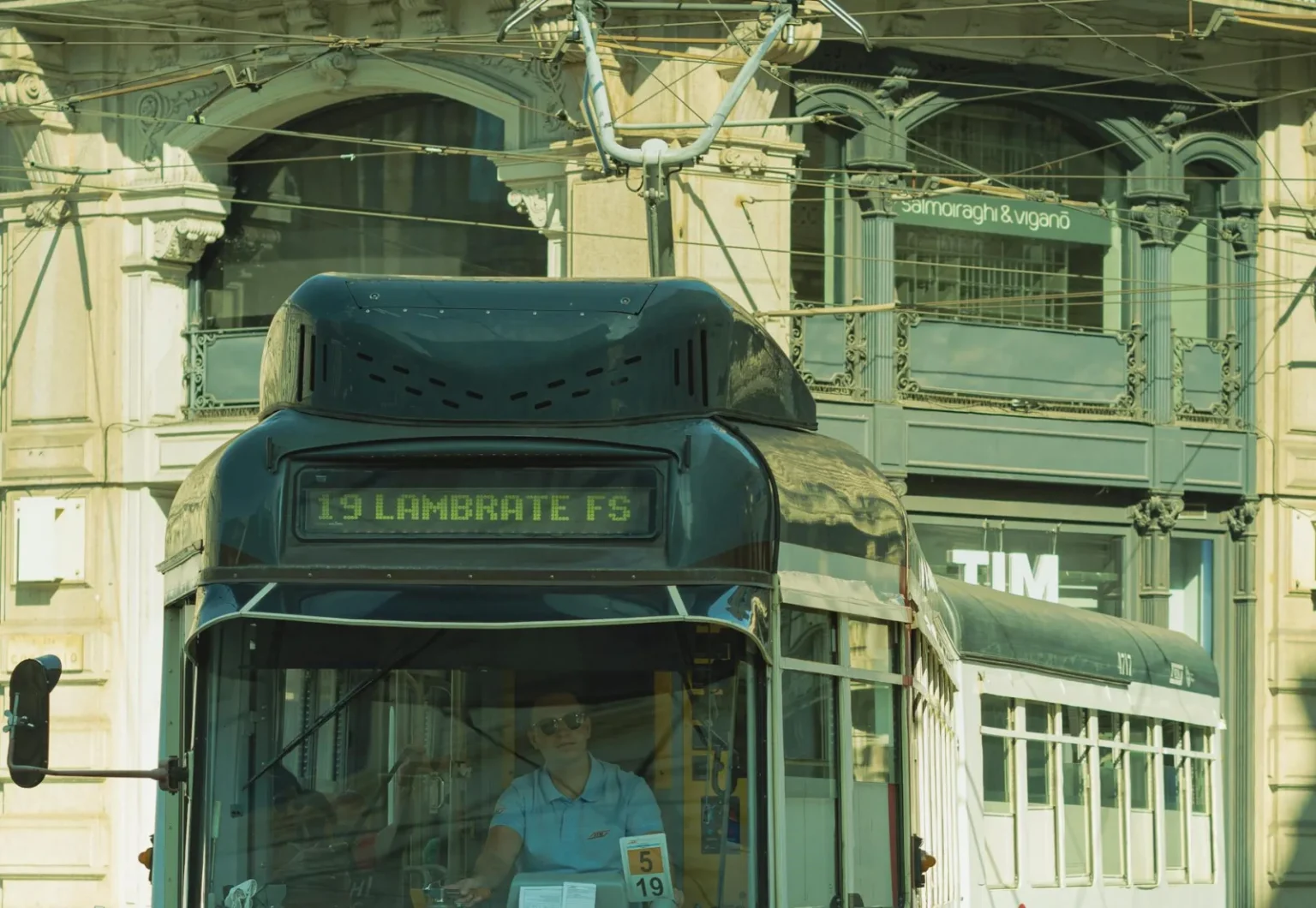
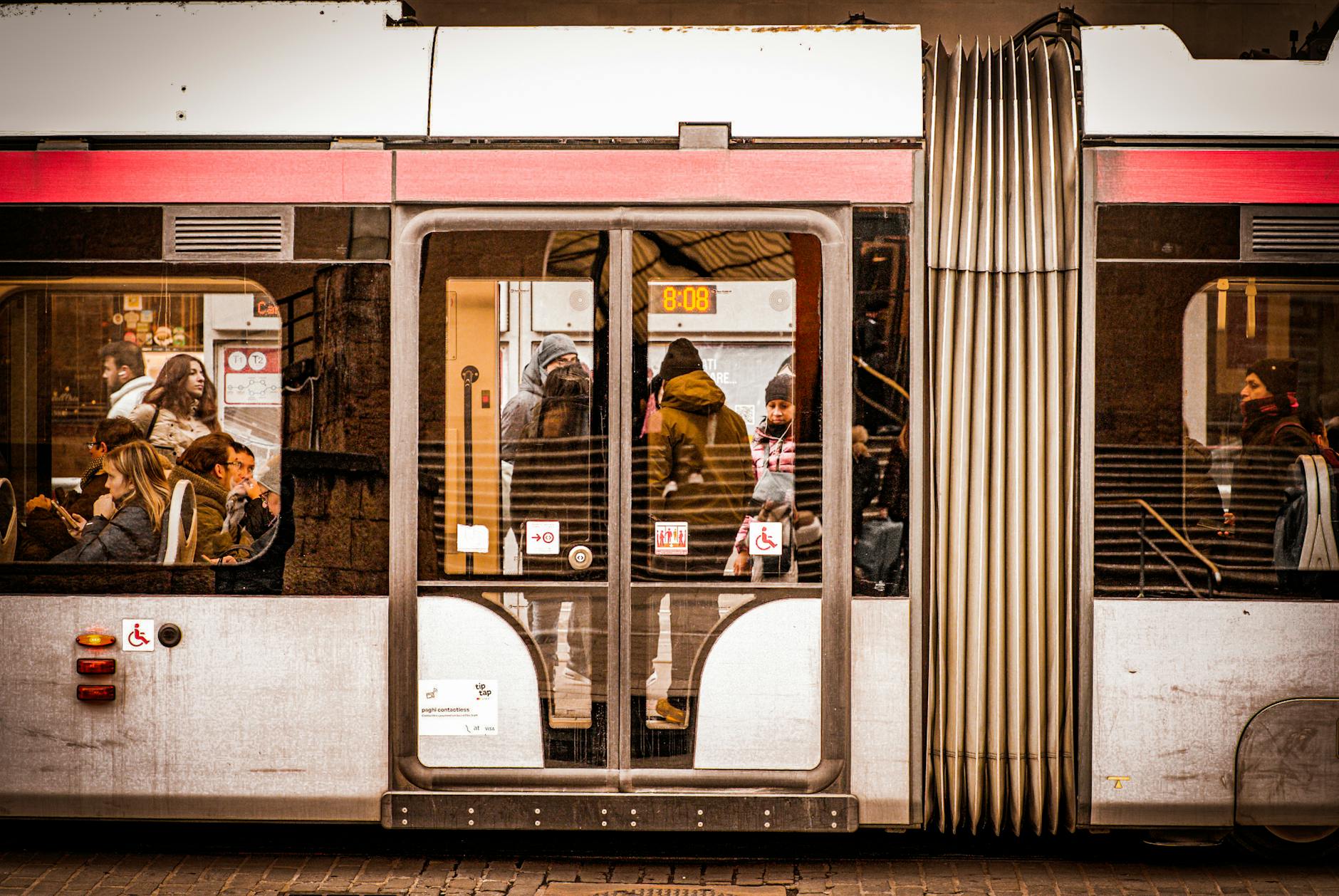
- Trams: Available in larger cities, offering a scenic way to navigate urban areas.
- Metros: Fast and efficient within major cities, ideal for avoiding traffic.
- Ferries: Essential for island travel, especially in areas like Venice and the Amalfi Coast.
2. Navigating Italy Transport
While using Italian public transport, here are some important tips:
2.1. Train Travel
Trains are often the fastest way to travel between cities. To book, consider these steps:
- Research Options: Use websites like Trenitalia or Italo for schedules and routes.
- Book in Advance: Online booking often provides discounts and secures your seat, especially during peak seasons.
- Validate Your Ticket: Before boarding, validate your ticket at the designated machines to avoid fines.
2.2. Local Buses and Trams
For shorter distances, buses and trams are your best bet:
- Check Timetables: Local transport websites or apps can provide real-time updates.
- Purchase Tickets: Buy tickets at kiosks, newsstands, or on the bus/tram (if available).
- Validate Your Ticket: Just like trains, remember to validate your ticket upon boarding.

3. Buying Tickets
Understanding how to purchase tickets can save you time and money:
3.1. Ticket Options
There are various ticket types available:
- Single tickets: Good for occasional travelers, valid for a limited time.
- Day passes: Unlimited travel for one day, ideal for tourists.
- Multi-day passes: Offer better value for longer stays.
- Integrated passes: Cover multiple transport modes in a city.
3.2. Where to Buy
You can purchase tickets from:
- Station kiosks
- Newsstands
- Online platforms
- Mobile apps
Pro tip: Always check if your ticket requires validation before use.

4. Understanding Fare Zones
Many cities operate on a fare zone system:
- Familiarize Yourself: Each zone has different rates, so understanding the layout can help you choose the right ticket.
- Zone Maps: Available at transport hubs or online, they illustrate which zones you will travel through.
- Common Mistake: Purchasing a ticket without knowing the zones can lead to unexpected fees.
5. Local Tips and Best Practices
To ensure a smooth experience, consider these additional tips:
- Be Punctual: Trains and buses often run on tight schedules; arriving early can save you from missing your transport.
- Travel Off-Peak: If possible, travel during less busy hours to avoid crowds.
- Watch Your Belongings: Like in any major city, keep an eye on your belongings, especially in crowded areas.
- Use Public Apps: Download local transport apps for real-time updates and navigation.
6. Common Challenges and Solutions
Traveling by public transport can come with its challenges:
6.1. Language Barriers
While many Italians speak English, not everyone does. Consider:
- Using translation apps to help with communication.
- Learning a few basic Italian phrases related to transport.
6.2. Strikes and Delays
Transport strikes are not uncommon in Italy:
- Stay Informed: Check news sources or local transport websites for updates.
- Have a Backup Plan: Plan alternative routes or modes of transport.
7. Summary and Key Takeaways
Understanding Italian public transport is essential for a hassle-free travel experience. Here are the key points to remember:
- Trains are ideal for long distances, while buses and trams are better for local travel.
- Always validate your tickets before use to avoid penalties.
- Research and book tickets in advance to secure the best deals.
- Be aware of fare zones when purchasing tickets to avoid unexpected costs.
With this knowledge, you are now equipped to navigate Italy’s transport system with confidence. Enjoy your travels!
FAQ
What is the best way to travel between cities in Italy?
Trains are generally the best option due to their speed and frequency. High-speed trains connect major cities efficiently.
How do I know which ticket to buy?
Your ticket choice depends on your travel frequency and destination. Single tickets are for occasional trips, while day or multi-day passes provide better value for longer stays.
Do I need to validate my train ticket?
Yes, it’s mandatory to validate your train ticket before boarding to avoid fines.
What should I do during transport strikes?
Stay updated through local news and transport websites. Always have a backup plan for alternative routes.
Are there apps to help with public transport in Italy?
Yes, many cities have dedicated transport apps that provide schedules, ticket purchasing options, and real-time updates.