






Understanding Local Customs: The Importance for Solo Travelers
When traveling solo, your experiences can be incredibly enriching, but they often depend on your ability to navigate local customs effectively. Understanding these customs not only helps you avoid misunderstandings but also allows you to connect more deeply with the culture you are immersing yourself in. By grasping the nuances of how locals behave, you can transform your trip into a more authentic and memorable experience.
1. Research Before You Go
Firstly, preparation is key. Researching the local customs of your destination can set the tone for a respectful and enlightening journey. Look into customs related to greetings, dining etiquette, and social interactions.
Important Note: Failing to research can lead to unintentional disrespect. For instance, in Japan, it is customary to bow when greeting someone, while in many Western cultures, a handshake is more common.

2. Learn Basic Local Phrases
Next, consider learning a few basic phrases in the local language. This simple act can significantly enhance your interactions with locals. Even a simple “hello” or “thank you” goes a long way in showing respect.
For example, if you’re traveling to Spain, greeting shopkeepers with “Hola” can create a friendlier atmosphere. Note that making an effort, even if your pronunciation isn’t perfect, often earns you goodwill.
3. Observe Body Language and Gestures
Body language is an integral part of communication. Different cultures have varying norms about personal space, touch, and gestures.
Warning: What may seem harmless in one culture can be offensive in another. For instance, in some Middle Eastern countries, pointing your feet at someone is considered rude, while in Western cultures, it is generally accepted.
Common Mistake: Relying solely on verbal communication can lead to misunderstandings. Always be aware of your surroundings and observe how locals interact.

4. Dining Etiquette: What You Need to Know
Dining customs can vary widely and are often deeply rooted in local traditions. Knowing how to behave at the dining table can prevent you from making faux pas.
In countries like India, using your right hand for eating is a sign of respect. In contrast, in many Asian cultures, slurping noodles is considered a compliment to the chef.
Pro Tip: Before dining out, take a moment to look up local dining etiquette. Websites such as [Cultural Immersion 101](https://triphush.com/cultural-immersion-101-authentically-experience-local-customs/) can provide valuable insights.
5. Dress Appropriately
Your choice of clothing can speak volumes about your respect for local customs. Dressing appropriately is crucial, especially in conservative cultures.
For example, in Egypt, women are often expected to dress modestly, covering their shoulders and knees, particularly when visiting religious sites. In contrast, more casual attire may be acceptable in beach towns.
Important Note: Always check the dress code requirements for specific locations, especially places of worship. Carrying a light scarf or shawl can be handy for unexpected visits to sacred sites.
6. Understand Tipping Norms
Tipping practices can vary significantly from country to country. Understanding these norms can save you from awkward situations.
In Japan, tipping can be seen as rude, while in the United States, it is often expected. Researching local tipping practices can help you navigate these cultural waters smoothly.
Warning: Failing to tip when it is customary can be perceived as disrespectful, while tipping in cultures where it is not expected can lead to confusion.
7. Engage with Locals
Finally, one of the best ways to understand local customs is to engage with locals. This can be done through various means, such as participating in community events, joining local tours, or even volunteering.
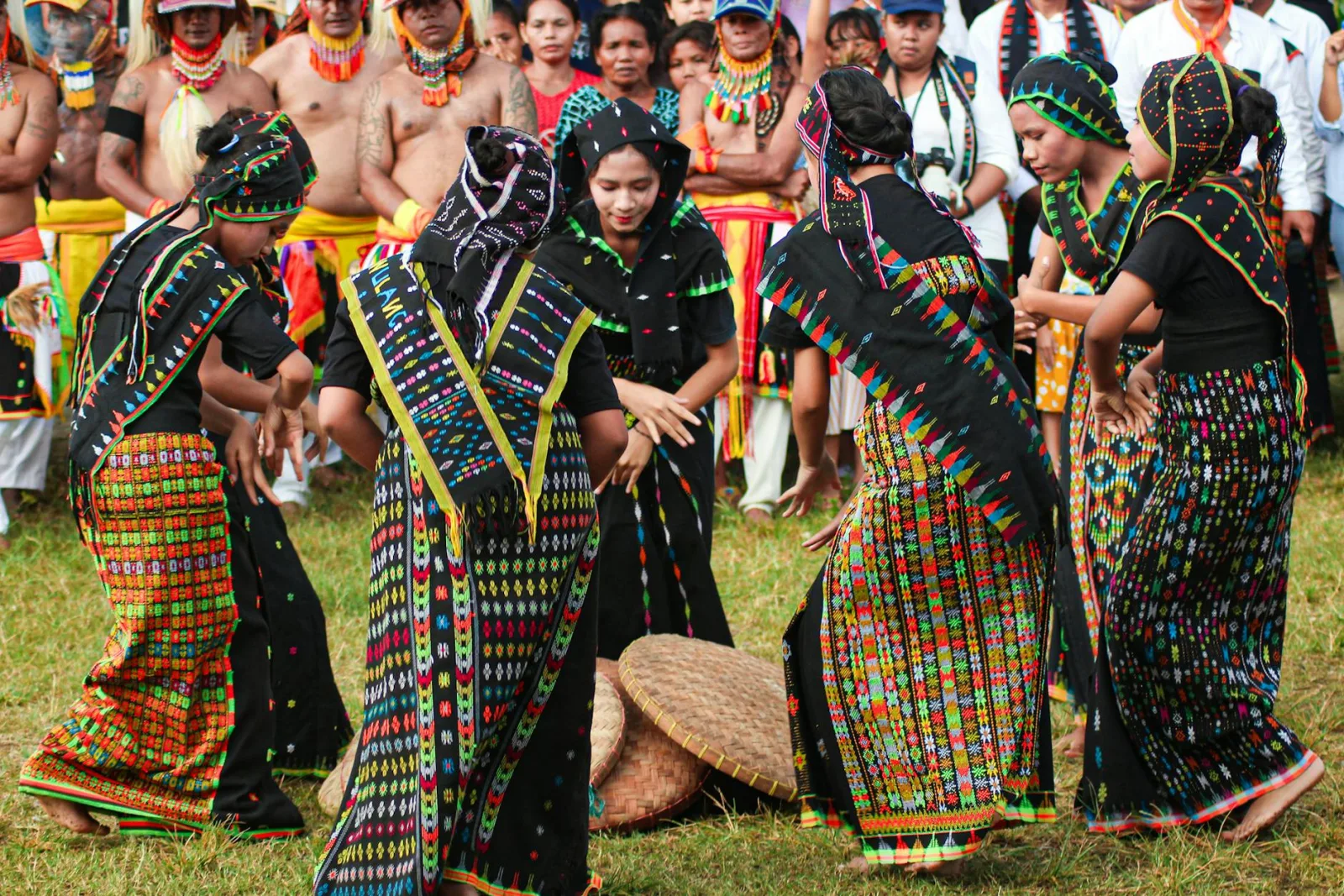
For instance, if you find yourself in a small village, attending a local festival can provide firsthand experience of customs and traditions. Not only does this enhance your cultural understanding, but it also helps build connections that can enrich your travel experience.
Conclusion: Key Takeaways
In summary, understanding local customs is essential for solo travelers looking to make the most of their journeys. Here are the key takeaways:
- Research the customs of your destination before you go.
- Learn basic phrases in the local language to enhance interactions.
- Be aware of body language and gestures to avoid misunderstandings.
- Familiarize yourself with dining etiquette to show respect.
- Dress appropriately and consider local norms.
- Understand tipping practices to navigate financial interactions smoothly.
- Engage with locals for a richer experience.
By taking these steps, you can significantly enhance your travel experience and foster genuine connections with the cultures you encounter. The journey of understanding local customs is not just about avoiding mistakes; it’s about embracing the richness of human diversity and creating lasting memories.