






Unveiling the Mysteries of Egyptian Cuisine: A Foodie’s Guide to Local Delicacies
Introduction to Egyptian Cuisine
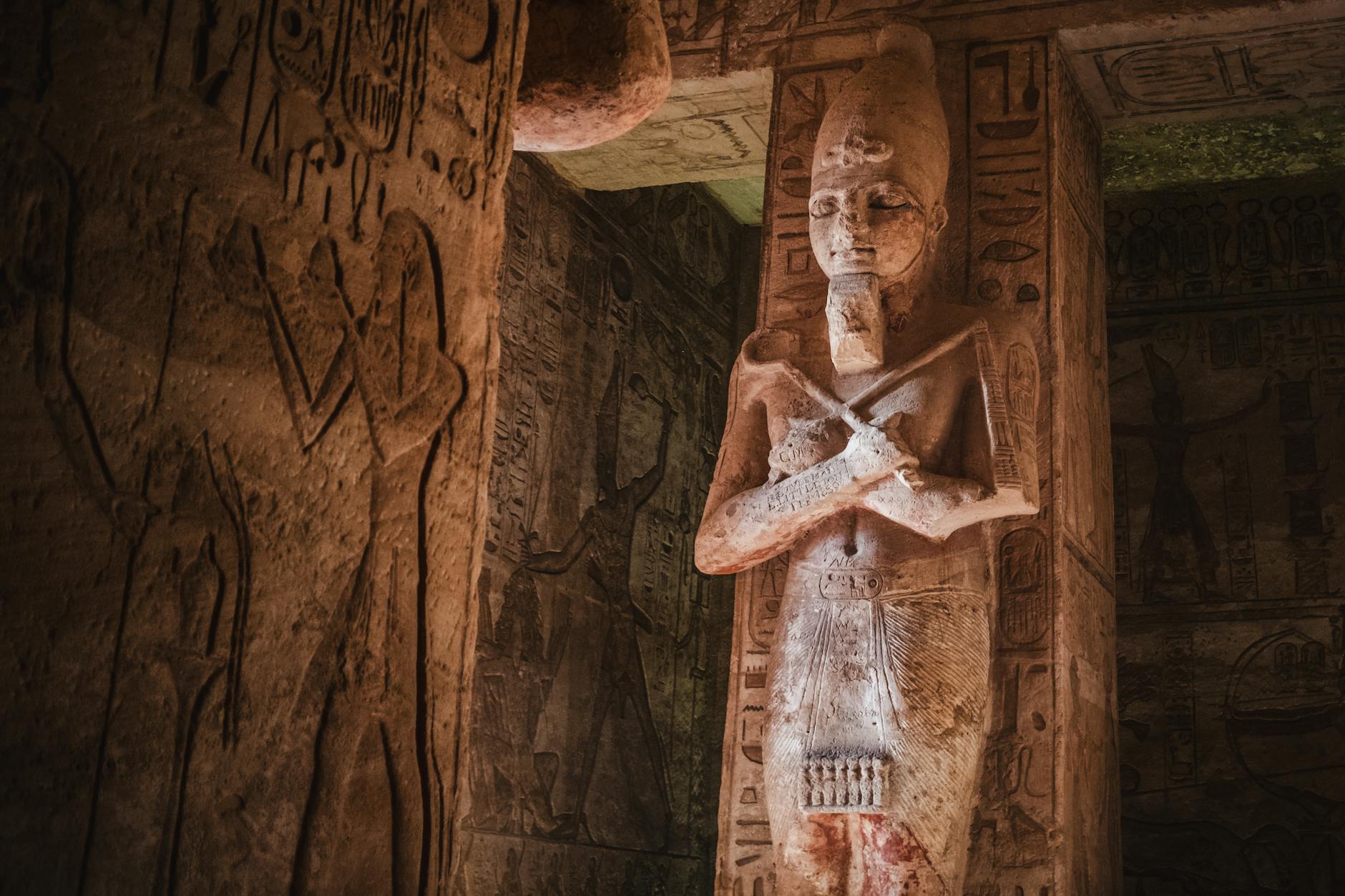
Egyptian cuisine is a vibrant tapestry woven from rich history and cultural influences. Eating in Egypt isn’t just about the food; it’s about tradition and community. Travelers often find that diving into this cuisine reveals stories of ancient civilizations and local lifestyles. The roots of Egyptian cuisine can be traced back thousands of years, with influences from the Pharaonic era, Greek and Roman empires, Arab conquests, and more recent Ottoman influences. Each of these cultures has left its mark, creating a unique culinary landscape that tells the story of Egypt itself.
- Unveiling the Mysteries of Egyptian Cuisine: A Foodie’s Guide to Local Delicacies
- Introduction to Egyptian Cuisine
- Discovering Traditional Dishes
- Cultural Significance of Egyptian Cuisine
- Street Food: A Local Experience
- The Sweet Side of Egyptian Cuisine
- Best Times to Visit and Eat
- Food Markets and Souks
- Tips for Enjoying Egyptian Cuisine
- Conclusion
- Frequently Asked Questions
Discovering Traditional Dishes
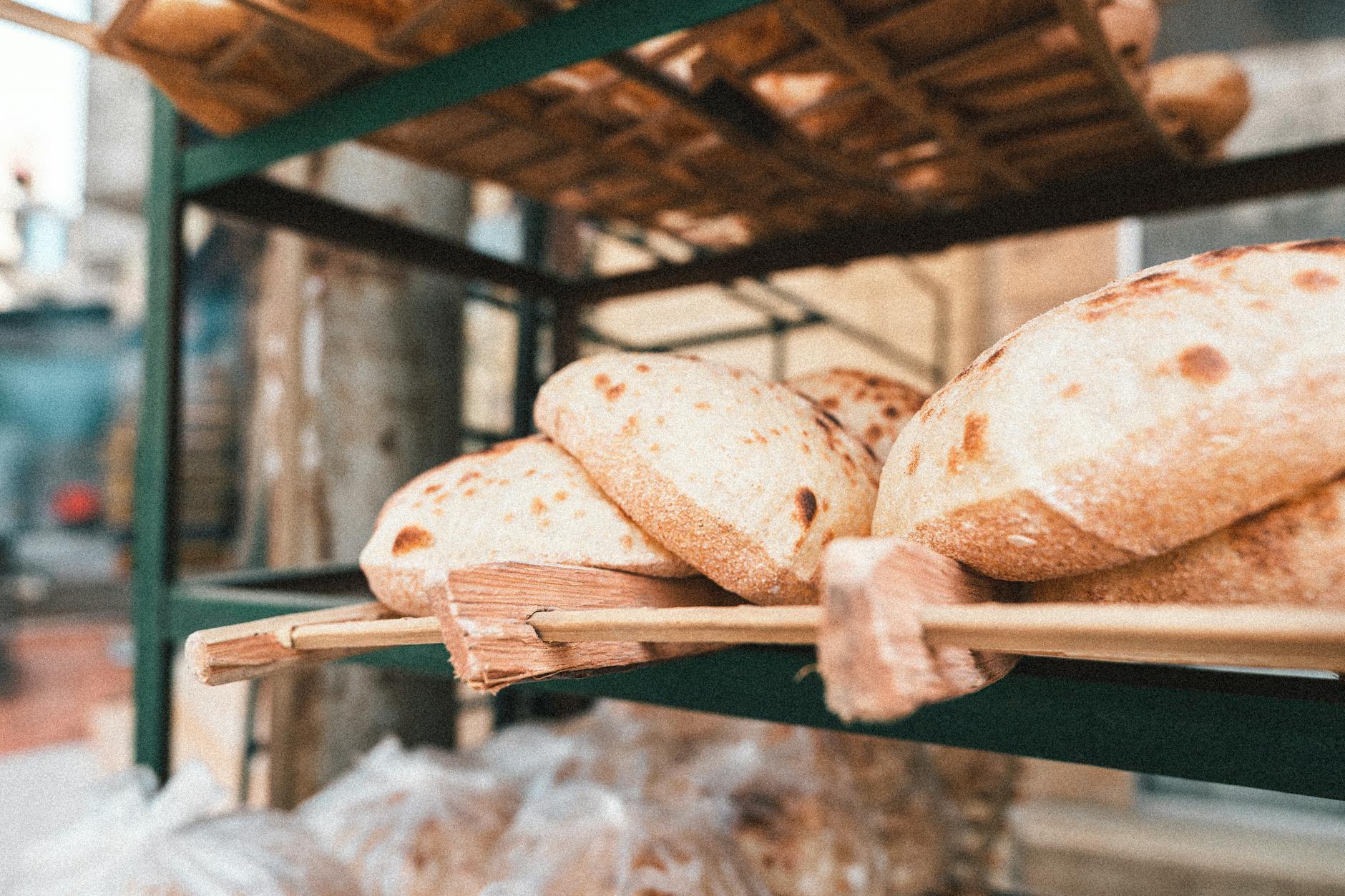
Firstly, you must try koshari. This iconic dish combines lentils, rice, and pasta topped with spicy tomato sauce, often garnished with fried onions. It’s a hearty meal typically enjoyed by locals and is considered a national dish. Additionally, ful medames, which consists of fava beans, is another must-try. Egyptians typically eat this dish for breakfast, often served with a side of fresh bread. The simplicity of these dishes belies their depth of flavor and cultural significance.
Regional Variations in Egyptian Cuisine
Egypt is vast, and its culinary offerings vary significantly from region to region. In the north, coastal cities like Alexandria are famous for their seafood dishes, such as sayadeya, a spiced fish and rice dish that reflects the Mediterranean influence. In contrast, Upper Egypt is known for hearty stews and dishes like hamam mahshi (stuffed pigeon), which showcase the agricultural richness of the Nile Valley. Each region’s unique ingredients and cooking techniques contribute to a diverse culinary scene that every traveler should explore.
Cultural Significance of Egyptian Cuisine
Moreover, Egyptian cuisine is deeply rooted in the country’s history. The flavors reflect the influences of various empires that ruled the region. This culinary heritage is a blend of Mediterranean, Middle Eastern, and African cuisines. The result is a diverse array of dishes that tell the story of millennia. Eating is a communal experience in Egypt, with meals often shared among family and friends. This tradition fosters a sense of community and connection.
Traditional Cooking Methods and Communal Meals
Cooking in Egypt often involves traditional methods such as slow cooking and the use of clay pots, which enhance the flavors of the ingredients. Family gatherings often center around large pots of stews or rice dishes, with everyone contributing to the meal preparation. These communal meals are not just about eating; they are an essential part of social life, where stories are shared, and bonds are strengthened.
Street Food: A Local Experience
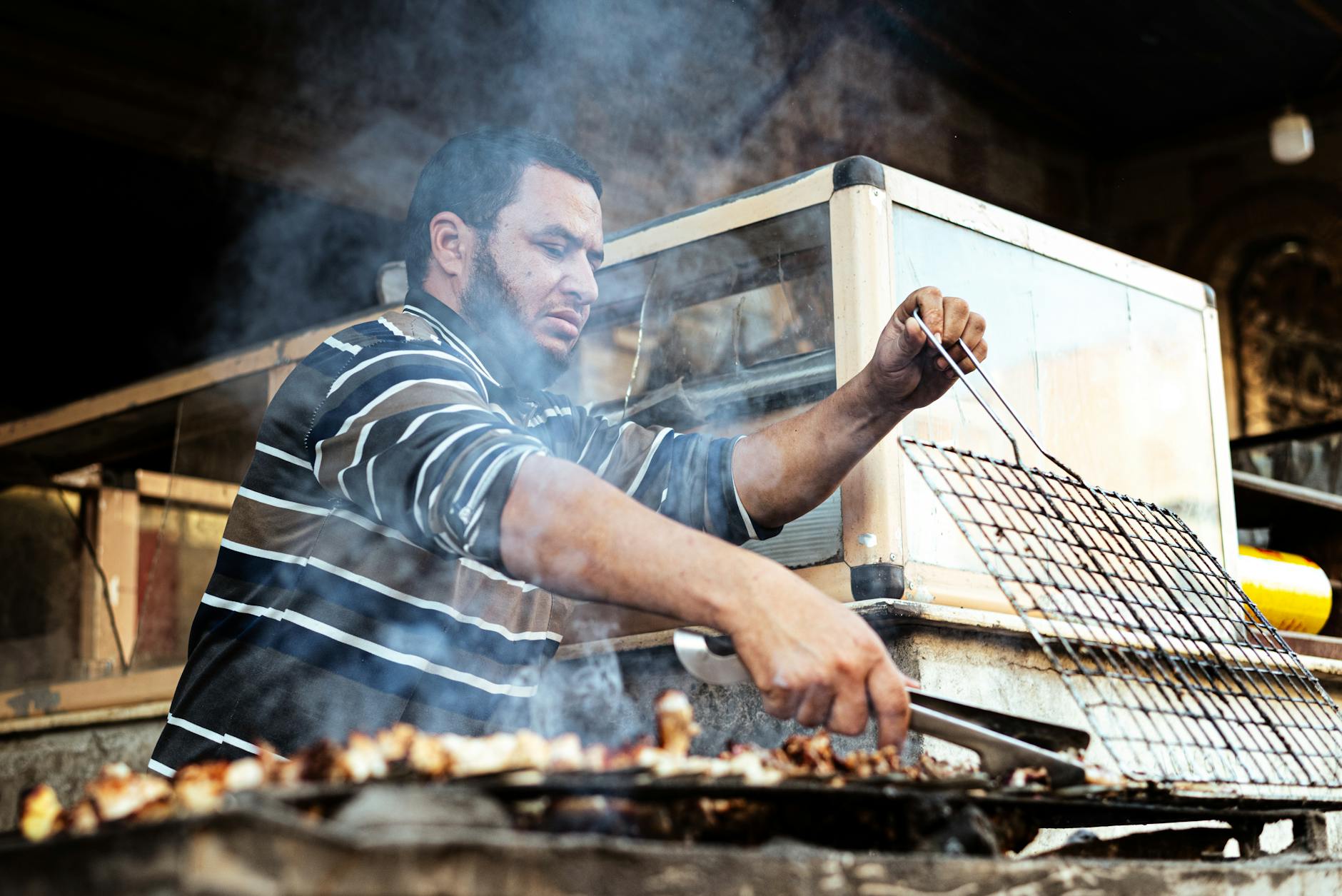
Street food is essential for anyone exploring Egyptian cuisine. Try ta’ameya, which is a delicious version of falafel made from fava beans. These green patties are typically deep-fried until crispy and served in a sandwich, often with fresh vegetables and tahini sauce. Furthermore, local vendors offer an array of grilled meats that are simply irresistible, especially when enjoyed near historic sites. The street food scene is vibrant and offers a genuine taste of everyday life in Egypt.
Practical Tips for Enjoying Street Food
When indulging in street food, it’s crucial to prioritize safety. Look for vendors who have a steady stream of local customers, as this often indicates freshness and quality. Ensure that food is cooked thoroughly and served hot. Avoid uncooked items, and consider choosing stalls that prepare food in front of you to ensure cleanliness.
The Sweet Side of Egyptian Cuisine
In addition to savory dishes, Egyptian cuisine boasts delightful sweets. For dessert, sample basbousa, a sweet semolina cake soaked in syrup. This treat is often garnished with almonds and has a texture that is both fluffy and moist. Another popular option is kunafa, a pastry filled with cheese and drenched in syrup, offering a rich and indulgent finish to any meal. These desserts showcase the rich flavors that define Egyptian culinary tradition and are often enjoyed during celebrations and festivities.
Popular Egyptian Beverages
Beverages play a significant role in Egyptian dining culture. Mint tea is a common drink, often served sweetened and enjoyed throughout the day. Karkadeh (hibiscus tea) is another popular choice, known for its vibrant color and refreshing taste. For something stronger, try araq, an anise-flavored spirit that is often enjoyed during social gatherings. These drinks complement meals and provide insight into local customs.
Best Times to Visit and Eat
Timing can enhance your dining experience in Egypt. The months from October to April are the best for travel, as the weather is pleasant, making outdoor dining more enjoyable. Moreover, visiting during Ramadan offers insight into local customs. Many restaurants serve iftar meals, which break the fast, providing a special culinary experience. During this time, you can enjoy an array of traditional dishes that are not typically available outside of Ramadan.
Food Markets and Souks
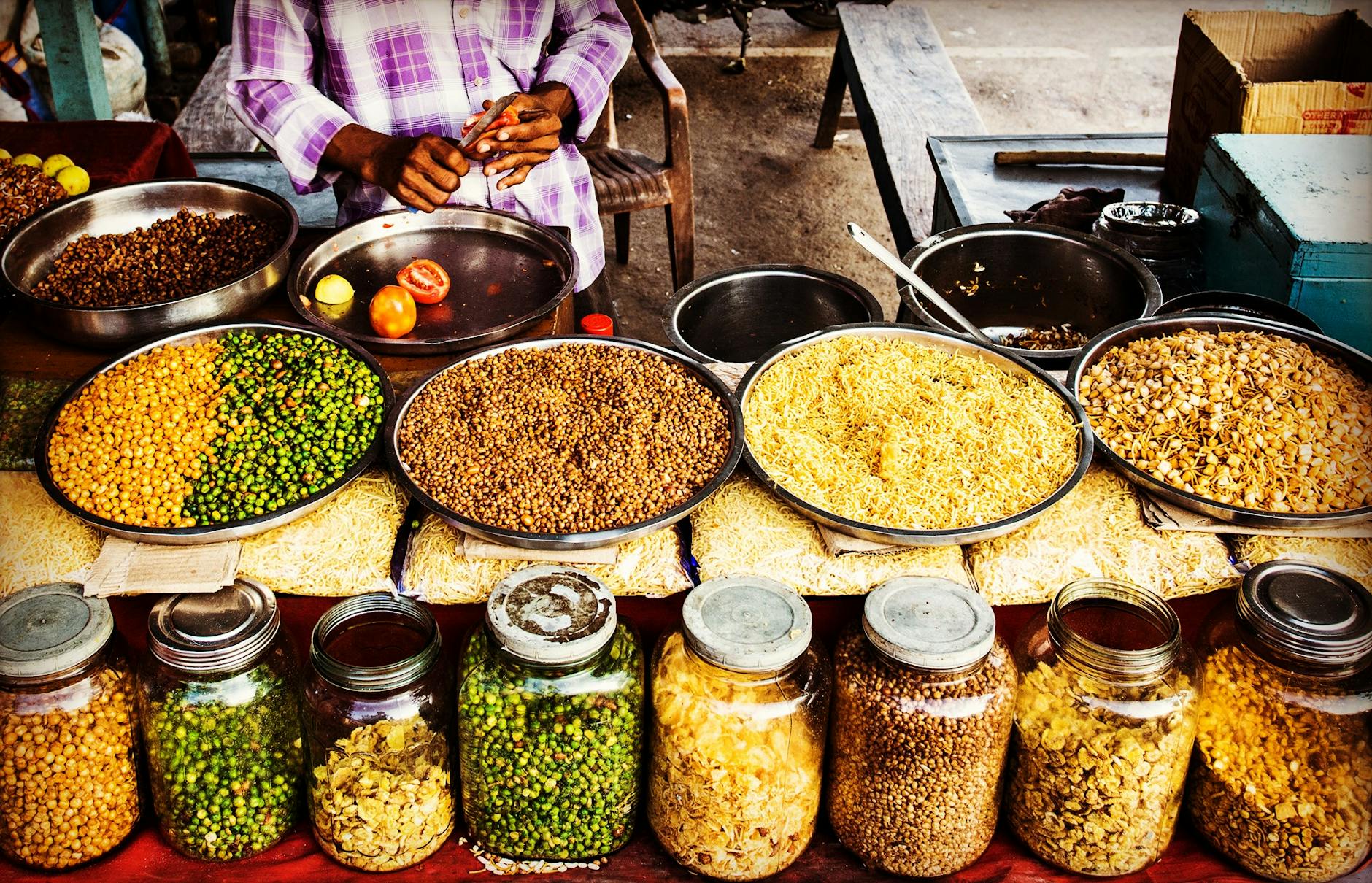
Exploring food markets and souks is a vital part of experiencing Egyptian cuisine. Markets such as Khan el-Khalili in Cairo offer a sensory overload of colors, sounds, and smells. Vendors sell everything from spices to fresh produce, and wandering through these markets provides insight into local ingredients and culinary practices. When visiting, be sure to engage with vendors, as they often share stories and tips about their products.
Tips for Navigating Egyptian Markets
When navigating markets, it’s essential to be aware of your surroundings and enjoy the experience. Haggling is common, so don’t hesitate to negotiate prices. This practice is part of the culture, and vendors often expect it. Always carry small change, and be prepared to walk away if a price doesn’t meet your expectations.
Tips for Enjoying Egyptian Cuisine
When exploring Egyptian cuisine, go where the locals eat. Ask residents for recommendations to find authentic dishes. Additionally, don’t hesitate to try street food, as it often captures the essence of Egypt’s culinary spirit. Therefore, always keep an open mind and adventurous palate. Engaging with locals not only enhances your culinary experience but also allows you to understand the cultural context behind the food.
Conclusion
In conclusion, Egyptian cuisine is a feast for the senses. Each dish tells a story of the land’s rich history and traditions. Therefore, indulging in local delicacies is an essential part of any visit to Egypt. Embrace the flavors, engage with the culture, and savor every bite. Whether you’re enjoying a meal in a bustling restaurant, sampling street food, or exploring a vibrant market, the culinary experiences in Egypt are bound to leave a lasting impression.
Frequently Asked Questions
What are the must-try dishes in Egyptian cuisine?
Some of the must-try dishes include koshari, ful medames, ta’ameya, and hamam mahshi. Each dish offers a unique taste of Egyptian culture.
Is it safe to eat street food in Egypt?
Yes, street food can be safe to eat if you choose reputable vendors. Look for busy stalls with local customers and ensure that food is cooked thoroughly.
What are common beverages served with meals in Egypt?
Common beverages include mint tea, karkadeh (hibiscus tea), and araq (anise-flavored spirit), which enhance the dining experience.
When is the best time to visit Egypt for food?
The best time to visit for food experiences is from October to April, and during Ramadan for unique culinary offerings.