





Understanding Mindful Photography
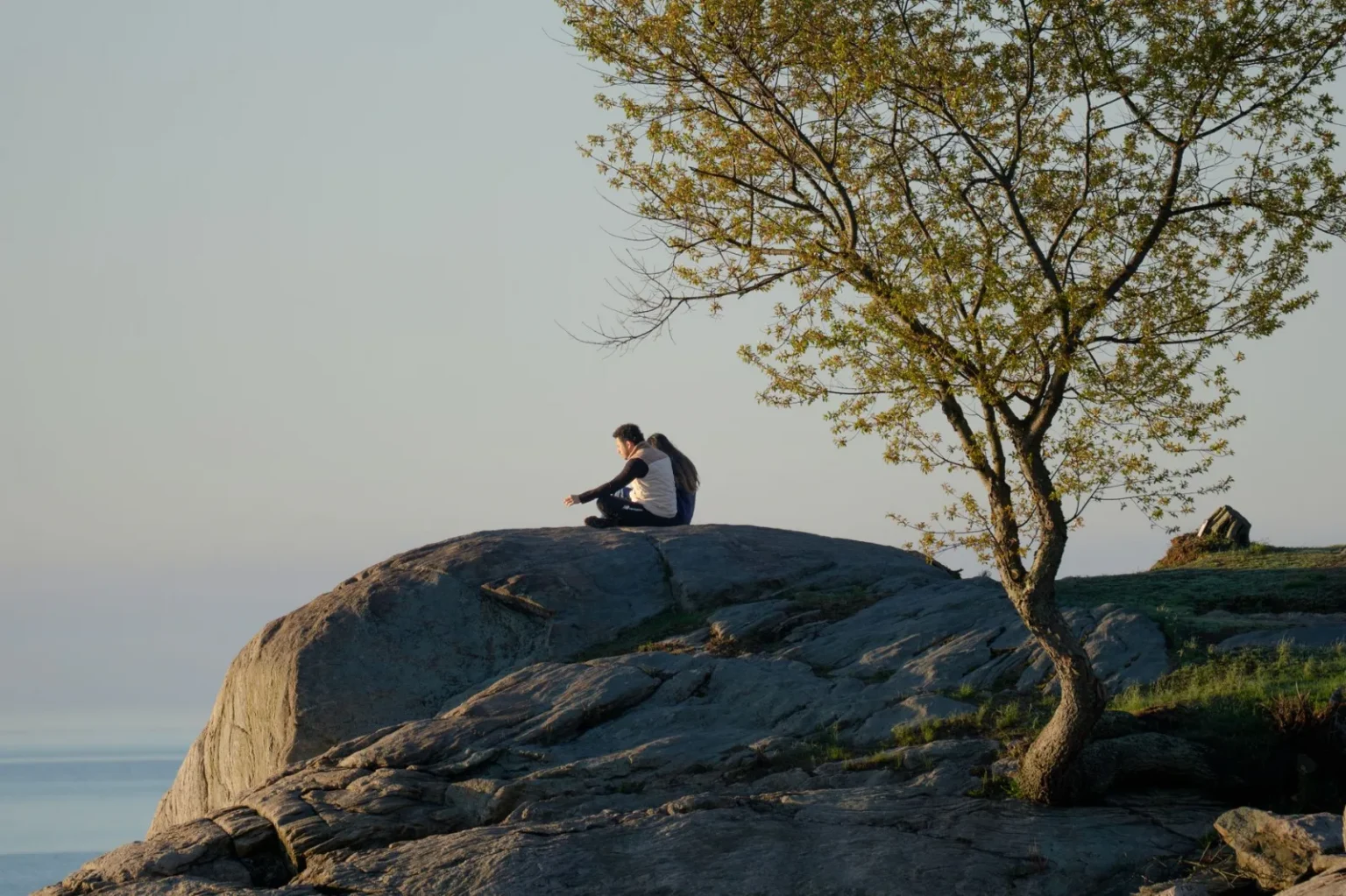
Mindful photography is more than just snapping pictures; it’s about engaging deeply with your surroundings. This practice encourages you to fully immerse yourself in the moment, enhancing both your photography skills and your appreciation for nature. By focusing your attention on the sights, sounds, and feelings around you, you can capture images that resonate on a personal level. To begin, you might want to select a location that inspires calmness and beauty, setting the stage for a mindful photographic experience.
- Understanding Mindful Photography
- Choosing Your Weekend Getaway Destination
- Planning Your Itinerary
- Essential Mindful Photography Tips
- Equipment Considerations for Mindful Photography
- Post-Processing for Mindful Photography
- Sharing Your Work Mindfully
- Conclusion: Key Takeaways for Your Next Mindful Photography Getaway
Choosing Your Weekend Getaway Destination
When selecting a destination for your weekend getaway, consider locations that offer diverse natural settings and minimal distractions. Here are a few suggestions:
- National Parks: These areas often provide stunning landscapes and a wealth of wildlife, perfect for nature photography. For instance, Yosemite National Park is renowned for its granite cliffs and waterfalls.
- Coastal Retreats: Beaches or coastal cliffs can offer unique opportunities to capture the interplay of light and water. An example is Big Sur, where you can photograph dramatic sunsets and ocean waves.
- Mountain Escapes: The tranquility of the mountains can inspire mindfulness. Consider the Blue Ridge Mountains for their breathtaking views and vibrant colors.
Planning Your Itinerary
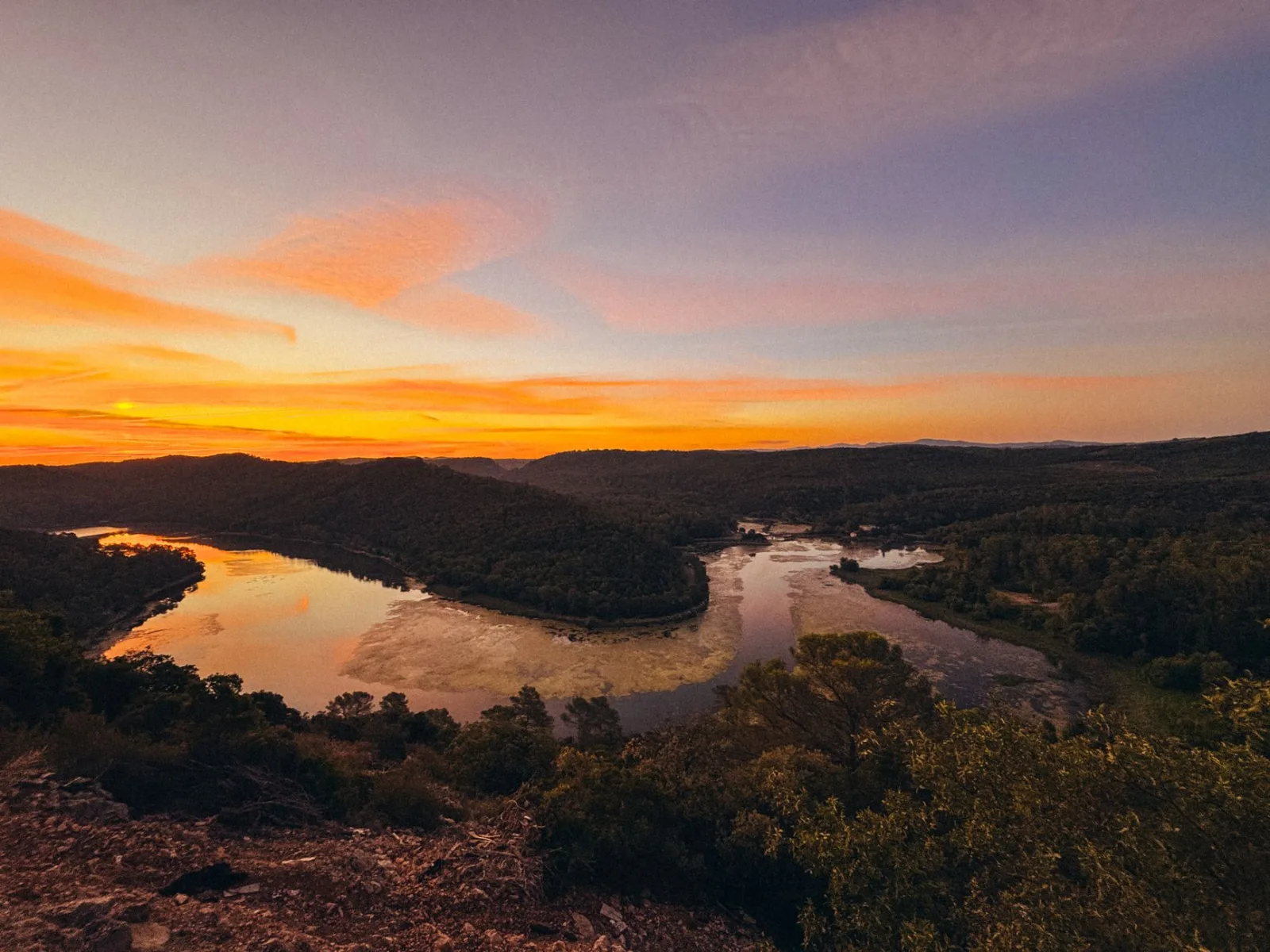
A well-structured itinerary can help you maximize your time while allowing for flexibility. Start by identifying key locations you want to photograph. For a two-day trip, consider the following:
- Day 1: Arrive early to explore your first location. Spend time observing the landscape and finding the best angles.
- Day 2: Dedicate your day to capturing different lighting conditions. Early morning and late afternoon often provide the best natural light for photography.
Important note: Allow for spontaneous stops along the way. Sometimes the best shots come from unexpected places!
Essential Mindful Photography Tips
To enhance your mindful photography experience, keep these tips in mind:
- Slow Down: Take your time to observe your surroundings. Notice the details — the texture of bark, the movement of water, or the play of light through leaves. This can lead to more meaningful compositions.
- Focus on Composition: Utilize the rule of thirds to create balanced images. Position key elements along the gridlines to draw the viewer’s eye naturally.
- Engage Your Senses: Pay attention to the sounds of nature, the smell of the earth, and the feel of the wind. This sensory engagement will deepen your connection to the moment, which can be reflected in your photographs.
Equipment Considerations for Mindful Photography
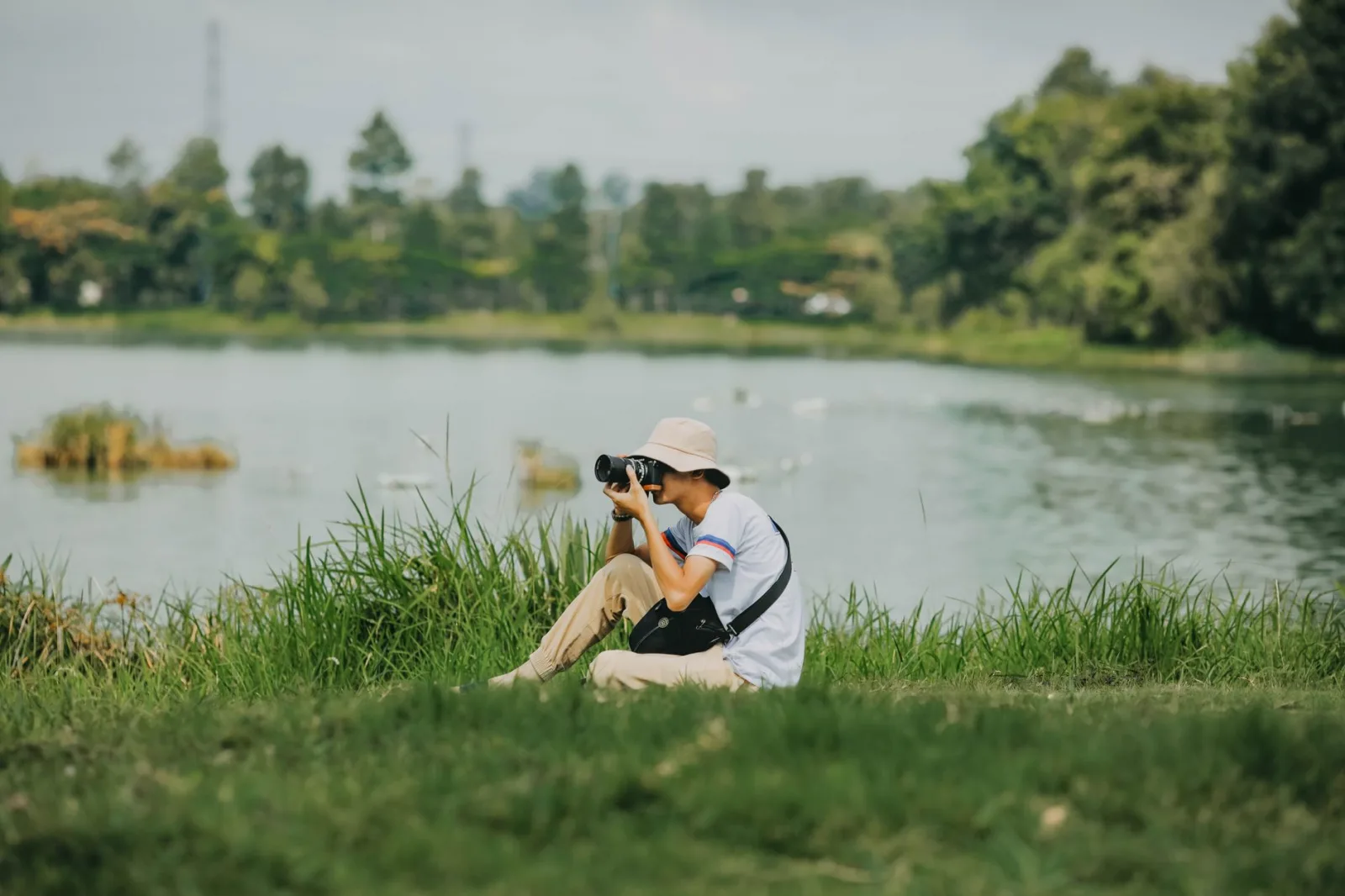
While you can capture beautiful images with almost any camera, having the right equipment can enhance your experience. Here’s what to consider:
- Camera: A DSLR or mirrorless camera provides greater control over settings, allowing you to experiment with different exposures and depths of field.
- Lenses: A versatile zoom lens can be beneficial, but a prime lens often encourages you to be more deliberate with your composition.
- Tripod: For stability, especially in low light conditions, a tripod can help you capture sharper images.
Warning: Avoid overpacking. Bring only what you need to maintain a sense of freedom and reduce distractions.
Post-Processing for Mindful Photography
Editing your photos can be an extension of your mindful practice. When you post-process, approach it with intention. Here’s how:
- Choose a Simple Editing Software: Programs like Adobe Lightroom or even mobile apps like Snapseed can help you make necessary adjustments easily.
- Focus on Enhancements: Rather than making drastic changes, aim to enhance what you saw. Adjust exposure, contrast, and color balance to reflect the scene’s natural beauty.
- Reflect on Your Experience: As you edit, think about what you felt while taking the photos. This reflection can deepen your connection to the images.
Sharing Your Work Mindfully
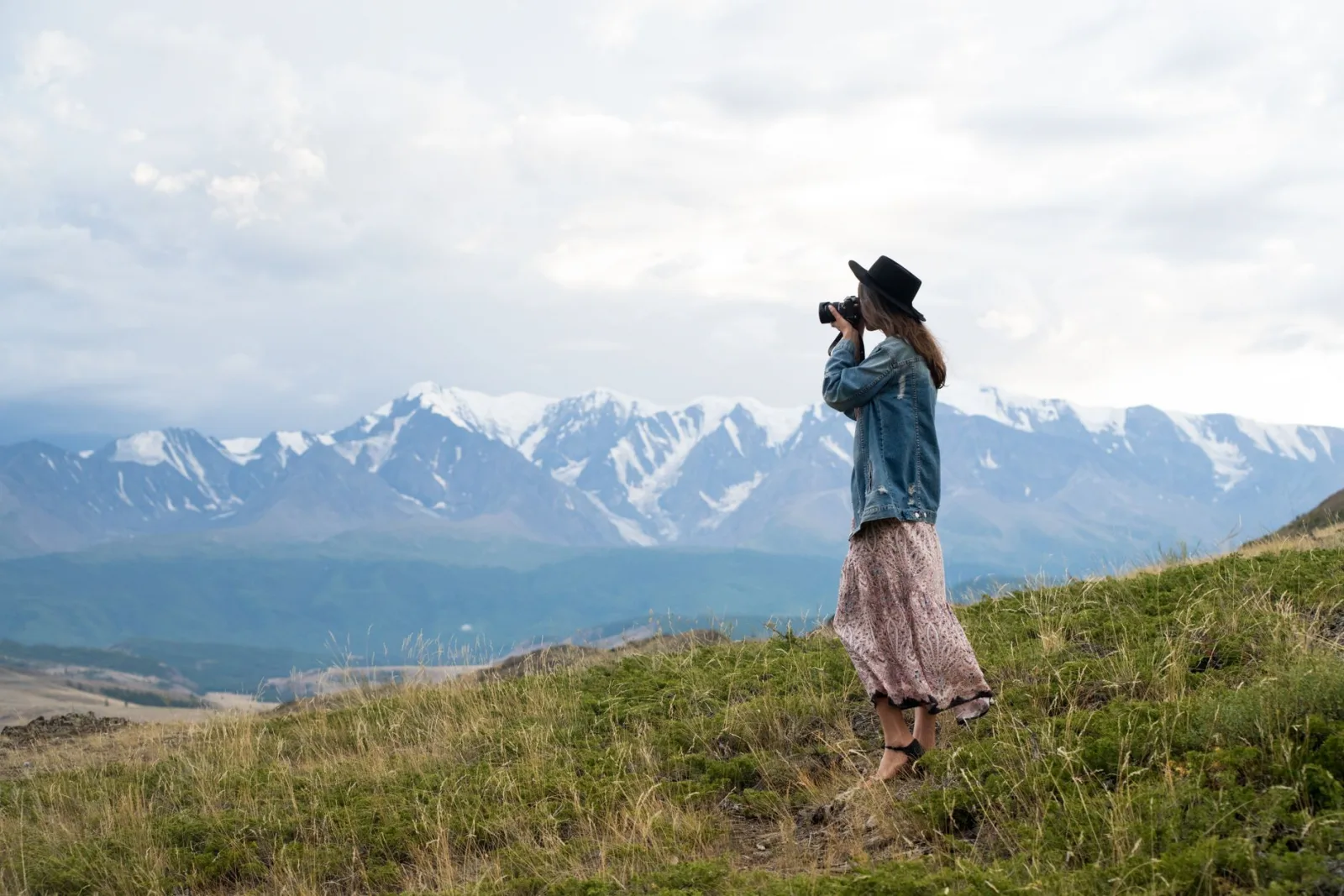
Once you have your photos, consider how you want to share them. Mindful sharing can be as important as the photography itself. Here are some ideas:
- Social Media: Share your photos with thoughtful captions that reflect your experience and the emotions behind the images.
- Photo Books: Compile your favorite shots into a photo book, allowing you to tell a story about your journey.
- Exhibitions: If you’re inclined, consider hosting a small exhibition or sharing your work with local galleries.
Common mistake: Many photographers rush to share online without reflecting on the experience. Take time to connect with your work before sharing it with the world.
Conclusion: Key Takeaways for Your Next Mindful Photography Getaway
Weekend getaways for mindful photography can significantly enhance your connection to nature and improve your skills. Remember to choose a location that resonates with you, plan your itinerary thoughtfully, and engage deeply with your surroundings. Use the tips provided to capture the serenity of nature while remaining present in the moment. As you prepare for your next adventure, consider exploring other weekend getaways that might inspire you, such as hidden eco-resorts or artistic retreats. Embrace the journey, and let your photography reflect the tranquility you find in nature.