





Understanding Nature Photography
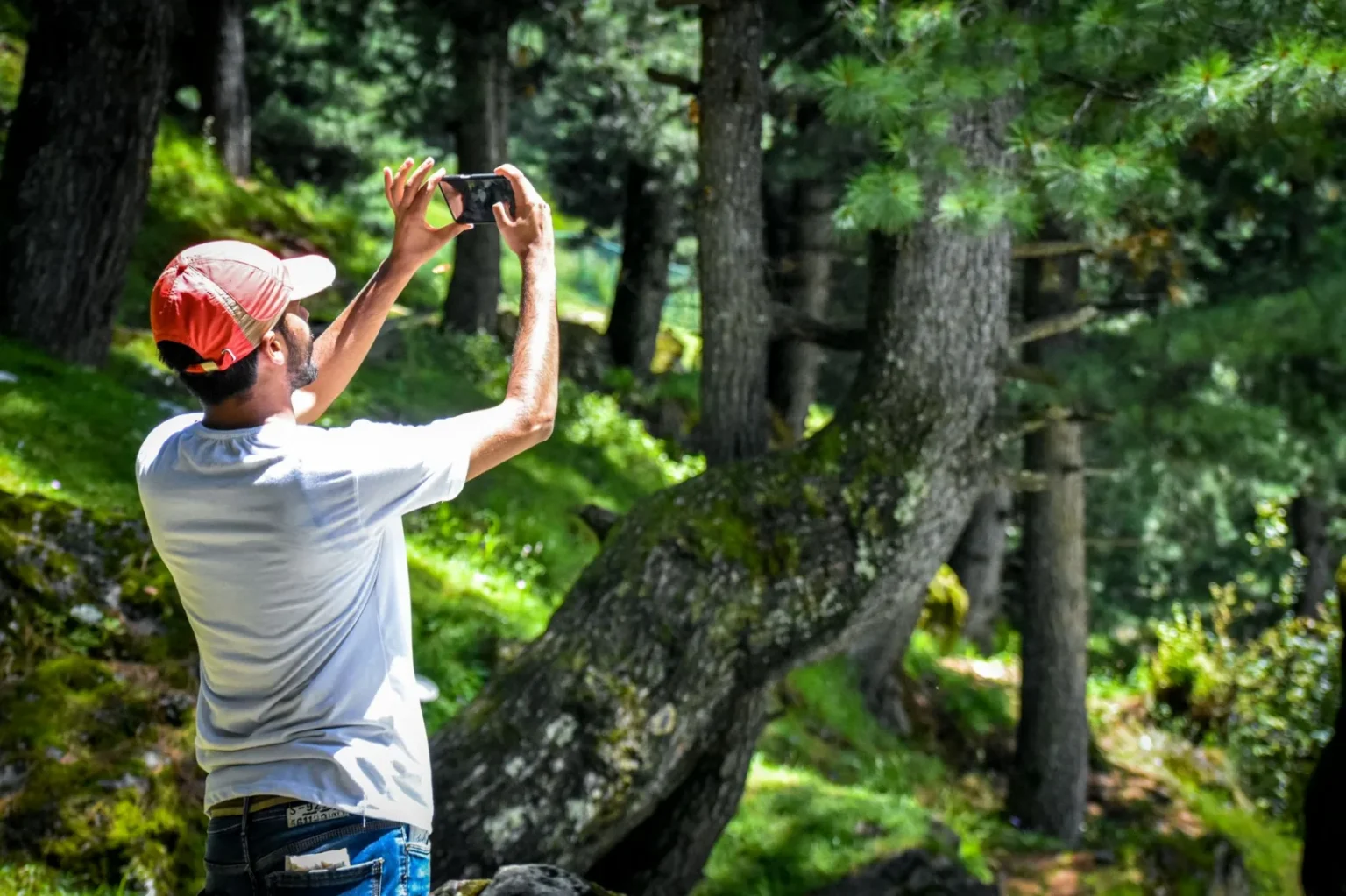
Nature photography encompasses capturing images of the natural world, focusing on landscapes, wildlife, and plants. This art form requires a keen eye for detail and an understanding of your environment. You’ll want to convey the beauty of the outdoors while telling a story through your photographs. The next step is to realize that different environments can yield diverse photographic opportunities. For example, coastal areas offer dramatic seascapes, while forests provide intricate details of flora and fauna.
- Understanding Nature Photography
- Choosing the Right Weekend Getaway
- Essential Gear for Nature Photography
- Planning Your Photography Sessions
- Techniques for Capturing Stunning Nature Photos
- Post-Processing for Nature Photography
- Where to Go for the Best Nature Photography Weekend Getaways
- Final Thoughts and Key Takeaways
Choosing the Right Weekend Getaway
When selecting a weekend getaway for nature photography, consider these factors:
- Location: Look for destinations known for their natural beauty. National parks like Yellowstone or local nature reserves can be ideal.
- Accessibility: Ensure the location is reachable within a few hours so you can maximize your time capturing images.
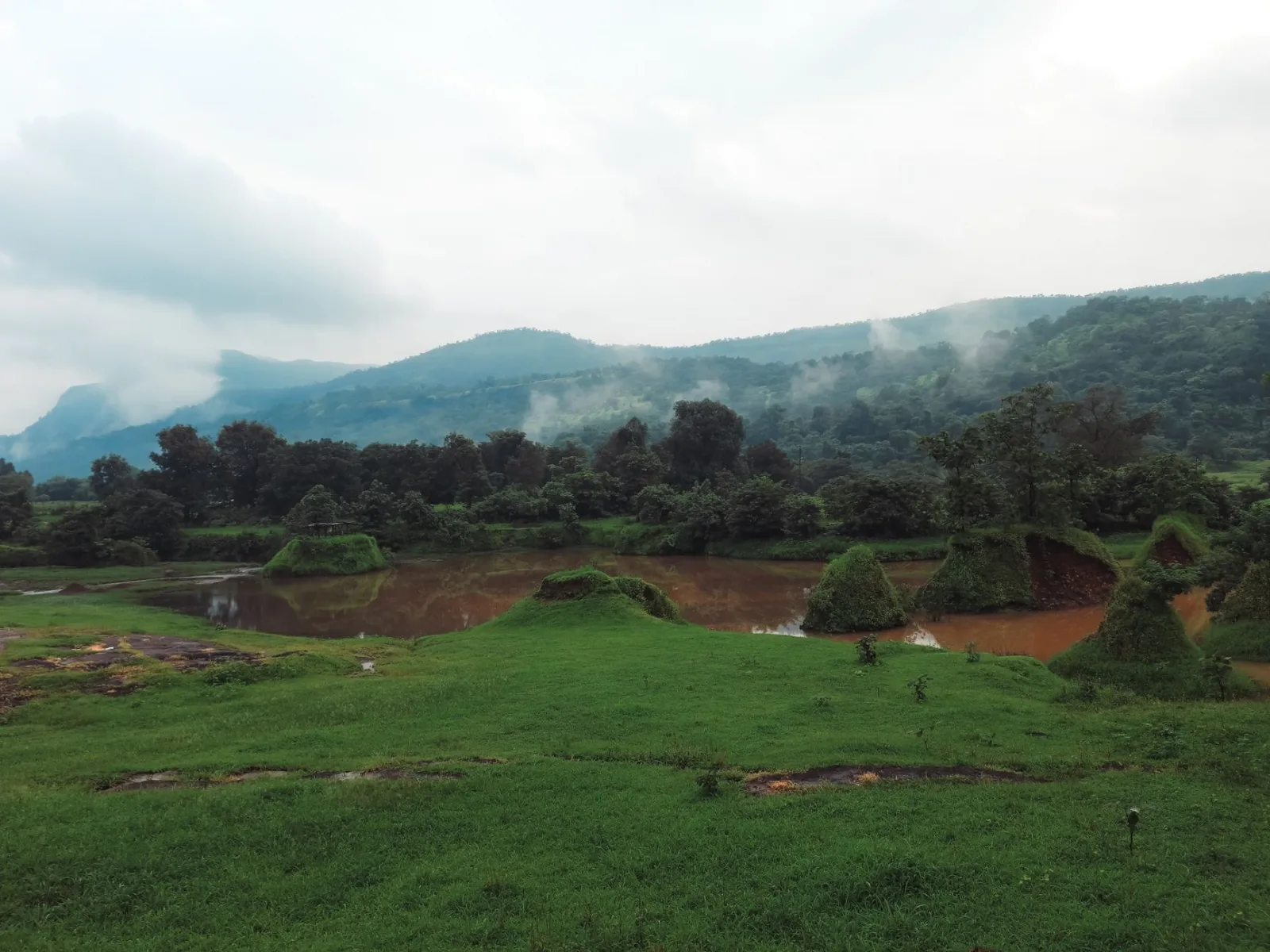
- Season: Different seasons offer unique photographic opportunities. For example, autumn provides vibrant foliage, whereas spring showcases blooming flowers.
Pro tip: Research the area beforehand to identify specific spots that are renowned for their photographic potential. Websites, social media platforms like Instagram, and photography forums can provide inspiration.
Essential Gear for Nature Photography
Your photography gear can significantly impact the quality of your images. Here’s a checklist of essentials:
- Camera: A DSLR or mirrorless camera is preferable, as they offer better quality and control compared to smartphone cameras.
- Lenses: Consider bringing a variety of lenses. A wide-angle lens is great for landscapes, while a telephoto lens will help you capture wildlife from a distance.
- Tripod: Stability is essential for sharp images, especially in low-light conditions.
- Filters: Polarizing filters can reduce glare and enhance colors, while neutral density filters allow for longer exposure times.
Important note: Ensure your gear is suitable for the conditions you expect to face. Waterproof bags or cases can protect your equipment during unexpected weather.
Planning Your Photography Sessions
The timing of your photography sessions can greatly affect the results. Here are some strategies for successful planning:
- Golden Hour: The hour after sunrise and before sunset provides the best light for photography, creating softer shadows and warmer colors.
- Scout Locations: Arrive early to explore your surroundings. This allows you to identify the best vantage points and compositions.
- Weather Considerations: Pay attention to weather forecasts. Cloudy days can be ideal for capturing details, while sunny days may be better for landscapes.
Common mistake: Many photographers overlook the importance of light. Remember, the quality of natural light can make or break your photographs.
Techniques for Capturing Stunning Nature Photos
Once you’re on-site, employ these techniques to enhance your nature photography:
- Rule of Thirds: Imagine dividing your frame into a 3×3 grid. Place points of interest along these lines or their intersections to create a more balanced composition.
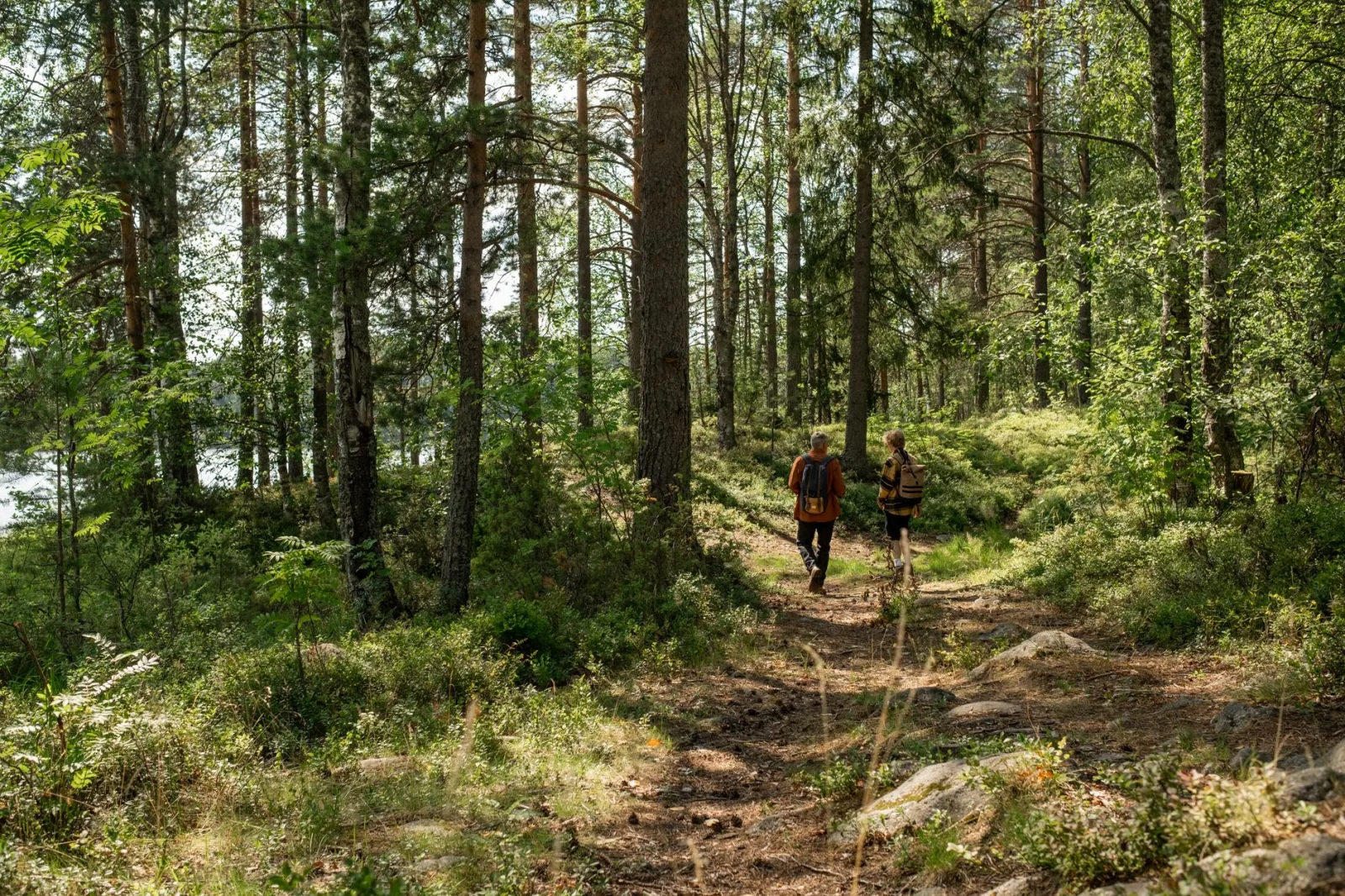
- Leading Lines: Use natural lines, such as rivers or paths, to guide the viewer’s eye toward the focal point of your photograph.
- Depth of Field: Utilize a shallow depth of field to blur the background, emphasizing your subject. This technique is particularly effective in wildlife photography.
Additionally, experiment with different angles. Shooting from a low angle can provide a unique perspective that adds drama to your images.
Post-Processing for Nature Photography
After capturing your images, post-processing can enhance their visual appeal. Here are some steps to consider:
- Editing Software: Programs like Adobe Lightroom and Photoshop allow you to adjust exposure, contrast, and color balance.
- Cropping: Refine your composition by cropping out distractions or emphasizing your subject.
- Filters and Presets: Use filters to create a specific mood or style. Many photographers develop their own presets to maintain consistency across their work.
Warning: Avoid over-editing, which can lead to unnatural-looking images. Strive to enhance, not alter, the essence of the scene.
Where to Go for the Best Nature Photography Weekend Getaways
Here are some recommended destinations that cater to nature photographers:
- Great Smoky Mountains National Park: Famous for its mist-covered mountains and diverse wildlife, this park offers countless trails and viewpoints.
- Yosemite National Park: With iconic sites like El Capitan and Half Dome, Yosemite is a paradise for landscape photographers.
- Acadia National Park: Located in Maine, Acadia features stunning coastal views and vibrant fall foliage.
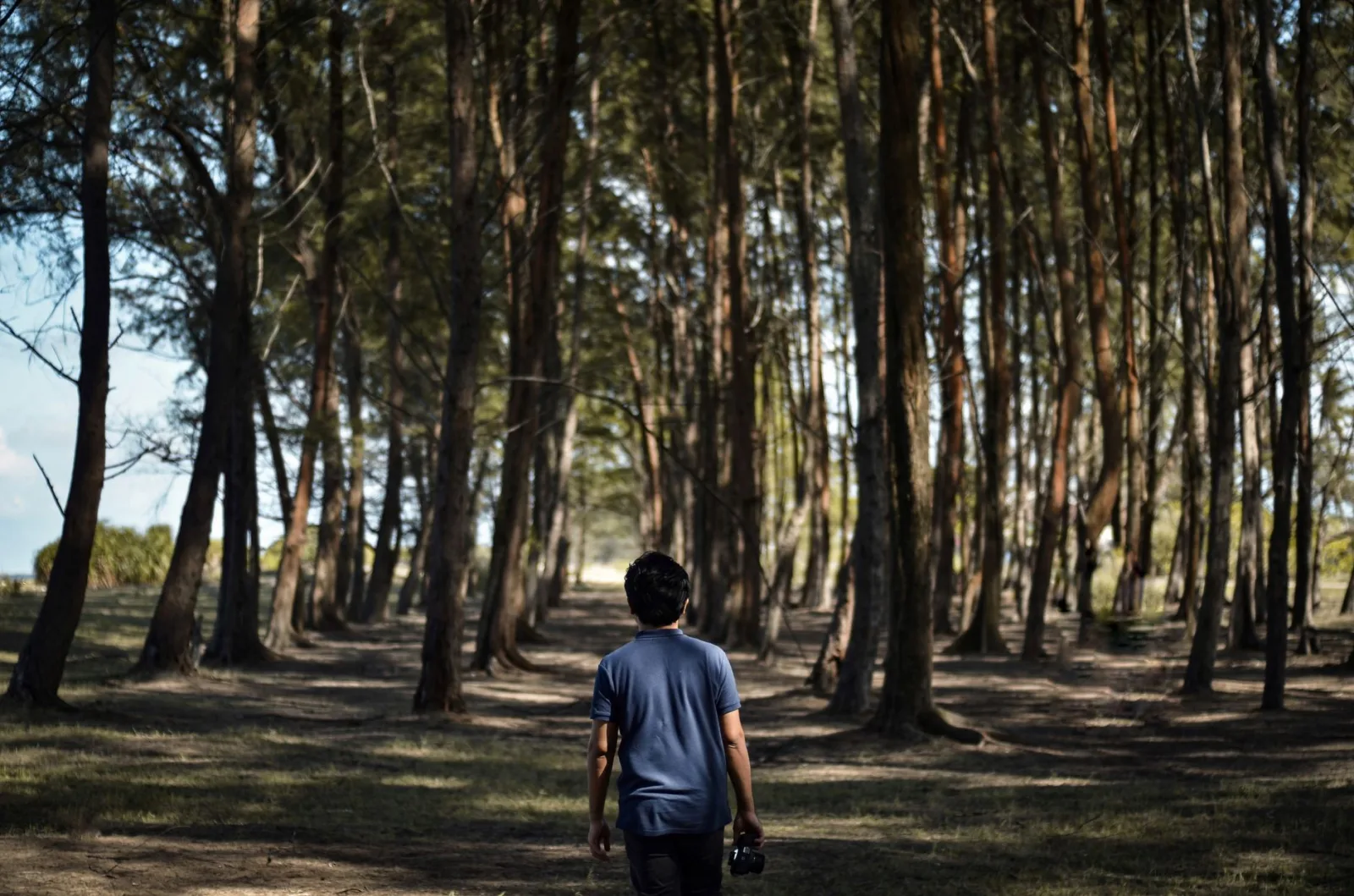
Additionally, consider visiting local parks and reserves near your home. They can provide unexpected opportunities and reduce travel time, allowing you to spend more time photographing.
Final Thoughts and Key Takeaways
Embarking on a weekend getaway for nature photography can be a fulfilling experience that enhances both your skills and your appreciation for the environment. Remember these key takeaways:
- Plan your getaway with location, accessibility, and seasonality in mind.
- Invest in quality gear and understand how to use it effectively.
- Pay attention to lighting and composition for stunning images.
- Enhance your photos thoughtfully during post-processing.
By applying these principles, you can capture the beauty of the great outdoors while enjoying the adventure of nature photography. So grab your gear, choose a destination, and start creating memories through your lens!