





Understanding Sustainable Food
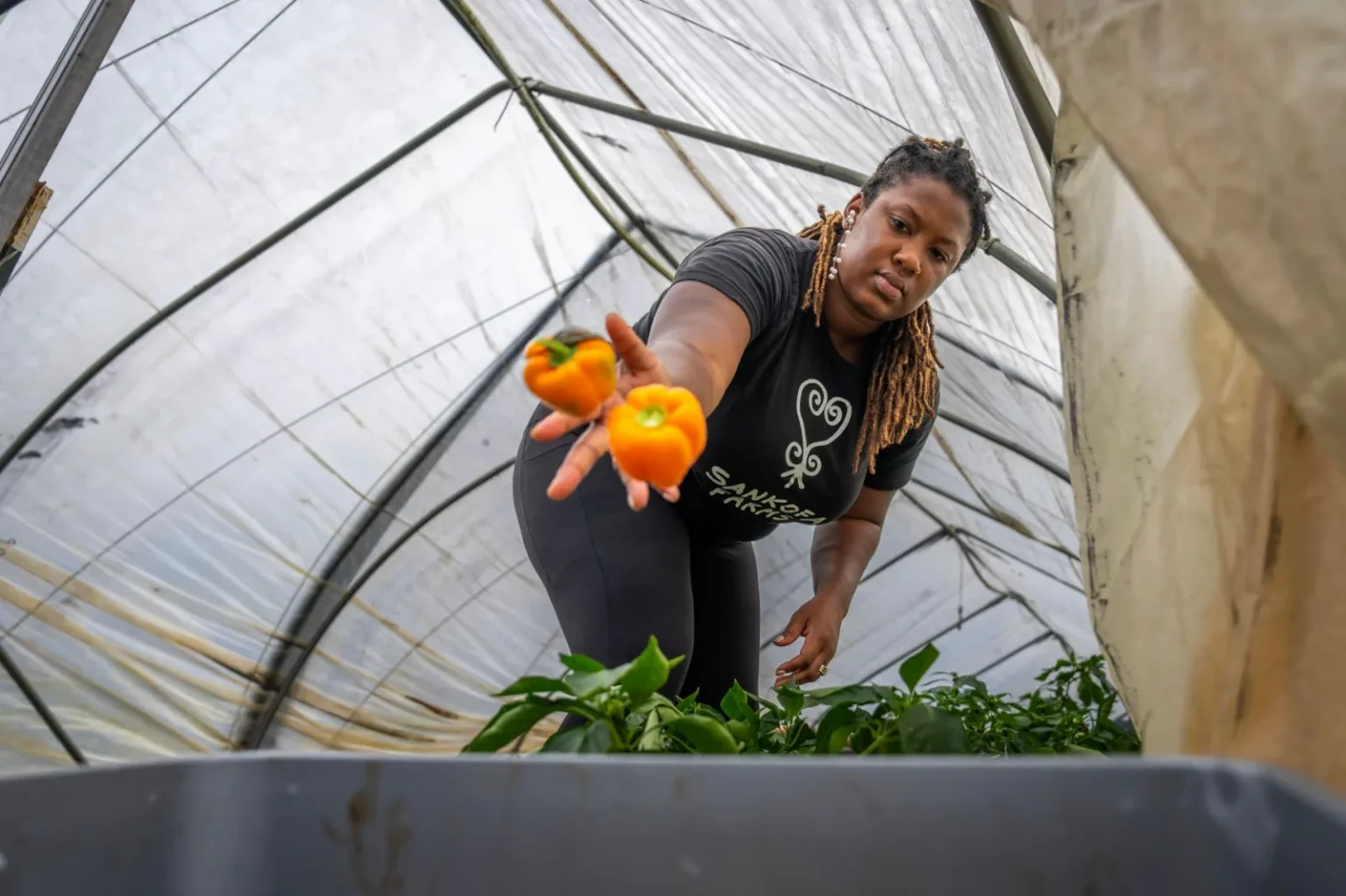
Sustainable food refers to food that is produced and consumed in a way that is environmentally friendly, socially responsible, and economically viable. It emphasizes local sourcing, minimal processing, and ethical farming practices. This approach not only supports local farmers but also reduces the carbon footprint associated with long-distance food transport. As a sustainable foodie, you can enjoy delicious meals while supporting the environment.
Embracing Farm-to-Table Experiences
Farm-to-table is a specific movement within the sustainable food paradigm. It connects consumers directly with local farmers and producers, ensuring food is fresh and in season. When you choose farm-to-table dining options during your weekend getaways, you’re not just enjoying a meal; you’re participating in a community-driven effort that celebrates local agriculture. The next step is to understand how you can incorporate these experiences into your travel plans.
Planning Your Weekend Getaway
To get started, here are practical steps to plan a weekend getaway focused on sustainable food:
- Research Destinations: Look for areas known for their farm-to-table dining. Regions like the Hudson Valley in New York or Napa Valley in California are renowned for their commitment to local food.
- Check Local Events: Many towns host farmers’ markets or food festivals. Check local calendars for events that coincide with your visit.
- Book Accommodations Wisely: Choose hotels or bed-and-breakfasts that prioritize local food sourcing. Some even have their own gardens or partnerships with nearby farms.
- Create a Dining Itinerary: Identify restaurants that embrace the farm-to-table ethos. Look for menus that change seasonally based on local availability.
- Engage with Local Farmers: Some farms offer tours or workshops. Participating in these activities can deepen your understanding of sustainable practices.
Top Weekend Getaway Destinations for Sustainable Foodies
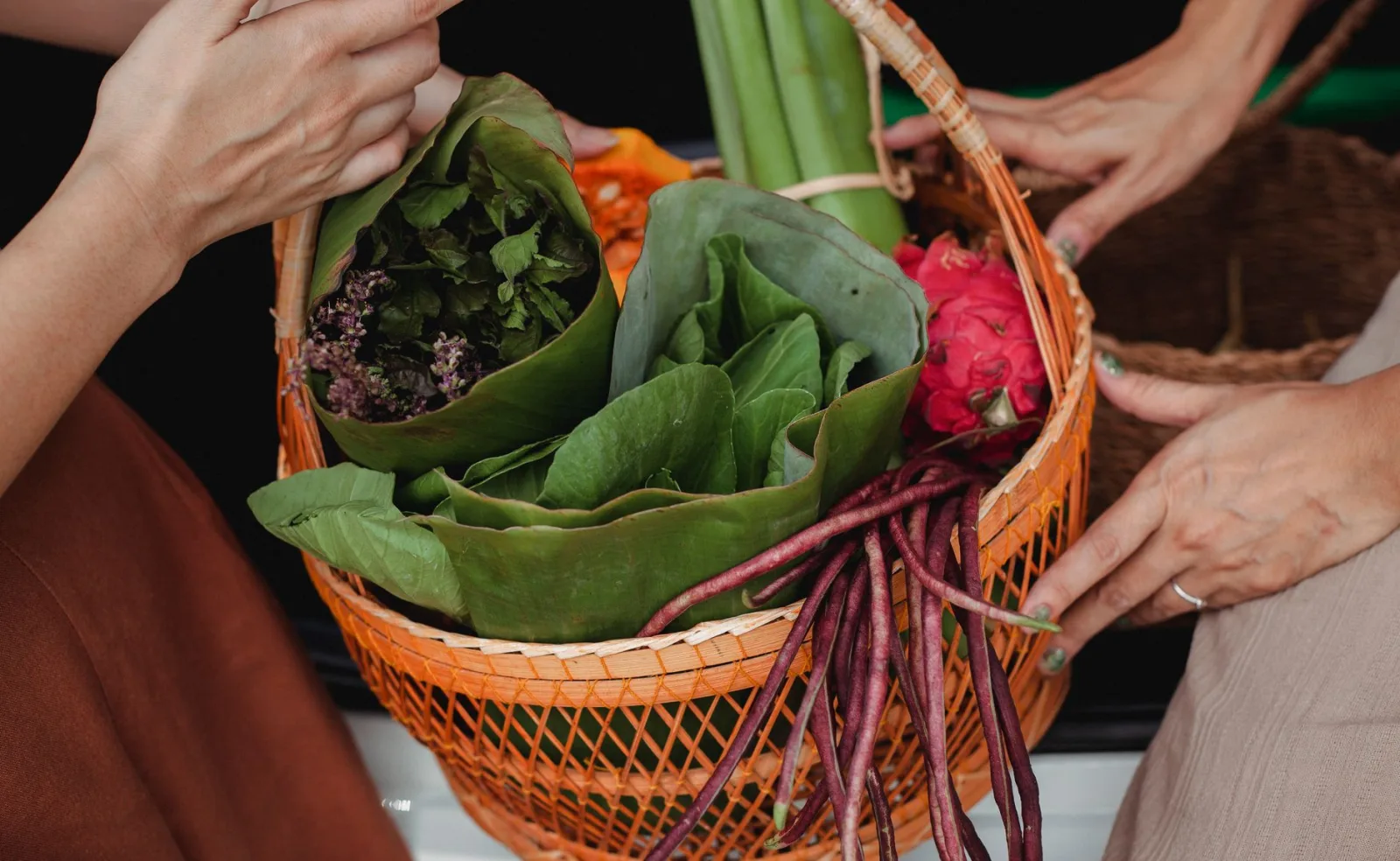
Here are some notable destinations that cater to sustainable food enthusiasts:
1. Asheville, North Carolina
Asheville is a culinary haven set against a backdrop of stunning mountains. The city is known for its vibrant food scene, featuring numerous farm-to-table restaurants and breweries. You can visit local farms and enjoy fresh produce, meats, and artisanal cheeses. Pro tip: Don’t miss the Asheville City Market, where you can meet local farmers and sample their goods.
2. Portland, Oregon
Portland is synonymous with sustainable food culture. The city boasts an array of food trucks that often source ingredients from local farms. You can also explore the Portland Farmers Market, which is one of the largest in the country. Warning: Be prepared for long lines at popular food trucks, especially on weekends.

3. Santa Fe, New Mexico
Santa Fe offers a unique blend of traditional and modern culinary experiences. The city’s restaurants often use locally sourced ingredients, including organic produce from nearby farms. Additionally, you can explore the Santa Fe Farmers Market for fresh vegetables and local specialties. Important note: The market operates primarily on Saturdays, so plan your visit accordingly.
4. Napa Valley, California
Napa Valley is not just about wine; it also offers exceptional dining experiences focused on local food. Many wineries have restaurants that prioritize seasonal ingredients. You can also take part in vineyard tours that include tastings of farm-fresh cuisine. Common mistake: Underestimating the need for reservations, especially at popular dining spots.
5. Hudson Valley, New York
The Hudson Valley is home to numerous farms and artisanal producers. This region is perfect for a weekend getaway filled with farm visits and culinary delights. The Stone Barns Center for Food and Agriculture is an excellent place to learn about sustainable farming practices. Additionally, many local restaurants feature seasonal menus showcasing Hudson Valley ingredients.

Engaging with Culinary Travel
Culinary travel is a growing trend that focuses on exploring food as a central theme of the travel experience. As a sustainable foodie, you have the opportunity to not only enjoy meals but also learn about the cultural significance behind them. This can involve cooking classes, food tours, or even volunteering on farms. By immersing yourself in the local food culture, you can appreciate the connection between the land and the plate.
Tips for a Successful Sustainable Food Weekend
Here are some additional tips to enhance your sustainable food getaway:
- Support Local Businesses: From restaurants to shops, prioritize small, local businesses over large chains. This helps keep money within the community.
- Ask Questions: When dining, inquire about where the ingredients come from. Many restaurants are proud of their sourcing practices and will be happy to share.
- Document Your Journey: Take notes or photos of your culinary experiences. This can inspire future trips and help you remember which places you loved.
- Be Flexible: Seasonal availability can change. Be open to trying dishes you might not have considered before.
Potential Challenges and How to Overcome Them
While planning a sustainable food getaway can be rewarding, there may be challenges. One common issue is the limited availability of farm-to-table options in certain areas. To tackle this, do thorough research ahead of time to identify restaurants and farms committed to sustainability. Additionally, some regions may have a higher cost of dining due to the quality of ingredients. Budget accordingly and consider exploring less expensive options, such as local markets where you can create your own meals.
Summary and Key Takeaways
Your weekend getaway can be a meaningful experience that combines travel with sustainable food practices. By choosing destinations that prioritize farm-to-table dining and engaging with local farmers, you can enjoy delicious meals while supporting communities and the environment. Remember to plan ahead, be open-minded, and immerse yourself in the local food culture. These steps will ensure that your culinary travel experience is not only enjoyable but also impactful.