




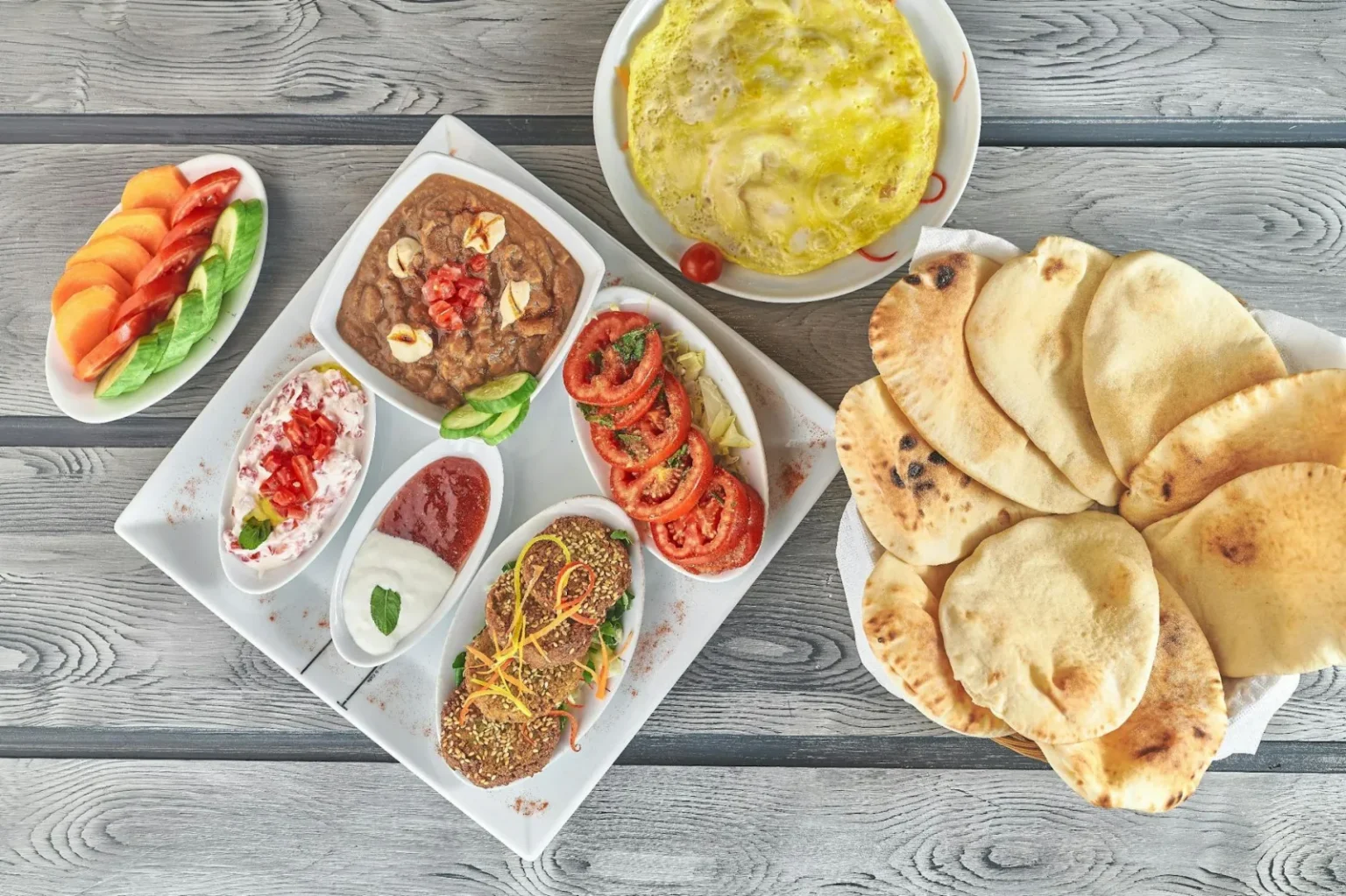

Understanding Arabian Peninsula Cuisine
The Arabian Peninsula is renowned for its vibrant culinary landscape, a melting pot of flavors shaped by centuries of trade, migration, and cultural exchange. However, amidst the popular dishes like kabsa and shawarma, many hidden culinary traditions remain largely undiscovered. These lesser-known recipes often hold significant cultural importance and offer insights into the lives and histories of the people who prepare them.
- Understanding Arabian Peninsula Cuisine
- 1. The Origins of Forgotten Recipes
- 2. Common Ingredients in Hidden Culinary Traditions
- 3. Exploring Local Markets for Authentic Ingredients
- 4. Key Techniques in Traditional Cooking
- 5. The Role of Community in Culinary Traditions
- 6. Rediscovering Regional Variations
- 7. Modern Influences on Traditional Recipes
- Conclusion: A Flavor Journey Worth Taking
1. The Origins of Forgotten Recipes
Many of the hidden culinary traditions in the Arabian Peninsula can be traced back to ancient nomadic lifestyles. For example, Bedouin tribes developed unique cooking methods that utilized the resources available in their arid environments. One such dish, zurbian, is a traditional rice and meat dish that varies by region but often includes spices like saffron and cardamom. It’s essential to understand these origins as they not only highlight the creativity of the people but also the adaptation to local environments. Recognizing these factors can deepen your appreciation for the food.
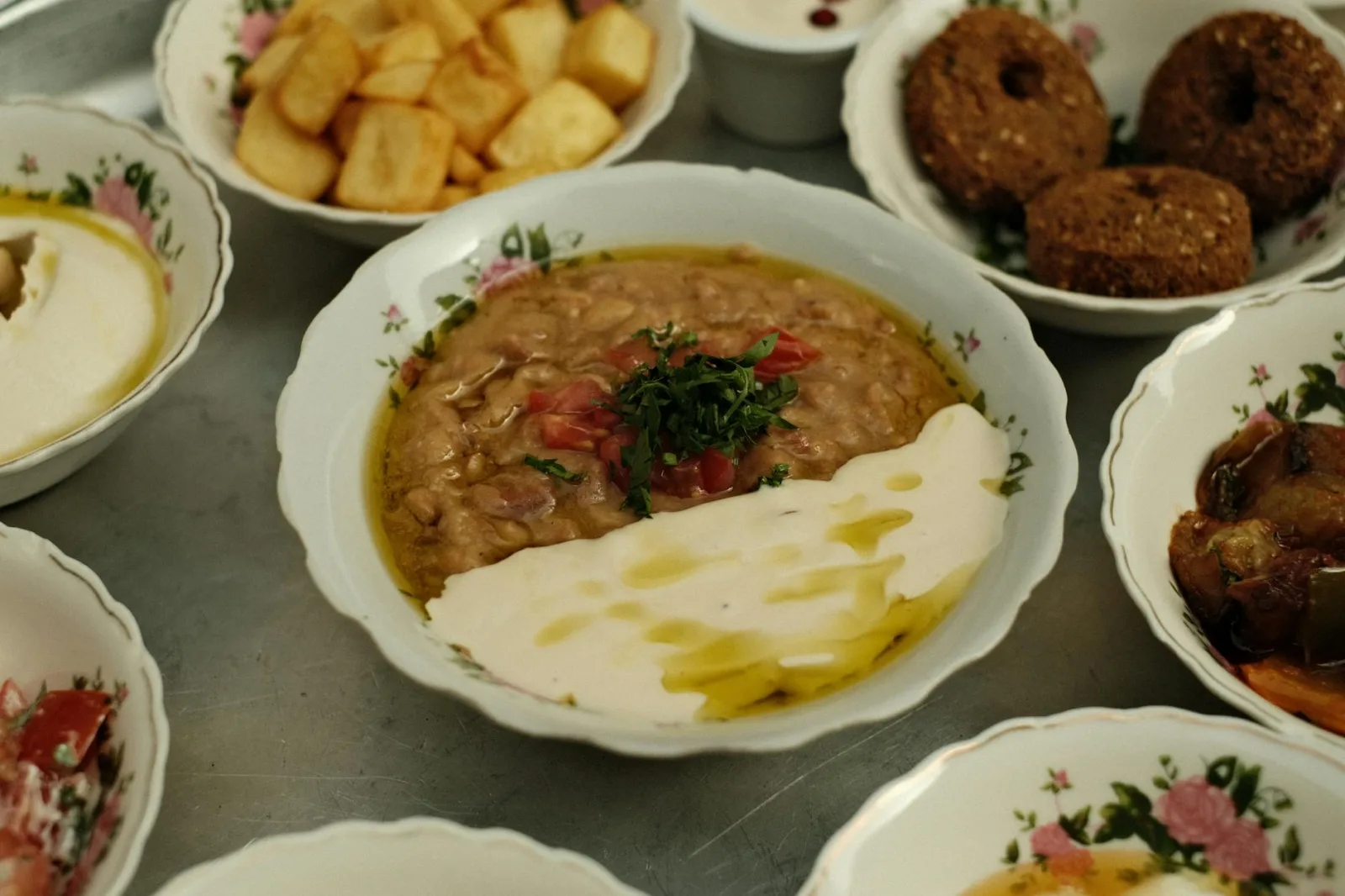
2. Common Ingredients in Hidden Culinary Traditions
To truly grasp the essence of Arabian Peninsula cuisine, familiarize yourself with the common ingredients that frequently appear in forgotten recipes. Spices such as cumin, coriander, and sumac are often used to elevate the flavor profiles of simple dishes. Additionally, grains like bulgur and freekeh are staples that not only provide sustenance but also reflect the agricultural practices of the region. Understanding these ingredients will allow you to recreate traditional dishes and appreciate their complexity.
3. Exploring Local Markets for Authentic Ingredients
To unlock the secrets of hidden culinary traditions, visit local markets where you can find authentic ingredients that may be missing from standard grocery stores. Markets often have a variety of spices, fresh produce, and handmade goods. For instance, in Oman, you might come across halwa, a traditional sweet made from rosewater and saffron, often prepared with family recipes handed down through generations. Engaging with local vendors can also lead to discovering forgotten recipes that they might be willing to share.

4. Key Techniques in Traditional Cooking
The techniques used in preparing traditional Arabian dishes are as important as the ingredients. For example, the method of slow-cooking meats to enhance flavors is prevalent in many hidden recipes. In fact, in some regions, you might find dishes cooked in underground ovens, known as tandoor, which impart a unique smoky flavor. To replicate these techniques at home, consider investing in a clay pot or slow cooker. These tools can help you achieve similar results while respecting the essence of traditional cooking.
5. The Role of Community in Culinary Traditions
Culinary traditions in the Arabian Peninsula are often communal experiences, with families gathering to prepare meals together. This aspect of cooking is crucial in preserving forgotten recipes. For instance, during festivities, families might come together to make maamoul, a type of filled pastry that is rich in flavor and history. Participating in or observing such gatherings can provide valuable insights into the social aspects of food preparation and consumption. You might even gain access to recipes passed down through generations.
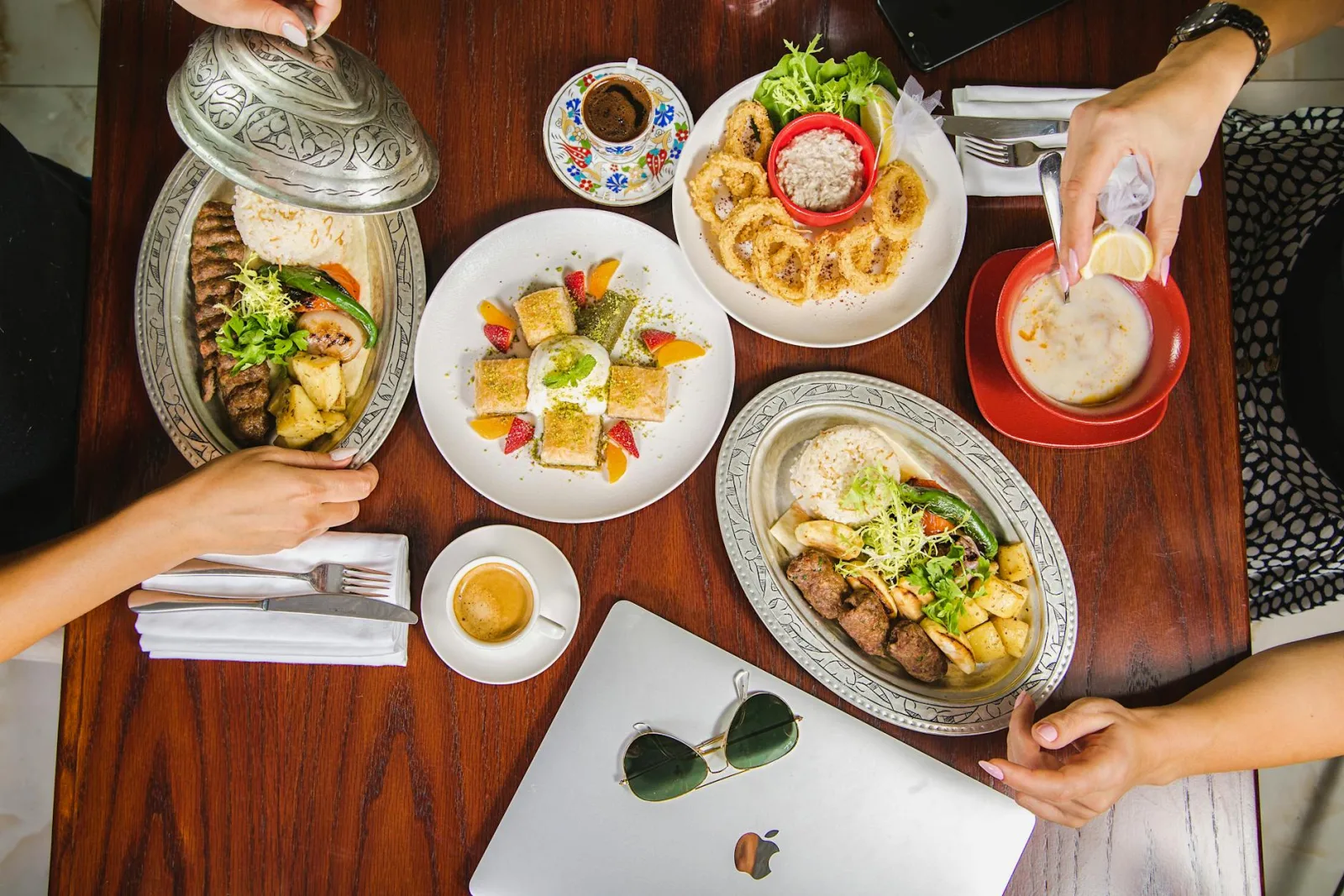
6. Rediscovering Regional Variations
Each country within the Arabian Peninsula has its own unique spin on traditional dishes. For example, in Saudi Arabia, the use of dates is prevalent in both savory and sweet dishes, while in the UAE, margoogat, a spiced vegetable stew, reflects the local palate. Exploring these regional variations not only enriches your culinary journey but also encourages a deeper understanding of cultural identities. To discover these differences, consider traveling to lesser-known areas or engaging with local culinary experts.
7. Modern Influences on Traditional Recipes
In recent years, there has been a resurgence of interest in traditional cooking techniques, spurred on by modern chefs who are reinterpreting forgotten recipes. This fusion of old and new can be seen in restaurants that highlight local ingredients and traditional methods while adding contemporary twists. For example, chefs might serve haris, a traditional wheat and meat dish, but with gourmet presentations or unexpected flavors. It’s important to appreciate these modern interpretations while recognizing their roots. Try to experiment with traditional recipes and put your unique spin on them, creating a fusion of your own.
Conclusion: A Flavor Journey Worth Taking
Embarking on a journey through the hidden culinary traditions of the Arabian Peninsula reveals a treasure trove of flavors and stories waiting to be discovered. By exploring forgotten recipes, understanding the significance of local ingredients, and engaging with the community, you can enrich your culinary skills while honoring the heritage of this diverse region. Remember, the next time you encounter a dish that piques your interest, take a moment to explore its history and the people behind it. This journey not only enhances your appreciation for food but also connects you to the rich tapestry of human experiences that it represents.